
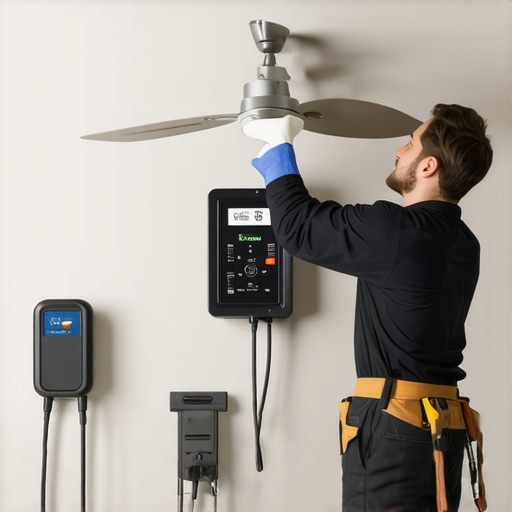
My Journey into Fixing Ceiling Fans and EV Chargers
Last summer, I faced a frustrating situation when my ceiling fan suddenly stopped working just as I was preparing for a family gathering. As someone who loves DIY projects, I decided to troubleshoot the issue myself before calling in a professional. That experience sparked my curiosity about the best electrician tips for fixing ceiling fans and EV chargers, especially with the rapid technological advancements in 2024.
Why Proper Troubleshooting Matters More Than Ever
From my personal experience, understanding the basics of electrical troubleshooting can save you a lot of time and money. Ceiling fans and EV chargers are essential components of a modern home, and knowing how to identify common issues helps you act swiftly. I learned that many problems stem from simple causes like loose wiring, faulty switches, or outdated components.
My Favorite Tricks for Quick Ceiling Fan Fixes
One tip I swear by is turning off the power before inspecting any wiring. I also recommend checking the remote control batteries and ensuring the fan is properly grounded. When I encountered a wobbling fan, balancing the blades with a simple kit made a huge difference. For more advanced issues, I found that inspecting the capacitor often reveals the culprit, and replacing it is straightforward if you follow the right procedures. For detailed guidance, I recommend consulting trusted sources like this expert troubleshooting guide.
Are EV Chargers as Troublesome as Ceiling Fans?
Initially, I thought EV chargers would be more complicated to fix due to their digital nature. However, I discovered that many problems are similar to ceiling fans—loose connections, software glitches, or power supply issues. My experience taught me that understanding basic electrical principles can help diagnose most issues. I also found that keeping a troubleshooting checklist handy simplifies the process and ensures nothing gets overlooked.
What Should I Do When Troubleshooting Gets Complex?
When problems persisted beyond my DIY skills, I turned to professional electricians. Their expertise was invaluable, especially when dealing with high-voltage components of EV chargers. I learned that trusting licensed electricians not only ensures safety but also guarantees a long-lasting fix. If you’re interested in quick solutions, I recommend exploring comprehensive guides like this trusted electrical solutions page.
In my journey, I also found that regular maintenance prevents many common issues. Cleaning the fan blades, tightening connections, and updating firmware on EV chargers can extend their lifespan and keep everything running smoothly. Do share your experiences or ask questions—I love exchanging tips with fellow DIY enthusiasts!
Unlocking the Secrets to Efficient Troubleshooting of Ceiling Fans and EV Chargers
As an experienced electrician, I often encounter homeowners overwhelmed by seemingly complex issues with ceiling fans and EV chargers. However, with a structured approach rooted in deep electrical knowledge, many problems become manageable. Understanding the intricacies of both devices allows you to diagnose and fix common issues swiftly, saving time and money.
What Are the Hidden Causes Behind Persistent Electrical Problems?
Many troubleshooters overlook subtle signs that indicate deeper electrical problems. For example, frequent tripping of circuit breakers may point to an overloaded circuit or faulty wiring. In ceiling fans, uneven blade wobbling could be due to unbalanced blades or loose mounting brackets. For EV chargers, inconsistent charging might stem from outdated firmware or poor grounding. Recognizing these nuanced signs helps in pinpointing root causes efficiently.
How Can Advanced Troubleshooting Techniques Improve Your Repairs?
Utilizing tools like multimeters, circuit analyzers, and thermal cameras elevates your diagnostic accuracy. For instance, measuring voltage at various points can reveal voltage drops or irregular current flow. Thermal imaging can identify overheating components that are failing prematurely. Integrating these advanced techniques into your troubleshooting routine ensures comprehensive assessments. For detailed guidance, consult trusted sources like this expert guide.
Are There Common Wiring Errors That Even Experts Occasionally Miss?
Absolutely. For example, reversed wiring on a switch or improper grounding can cause intermittent faults that are hard to detect initially. Ensuring adherence to electrical codes, such as those outlined by the National Electrical Code (NEC), is vital. Regularly reviewing wiring diagrams and performing continuity tests can prevent these issues from escalating. Remember, safety always comes first—if you’re uncertain, consulting a licensed electrician is prudent.
What Role Does Preventative Maintenance Play in Long-Term Reliability?
Preventative maintenance is often overlooked but is crucial for long-term system health. Regularly inspecting and tightening connections, cleaning components, and updating device firmware can prevent many problems. For ceiling fans, this includes balancing blades and lubricating motor bearings; for EV chargers, checking for firmware updates and inspecting grounding connections is essential. Proactive maintenance reduces downtime and extends device lifespan.
For more detailed insights, explore this comprehensive troubleshooting resource. Sharing your own tips or questions helps foster a community of informed DIY enthusiasts. Remember, ongoing learning and practical application are the keys to mastering electrical troubleshooting in today’s fast-evolving technological landscape.
Reflections on the Hidden Complexities of Electrical Troubleshooting
Over the years, my journey in electrical troubleshooting has taught me that many issues are rooted in subtle, often overlooked details. For instance, a seemingly minor wiring reversal or a tiny crack in a connector can silently cause intermittent faults, frustrating even seasoned DIYers. I remember encountering a ceiling fan that kept wobbling despite balancing the blades multiple times; upon closer inspection, I discovered a tiny crack in the mounting bracket, which was causing uneven tension. This experience underscored the importance of meticulous inspection and understanding that electrical problems often lie beneath the surface, requiring patience and a keen eye.
Why Deep Diagnostics and Advanced Tools Make a Difference
In my practice, integrating advanced diagnostic tools has been a game-changer. Using a thermal camera to identify overheating components revealed issues that traditional visual inspections missed. For example, a faulty capacitor in a ceiling fan showed signs of heat buildup long before it failed entirely. Similarly, measuring voltage drops at various points in an EV charger circuit exposed hidden wiring issues or poor connections that could lead to long-term failures. These tools, although requiring an initial investment, provide invaluable insights, making troubleshooting more precise and less guesswork.
Addressing the Nuances of Grounding and Code Compliance
One aspect that often trips up even experienced electricians is ensuring proper grounding and adherence to electrical codes. I’ve seen cases where improper grounding caused erratic behavior in EV chargers, or where reversed wiring on switches led to flickering lights and device malfunctions. Regularly reviewing wiring diagrams and consulting authoritative sources like the National Electrical Code (NEC) is essential. Moreover, maintaining an up-to-date knowledge base about local regulations ensures safety and long-term reliability. Remember, a small oversight in grounding or wiring can have significant safety implications, so never underestimate the importance of thoroughness.
Building a Preventative Maintenance Routine for Longevity
Preventative maintenance is a pillar of long-term success. I’ve found that scheduling regular inspections—such as cleaning fan blades, tightening connections, and updating firmware on EV chargers—can prevent many issues before they start. For instance, a quick firmware update on my EV charger improved its charging stability, saving me from future troubleshooting headaches. Keep in mind that maintaining a checklist tailored to your specific devices and environment can significantly extend their lifespan and improve performance. Sharing your maintenance routines or tips with fellow enthusiasts can foster a community of proactive homeowners and DIYers.
Deepening Your Troubleshooting Skills with Continuous Learning
As technology evolves, so must our troubleshooting skills. I regularly dive into expert resources, such as detailed guides and advanced troubleshooting tutorials, to stay ahead. For example, detailed articles like this guide on EV charger troubleshooting have expanded my understanding of digital error codes and firmware diagnostics. Engaging with these resources, practicing on real devices, and sharing insights with a community of electrical enthusiasts can dramatically improve your skills. Remember, mastery in troubleshooting is a continual journey, requiring curiosity, patience, and a readiness to learn from each challenge you face.
Inviting Your Personal Experiences and Questions
Every troubleshooting challenge teaches us something new. I encourage you to share your experiences—what tricky problems have you faced with ceiling fans or EV chargers? Have you tried any advanced techniques or tools that made a difference? Comment below or explore related content to deepen your understanding. The more we exchange knowledge, the better equipped we all become to tackle electrical issues efficiently and safely. For further reading, don’t miss out on expert insights available at this comprehensive troubleshooting resource. Happy troubleshooting and keep learning!
How Can Deep Diagnostics Elevate Your Troubleshooting Arsenal?
In my ongoing quest to refine my electrical troubleshooting skills, I’ve found that deploying sophisticated diagnostic tools can make a substantial difference. Multimeters, for example, are invaluable for measuring voltage drops and verifying circuit continuity, while thermal cameras reveal hidden hotspots that signal failing components. I vividly recall using a thermal imaging device to diagnose an overheating capacitor in a ceiling fan, which traditional inspections overlooked. These insights not only speed up repairs but also help in preventing future failures, aligning with the latest standards outlined in the National Fire Protection Association (NFPA) guidelines. Incorporating such advanced techniques into your routine transforms troubleshooting from guesswork into precise science.
What Are the Nuances of Grounding That Even Experts Sometimes Miss?
Proper grounding is the foundation of electrical safety and device reliability, yet subtle missteps frequently occur. For instance, reversed grounding or inadequate grounding can lead to erratic device behavior or pose safety hazards. During my projects, I’ve observed that diligent adherence to the NEC standards ensures compliance and safety. One particularly tricky case involved an EV charger that kept tripping the circuit breaker; after thorough inspection, I discovered a loose ground wire that caused intermittent faults. Regularly reviewing wiring diagrams and employing continuity tests are critical practices to prevent overlooked grounding issues. Remember, meticulous attention to grounding details is often the difference between a quick fix and a safety disaster.
Why Is Preventative Maintenance the Unsung Hero of Long-Term Reliability?
Preventative maintenance might seem mundane, but it’s the secret weapon for ensuring longevity and consistent performance. I schedule routine inspections, including blade balancing, lubrication, and firmware updates, to catch potential issues early. For example, updating the firmware on my EV charger significantly improved its charging stability, saving me from costly breakdowns. Creating a tailored maintenance checklist based on device specifications and environmental conditions helps streamline this process. Engaging with a community of DIY enthusiasts through forums or local groups allows sharing of innovative maintenance routines. Ultimately, proactive care minimizes downtime and enhances safety, aligning with expert recommendations from trusted sources like trusted electrical solutions.
How Do Continuous Learning and Community Engagement Deepen Your Expertise?
The landscape of electrical troubleshooting is ever-evolving, demanding ongoing education. I dedicate time to studying advanced guides, such as this comprehensive troubleshooting guide, which offers insights into digital error codes and firmware diagnostics. Participating in online forums and local workshops fosters a collaborative environment where I exchange tips and learn from seasoned professionals. For instance, sharing a recent experience of diagnosing a complex wiring anomaly helped me understand alternative approaches and pitfalls. Embracing lifelong learning not only sharpens skills but builds confidence in tackling even the most intricate issues. I encourage you to actively seek out expert resources and community interactions—these are invaluable for advancing your troubleshooting mastery.
Things I Wish I Knew Earlier (or You Might Find Surprising)
Small Details Can Cause Big Problems
Early in my DIY journey, I underestimated how tiny cracks or loose connections could lead to major electrical issues. I once spent hours troubleshooting a wobbling ceiling fan, only to find a tiny crack in the mounting bracket that was causing uneven tension. It taught me to be meticulous and check every detail, no matter how minor it seems.
Proper Grounding Is More Critical Than You Think
Understanding the importance of grounding has saved me from many headaches. I once ignored a loose ground wire, which caused my EV charger to trip circuit breakers intermittently. After fixing the grounding properly, everything ran smoothly. Never overlook grounding; it’s the backbone of electrical safety and device longevity.
Advanced Tools Are Worth the Investment
Using tools like thermal cameras and multimeters has transformed my troubleshooting approach. I remember diagnosing an overheating capacitor in my ceiling fan with a thermal camera, spotting the issue before it caused a complete failure. These tools make diagnostics faster, more accurate, and less guesswork.
Regular Maintenance Prevents Many Issues
Simple routine checks—like cleaning blades, tightening connections, or updating firmware—can extend the lifespan of your devices. A quick firmware update on my EV charger improved its charging stability significantly. Staying proactive with maintenance saves money and stress in the long run.
Never Stop Learning and Connecting
The electrical landscape is always evolving. I keep myself updated with new guides and participate in online forums. Sharing experiences and learning from others has broadened my skills and confidence. Continuous education is key to mastering troubleshooting skills.
Resources I’ve Come to Trust Over Time
- National Electrical Code (NEC): Essential for understanding safety standards and wiring practices. It’s my go-to reference for compliance and safety.
- NFPA (National Fire Protection Association): Offers guidelines on electrical safety and best practices, helping me stay updated on safety standards.
- ProElectricalCo.com: Provides comprehensive guides and troubleshooting tips specific to ceiling fans and EV chargers. I rely on their detailed articles for step-by-step assistance.
Parting Thoughts from My Perspective
Fixing ceiling fans and EV chargers might seem daunting at first, but with patience, the right tools, and a commitment to learning, you can handle most common issues. Remember that attention to detail and ongoing education are your best allies. If this resonates with you, I’d love to hear your experiences or tips. Sharing knowledge helps us all become better DIY troubleshooters and safer homeowners. Keep learning, stay curious, and don’t hesitate to reach out to professionals when needed—your safety is always worth it.
Reading through this post really resonated with my own experience troubleshooting ceiling fans and EV chargers at home. I completely agree that basic troubleshooting, like checking for loose wiring or faulty capacitors, can save a lot of time and unnecessary expenses. I’ve also found that using a multimeter early in the process helps avoid chasing after false problems. One thing I’ve learned over the years is how crucial proper grounding is—not just for safety, but also for the longevity of these devices. I once skipped a thorough grounding check and ended up with intermittent faults in an EV charger installation, which was a costly mistake that could have been avoided. What are some common mistakes you’ve seen DIYers make when trying to fix these appliances, especially in terms of wiring or grounding? I think sharing these pitfalls can help us all improve and troubleshoot more effectively.
This post really hits home for me, especially the part about using advanced tools like thermal cameras and multimeters. I recently had an experience diagnosing a faulty capacitor in my ceiling fan with just a multimeter, which saved me a costly service call. It’s incredible how much more confidence you gain once you start incorporating these diagnostic tools into your routine. I’m curious, does anyone have suggestions for budget-friendly yet reliable equipment for beginners looking to expand their troubleshooting toolkit? Also, I appreciate the emphasis on preventative maintenance—it’s such a simple step that often gets overlooked but can dramatically lengthen the lifespan of our devices. Do you think there are specific maintenance routines that are more critical for EV chargers compared to ceiling fans? It would be great to hear everyone’s personal tips on keeping these devices in top shape. Overall, this article reinforces that continuous learning and careful diagnostics are essential for tackling electrical issues efficiently.