
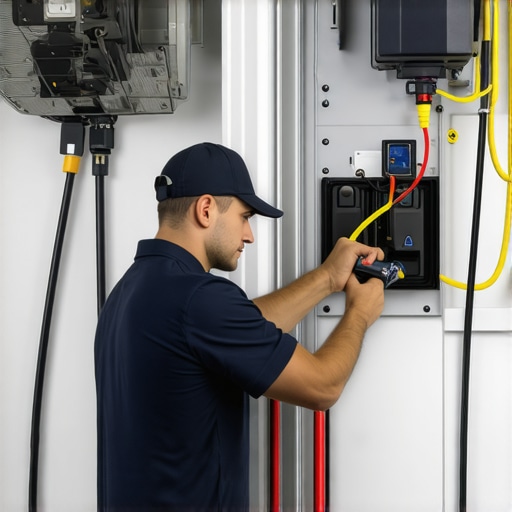
Ever experienced that sinking feeling when your brand-new EV charger suddenly stops working just when you needed it the most? Or worse, your ceiling fan starts buzzing loudly in the middle of a hot summer night? I’ve been there. I remember the frustration of trying to figure out what went wrong, only to realize I was missing the crucial troubleshooting step that could have saved me hours of guesswork. That lightbulb moment changed everything for me, and I want to share what I learned with you.
Why Troubleshooting Skills Matter More Than Ever
In today’s fast-paced world, our homes are more dependent than ever on reliable electrical devices. From charging your electric vehicle to keeping your living space comfortable with ceiling fans, these appliances are essential. When they malfunction, it’s not just inconvenient—it can disrupt your entire day. According to a recent study, nearly 70% of electrical issues in homes are caused by simple faults that can be fixed with proper troubleshooting. Yet, many homeowners hesitate, fearing they might make things worse or lack the expertise to fix the problem themselves.
That’s where expert electrician tips come in. Over the years, I’ve learned that most issues with EV chargers and ceiling fans are solvable with a few simple steps. And, more importantly, understanding the common pitfalls can prevent costly mistakes. For example, early on, I replaced a perfectly fine circuit breaker because I didn’t check the wiring connections—an expensive and unnecessary error. If you want to avoid such missteps, I encourage you to dive into the practical advice I’ve gathered.
Have you faced issues with your EV charger or ceiling fan that left you scratching your head? I know I have, and that’s exactly why I’m here to guide you through the troubleshooting process.
In the sections ahead, I’ll share expert tips that will help you quickly identify and resolve common problems. Whether it’s a faulty connection, a blown fuse, or a control switch issue, these insights can save you time and money. To get started, let’s explore the most frequent causes of EV charger and ceiling fan failures—and how to address them effectively.
Understanding the Common Causes of Electrical Problems
Before jumping into fixes, it’s crucial to understand what typically causes these issues. Loose wiring, outdated components, power surges, or even improper installation can all lead to malfunctioning devices. Recognizing these root causes allows you to troubleshoot more efficiently. If you’re unsure about how to safely handle electrical components, it’s always wise to consult a professional. For comprehensive guidance, check out my recommended expert electrician troubleshooting tips.
Start with a Visual Inspection
Before diving into technical tests, perform a thorough visual check. Look for loose wires, burnt components, or corrosion. I remember when my ceiling fan made a buzzing noise; a simple inspection revealed frayed wiring that needed replacement. Ensure the device is unplugged or power is off before inspecting to avoid shocks. Check the circuit breaker to confirm it hasn’t tripped. This initial step often reveals obvious issues that can be fixed quickly, saving you time.
Test Power Supply and Connections
Use a multimeter to verify if the device is receiving power. For an EV charger, test the outlet voltage; for a ceiling fan, check the switch wiring. Imagine the electrical system as a water pipe: if water isn’t reaching the faucet, the problem lies somewhere upstream. I once tested an EV charger and found no voltage at the outlet; resetting the breaker restored power. If your testing shows no power, trace the circuit back to the breaker panel, inspecting for blown fuses or loose connections. Proper testing ensures you’re addressing the root cause, not just symptoms.
Check Internal Components
With power off, open the device casing carefully. Look for damaged components like burnt resistors, capacitors, or scorched wiring. For ceiling fans, examine the switch and motor connections; for EV chargers, inspect circuit boards. I once replaced a faulty capacitor in my ceiling fan, which eliminated the humming sound. Always consult the device’s wiring diagram, which can often be found in the manual or online. This step isolates internal faults that might not be visible externally.
Test Switches and Controls
Sometimes, the issue is as simple as a faulty switch. Use a multimeter to test continuity in switches and control buttons. For example, my ceiling fan’s remote control was unresponsive; testing the remote’s circuit revealed a dead battery, but in other cases, the remote’s receiver or wiring was faulty. When testing switches, ensure they are properly wired and making contact. Replacing a defective switch or remote often restores full functionality without complex repairs.
Evaluate Safety Devices and Fuses
Check all fuses and circuit breakers related to the device. A blown fuse is a common cause of failure. For EV chargers, inspect the fuse in the charger unit; for ceiling fans, check the inline fuse if present. I once replaced a blown fuse in my EV charging station, which immediately fixed the problem. Remember, fuses are safety devices designed to prevent damage, so never bypass or ignore blown fuses—replace them with the correct rating.
Perform a Functional Test
After addressing potential issues, restore power and test the device. Observe for proper operation and listen for abnormal sounds or signs of overheating. For my ceiling fan, once I replaced a worn-out capacitor, it ran smoother and quieter. If the device still malfunctions, revisit previous steps, or consider testing specific components like capacitors or relays with specialized tools. This iterative process helps pinpoint stubborn faults efficiently.
Consult Professional Resources and When to Call an Expert
If troubleshooting doesn’t resolve the issue, consult trusted resources such as expert electrician tips or seek professional help. Remember, electrical systems can be dangerous; if you’re unsure or uncomfortable at any step, it’s safest to call a licensed electrician. Their expertise can prevent accidents and ensure your devices are repaired safely and correctly.
Many DIY enthusiasts and homeowners harbor misconceptions about troubleshooting electrical devices like EV chargers and ceiling fans. Let’s dig deeper into some of the most common mistakes and myths that can lead you astray. Understanding these nuances will help you avoid costly errors and approach repairs with greater confidence.
Myth: All Electrical Problems Are Visible or Obvious
One widespread misconception is that if you don’t see visible damage, the device is fine. In reality, many internal faults—such as failing capacitors, damaged relays, or corroded contacts—are invisible to the naked eye. Relying solely on visual inspection can cause you to overlook these hidden issues. Advanced testing with multimeters or specialized equipment is often necessary to detect these subtler faults. For example, a capacitor in a ceiling fan may look perfectly fine externally but be malfunctioning internally, causing noise or motor failure. To learn more about internal component testing, visit this troubleshooting guide.
Myth: Resetting the Circuit Breaker Is Always the First Step
While resetting the breaker is a common troubleshooting step, it’s often a superficial fix. Many assume that tripped breakers are the root cause, but sometimes the breaker trips due to underlying issues like short circuits or faulty wiring. Simply resetting without further investigation can mask the real problem, leading to repeated trips or electrical fires. Advanced troubleshooting involves checking wiring integrity, testing for shorts, and verifying proper grounding before resetting the breaker. For detailed approaches, see professional electrician tips.
What Advanced Techniques Can You Use to Diagnose Hidden Faults?
For seasoned DIYers and electricians, employing tools such as insulation resistance testers or thermal cameras can reveal issues that standard multimeters might miss. These techniques help identify overheating components or insulation failures that are not immediately visible. For example, a thermal camera can detect hotspots in a ceiling fan’s motor or wiring connections, pinpointing faults before they cause a complete failure. Incorporating these advanced diagnostic methods ensures more accurate repairs and reduces the risk of recurring problems.
Have you ever fallen into this trap? Let me know in the comments. The key is to recognize that troubleshooting is both an art and a science—requiring not just tools, but also a nuanced understanding of electrical systems. By debunking myths and embracing advanced techniques, you can troubleshoot more effectively and safely. For more expert insights, don’t forget to check out these tips.
How do I maintain my electrical troubleshooting tools over time?
Maintaining your troubleshooting tools is crucial for ensuring accurate diagnostics and prolonging their lifespan. I recommend regularly calibrating your multimeter to ensure precise readings, especially if you’re diagnosing complex issues with EV chargers or ceiling fans. Personally, I use a digital multimeter from Fluke because of its durability and accuracy—it’s a staple in my toolkit. Additionally, keep your multimeter’s probes clean and stored in a protective case to avoid damage and corrosion. For thermal inspections, I rely on a FLIR thermal camera, which helps me detect hotspots in wiring or motor components that are not visible to the naked eye. This camera has become indispensable for preemptive maintenance and quick fault detection.
Beyond tools, routine visual inspections and cleaning are vital. Dust and debris can accumulate in electrical components, leading to overheating or short circuits. I advise wiping down your devices with a dry cloth and checking for signs of corrosion or loose connections monthly. For more advanced diagnostics, I also use insulation resistance testers to evaluate wiring integrity, especially when working on older installations. This kind of proactive maintenance helps prevent failures before they happen, saving time and costly repairs.
Looking ahead, I predict that smart diagnostic tools will become more integrated with IoT technology, providing real-time data and automated alerts for potential issues. Devices may soon self-report faults or even perform self-corrections, reducing the need for manual troubleshooting. Until then, sticking to reliable, well-maintained tools is your best bet for consistent results.
What advanced methods can I use to keep my electrical system in top shape over the long term?
One effective approach is employing thermal imaging regularly to spot overheating components early. For example, inspecting wiring and connections in ceiling fans and EV chargers with a thermal camera can reveal insidious issues like loose contacts or overloaded circuits before they cause failures. Incorporating infrared diagnostics into your routine maintenance can dramatically improve system reliability. Also, using insulation resistance testers on critical wiring can provide insights into the aging of your electrical system, which is especially important in older homes or installations.
For a deeper understanding of long-term maintenance, I recommend reading expert resources such as top electrician tips. These insights can help you develop a comprehensive maintenance schedule tailored to your specific devices and environment.
Finally, always document your inspections and repairs. Keeping a maintenance log ensures you can track recurring issues and evaluate the effectiveness of your interventions. This systematic approach not only extends the life of your electrical devices but also enhances your troubleshooting skills over time. So, try integrating thermal imaging into your periodic checkups—it’s a game changer for proactive electrical maintenance and troubleshooting efficiency.
The Hardest Lesson I Learned About Electrical Troubleshooting
One of the most eye-opening lessons I encountered was realizing that internal faults often hide behind a perfect exterior. A capacitor or relay might look pristine but still cause malfunction. This taught me the importance of comprehensive testing beyond visual inspection, such as using a multimeter or thermal camera, which can reveal issues you might otherwise miss.
3 Myths About Troubleshooting That Held Me Back
Believing that all electrical problems are visible or that resetting the circuit breaker is always the first fix delayed my progress. These myths can lead to unnecessary replacements or overlooked root causes. Learning to trust thorough diagnostics over assumptions has saved me time and money.
What Experts Won’t Tell You About Maintaining Your Troubleshooting Tools
Proper maintenance of tools like multimeters and thermal cameras is crucial. Regular calibration, cleaning probes, and updating software ensure accurate readings. This proactive approach prevents misdiagnosis and keeps your troubleshooting efficient.
My Essential Toolkit for Troubleshooting EV Chargers and Ceiling Fans
My go-to tools include a reliable digital multimeter from Fluke for its durability and precision, a FLIR thermal camera to detect hotspots, and insulated screwdrivers for safety. These tools have become indispensable in my DIY repairs and professional troubleshooting.
Your Turn to Try
Now that you know some hidden truths and essential tools, it’s time to apply these insights to your own troubleshooting journeys. Remember, patience and proper diagnostics are your best allies in fixing electrical issues safely and effectively. Don’t hesitate to experiment and learn from each repair—your confidence will grow with every successful fix.
What’s been your biggest challenge when troubleshooting electrical devices like EV chargers or ceiling fans? Share your experiences below, and let’s learn together!