
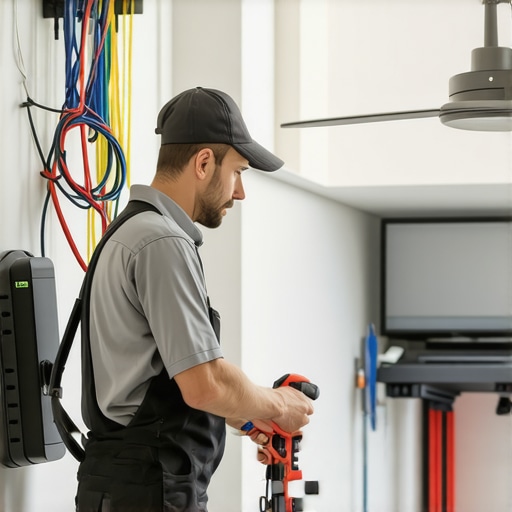
Ever had that frustrating moment when your EV charger suddenly stops working just before you hit the road or your ceiling fan refuses to spin on a hot summer day? I remember the sinking feeling all too well. One summer afternoon, I was about to leave for a family dinner, only to find my EV charger blinking erratically. It was a classic case of how a quick fix could have saved my evening—and so many others I’ve learned from since.
Why Quick Fixes for EV Chargers and Ceiling Fans Matter More Than Ever
In 2024, the demand for reliable home electrical solutions has skyrocketed. With more people embracing electric vehicles and seeking comfort from ceiling fans, the importance of understanding how to troubleshoot and repair these systems swiftly can’t be overstated. A malfunctioning EV charger or ceiling fan isn’t just an inconvenience; it can disrupt your day, drain your wallet, or even pose safety risks if left unchecked. According to a recent study, electrical issues are among the top reasons for home electrical emergencies, which underscores why knowing how to fix them fast is a skill worth mastering.
But here’s the thing—early on, I made a mistake that nearly cost me more time and money. I tried to fix a ceiling fan without turning off the power, thinking I could just be careful. That was a rookie move. It’s a risk that any electrician worth their salt avoids. Trust me, turning off the circuit breaker first is a simple step that keeps you safe and makes the job easier. If you’re eager to learn how to troubleshoot effectively, I recommend checking out this comprehensive troubleshooting guide that I often refer to.
Have you faced the frustration of a sudden EV charger or ceiling fan failure at the worst moment? Don’t worry, you’re not alone. The good news is, with a few practical tips, you can become the go-to person in your household for quick fixes, saving time, money, and frustration.
So, are you ready to dive into proven techniques for fixing these common issues fast? Let’s get started, because the right knowledge can turn a stressful situation into a simple repair—fast.
Cut the Power First
Before attempting any repair, locate your home’s main circuit breaker and turn off the power supply to the device. I learned this the hard way when I tried fixing a ceiling fan without switching off the breaker—shocking and dangerous. Turning off the power creates a safe environment and prevents accidental electrocution, making the repair process smoother. For detailed safety practices, check out this troubleshooting guide.
Diagnose the Issue Accurately
Identify whether the problem is a power supply issue, a faulty component, or a wiring problem. For example, if your EV charger isn’t charging, check the outlet voltage with a multimeter. I once faced a non-charging EV station that was simply unplugged from a loose socket—an easy fix once diagnosed. Use a multimeter to test voltage and continuity; this step saves you from replacing parts unnecessarily. Learn more about effective diagnosis in this ultimate troubleshooting guide.
Inspect and Replace Faulty Components
Look inside the device for obvious signs of damage—burnt wires, broken switches, or corrosion. For ceiling fans, check the capacitor and switch assembly; for EV chargers, examine the circuit board and power cord. When I replaced a worn-out capacitor in my ceiling fan, the spinning resumed immediately, saving me costly replacement. Always use the correct replacement parts, and if unsure, consult an electrician’s advice for the right components.
Secure Wiring and Connections
Loose or corroded connections are common culprits. Ensure all wire nuts and terminal screws are tight. I once reconnected a loose wire in my EV charger, which instantly restored function. Use a screwdriver to tighten connections firmly, and replace any corroded terminals. Proper wiring not only fixes the current issue but also prevents future failures. For detailed wiring tips, see this expert advice.
Test After Repairs
Once you’ve replaced faulty parts and secured all connections, restore power and test the device. For ceiling fans, turn on the switch to confirm operation; for EV chargers, plug in and check charging status. When I tested my ceiling fan after fixing the capacitor, it ran smoothly without wobbling. Always observe for abnormal noises or sparks, and if issues persist, revisit your diagnosis or seek professional help through this repair guide.
Keep Safety in Mind During Every Step
Safety is non-negotiable. Use insulated tools and wear rubber gloves when working with electrical systems. Never work alone if you’re unsure, and turn off the power before opening or touching electrical components. A quick fix is only safe if proper precautions are followed. For more safety tips, consult this safety-focused troubleshooting guide.
Many homeowners believe they can tackle electrical repairs like fixing ceiling fans or EV chargers with just a basic understanding, but this often leads to mistakes that could be costly or unsafe. Let’s dig deeper into some of the most common misconceptions and the nuanced truths that can save you time, money, and potential hazards.
Why the ‘More Power Means Faster Fixes’ Myth Is Dangerous
One widespread myth is that simply providing more power or bypassing certain safety steps speeds up repair work. This couldn’t be further from the truth. In fact, rushing into a repair without proper precautions—like turning off the circuit breaker—can lead to serious electrical shocks or damage to the device. It’s a trap many fall into, thinking that quick fixes save time, but they often increase the risk of bigger problems later. Always prioritize safety over speed. For a detailed look at safe troubleshooting practices, check out this comprehensive troubleshooting guide.
Beware of Assuming Faults Are Always Visible
Another common mistake is assuming that any problem will show obvious signs like burnt wires or broken parts. In reality, many issues, especially with modern EV chargers and ceiling fans, are hidden beneath the surface—corrosion inside wiring, faulty capacitors, or microcontroller failures. Relying solely on visual inspection can lead you to overlook the real culprit. Using a multimeter for precise diagnosis is a nuanced skill that separates amateurs from seasoned electricians. This is why I recommend consulting this ultimate troubleshooting guide for advanced diagnosis techniques.
Can You Really Fix Everything Without Professional Help?
Many believe that DIY fixes are always enough for ceiling fan or EV charger issues, but complex problems—like circuit board failures or wiring code violations—are best left to professionals. Attempting to repair these without proper training can not only be ineffective but also dangerous. The key is knowing when to call in an expert. If you’re unsure, this expert guide can help you decide whether a professional inspection is necessary. Remember, a quick call to a trusted electrician might save you from costly mistakes or safety hazards down the line.
Have you ever fallen into this trap? Let me know in the comments! Understanding these nuances ensures you’re not just fixing problems but doing so safely and effectively, turning you into the household hero of electrical troubleshooting.
How do I maintain my electrical fixtures over time?
Maintaining your EV charger and ceiling fans isn’t just about quick fixes; it’s about ensuring they operate efficiently and safely for years. I personally rely on a few key tools that have become indispensable in my routine. A high-quality multimeter, for example, is vital for diagnosing electrical issues accurately. I prefer models with auto-ranging capabilities because they save time and reduce errors when testing voltage, current, and continuity—crucial for troubleshooting complex problems effectively. When paired with a non-contact voltage tester, I can quickly verify if circuits are live without risking accidental shocks, which is especially helpful during ongoing maintenance or inspections.
Another tool I highly recommend is a digital infrared thermometer. It’s perfect for identifying overheating components in ceiling fans or EV chargers. For instance, if a capacitor or wiring connection becomes loose or faulty, it often manifests as a hotspot. Catching these early with an infrared thermometer can prevent bigger failures and safety hazards. For regular maintenance, I also keep a set of insulated screwdrivers and pliers handy—these tools are designed to prevent accidental shorts or shocks while working on energized circuits, even if the power is turned off.
Beyond hardware, software tools are also increasingly valuable. For example, some smart EV chargers come with diagnostic apps that provide real-time status updates and fault codes. These apps can guide you through troubleshooting steps remotely, saving time and reducing the need for professional visits. I’ve found that keeping a log of past issues and repairs in a simple spreadsheet helps track recurring problems, identify patterns, and plan preventive maintenance effectively. This proactive approach ensures your systems stay in top shape and reduces unexpected breakdowns.
Looking ahead, I predict that the integration of IoT (Internet of Things) devices will revolutionize how we maintain electrical systems. Imagine sensors embedded in your ceiling fans or EV chargers that monitor performance and alert you to issues before they become noticeable. Such advancements will make maintenance more predictive and less reactive, ultimately saving homeowners time and money. For now, mastering the basics with trusted tools and regular inspections is your best bet for keeping everything running smoothly.
Ready to take your maintenance game to the next level? Try investing in a high-quality multimeter with data logging capabilities and pairing it with diagnostic apps for your EV charger. These tools will empower you to perform more accurate assessments and catch problems early, ensuring your home’s electrical system remains safe and efficient for years to come.
The Hardest Lesson I Learned About Electrical Troubleshooting
One of my most valuable lessons was realizing that rushing to fix an electrical issue often leads to bigger problems. I once tried to bypass safety steps to save time, only to end up with a costly repair and a dangerous situation. Now, I always prioritize turning off the power and diagnosing carefully—saving time and preventing accidents.
How My Toolkit Transformed My Repair Skills
Investing in a high-quality multimeter and infrared thermometer changed everything. These tools helped me spot issues early, from overheating components to hidden wiring problems. I trust these because they give precise data, making my repairs safer and more reliable. For a full list of essential tools, check out this troubleshooting guide.
Why DIY Fixes Are More Than Just Saving Money
While fixing your EV charger or ceiling fan can seem straightforward, some problems are complex and require professional expertise. Misdiagnosing or improperly repairing can lead to safety hazards or further damage. Knowing your limits and consulting trusted resources, like this expert guide, ensures you stay safe and effective.
Don’t Make These Common Mistakes Again
Assuming all faults are visible or trying to fix energized circuits can be deadly. Instead, always disconnect power first and use diagnostic tools to identify issues. I’ve learned that patience and proper safety measures prevent accidents and deliver lasting fixes. For detailed safety practices, see this safety-focused troubleshooting guide.
Keep Your Electrical Systems in Top Shape
Regular maintenance, like inspecting connections and testing components, can prevent emergencies. I recommend pairing a multimeter with diagnostic apps, especially for smart EV chargers, to monitor performance remotely. Staying proactive with these tools and routine checks saves money and keeps your home safe. For more advanced maintenance tips, explore this ultimate troubleshooting guide.