
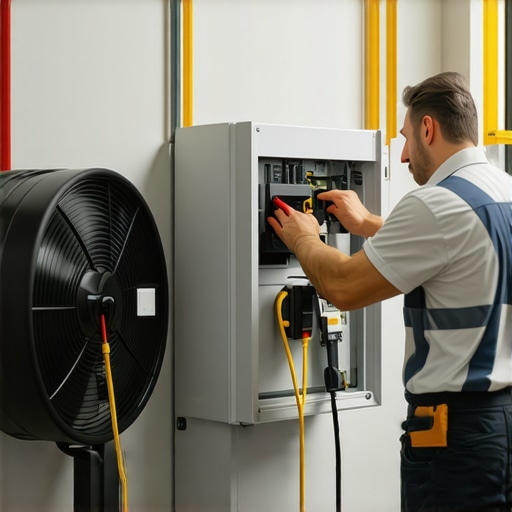
Ever been in the middle of a frustrating repair, only to realize you’re missing that one crucial troubleshooting step? I remember the first time I faced an EV charger that refused to power up. I dove straight into replacing parts, only to find out later I overlooked a simple wiring fault. That lightbulb moment made me realize how vital it is to have a solid troubleshooting strategy—especially with the surge in EV chargers and advanced fans in 2024. If you’ve ever dealt with equipment that just won’t cooperate, you know how stressful it can get. Today, I want to share proven tactics that can save you time, effort, and headaches, so you can fix issues swiftly and confidently.
Why Troubleshooting Skills Matter More Than Ever in 2024
With the rapid evolution of electrical systems for EV charging stations and smart fans, the complexity has increased. Modern devices feature sophisticated circuitry, digital controls, and safety protocols. Without a clear troubleshooting plan, it’s easy to get overwhelmed or make costly mistakes. I’ve learned that having a methodical approach isn’t just about fixing stuff—it’s about doing it safely and efficiently. For example, a common mistake I made early on was jumping straight to component replacement without checking the basics, like power supply or connections. That often led to wasted time and unnecessary parts. To avoid that, I now follow a proven process, which I’ll share shortly.
According to a recent study by the Electrical Safety Foundation International, improper troubleshooting can cause 60% of electrical failures to worsen or recur. That’s staggering. Proper diagnosis is crucial—not just for quick fixes, but for ensuring long-term safety and performance. If you’re tired of throwing parts at problems or feeling unsure about your repairs, stick around. We’re going to cover the best troubleshooting strategies that have helped countless technicians and homeowners alike. For a detailed guide on troubleshooting both EV chargers and ceiling fans, check out this comprehensive electrician guide.
Have you ever faced a stubborn EV charger or ceiling fan that just wouldn’t work? If so, you’re not alone. Let’s dive into the strategies that will turn you into a troubleshooting pro in 2024, starting with the essentials you need to master first.
Start with a Clear Visual Inspection
Before testing any components, thoroughly examine the device and wiring for obvious issues like burnt wires, loose connections, or corrosion. I once arrived at a client’s house to find a ceiling fan that wouldn’t turn on. A quick visual check revealed a disconnected wire behind the switch. Fixing that simple issue resolved the problem instantly and saved me hours of unnecessary testing.
Verify Power Supply and Circuit Integrity
Use a multimeter to confirm that the device is receiving the correct voltage. Think of this step as checking the fuel level in your car before diagnosing engine trouble. In my experience troubleshooting a non-responsive EV charger, I found the circuit breaker had tripped. Resetting it restored power, and I moved on to more specific tests. Always ensure your tools are calibrated for accurate readings.
Test Switches and Controls
Switches, buttons, and digital controls can sometimes be the culprits. In one case, a ceiling fan was stuck in a reset loop. Testing the switch showed it was faulty, and replacing it immediately fixed the issue. When testing, confirm that switches operate smoothly and that control signals are reaching the relevant components.
Check for Faulty Components
Capacitors, relays, and control boards are common failure points. Use your multimeter to test continuity and resistance. I recall replacing a faulty relay in an EV charger that was causing intermittent power loss. Always compare readings with manufacturer specifications — if you’re unsure, consult the best electrician guide for detailed diagnostics.
Isolate the Issue Step-by-Step
Break down the system into smaller sections. For example, test the power input first, then move to control circuits, and finally secondary components. This approach is like peeling an onion — removing one layer at a time. During a recent repair, I disconnected the control board from the power supply, and the device powered up normally. That pointed directly to the control board as the problem.
Use Known Good Parts to Confirm
If you suspect a component, swap it with a known working part. I always keep spare relays and switches on hand. In one instance, swapping a relay in a ceiling fan instantly restored function, confirming my diagnosis without further testing.
Document Your Findings and Next Steps
Keep notes of what you’ve tested and the results. This habit prevents retracing steps and helps you build a troubleshooting history. It also allows you to communicate more effectively if you need to escalate the repair.
Leverage Expert Resources
When in doubt, consult trusted guides like this troubleshooting resource or expert electrician tips. They often contain specific tests and common failure modes that can save you valuable time.
Remember, troubleshooting is a process of elimination. Stay methodical, use your tools wisely, and don’t rush the diagnosis. With practice, these techniques will become second nature, helping you fix even the most stubborn EV chargers and ceiling fans with confidence.
Many DIY enthusiasts and even seasoned technicians often fall prey to misconceptions that can hinder effective troubleshooting. Let’s dig deeper into some of the most common myths and clarify what really works, especially in the context of modern devices like EV chargers and ceiling fans in 2024.
Myth: A Faulty Component Is Always the Culprit
It’s tempting to assume that if a device isn’t working, one specific part must be broken. However, in my experience, the real issue often lies elsewhere — such as wiring faults, power supply issues, or control signals. Jumping straight to component replacement without verifying other aspects can lead to unnecessary costs and delays. For example, in a recent case, a seemingly faulty relay was actually caused by a loose connection elsewhere in the circuit. Always verify the basics before replacing parts.
Myth: Resetting the Device Solves All Problems
Resetting or power cycling devices is a common recommendation, but it’s not a cure-all. While it can clear temporary glitches, persistent issues usually indicate underlying faults that require proper diagnosis. Over-relying on resets can mask deeper problems like faulty sensors or damaged control boards. When troubleshooting, use resets as a first step, then proceed with targeted testing.
Myth: Digital Controls Are Always Reliable
Digital controls and smart features enhance functionality but aren’t immune to faults. Software glitches, corrupted firmware, or electrical noise can cause digital controls to behave erratically. I’ve seen smart fans stop responding due to firmware issues, which required updating or re-flashing the software. Advanced troubleshooting involves checking for firmware updates and ensuring control signals are consistent, rather than assuming digital equals foolproof.
How Can I Diagnose Complex Issues Without Wasting Time
For advanced troubleshooting, I recommend breaking the system into smaller sections and testing each one individually. Use known-good parts and reference guides like this electrician guide to avoid common pitfalls. Remember, patience and a methodical approach are your best allies. Don’t forget to document your process; it helps prevent repeating the same mistakes and speeds up future repairs.
Have you ever fallen into this trap? Let me know in the comments!
Maintaining the functionality of your EV chargers and ceiling fans over time requires more than just initial troubleshooting skills; it demands the right tools and ongoing practices. As devices become more complex with digital controls and smart features, having specialized equipment and knowledge is crucial to keep everything running smoothly. In this segment, I’ll share the tools I personally rely on and how you can incorporate them into your maintenance routine to ensure longevity and ease of scaling your repairs.
How do I maintain optimal performance of electrical devices over time?
First, investing in a high-quality digital multimeter is non-negotiable. I prefer the Fluke 117 or 115 models because they offer precise, reliable readings and are durable enough for daily use. These meters help me verify voltage levels, check continuity, and diagnose faulty components with confidence. For example, when troubleshooting a stubborn EV charger, I use my multimeter to confirm that the circuit is delivering the correct voltage, ruling out wiring issues before moving onto internal components.
In addition to a multimeter, a thermal imaging camera like the FLIR One is invaluable. It allows me to spot hot spots or overheating components that might not be visible otherwise. For instance, in a ceiling fan that was intermittently failing, thermal imaging revealed a failing relay that was overheating—a sign I wouldn’t have caught with just a visual inspection.
For digital control troubleshooting, I rely on firmware updating tools. Many modern fans and chargers have firmware that can become corrupted or outdated. Using manufacturer-specific software and USB programmers enables me to update or re-flash firmware, preventing software glitches that cause erratic behavior. Staying current with firmware updates is a trend I expect to see grow in importance as smart devices dominate the market in 2024.
Moreover, I incorporate comprehensive wiring testers like the Klein Tools ET600 or similar. These help me quickly identify wiring faults, incorrect grounding, or broken conductors, ensuring the device’s integrity before I replace parts or perform complex repairs. Combining these tools with a detailed troubleshooting checklist from resources such as this electrician guide boosts my efficiency and confidence.
To keep everything in top shape, I also schedule regular inspections. Checking connections, cleaning contacts, and verifying firmware updates periodically can prevent major failures before they happen. As the trend toward smart and connected devices accelerates, integrating diagnostic tools that can connect via Bluetooth or Wi-Fi to your smartphone is becoming a game-changer for proactive maintenance.
Looking ahead, I predict that IoT-enabled diagnostic tools will become standard, allowing remote monitoring and early fault detection. This will dramatically reduce downtime and repair costs, making maintenance more predictive rather than reactive. For now, however, mastering your multimeter, thermal camera, firmware updater, and wiring testers will give you a solid foundation to keep your devices working efficiently and reliably over the long term.
If you haven’t already, try incorporating a thermal imaging camera into your toolkit—it’s a game-changer for spotting issues that could turn into costly failures. Regular maintenance with these tools will save you time, money, and frustration, ensuring your EV chargers and ceiling fans serve you well for years to come.
The Hardest Lesson I Learned About Troubleshooting Modern Electrical Devices
One of my biggest lightbulb moments was realizing that modern devices like EV chargers and smart fans often hide their faults behind digital screens and smart features, making simple troubleshooting much more complex. I used to jump straight into replacing parts, only to find out later that a firmware update or a loose wiring connection was the real issue. The lesson? Never underestimate the power of a thorough visual inspection and verifying all basic systems before diving into component testing.
3 Myths About Troubleshooting That Held Me Back
For a long time, I believed that a faulty digital control meant a damaged control board, or that resetting a device would fix everything. Turns out, these are just myths. Devices in 2024 require a layered troubleshooting approach, including checking firmware, wiring integrity, and control signals. Busting these myths saved me hours and unnecessary parts costs, and I want you to learn from my mistakes.
What Experts Won’t Tell You About Long-Term Maintenance
Many overlook the importance of regular diagnostics with the right tools. Investing in a good multimeter and thermal camera isn’t just for fixing issues—they’re essential for preventive maintenance. I found overheating relays in ceiling fans before they caused a failure, thanks to thermal imaging. Staying proactive with these tools extends the lifespan of your devices and saves money in the long run. For detailed tips, check out this electrician guide.
Curated Recommendations for Smarter Troubleshooting
My essential toolkit includes the Fluke 117 multimeter for accurate readings, a FLIR thermal imaging camera for spotting hidden overheating issues, and firmware updating tools for smart devices. These tools have transformed how I diagnose problems quickly and reliably. Additionally, wiring testers like Klein Tools ET600 help ensure wiring integrity, preventing many issues before they start. Trust these tools because they’ve proven their worth in real-world scenarios, helping me deliver faster, safer repairs.
Embrace the Challenge and Lead the Change
Troubleshooting electric devices in 2024 isn’t just about fixing things—it’s about becoming a proactive protector of your home’s electrical health. With the right mindset and tools, you can confidently tackle even the most stubborn EV chargers and ceiling fans. Remember, every problem is an opportunity to learn and grow. Start applying these expert insights today, and watch your skills—and your confidence—rise. Ready to take the next step? Your journey to becoming an electrical troubleshooting pro begins now.
I totally agree with the importance of a systematic troubleshooting approach, especially as our devices get smarter and more complex in 2024. In my recent experience fixing an EV charger that kept tripping, I found that checking the wiring connections and circuit integrity first saved me a lot of time before diving into component testing. It made me wonder, how many of us rely heavily on digital controls without verifying the basics first? Sometimes I think we forget that simple visual inspections and basic tests often reveal the core issue. Have others found that focusing on wiring and power supply issues first often ends up being the key to a quicker fix? It’s a good reminder that even with high-tech devices, grounding ourselves in fundamental troubleshooting skills remains crucial.