
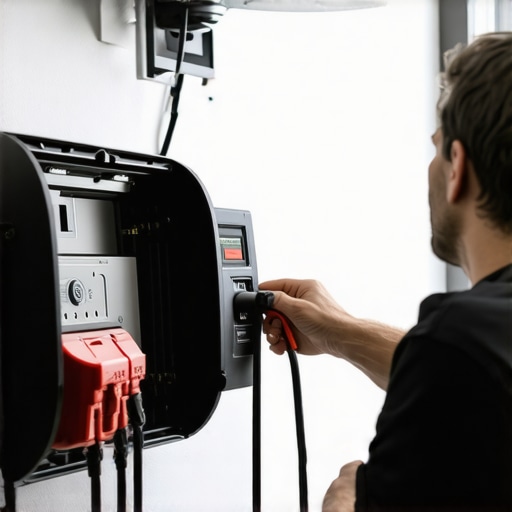
Ever had that sinking feeling when your EV charger or ceiling fan suddenly stops working just when you need it most? I remember the first time I faced a flickering ceiling fan that refused to turn on. At first, I thought it was just a minor glitch, but it turned out I was about to spend hours troubleshooting without a clear plan. That lightbulb moment taught me a lot about how crucial it is to have the right electrician tips at your fingertips. If you’ve ever been in that frustrating spot, you know what I mean. Today, I’m here to share some practical, no-nonsense advice that can save you time, money, and a lot of headache when dealing with these common electrical issues. Whether it’s your EV charger acting up or your ceiling fan refusing to cooperate, I’ve got you covered.
Why Fixing These Problems Quickly Matters More Than Ever
In our modern homes, electric systems are the backbone of comfort and convenience. An EV charger isn’t just an accessory; it’s a necessity for many of us embracing electric vehicles. Similarly, ceiling fans aren’t just for summer—they help regulate your home’s temperature year-round. When either of these stop working, it disrupts your routine and can even pose safety risks if left unresolved. The good news? With some straightforward troubleshooting strategies, you can often diagnose and fix these problems yourself—saving you a hefty service call. Plus, understanding the root causes helps prevent future headaches. According to a study by the National Electrical Contractors Association, improper troubleshooting is one of the most common reasons for electrical failures, but many of these issues are surprisingly simple to resolve once you know what to look for. That’s why I’m passionate about sharing these tips—so you’re not left in the dark when your home’s power system needs help.
Have you ever faced an issue where your EV charger or ceiling fan just refused to turn on, and you weren’t sure where to start? If so, you’re in good company. Many homeowners make the mistake early on of jumping straight to replacing parts without proper diagnosis. Trust me, I’ve been there. Early in my troubleshooting journey, I replaced a perfectly good circuit breaker only to realize a loose wire was the real culprit. Learning from that mistake, I now always follow a systematic approach, which you can see in detailed guides like this expert troubleshooting resource. Keep reading, because I’ll walk you through the exact steps I use to identify and fix common issues—so you can avoid costly errors and get your system back up and running fast.Start with a Visual Check
My first step when facing a malfunctioning EV charger or ceiling fan was always to perform a thorough visual inspection. I looked for obvious issues like loose wires, burnt smell, or broken parts. Once, I noticed a ceiling fan’s wire nut had come loose, causing intermittent operation. Tightening connections often restores functionality without further fuss. Remember, safety first—turn off the power at the breaker before inspecting. For a detailed guide, see this troubleshooting resource.
Many homeowners believe that fixing electrical issues with ceiling fans and EV chargers is straightforward, but this mindset can lead to costly mistakes. Let’s dig deeper into what most people get wrong about troubleshooting these systems, and why understanding the nuances can save you both time and money.
Why the Simplistic Approach Often Fails
One prevalent myth is that if your ceiling fan or EV charger isn’t working, the problem must be a blown fuse or a tripped breaker. While sometimes true, this is rarely the whole story. In my experience, many failures are caused by subtle wiring issues, loose connections, or outdated components that aren’t immediately visible. Relying solely on resetting breakers or replacing parts without proper diagnosis can mask underlying problems, leading to recurring failures. For a more detailed breakdown, check out this troubleshooting guide.
Are All Faults Easily Detectable with a Visual Inspection?
Another common misconception is that a quick visual check is enough to identify the root of the problem. While inspecting for obvious signs like burnt wires or loose connections is essential, many faults are hidden beneath the surface. For instance, corrosion in contacts or subtle damage to internal components can cause intermittent failures that a casual glance won’t catch. Advanced troubleshooting often requires a multimeter and an understanding of electrical schematics. Therefore, it’s wise to follow expert advice like this professional troubleshooting method.
Don’t Fall for the ‘Replace Everything’ Trap
Many homeowners fall into the trap of replacing entire units or major components at the first sign of trouble. This approach is not only expensive but often unnecessary. For example, a faulty capacitor might cause a ceiling fan to wobble or stop working, but replacing the entire fan isn’t always needed. Similarly, an EV charger might fail due to a loose wire connection rather than a defective unit. Learning to isolate the issue reduces costs and extends the life of your devices. For advanced tips on diagnosing issues, visit this expert resource.
Can You Handle Complex Electrical Problems Without a Pro?
Some believe that with enough online tutorials, they can fix even complex electrical problems themselves. While basic troubleshooting is manageable, advanced issues involving wiring, circuit boards, or safety devices should be left to professionals. Incorrect handling can lead to electrical hazards or further damage. Remember, safety first. If you’re ever unsure, consult a licensed electrician. For detailed guidance on when to call in the pros, see this expert advice. Have you ever fallen into this trap? Let me know in the comments.
Keeping your electric systems running smoothly over time is crucial to prevent unexpected failures and costly repairs. The right tools and systematic approaches can make a significant difference, especially when dealing with complex components like EV chargers and ceiling fans. One of my personal favorites is a high-quality multimeter, such as the Fluke 117. I rely on this device because of its precision, durability, and ease of use. It helps me quickly test voltage, continuity, and resistance, making troubleshooting faster and more accurate. When I first started, I used cheaper multimeters, but I found that they often gave false readings or lacked the sensitivity needed for delicate circuits. Investing in a reliable tool like the Fluke has saved me hours and prevented unnecessary part replacements.
Another essential piece of equipment is a good set of insulated screwdrivers. Proper insulation ensures safety when working with live circuits, and quality screwdrivers reduce the risk of damaging connectors or stripping screws. For routine inspections, I also use a flashlight with a focused beam to spot corrosion or hidden damage in wiring junctions. These small but vital tools form the backbone of my maintenance routine, allowing me to catch issues early before they escalate.
Beyond hardware, software and apps can also help maintain your electrical systems. Apps like this one provide detailed troubleshooting guides tailored to your specific devices. They often include step-by-step instructions, wiring diagrams, and safety tips, which are invaluable, especially for DIY enthusiasts. As technology advances, I predict a future where augmented reality (AR) glasses will become standard for electricians, overlaying schematics directly onto physical components. This will streamline diagnostics and maintenance even further.
How do I maintain EV chargers and ceiling fans over time?
Regular inspections are key. I recommend visually checking connections monthly, cleaning dust and debris, and tightening loose fittings. Using a multimeter periodically to test voltage and continuity ensures the system remains healthy. Also, keep firmware updated if your devices support smart controls—manufacturers often release updates that improve performance or fix bugs. For more detailed insights, you might want to explore this expert guide.
Scaling your maintenance efforts becomes straightforward once you establish a routine. As your home’s electrical needs grow, consider investing in a central monitoring system that can alert you to issues before they become serious. In the future, integrated home automation will likely handle predictive maintenance, analyzing data from various sensors to schedule repairs proactively. Starting now with reliable tools and consistent checks will prepare you for those advancements.
If you’re ready to take your maintenance to the next level, try calibrating your multimeter with a known voltage source to ensure accuracy. This small step can make a big difference in troubleshooting precision. Remember, investing in quality tools and staying consistent with maintenance will keep your EV chargers and ceiling fans functioning smoothly for years to come.
The Hardest Lesson I Learned About Troubleshooting Electrical Systems
Early in my career, I assumed that a quick visual inspection would reveal all issues. However, I learned the hard way that many faults hide beneath the surface, like corrosion or subtle wiring damage. This realization pushed me to deepen my diagnostic skills and invest in reliable testing tools, saving hours and money in the long run.
Three Myths About DIY Electrical Fixes That Could Cost You
One common misconception is that resetting a breaker fixes the root problem. Often, this masks underlying issues like loose connections. Another myth is that replacing entire units is always necessary; more often, isolating the faulty component is enough. Lastly, many believe that basic troubleshooting tools are sufficient—upgrading to a good multimeter makes a huge difference. For a comprehensive approach, check out this expert guide.
What Experts Won’t Tell You About Troubleshooting Electrical Failures
Most homeowners overlook the importance of understanding wiring schematics and the value of systematic testing. Jumping straight to part replacements without proper diagnosis can lead to recurring failures. Learning to read schematics and use tools like a multimeter properly can dramatically improve your troubleshooting success. For advanced tips, visit this trusted resource.
Curated Recommendations for Better Troubleshooting
- Fluke 117 Multimeter: This is my go-to tool for accurate voltage, resistance, and continuity tests. Its durability and ease of use make it indispensable.
- Insulated Screwdrivers: High-quality screwdrivers prevent damage and ensure safety when working on live circuits. I prefer brands with good insulation ratings.
- Wiring Schematics Apps: Apps like ElectroDroid help me quickly reference wiring diagrams, saving time and reducing errors during troubleshooting.
- Reliable Safety Gear: Proper gloves and safety glasses are essential. Staying safe allows me to focus on diagnosing issues effectively.
Take Action Now and Keep Your Systems Running Smoothly
Troubleshooting electrical issues like ceiling fan or EV charger failures can be rewarding when approached with the right mindset and tools. Regular maintenance and investing in quality equipment, such as calibrating your multimeter, will empower you to handle most problems confidently. Remember, safety always comes first—if you’re ever unsure, don’t hesitate to consult a professional. Your home’s electrical health depends on proactive care and continuous learning. Ready to take the next step? Share your troubleshooting stories below or ask questions—let’s keep the conversation flowing!
I really appreciate this detailed post on troubleshooting EV chargers and ceiling fans. I’ve experienced a few frustrating moments with my ceiling fan suddenly stopping mid-summer, and it turned out to be a loose wire inside the junction box after I took a closer look. The importance of visual inspections and using quality tools like a multimeter can’t be overstated. I’ve found that investing in good equipment, like a Fluke multimeter, has saved me so much time compared to using cheaper models, which often give false readings. Plus, having a routine maintenance check helps catch issues early before they become major problems. One thing I’m curious about—is there a recommended routine for testing these systems periodically to prevent unexpected outages? I would love to hear how others here keep their electrical systems running smoothly over the years. Sharing real-life tips can really help us all avoid costly repairs and stay safe.