
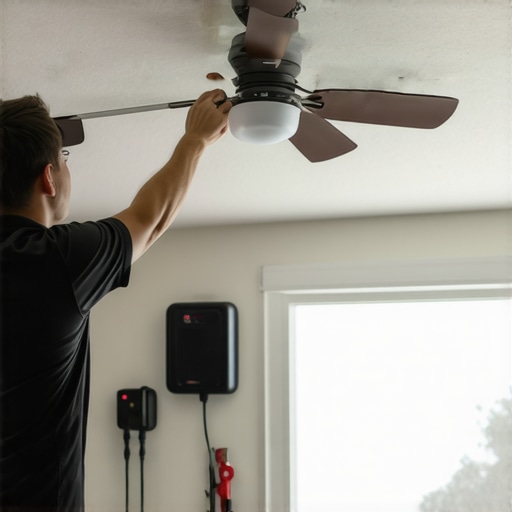
Ever experienced that sinking feeling when your ceiling fan refuses to turn on just when you need cool air the most? Or worse, your new EV charger suddenly stops working right before your long-awaited road trip? I’ve been there, and let me tell you, it’s frustrating. I once spent hours trying to fix a ceiling fan that was flickering, only to realize I missed a simple wire connection. That mistake cost me time and sweat, but I learned a lot in the process. Today, I want to share how you can avoid those headaches and get your home’s essential electrical devices back in action quickly and reliably.
Why Fixing Ceiling Fans and EV Chargers Should Be a Top Priority
In our homes, ceiling fans and EV chargers aren’t just luxuries—they’re essentials. A working fan keeps us comfortable, especially during those hot summer days. Meanwhile, EV chargers are a must-have for anyone embracing electric vehicles, saving time and money while helping the environment. But when these systems malfunction, it’s more than just an inconvenience; it’s a disruption to our daily routine and comfort. That’s why trusted electrician advice and quick troubleshooting tips are invaluable. According to a recent study, electrical issues are among the top reasons for home emergencies, and most can be fixed with proper knowledge and timely intervention. Don’t let small problems turn into costly repairs—understanding the basics can save you a lot of stress.
Is DIY Fixing Worth the Risk or Should You Call in the Pros?
I remember trying to troubleshoot my ceiling fan on my own early on, thinking I could save some bucks. Big mistake. I ended up causing a short circuit that took more than a simple replacement to fix. That’s why I recommend trusting the experts—especially when it comes to complex systems like EV chargers and ceiling fans. Proper troubleshooting and repairs require specific tools and knowledge, which trusted electricians provide. If you’re unsure about your skills, it’s better to consult professional guidance. For reliable solutions, I always recommend checking out top electrician solutions that ensure safety and durability.
In the next sections, I’ll walk you through common issues and how trusted electricians approach fixing these problems efficiently—so you can get back to enjoying your home without worry. Ready to become a troubleshooting pro? Let’s dive in!
Check Your Power Supply First
When your ceiling fan or EV charger stops working, the first step is to verify if they are receiving power. Head to your breaker panel and look for tripped switches or blown fuses. If you find any, reset or replace them. I recall a time when my EV charger suddenly turned off, only to realize a tripped breaker was the culprit. Resetting it restored power instantly. If the breaker trips again, that indicates a deeper wiring issue that should be handled by a professional. For quick guidance, trusted electricians recommend always starting with this simple check before delving into more complex troubleshooting.
Inspect Connections and Switches Carefully
Loose or faulty connections are common causes of electrical failures. Turn off the power before inspecting the wiring inside your fan or charger. Use a screwdriver to remove the cover and check all wire nuts and terminal screws. I once found a loose wire in my ceiling fan’s switch, causing intermittent operation. Tightening it fixed the problem. Remember, a loose connection can cause flickering or complete shutdown. If you’re unsure, consult an electrician. For detailed wiring diagrams and tips, visit trusted electrician solutions.
Test Components with a Multimeter
Using a multimeter helps identify faulty parts. Set it to measure voltage and check if your outlet supplies the correct voltage—usually 120V or 240V depending on your system. For the fan, test the switch and capacitor; for the charger, check internal fuses and circuit boards. I remember replacing a blown fuse in my EV charger after testing it with a multimeter, which saved me a costly service call. If readings are inconsistent or zero, component replacement is necessary. Electricians emphasize this step as a reliable way to pinpoint the root cause without guesswork. For more detailed testing procedures, see expert electrician troubleshooting.
Inspect and Replace Faulty Parts
If testing reveals a defective capacitor, fuse, or switch, replace it with an identical part. Always turn off the power before replacing components. For example, I recently replaced a capacitor in my ceiling fan, which resolved the flickering issue. Take note of the part number and specifications to ensure compatibility. When dealing with high-voltage components in EV chargers, consider calling a professional—these can be dangerous to work on without proper training. Reliable electricians stress safety and precision, especially with complex systems. For reliable parts and replacement tips, visit best electrician guidance.
Test and Reset the System
After replacing faulty parts, restore power and test the device. Turn on the breaker, switch on the fan or plug in the EV charger, and observe behavior. If it works correctly, you’re done. If not, repeat the inspection process or consider professional help. I once had to call an electrician after my troubleshooting efforts failed. They quickly identified a hidden wiring fault I missed. Their expertise saved me from risking further damage. For quick, effective fixes, consult electrician troubleshooting tips.
When to Call a Professional
If these steps don’t resolve the issue, or if you identify damaged wiring, burnt components, or repeated breaker trips, it’s time to call in a licensed electrician. Handling high-voltage systems or complex wiring without proper training can be dangerous. Remember, safety always comes first. For trusted, reliable solutions, visit top electrician solutions to find local experts who can fix your issues quickly and safely.
Many homeowners believe they have a good grasp of fixing ceiling fans and EV chargers, but in reality, there are subtle nuances and common myths that can lead to costly mistakes. Let’s dig deeper into what most people get wrong and how understanding these details can make your repairs safer and more effective.
Why the Biggest Myths About DIY Repairs Can Backfire
One prevalent myth is that replacing a fuse or tightening a loose wire is enough to fix all electrical issues. While these steps are often part of troubleshooting, they can mask underlying problems like faulty circuit boards or incompatible components. For example, relying solely on replacing fuses without testing internal circuits might leave you with an unsafe setup that risks future failures or safety hazards. Trusted electricians emphasize that superficial fixes often ignore root causes, leading to repeated failures. For comprehensive solutions, it’s better to follow professional advice, such as those found at top electrician solutions.
Common Trap: Overlooking Advanced Electrical Design
Many assume that a standard wiring diagram is enough to troubleshoot complex devices. But modern ceiling fans and EV chargers often incorporate smart controls, variable speed motors, or integrated safety features that complicate troubleshooting. Missing these nuances can cause you to replace parts unnecessarily or misdiagnose issues. For example, a faulty capacitor might seem like the culprit, but in reality, a malfunctioning control module or software glitch could be at fault. Recognizing these advanced design elements helps in avoiding unnecessary repairs and ensures the problem is addressed correctly. For an expert approach to these complexities, check out reliable electrician solutions.
Why You Should Never Ignore Safety Protocols
Here’s the oops factor—many DIYers skip safety precautions, thinking a little electric shock isn’t dangerous. But high-voltage systems in EV chargers and ceiling fans can cause serious injury or fires if mishandled. An advanced mistake is failing to properly discharge capacitors before working on them, which can lead to unexpected shocks. Moreover, improper grounding or bypassing safety features might seem to work temporarily but significantly increase risks. Always use insulated tools, turn off power at the breaker, and verify with a multimeter that circuits are de-energized. Remember, trusting professional guidance from trusted electricians can prevent these dangerous pitfalls.
Are There Hidden Signs of Bigger Problems?
One question advanced homeowners ask is whether minor issues like flickering lights or occasional shutdowns hint at bigger problems. The truth is, these symptoms often indicate wiring issues, aging components, or even electrical surges. Overlooking these signs can lead to system failures or damage to your device. For instance, recurring tripped breakers might seem trivial but could point to overloaded circuits or faulty wiring that needs a professional inspection. Recognizing these hidden signs ensures long-term safety and reliability; for detailed insights, visit expert troubleshooting tips.
Have you ever fallen into this trap? Let me know in the comments. Remember, understanding these nuances helps you avoid costly repairs and keeps your home safe. When in doubt, consulting with licensed electricians is always the smartest move—your safety and peace of mind depend on it.
Investing in the Right Tools Pays Off
Maintaining ceiling fans and EV chargers over time requires more than just a basic screwdriver. I personally rely on a high-quality digital multimeter, such as the Fluke 115, which provides precise voltage and continuity readings. This tool has become indispensable in my toolkit because it helps me quickly identify whether a circuit is energized or if a component like a capacitor or fuse is functioning correctly. For more complex diagnostics, I also use an infrared thermometer to detect overheating components, which can be a sign of impending failure. These tools enable me to catch issues early before they escalate into costly repairs, saving both time and money.
Streamlining Maintenance with Software Solutions
Beyond hardware, I’ve started integrating software solutions to keep track of maintenance schedules and troubleshooting logs. Apps like Home Maintenance Tracker allow me to log repairs, set reminders for periodic checks, and store wiring diagrams digitally. This approach helps ensure that I don’t overlook routine inspections and can reference detailed wiring schematics when needed. As smart home technology advances, I predict that future systems will automatically alert homeowners about potential issues, reducing the need for manual checks. Staying ahead with these digital tools makes maintaining your electrical systems more efficient and less stressful.
How do I keep my systems working long-term?
Regular inspections are key. I recommend checking connections and cleaning components at least once a year. For ceiling fans, ensure blades are balanced and that the motor isn’t overheating. For EV chargers, inspect the wiring and terminal connections for corrosion or looseness. Also, replace worn-out parts like capacitors or fuses proactively, rather than waiting for failure. When in doubt, consulting a trusted electrician for a thorough inspection can prevent surprises. For expert advice on ongoing maintenance, I suggest reviewing top electrician solutions that focus on long-term reliability.
Scaling Your Maintenance Efforts
If you’re managing multiple systems or upgrading your home’s electrical infrastructure, consider investing in advanced diagnostic tools like a clamp meter for quick current measurements or a circuit analyzer to identify wiring issues efficiently. These tools help scale your maintenance efforts without needing to call in an electrician for every small problem. As technology evolves, I foresee DIY enthusiasts having access to increasingly sophisticated yet user-friendly devices that make troubleshooting more accurate and less time-consuming. Embracing these tools now positions you well for future upgrades and smoother system operation.
Don’t forget, consistent maintenance is the best way to keep your ceiling fans and EV chargers working flawlessly for years to come. Try implementing a regular checkup routine with the tools I’ve recommended, and you’ll reduce downtime and extend the lifespan of your devices. Want to master troubleshooting even further? Dive into expert electrician advice for advanced tips and strategies.
Lessons No One Tells You About Troubleshooting
One of the biggest lessons I learned is that patience and systematic checks are your best friends. Rushing into repairs can cause more damage or lead to dangerous situations. For example, I once assumed a faulty switch was the problem, only to discover a hidden wiring fault that needed professional attention. Taking my time helped me avoid costly mistakes.
Another insight is that understanding your system’s wiring and components makes DIY repairs safer and more effective. Reading wiring diagrams and learning component functions, like capacitors and fuses, gave me confidence. However, I realized when in doubt, consulting a trusted electrician saves money and ensures safety.
Lastly, I found that investing in good diagnostic tools, such as a multimeter and thermal camera, drastically improves troubleshooting accuracy. These tools help pinpoint issues quickly, preventing unnecessary part replacements and reducing repair times.
Tools and Resources That Transformed My Approach
My go-to resource is top electrician solutions. They offer reliable guidance tailored for modern home systems, helping me navigate complex repairs confidently.
I swear by the Fluke 115 multimeter for accurate voltage and continuity testing. It’s durable, easy to use, and essential for safe troubleshooting. For detailed wiring schematics, I rely on digital apps that store my home’s electrical diagrams, making repairs more organized.
For learning from experts, I recommend reliable electrician troubleshooting. They break down complex issues into simple steps, perfect for DIY enthusiasts aiming for safe, lasting fixes.
Your Next Step in Electrical Confidence
Now that you know these insider lessons and have trusted resources, it’s time to take action. Regular checks and proper tools can keep your ceiling fans and EV chargers running smoothly for years. Remember, safety first and don’t hesitate to seek professional help when needed. Your home’s electrical health depends on it.
What’s the biggest electrical repair challenge you’ve faced? Share your story below—I’d love to hear it!