
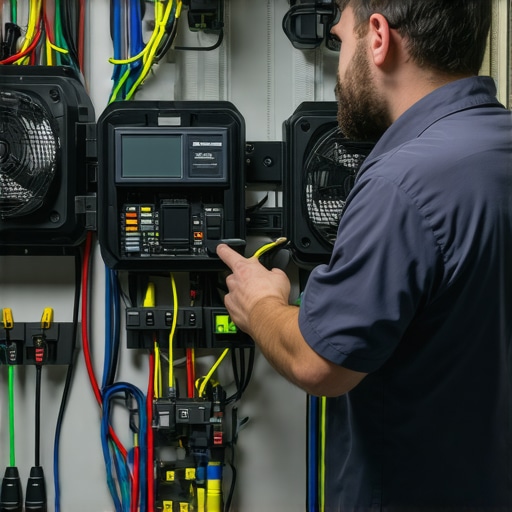
Ever had that sinking feeling when your EV charger suddenly stops working right before you hop into your car? Or worse, your ceiling fan refuses to spin on a scorching day? I’ve been there. One moment, everything’s humming along smoothly, and the next, I’m scratching my head, trying to figure out what went wrong. It’s frustrating, right? But let me tell you, over the years, I’ve picked up some game-changing electrician tips that make troubleshooting these issues far less stressful.
Why Troubleshooting Electric Fans and EV Chargers Matters More Than Ever
In 2024, our homes are more connected and tech-dependent than ever. Electric vehicle adoption is booming, and reliable EV charging stations are no longer a luxury—they’re a necessity. The same goes for ceiling fans, which are essential for comfort, especially during heatwaves. When these systems fail, it’s not just an inconvenience; it can throw off your entire day. Understanding the root causes and quick fixes can save you time, money, and a whole lot of frustration.
Early in my career, I made a classic mistake: rushing into repairs without proper diagnosis. I replaced parts blindly, only to find out later that the real issue was a simple loose connection or a faulty breaker. Trust me, a little knowledge and patience go a long way. For comprehensive tips, I recommend checking out this expert guide. It’s packed with insights to help you troubleshoot like a pro.
Is DIY Troubleshooting Worth the Risk?
Now, I know some of you might be skeptical—”Should I really get into electrical troubleshooting myself?” Believe me, I’ve been there. My first mistake was attempting to fix a faulty EV charger without turning off the power. It was a risky move, and I learned the hard way. The key is knowing your limits and when to call in a professional. For safety’s sake, always turn off the circuit before inspecting or repairing. If you’re unsure, consult a trusted electrician or read through reliable resources like this trusted guide.
So, if you’re tired of being left in the dark (literally and figuratively), keep reading. I’ll walk you through proven methods to troubleshoot your EV chargers and ceiling fans efficiently. Ready to become your own handyman with confidence? Let’s dive into the practical steps that will help you solve those pesky electrical issues once and for all.
Start with Safety First
Before diving into any troubleshooting, ensure the power to the device is turned off at the breaker box. I learned this lesson the hard way when I tried to inspect my ceiling fan without shutting off the circuit—luckily, I didn’t get shocked, but it was a wake-up call. Always flip the switch, confirm no current is flowing with a multimeter, and wear insulated gloves if possible.
Check Connections Like a Detective
Loose wiring is one of the most common culprits. I once found a loose wire on my EV charger’s terminal block that caused intermittent charging issues. To diagnose this, carefully remove the cover, then gently tug on wires to see if they move. Tighten any loose screws or clamps, and look for corrosion or burn marks, which indicate overheating. Think of it as tightening the bolts on a bike — secure and snug.
Test the Breakers and GFCIs
Sometimes, the breaker trips or a GFCI outlet fails, cutting power to your device. Use a multimeter or a simple outlet tester to verify power at the outlet. If the breaker feels warm or trips repeatedly, it’s time to replace it. Remember, a faulty breaker can mimic other issues, so don’t overlook this step. I replaced a breaker on my EV charging station that kept tripping, and that fixed the problem immediately.
Inspect for Faulty Components
Faulty capacitors, relays, or switches can cause your fan or charger to malfunction. If you’re comfortable with electronics, visually inspect these parts for bulging or burnt areas. For fans, listen for humming noises that suggest a failing motor. I once replaced a capacitor on my ceiling fan, which restored its smooth operation. If you’re unsure, check this guide for detailed component testing.
Use a Multimeter for Precise Diagnosis
A multimeter is your best friend. Set it to measure voltage and current. For EV chargers, verify that the outlet provides the correct voltage (typically 240V in North America). For fans, check the voltage at the switch and motor terminals. In my case, I measured a lower than expected voltage at the fan’s motor, indicating wiring issues upstream. Proper measurement can pinpoint exactly where the problem lies.
Look for External Causes
Sometimes, external factors like power surges or water damage are the cause. I had a ceiling fan stop working after a storm — water had seeped into the switch box. Inspect the area for moisture, corrosion, or rodent damage. If the device is old, consider replacing it entirely instead of patching old parts.
Know When to Call a Professional
If, after these steps, your problem persists or if you feel uncomfortable performing any checks, it’s safest to contact a licensed electrician. Electrical issues can be dangerous, and professional electricians have the experience to diagnose complex problems quickly. For more advanced troubleshooting, check this trusted guide.
Armed with these practical techniques, you’ll be better equipped to fix your EV charger or ceiling fan swiftly. Remember, patience and safety are your best tools. Happy troubleshooting!
Many DIY enthusiasts and even seasoned homeowners fall into traps when troubleshooting electric fans and EV chargers. One of the most widespread misconceptions is that simply replacing parts or resetting breakers will always fix the problem. However, this approach often overlooks the underlying issues that cause failures in the first place. For example, a faulty wiring connection or an internal component like a capacitor can cause intermittent operation, and these problems require a nuanced diagnosis rather than a quick swap.
Another common myth is assuming that all problems are electrical in nature. Sometimes, external factors such as water damage, pests, or environmental conditions play a significant role. I’ve seen ceiling fans stop working after storms because water seeped into the switch box, or EV chargers malfunction due to power surges. Recognizing external influences is essential for a thorough troubleshooting process.
Let’s dig deeper into one of the most overlooked nuances—how the quality of your wiring impacts longevity and safety. Many people focus on components like switches or motors but neglect that loose or corroded wiring often causes the real problems. Gently tugging on wires (after turning off the power) can reveal hidden issues that won’t be fixed with a new switch. Properly tightening connections and inspecting for corrosion can prevent future failures and even fire hazards.
What Advanced Troubleshooting Techniques Should I Know as a Homeowner?
For those comfortable with electronics, using a multimeter to measure voltage and continuity is crucial. But beyond basic checks, understanding how to interpret these measurements in context is a skill. For example, if your EV charger’s outlet shows the correct voltage but your charger still doesn’t work, the issue might be in the internal wiring or the device’s internal circuitry. Consulting trusted resources like this guide can help you interpret complex readings properly.
One trap to avoid is assuming that a reset or a simple fix solves the root cause. Persistent issues often indicate deeper problems, such as faulty relays, burned-out capacitors, or damaged internal wiring. Overlooking these leads to repeated failures and increased costs. Remember, safety first: Always turn off the power and use insulated tools when inspecting or repairing electrical devices.
Have you ever fallen into this trap? Let me know in the comments. Mastering these nuances can save you time, money, and even prevent accidents. The key is patience and a willingness to learn the subtle signs that point to the real problem.
For comprehensive troubleshooting strategies, I recommend exploring this expert guide. It’s packed with insights to elevate your DIY game and ensure your home’s electrical systems stay safe and reliable.
Invest in Quality Testing Equipment
One tool I rely on daily is a high-quality multimeter, like the Fluke 117. It provides precise voltage and continuity readings, which are crucial for diagnosing issues without guesswork. I prefer Fluke because of its durability and accuracy, making it a reliable companion whether I’m testing a faulty capacitor or verifying wiring integrity. Using a multimeter allows me to quickly identify if a circuit is live or if a component is malfunctioning, saving me time and reducing safety risks.
Regular Visual Inspections Pay Off
Routine checks of your wiring connections, switches, and breaker panels can prevent unexpected failures. I schedule monthly inspections, focusing on signs of corrosion, loose wires, or burn marks. An LED flashlight helps me see into dark, hard-to-reach areas, and a small mirror allows me to inspect behind switches or in tight spaces. These simple tools help catch issues early before they escalate into costly repairs or safety hazards.
Use Diagnostic Software When Applicable
For modern EV chargers, I recommend using manufacturer-specific diagnostic apps or software. These tools can analyze internal system logs and provide real-time data on performance and fault codes. For example, some chargers connect via Wi-Fi or Bluetooth to dedicated apps, offering insights that manual testing might miss. Regularly updating this software ensures you have the latest troubleshooting capabilities, which is especially valuable as technology evolves rapidly.
Maintain Your Equipment for Longevity
Proper storage and cleaning extend the lifespan of your tools. After each use, I wipe down my multimeter and connectors with a dry cloth to prevent dust buildup. Storing tools in a dedicated toolbox with silica gel packs keeps moisture out, protecting sensitive electronics. Additionally, periodically calibrating your multimeter (or having it professionally calibrated) ensures continued accuracy, which is vital for safety-critical diagnostics.
Plan for Future Trends in Maintenance
As smart home technology advances, integrating IoT-enabled diagnostic devices will become common. These devices can monitor electrical systems continuously and alert you to potential issues before failure occurs. I predict a future where maintenance becomes more predictive and less reactive, reducing downtime and repair costs. Staying updated with the latest tools and techniques will be essential for homeowners and professionals alike.
How do I keep my systems in top shape over time?
Regular inspections combined with using precise diagnostic tools, such as multimeters and diagnostic software, form the backbone of effective maintenance. Don’t forget to keep your tools clean, calibrated, and stored properly. Also, stay informed about new technological developments, like IoT sensors, which can provide early warnings of issues and help you plan maintenance proactively. These practices not only extend the lifespan of your devices but also enhance safety and performance. For expert advice on troubleshooting and maintenance, explore this comprehensive guide. Now, try out a multimeter check on your system today — it’s a simple step that can prevent big problems tomorrow!
The Hardest Lessons I Learned About Troubleshooting Home Electrical Systems
One of the toughest lessons I learned was that rushing into repairs without proper diagnosis often costs more time and money. I once replaced a seemingly faulty capacitor on my ceiling fan, only to find out later that a loose wiring connection was the real culprit. Patience and thorough inspection save headaches in the long run.
Warnings Electricians Won’t Always Share About DIY Fixes
There’s a common misconception that all electrical problems can be fixed with a simple reset or part replacement. I used to believe that too, but I quickly realized that external factors like water damage or environmental stress often cause issues that look electrical. Recognizing these external influences is key to effective troubleshooting.
Why Reliable Wiring Might Be Your Best Investment
Loose or corroded wiring is a silent killer of electrical components. I learned to gently tug on wires after turning off the power—if they move, they need tightening. Investing time in proper wiring checks prevents future failures and keeps your home safer.
Tools That Changed My Troubleshooting Game
A high-quality multimeter like the Fluke 117 has become my go-to tool. It provides precise voltage and continuity readings, helping me diagnose issues accurately. Using the right tools reduces guesswork and enhances safety during repairs.
Where to Go from Here for Better Home Electrical Care
If you’re serious about maintaining your electrical systems, consider exploring comprehensive resources like this expert guide. It offers in-depth insights that can elevate your DIY troubleshooting skills.
Don’t Be Afraid to Start Fixing Your Electrical Problems Today
With a mix of patience, the right tools, and knowledge, you can tackle many common issues with your EV charger or ceiling fan. Remember, safety always comes first. Your home’s electrical health is worth the effort—start today and keep your systems running smoothly!
Reading this post really resonated with me, especially the part about checking wiring connections. I once had an issue with my ceiling fan where it suddenly stopped working on a hot day. Turns out, a loose wire was the culprit, and tightening it solved the problem. It just goes to show how small details can make a huge difference in troubleshooting. Using a multimeter to verify voltage is something I’ve found super helpful as well. Have others noticed that external factors like water or pests often cause problems even when the wiring seems fine? I think that these external influences are sometimes overlooked, leading to unnecessary repairs or replacements. It makes me wonder, what’s your biggest lesson learned when diagnosing electrical issues at home? I’m always eager to hear different approaches or tips to avoid common pitfalls. Staying patient and methodical is key, but having a solid troubleshooting process can save a lot of frustration.
This post really hits home for me, especially the emphasis on safety and proper diagnosis. I recall a time when I tried to troubleshoot my ceiling fan after a storm, and water damage was the hidden issue rather than just wiring. It made me realize external factors are often overlooked because we tend to focus only on internal components. A good visual inspection combined with checking for moisture and corrosion saved me a lot of hassle and potential hazards. I’ve learned that sometimes, the simplest signs—like discoloration or rust—point to deeper problems that can’t be fixed with just a quick part swap.
I’m curious, how many others have experienced external issues like water or pests impacting their electrical systems? And what measures do you take to prevent these external influences from causing ongoing problems? In my case, sealing switches and conduits proactively was a game-changer. Also, using a multimeter regularly for routine checks can catch these external or internal faults early, which is something I highly recommend. It’s about being attentive to those small details that might otherwise be dismissed. What’s the most unexpected external cause you’ve encountered when troubleshooting?