
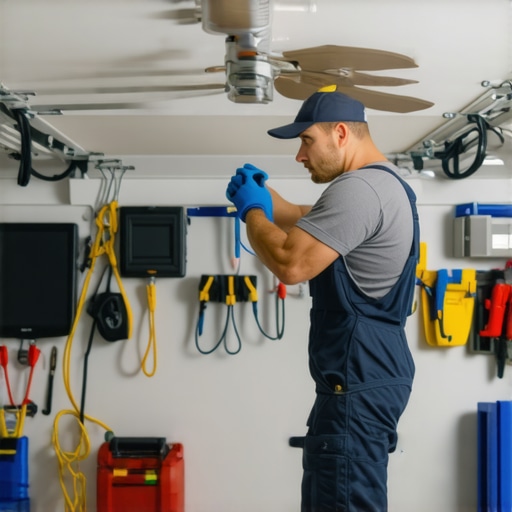
Ever been in a rush, flipping a switch and realizing your ceiling fan won’t spin or your EV charger remains dead? I’ve been there. That frustrating moment when your home’s comfort depends on a simple fix, but the clock is ticking. Years ago, I learned the hard way that ignoring these issues can turn a small inconvenience into a costly, dangerous nightmare. And the truth is, with a little know-how and the right professional help, those problems can be sorted out quickly — often the same day.
Why Speed Matters When Fixing Ceiling Fans and EV Chargers
In today’s fast-paced world, waiting around for repairs isn’t just inconvenient—it can impact your daily routine, your safety, and even your wallet. A malfunctioning ceiling fan not only leaves you sweltering but can also pose electrical risks if left unchecked. Similarly, a faulty EV charger can leave your electric vehicle stranded, especially when you need it most. That’s why I always advocate for fast, reliable solutions. When you need a home electrician today, it’s about getting back to comfort without the fuss.
Is Fast Fixing Actually Worth the Hype
Early in my DIY days, I tried to troubleshoot my own EV charger with little more than a YouTube tutorial. Big mistake. I ended up making a costly error that could’ve been avoided. The lesson? Some fixes are best left to the professionals. But what matters most is knowing how to find a trustworthy electrician who can deliver quick, effective repairs. You don’t want to waste time chasing the wrong advice or waiting days for an appointment. Fortunately, many local experts offer same-day service that guarantees safety and peace of mind. If you’re curious about how to identify reliable electricians, I recommend checking out [this comprehensive guide](https://proelectricalco.com/reliable-home-electrician-guide-to-fix-ev-chargers-ceiling-fans-fast-in-2024). It’s packed with tips from seasoned pros who know their stuff.
So, have you faced a sudden ceiling fan breakdown or struggled with your EV charger unexpectedly? If so, you’re not alone. Stay with me as I walk you through proven strategies to get those issues fixed fast—saving you time, money, and a lot of stress.
Assess the Problem Clearly
Start by inspecting the ceiling fan or EV charger to identify obvious issues like loose wires, burnt components, or tripped circuit breakers. For example, I once found my ceiling fan’s remote receiver disconnected, causing it not to respond. Carefully check connections before proceeding. Use a voltage tester to ensure power is reaching the device. Remember, safety first—turn off the main power before handling electrical parts.
Gather the Right Tools and Resources
Equip yourself with a multimeter, screwdrivers, wire strippers, and safety gloves. Consult trusted guides like this troubleshooting guide for EV chargers or reliable solutions for ceiling fans. Having these ready helps you diagnose and fix common issues swiftly.
Check Circuit Breakers and Fuses
Often, the problem stems from a tripped breaker or blown fuse. Reset the breaker or replace the fuse if needed. I once had an EV charger stop working because a circuit breaker tripped due to overload. Resetting it restored power immediately, saving me a costly call-out. Always verify that the breaker is functioning correctly to prevent recurring issues.
Test and Replace Faulty Components
Use your multimeter to test continuity on switches, relays, and wiring. For ceiling fans, inspect the capacitor; for EV chargers, check the contactor and power modules. I replaced a faulty capacitor in my fan, which instantly restored smooth operation. For complex parts, consider consulting an electrician—don’t attempt dangerous repairs alone. Check out expert electrician tips for guidance.
Ensure Proper Connections and Grounding
Loose or poor connections cause intermittent failures. Tighten all wire nuts and terminals securely. Also, verify grounding to prevent electrical shocks or damage. For instance, I once found a loose wire in my ceiling fan’s junction box, which caused flickering; fixing it stabilized the fan immediately. Proper grounding is critical for safety and compliance.
Test the Device Post-Repair
Restore power and test the fan or charger thoroughly. Ensure it operates as intended without tripping breakers or showing error codes. I always test for at least 10 minutes to confirm stability. If issues persist, revisit your diagnostics or seek professional help. Remember, quick fixes are beneficial, but safety and thoroughness come first.
Know When to Call a Professional
If troubleshooting reveals complex problems or if you’re uncomfortable with electrical work, don’t hesitate to contact a licensed electrician. They have the tools and expertise for a safe, fast repair. Check out top electrician solutions to find trusted local pros. A professional repair ensures your safety and peace of mind.
Many homeowners approach ceiling fan and EV charger repairs with good intentions but often fall prey to misconceptions that can lead to bigger issues. Let’s dig deeper into what most people get wrong and uncover some advanced nuances that can make your troubleshooting more effective.
Why Following the Crowd Can Backfire
It’s tempting to trust popular advice, but in my experience, relying solely on generic tips can be a trap. For example, many believe that simply resetting a breaker is enough to fix a faulty EV charger. While this works in some cases, it can mask underlying problems like wiring issues or faulty contactors that require professional attention. Always remember that complex electrical components may need specialized diagnostic tools—something DIY guides rarely cover comprehensively. For nuanced insights, check out expert electrician tips.
The Oops Factor: Overlooking Grounding and Safety
One common mistake I see is homeowners neglecting grounding checks after a repair attempt. Proper grounding isn’t just code; it’s a critical safety feature. An overlooked ground connection can cause intermittent failures or, worse, electric shocks. For instance, I encountered a ceiling fan that kept flickering—turns out, the grounding wire was loose. Ensuring all connections are tight and correctly grounded can prevent repeated failures and protect your home. Don’t underestimate the importance of this step, especially when dealing with high-power devices like EV chargers. For detailed grounding advice, visit home electrician secrets.
Advanced Diagnostics Are Your Friend
Many think that replacing a bad component is enough—yet, the real skill lies in diagnosing the root cause. Using a multimeter properly to test continuity, voltage, and resistance can reveal hidden faults. For example, a faulty capacitor might seem like the culprit in a ceiling fan, but a thorough voltage check may show a damaged switch or wiring issue upstream. This layered approach prevents unnecessary replacements and ensures a long-lasting fix. For sophisticated troubleshooting techniques, explore electrician troubleshooting tips.
Have you ever fallen into this trap? Let me know in the comments. Remember, quick fixes are great, but understanding these nuances can save you time, money, and safety headaches in the long run.
Keeping your ceiling fans and EV chargers running smoothly over time requires more than just quick fixes; it demands proper maintenance and the right tools. As an experienced home electrician, I’ve found that using specific equipment and adopting regular check-up routines can significantly extend the lifespan of these devices, saving you money and hassle in the long run.
Invest in Quality Diagnostic Tools
One of my go-to investments is a reliable digital multimeter. I personally prefer models like the Fluke 117 because of their precision, durability, and ease of use. I use it not just for testing voltage and continuity but also for diagnosing subtle issues like fluctuating power levels or faulty wiring. This helps me pinpoint problems quickly without unnecessary disassembly.
Additionally, a circuit tester with a GFCI tester function is invaluable for ensuring proper grounding and safety compliance. Regularly testing your outlets and connections prevents potential hazards before they escalate into costly repairs.
Maintain Your Equipment with Routine Checks
Set a schedule to inspect your ceiling fans and chargers at least twice a year. Check for loose connections, corrosion, and signs of wear. For ceiling fans, I recommend inspecting the mounting brackets and blades for wobbling, which can indicate imbalanced blades or loose screws. For EV chargers, verify the integrity of power cables and ensure the charging station is securely grounded.
Cleaning dust and debris from the fan motor and charger vents also prevents overheating. Use a soft brush or compressed air to clear out any buildup that might impede cooling or cause electrical issues.
Upgrade Components When Necessary
Over time, capacitors in ceiling fans or contactors in EV chargers can degrade. Replacing these components proactively prevents unexpected failures. I always keep spare capacitors rated for your specific fan model and contactor modules compatible with your charger’s voltage requirements. Refer to the original manufacturer specifications to select the right replacements—this ensures compatibility and safety.
For complex repairs, consulting trusted guides like this troubleshooting guide can help you identify the correct parts and procedures. Remember, some fixes are best handled by professionals, especially when dealing with high-voltage systems.
Plan for Future Upgrades and Scaling
As technology advances, newer, more efficient models of ceiling fans and EV chargers become available. Investing in smart, energy-efficient devices not only reduces your utility bills but also simplifies maintenance through built-in diagnostics and remote monitoring. Keep abreast of the latest trends and consider upgrading your system when it makes financial and safety sense.
Looking ahead, I predict that IoT-enabled devices will dominate this space, offering real-time performance data and predictive maintenance alerts. Embracing these innovations now can prepare your home for smoother operation and easier troubleshooting down the line.
How do I maintain ceiling fans and EV chargers over time?
Establishing a regular maintenance schedule, using precise diagnostic tools, and staying informed about new technology are key to keeping your devices in top shape. Don’t forget to document your inspections and repairs; this record helps identify recurring issues and plan preventive measures effectively.
Try integrating a multimeter check into your biannual routine or set reminders to clean vents and inspect connections. These small steps significantly improve device longevity and safety. For more detailed advice, explore this comprehensive guide and keep your home running efficiently.
The Hardest Lesson I Learned About Fast Electrical Repairs
One of the most valuable lessons I’ve picked up is that rushing into repairs without proper diagnostics can lead to bigger problems. I once attempted to fix my EV charger based on a quick online tip, only to realize I had overlooked a simple grounding issue. Taking the time to properly assess the root cause saved me from costly replacements later. Patience and thoroughness are essential, especially when dealing with high-voltage devices like EV chargers and ceiling fans.
My Essential Toolkit for Home Electrical Troubleshooting
Over the years, I’ve curated a set of reliable tools that help me tackle most issues swiftly. A high-quality multimeter, like the Fluke 117, provides precise readings that can identify wiring faults or faulty components. I also keep a GFCI tester handy to verify proper grounding, which is crucial for safety. These tools have become indispensable for quick diagnostics and effective repairs, ensuring I can address problems confidently and safely.
Don’t Let Fear Hold You Back from Fixing Electrical Issues
It’s natural to feel apprehensive about working with electricity, but embracing a proactive approach can save you time and money. Remember, safety comes first—always turn off power before inspecting or replacing parts. With the right tools and knowledge, you can handle many common problems yourself. If the issue seems complex or dangerous, don’t hesitate to call a professional—better safe than sorry. Stepping up to maintenance tasks empowers you to keep your home running smoothly and confidently.
Reading this post really resonated with me—especially the part about the importance of proper diagnostics before jumping into repairs. I once tried to fix my ceiling fan myself after watching a quick YouTube tutorial, only to worsen the issue because I didn’t check the capacitor or grounding thoroughly. Now I see that patience and the right tools can save a lot of headache and money. One thing I’ve learned is that investing in a good multimeter like the Fluke 117 has been a game-changer for me, as it helps identify issues without unnecessary guesswork. I wonder, when it comes to upgrading older ceiling fans or EV chargers, do you recommend any specific models that are more reliable or easier to maintain? Also, how often should homeowners conduct routine inspections to catch potential problems early? I’d be interested to hear other practical tips from the community on maintaining these systems efficiently.
This post really hits home for me. I’ve learned that when it comes to ceiling fans and EV chargers, rushing a fix often leads to bigger problems down the line. Like many, I started with DIY solutions, but I quickly realized that some issues, especially dealing with older wiring or complex components, are better left to professionals. Having a reliable multimeter has made a huge difference; I use it to diagnose potential faults before attempting any repair. I also schedule biannual inspections to catch any minor issues early—loose wiring, corrosion, or worn-out parts—so they don’t turn into costly repairs later. One question I have is about the longevity of different models of ceiling fans or EV chargers. Do certain brands or features tend to require less maintenance or last longer? It would be great to hear from others about their experiences with reliable, easy-to-maintain systems as we all want to be proactive rather than reactive with our home electricals.
I really connected with this post, especially the part about the importance of proper diagnostics—the old ‘trial and error’ approach can really backfire. I learned that the hard way when I tried to fix my ceiling fan, and ended up making things worse because I overlooked simple issues like loose wiring and a faulty capacitor. Now, I always ensure I have a quality multimeter like the Fluke 117 on hand, which makes troubleshooting much easier and safer. The tips about routine checks and timely upgrades are so relevant; I’ve found that small maintenance routines, like cleaning vents and inspecting connections every six months, can really extend the lifespan of these devices. Have you or anyone else found particular brands or models of ceiling fans or EV chargers that are especially durable or low-maintenance? I’d love to hear everyone’s recommendations for reliable, easy-to-maintain options. It seems like a proactive approach to maintenance not only saves money but also enhances home safety in the long run.
Reading through this article reminded me of a situation I faced last year. I attempted to fix my ceiling fan after noticing wobbling and strange noises, but without proper diagnostics, I just replaced the capacitor. Unfortunately, that didn’t resolve the issue, and I later realized the problem was a loose mounting bracket. This experience taught me how crucial it is to inspect the entire setup thoroughly before jumping to repairs. Now, I make sure to check all connections and balance the blades regularly as part of routine maintenance. It’s amazing how small preventive measures can extend the life of these devices and prevent unexpected failures. I’m curious—what’s everyone’s go-to routine for maintaining ceiling fans or EV chargers? Are there specific signs that indicate it’s time to call in a professional before things get worse? I’d love to hear different approaches that have helped others avoid costly repairs down the line.