
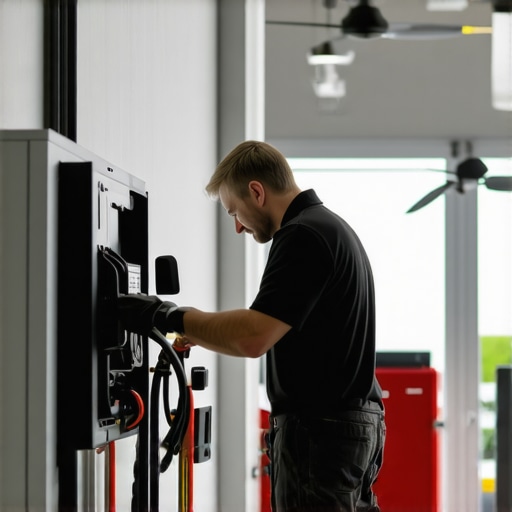
Ever been in the middle of a busy day, only to have your EV charger suddenly stop working or your ceiling fan spin out of control? That frustrating moment when you realize your home’s comfort and functionality are suddenly compromised. I’ve been there more times than I’d like to admit, and let me tell you—there’s nothing quite as eye-opening as realizing that a simple troubleshooting trick could have saved me hours of stress and expense.
Why Quick Fixes Matter More Than Ever
In today’s fast-paced world, we rely heavily on our electrical appliances—especially EV chargers and ceiling fans. They keep our daily routines smooth and energy-efficient. When they malfunction, it’s not just an inconvenience; it’s a disruption to your day, your comfort, and sometimes even your safety. That’s why mastering basic troubleshooting skills can be a real game-changer. Trust me, knowing what to look for and how to fix common issues can save you a fortune and a lot of hassle.
Have You Faced This Electrical Dilemma?
If you’ve ever been stumped by why your EV charger isn’t charging or your ceiling fan refuses to turn on, you’re not alone. Early in my career, I made a costly mistake—trying to fix complex problems without understanding the basics. I often jumped straight to replacing parts instead of troubleshooting the root cause. It wasn’t until I learned some key electrician tips, like checking circuit breakers and inspecting wiring, that I started fixing issues faster and more reliably. For a comprehensive look at the best practices, I recommend checking out this ultimate guide to fixing EV chargers and ceiling fans.
What’s Ahead: Your Fast-Track to Fixing Common Electrical Problems
In this post, I’ll walk you through proven troubleshooting strategies—simple yet effective—that will empower you to handle many common issues yourself. From understanding circuit basics to recognizing signs of wiring problems, these tips are drawn from years of hands-on experience and trusted electrician advice. Ready to become your own home’s electrical hero? Let’s get started and turn that frustrating moment into just a small hiccup.
},
Test Your Circuit Breakers First
Start with the simplest step—checking your circuit breaker. I remember my own experience when my ceiling fan stopped working unexpectedly. I went straight for the switch, then remembered to look at the breaker. Sure enough, it had tripped. Resetting it restored power to the fan in minutes. Think of circuit breakers as your home’s security guards—they trip to protect your wiring and devices. If your EV charger or ceiling fan isn’t responding, a tripped breaker is often the culprit. Learn more about circuit troubleshooting.
Inspect the Power Cord and Connections
Next, examine the wiring and connections. Sometimes, the problem is as simple as loose wires or a disconnected plug. I fixed my EV charger by tightening a loose terminal connection—an easy fix that saved me from calling an electrician. Turn off the power before inspecting. Look for frayed insulation, burn marks, or corrosion. Use a multimeter to verify voltage if you’re comfortable with basic tools. Remember, proper wiring is crucial; faulty wiring can cause more damage if left unchecked. Get detailed wiring check tips here.
Test the Outlet with a Known Working Device
Sometimes, the outlet itself is the issue. Plug in a lamp or other device you know works. If it doesn’t turn on, the problem is upstream—probably the outlet or its wiring. I learned this the hard way when my garage outlet wasn’t supplying power to my EV charger. Replacing the outlet was straightforward once I confirmed it was dead. Always test outlets before suspecting your device. If the outlet is dead, replace or repair it promptly. Expert outlet troubleshooting tips.
Check the Device Itself
If the outlet works fine, the problem might be within the device. For a ceiling fan, inspect the capacitor—an often overlooked component. For EV chargers, verify the internal fuse or reset button. I once replaced a blown fuse in an EV charger, and it powered up instantly. Follow the manufacturer’s instructions for opening and inspecting your device. If you’re unsure, consult the product manual or a professional. Comprehensive repair guides can help you identify common internal faults.
Test and Replace Faulty Components
After identifying the faulty part—be it a switch, fuse, or capacitor—replace it. I always keep spare fuses and capacitors handy. When I found a faulty capacitor in my ceiling fan, replacing it restored perfect operation. Make sure to use compatible parts rated for your device. If you’re unfamiliar with electrical repairs, don’t risk it—contact a licensed electrician. Quick, localized fixes like these can save hours and money, but safety comes first. Expert advice on component replacement.
Test the System Again
Finally, restore power and test your device. Turn on the circuit breaker, plug in your EV charger or switch on the ceiling fan. If it works, congratulations! If it doesn’t, revisit earlier steps or consider professional help. Remember, troubleshooting is iterative; sometimes, multiple small fixes are needed. My own experience involved checking several connections before finally resolving the issue. Patience and methodical testing are your best tools. Further troubleshooting strategies are available for more complex cases.
Many homeowners believe they can troubleshoot electrical issues with a one-size-fits-all approach, but this is a misconception. The reality is that each device, whether an EV charger or ceiling fan, has unique nuances that often trip up even experienced DIYers. For example, some think that resetting a breaker always fixes power issues, but in fact, a tripped breaker might be caused by underlying wiring problems or overloads that need deeper inspection. Relying solely on this quick fix can lead to recurring faults and even safety hazards.
Another prevalent myth is that all electrical faults are visible or obvious. In truth, many issues—like internal capacitor failures in ceiling fans or subtle wiring corrosion—are hidden and require advanced diagnosis, such as using a multimeter or specialized tools. Ignoring these nuances can cause premature part failures or dangerous situations, emphasizing the importance of understanding what to look for beyond surface symptoms.
Why Do People Often Overlook Internal Components?
One common mistake is neglecting internal components like capacitors, fuses, or circuit boards in devices. For instance, a ceiling fan’s capacitor might be the culprit, and replacing it can restore functionality without replacing the entire fan. Similarly, EV chargers often have internal reset buttons or fuses that, if overlooked, lead to unnecessary replacements or calls to professionals. Learning how to identify and test these parts is a game-changer—trust me, it’s a skill worth developing. For detailed guidance, check out this ultimate troubleshooting guide.
Many think that wiring issues are always caused by obvious damage, but often corrosion or loose connections are the culprits. These issues can be sneaky and require careful inspection with proper tools. Also, some believe that replacing parts is the best solution, but in reality, understanding the root cause and testing components leads to more reliable fixes. This nuanced approach saves time, money, and enhances safety.
Advanced Troubleshooting: Is Your Circuit Breaker the Whole Story?
For more advanced DIY troubleshooting, consider that circuit breakers might not be the only issue. Sometimes, the breaker trips due to a faulty relay or a short circuit further downstream. Using a multimeter to test voltage consistency can reveal hidden faults. Remember, always turn off power before testing or inspecting components. If you suspect a deeper problem, consulting professional resources like this troubleshooting strategy guide can provide clarity. Never ignore the importance of proper diagnostics—quick fixes are tempting, but thorough testing ensures long-term safety and reliability.
Have you ever fallen into this trap? Let me know in the comments!
How do I keep my electrical systems running smoothly over time?
Maintaining your home’s electrical systems, especially when troubleshooting EV chargers and ceiling fans, requires the right tools and a proactive approach. The foundation of effective maintenance begins with choosing the appropriate equipment. I personally rely on a high-quality digital multimeter, such as the Fluke 117, because it offers precise readings and durability. This tool allows me to verify voltage, check continuity, and diagnose wiring issues quickly, saving me time and preventing costly errors.
Another essential tool is a non-contact voltage tester. I prefer models like the Klein Tools NCVT-3, which provides a quick and safe way to confirm whether a circuit is live before I start working. Safety is paramount, and these testers help prevent accidental shocks, especially when working in unfamiliar areas or on older wiring.
For inspecting connections and wiring, I recommend a compact inspection camera. My go-to is the Depstech Endoscope, which helps me see behind panels or inside junction boxes without dismantling everything. This saves time and makes it easier to identify corrosion, loose connections, or damaged wires that might be causing intermittent faults.
To keep your system in top shape, regular visual inspections are key. Look for signs of overheating, corrosion, or wear on connectors and switches. In addition, I use a thermal imaging camera occasionally, like the FLIR ONE, to detect hotspots that could indicate poor connections or overloads—these issues often go unnoticed but can cause major problems if ignored.
What’s the future of electrical troubleshooting tools?
As technology advances, I predict we’ll see smarter diagnostic tools integrated with IoT capabilities, allowing remote monitoring and early fault detection. Devices will become more user-friendly, with apps that guide DIYers step-by-step through troubleshooting processes. Embracing these innovations now can help you stay ahead and ensure your electrical systems remain reliable in the long term.
To keep your systems working efficiently, I suggest regularly updating your knowledge with professional guides like this ultimate troubleshooting guide. Don’t hesitate to try out a multimeter or inspection camera this weekend. A small investment in quality tools can prevent big headaches later!
The Hardest Lesson I Learned About Troubleshooting Electrical Devices
Early in my journey as an electrician, I wasted hours replacing parts that weren’t broken, simply because I overlooked simple checks like circuit breakers or loose connections. The biggest lightbulb moment was realizing that most problems stem from basic issues—like a tripped breaker or a loose wire—rather than complicated faults. This taught me to always start with the simplest fix and work my way deeper, saving time and money.
3 Myths About Electrical Troubleshooting That Held Me Back
I used to believe that troubleshooting required expensive tools and complex diagrams. It’s not true. A good multimeter and a systematic approach are often enough. Also, I thought internal parts like capacitors or fuses were rarely the cause—turns out, they’re often the culprit. Busting these myths helped me troubleshoot faster and more confidently.
What Experts Won’t Tell You About DIY Repairs
Many professionals keep the best tips close to their chest, but I’ve learned that understanding your device’s wiring and internal components is empowering. For example, testing a capacitor or fuse can restore function without replacing the entire device. The key is knowing where to look and how to test safely—something I learned from trusted resources like this ultimate troubleshooting guide.
Curated Tools That Changed My Troubleshooting Game
My essential toolkit includes a reliable digital multimeter, a non-contact voltage tester, and an inspection camera. These tools help me quickly identify issues, from checking voltage to inspecting wiring behind panels. I trust brands like Fluke and Klein Tools because of their durability and accuracy, which is crucial when diagnosing tricky electrical problems.
Take Action: Your Path to Confident Repairs
Now it’s your turn. Don’t let fear or misconceptions hold you back from fixing your electrical issues. With the right tools, knowledge, and approach, you can become your own home’s electrical hero. Remember, every problem is an opportunity to learn and improve your skills. Start small, stay safe, and keep learning—your home will thank you for it.
I really appreciate how this post emphasizes the importance of starting troubleshooting with simple checks like circuit breakers and wiring inspections. In my experience, many issues with ceiling fans and EV chargers are resolved just by resetting a breaker or tightening loose connections. It’s easy to overlook these basic steps when you’re trying to fix something, but they can save a lot of time. I also found that having the right tools, especially a good multimeter and inspection camera, makes a huge difference in diagnosing problems accurately. I’ve learned a lot from trial and error, but I wonder—what are some advanced techniques for diagnosing intermittent faults that aren’t always obvious? Sharing experiences or recommended tools for those tricky cases would be really helpful for homeowners trying to become more DIY-savvy without risking safety.