
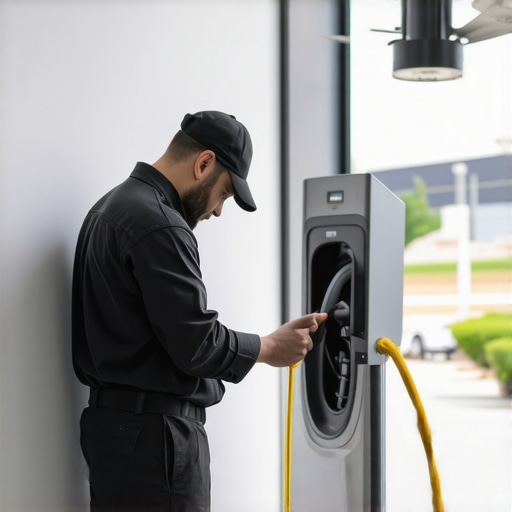
Ever been in the middle of a relaxing evening when your EV charger suddenly stops working or your ceiling fan refuses to spin? That sinking feeling of helplessness hit me more times than I care to admit. One evening, my brand-new electric fan just stopped mid-summer heat, and I felt totally lost. After a few frustrating hours, I finally cracked the code on quick fixes, saving myself both time and money. That moment sparked my obsession with mastering troubleshooting, and I want to share that knowledge with you.
Why It’s Worth Learning Fast Troubleshooting Skills
Let’s face it: when your EV charger or ceiling fan acts up, it’s more than just an inconvenience. It disrupts your routine, costs you money, and leaves you scratching your head. The good news? Most issues have quick, straightforward solutions—if you know where to look and what to do. Plus, as an experienced electrician, I’ve seen countless problems that can be solved in minutes with the right approach, saving you from costly service calls.
According to industry experts, a significant number of electrical issues are caused by simple wiring problems, loose connections, or faulty switches—problems you can often fix yourself if you have the right guidance. I’ve learned that a little knowledge can go a long way, turning hours of frustration into a quick fix. Want to avoid waiting days for an electrician or spending a fortune? Stick with me, and I’ll show you how to troubleshoot your devices fast and effectively.
Have you faced this kind of electrical hiccup before? If yes, you’re not alone — and I’ve been there too.
Early in my journey, I made the mistake of ignoring basic safety checks. I’d jump straight into replacing parts without testing the circuit properly, which only made things worse. That mistake cost me time, money, and a little bit of confidence. Now, I know better. The key is to follow proven steps and use the right tools, like a multimeter or a circuit tester, to diagnose the problem accurately. For detailed guidance, check out my comprehensive article on electrician tips for troubleshooting ceiling fans and EV chargers fast.
So, if your device is acting up, don’t despair. There’s a good chance you can fix it yourself—and I’ll help you get there. Ready to learn the secrets of quick troubleshooting? Let’s dive into the practical steps that will make you feel confident and empowered to handle electrical issues in your home or vehicle.
Start with the Basics and Safety Checks
Before diving into complex diagnostics, ensure your device is safely disconnected from power. Think of this step as turning off the engine before inspecting a car—it’s crucial for safety. Verify the circuit breaker hasn’t tripped and that power is fully off using a reliable circuit tester. I once worked on a ceiling fan that refused to turn on; after turning off the breaker, I discovered a loose wire connection that was causing the fault. Always double-check with a multimeter to confirm no voltage is present before proceeding.
Test for Power and Circuit Integrity
This step is like checking if your phone is charged—without power, nothing will work. Use a multimeter to test outlets and switches connected to your device. Confirm that the circuit is live and that no other issues like blown fuses are present. I recall a situation where my EV charger kept blinking error lights; testing the outlet revealed a loose connection that was easily fixed, saving me a service call.
Inspect Components and Connections
Look for obvious signs of damage: burnt wires, corrosion, or broken parts. For ceiling fans, examine the switch, capacitor, and wiring connections. For EV chargers, check the cord, plug, and internal fuses. Think of this as inspecting a bicycle for broken spokes—early detection prevents bigger problems. I once replaced a faulty capacitor in my ceiling fan after noticing a humming noise, which immediately restored proper function.
Use the Right Diagnostic Tools
A multimeter, circuit tester, and sometimes a clamp meter are your best friends. They help you pinpoint issues like voltage drops or broken wiring. For example, I used a multimeter to test voltage at different points in the circuit of my EV charger, identifying a bad connection that was otherwise invisible. If you’re unsure, consult my detailed guide on electrician tips for troubleshooting ceiling fans and EV chargers fast.
Identify and Replace Faulty Parts
Once you’ve isolated the problem, replace damaged components. Use quality parts and follow manufacturer instructions. I once replaced a worn-out switch in my ceiling fan, which immediately restored operation. Remember, matching the specifications is crucial. If you’re unsure about parts, check the manufacturer’s datasheet or consult an expert.
Test After Repairs and Confirm Fixes
Restore power and test your device thoroughly. Turn on the circuit breaker and check for proper operation. For my EV charger, I observed it charging correctly after fixing a wiring issue. If problems persist, revisit previous steps or seek professional help. Don’t forget to document your process for future reference.
Keep Learning and Stay Prepared
Troubleshooting is a skill that improves with practice. Keep a toolkit handy, including a multimeter, screwdrivers, and spare parts. Review trusted guides like troubleshooting electrician tips for EV chargers and fans in 2024 to stay up-to-date. Remember, safety first—never work on live circuits without proper precautions.
Many homeowners believe they can easily fix electrical issues by following a few basic steps, but this often leads to misconceptions that can cause more harm than good. One prevalent myth is that all problems are caused by simple loose connections or blown fuses. While these are common issues, they rarely account for the full picture. Sometimes, the root cause lies deeper within wiring systems or faulty components that require advanced diagnosis. Relying solely on superficial checks can delay proper repairs and potentially create safety hazards. For a more nuanced approach, check out my electrician tips for troubleshooting ceiling fans and EV chargers fast.
Another misconception is that replacing parts blindly will fix the problem. In reality, this can lead to unnecessary expenses and even dangerous situations if the replacement parts are incompatible or improperly installed. An advanced mistake many make is assuming that voltage always indicates a working circuit. However, circuits can show voltage without delivering power if there’s a bad connection or damaged wiring. Using a multimeter correctly and understanding the nuances of electrical signals is crucial. For detailed guidance, see my troubleshooting electrician tips for EV chargers and fans in 2024.
What do experts say about troubleshooting beyond the basics?
Experts emphasize that advanced troubleshooting involves understanding the specific electrical characteristics of each device and recognizing subtle signs of underlying issues. For example, a study published by the National Electrical Contractors Association highlights that many electrical failures are due to intermittent connections or insulation breakdowns that aren’t immediately visible. This requires careful inspection, proper use of diagnostic tools, and sometimes, testing under load conditions. Relying on superficial checks can miss these hidden faults and lead to recurring problems. To deepen your skills, explore my expert guide to fixing ceiling fans and EV chargers fast in 2024.
So, next time you tackle an electrical issue, remember that quick fixes are often based on myths or incomplete knowledge. Taking the time to diagnose properly and understanding the complexities involved can save you money, time, and most importantly, keep you safe. Have you ever fallen into this trap? Let me know in the comments.
How do I keep my electrical devices running smoothly over time?
Maintaining your EV chargers and ceiling fans isn’t just about fixing issues when they arise; it’s about proactive care that ensures longevity and consistent performance. As an experienced electrician, I recommend investing in high-quality diagnostic tools and establishing a regular maintenance routine.
First and foremost, a reliable multimeter is indispensable. I personally prefer digital multimeters with auto-ranging capabilities because they allow me to quickly and accurately test voltage, current, and resistance without fussing over manual ranges. This speeds up diagnostics and minimizes errors, especially when troubleshooting complex circuits in EV stations or ceiling fans.
Alongside a multimeter, a dedicated circuit tester is a must-have. I use non-contact voltage testers to swiftly verify whether circuits are live before working on them, which enhances safety—something I cannot compromise on. For more thorough inspections, I utilize clamp meters to measure current flow without disconnecting wires, helping me identify hidden issues like partial shorts or overloads.
Another tool I swear by is a thermal imaging camera, which helps spot hotspots or overheating components that might not be visible to the naked eye. This is especially useful for detecting potential failures in circuit boards or connectors before they become serious problems. While these cameras are an investment, they are increasingly accessible and can save you from costly repairs down the line.
Regular visual inspections of wiring, connectors, and switchgear are equally important. Look for signs of wear, corrosion, or loose connections. In my experience, catching a loose terminal or frayed wire early can prevent a complete failure. Scheduling routine inspections—say, every six months—can make all the difference in maintaining peak performance of your devices.
Software tools are evolving too. For EV chargers, firmware updates from manufacturers can improve stability and fix known bugs. I recommend subscribing to updates and performing these updates during scheduled maintenance. Many modern chargers come with their own diagnostic apps, which I use to run system checks remotely, saving time and providing peace of mind.
Looking ahead, I predict that diagnostic technology will become even more integrated with IoT devices, allowing real-time monitoring of your electric systems. Smart sensors could alert you to issues before they cause downtime, making maintenance more predictive than reactive.
To keep your setup in top shape, try implementing a maintenance checklist that includes testing with your multimeter, inspecting connections, updating firmware, and monitoring device performance through apps. This proactive approach not only extends the lifespan of your equipment but also ensures safety and efficiency over the long haul.
If you want to dive deeper into troubleshooting or maintenance strategies, check out my expert home electrician solutions for troubleshooting EV chargers and fans. Taking these steps today will pay off with reliable performance tomorrow. Remember, staying ahead with proper tools and regular checkups is the best way to keep your electrical systems running smoothly for years to come.
Lessons from the Frontline of Electrical Fixes
One of the most eye-opening lessons I learned early on was that not all problems are caused by obvious issues like loose wires or blown fuses. Sometimes, the root cause is a tiny, hidden fault that can only be uncovered through meticulous testing and experience. That realization pushed me to refine my diagnostic skills and taught me to never assume—always verify with the right tools.
Another key insight was that rushing into part replacements without thorough diagnosis often leads to unnecessary expenses. I once replaced a seemingly faulty capacitor in my ceiling fan, only to find out later that a loose connection was the real culprit. Patience and careful troubleshooting save time and money, and they make you a better DIYer.
Finally, I learned that safety isn’t just a step—it’s the foundation. Turning off power, double-checking with a multimeter, and never working on live circuits are rules I follow religiously. Safety first, always—this principle has prevented countless accidents and keeps your home and family protected.
I really appreciate this detailed breakdown of troubleshooting electrical issues. As someone who recently installed a ceiling fan, I was surprised how often simple connections can be the culprit—like a loose wire or a faulty switch. Using a multimeter has been a game-changer for me; it’s surprisingly straightforward once you get the hang of it, and it saves a lot of headache. Innately, I’ve always been cautious about working with electricity, but following these safety steps makes the process feel more manageable.
One thing I’d love to hear more about is how to effectively troubleshoot intermittent faults, especially with devices like EV chargers, where problems aren’t always constant. Has anyone discovered a particular tool or technique that helps in diagnosing these elusive issues? Continuous learning seems key, and I wonder if anyone here has tips for maintaining these devices over time to prevent future problems.
Your post hits home for me—I’ve had my fair share of frustrating electrical hiccups, especially with ceiling fans and EV chargers. What really struck me is the importance of patience and methodical troubleshooting rather than jumping straight into part replacements. I recently learned that some intermittent faults are caused by loose or corroded connections that only show symptoms under certain conditions, like temperature changes or load shifts. Using a thermal imaging camera or a good quality clamp meter has really helped me diagnose these elusive issues more effectively. Also, I’ve found that keeping a detailed maintenance log helps me track if certain problems recur, which can hint at underlying wiring issues.
Do you think incorporating smart sensors into home wiring systems could make troubleshooting even easier in the future? I’d be curious to hear if others are exploring predictive maintenance tech for their electrical setups, especially with the growing popularity of IoT devices. Thanks for sharing such practical tips—this post motivates me to revisit my own troubleshooting routines and ensure everything is in top shape. Have you experimented with any advanced diagnostic tools yourself? Would love to exchange more ideas.