
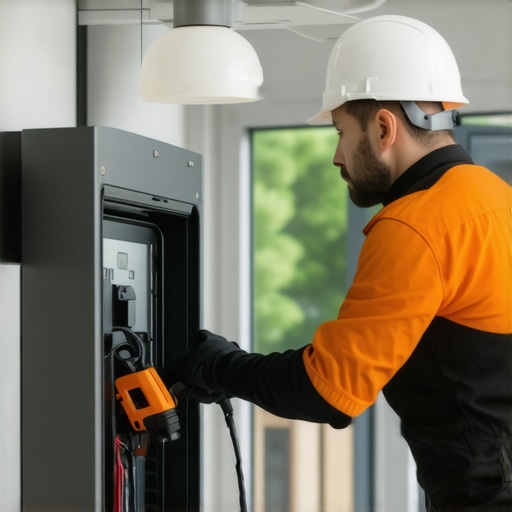
Ever experienced that sinking feeling when your EV charger refuses to work just when you need it most? Or watched your ceiling fan spin aimlessly because of a simple glitch? I’ve been there. I remember a weekend when my EV charger wouldn’t power up, and I couldn’t figure out why. It was frustrating, especially since I rely heavily on my electric vehicle. That lightbulb moment hit me hard: many of these issues are surprisingly easy to fix once you know the right tricks. Today, I’ll share proven troubleshooting tips that can save you time, money, and unnecessary stress.
Why Quick Fixes Matter for Electric Home Repairs
Let’s face it, electrical problems can feel intimidating. The thought of calling an electrician, waiting days, and incurring hefty bills can be discouraging. But here’s the truth: many common issues with EV chargers and ceiling fans are simple to diagnose and fix for a handy homeowner. My early mistake was assuming a problem was complex when it was often just a loose wire or a reset needed. Trust me, understanding the basics can empower you to tackle quick repairs and avoid costly service calls. Want to learn how? Dive into the step-by-step solutions I’ve gathered from seasoned electricians. You might be surprised how straightforward it can be.
Is DIY Troubleshooting Safe and Effective?
That’s a question I hear often, and rightly so. My initial misstep was trying to fix an EV charger without turning off the main power. It’s a rookie mistake that can be dangerous. Always ensure safety first: switch off the power, use insulated tools, and understand your limits. For more detailed guidance, check out this expert troubleshooting guide. Remember, even simple fixes should be approached with caution, but with the right knowledge, most problems are manageable. Ready to get practical? Let’s go through some common issues and how to fix them quickly.
Have you faced a stubborn ceiling fan or an unresponsive EV charger lately? Share your experience below, and let’s troubleshoot together. The more you know about your home’s electrical system, the less you’ll fear those unexpected outages. Stay tuned, because the next section will walk you through the essential steps to identify and solve the most common problems. Trust me, mastering these quick fixes can make your home smarter, safer, and more efficient.
Inspect Your Power Supply First
When your EV charger or ceiling fan stops working, the first step is to check if the main power is active. Imagine your home’s electrical system as a water pipe — if the main valve is closed, nothing downstream will work. Head to your breaker box and ensure the circuit breaker for these appliances hasn’t tripped. If it has, flip it back on and see if that restores function. This simple check can save you the hassle of diagnosing more complex issues.
Reset and Reboot Devices
Many problems are solved with a quick reset. For instance, my last repair involved unplugging the EV charger, waiting 30 seconds, then plugging it back in. Sometimes, devices just need a reboot to clear minor glitches. For ceiling fans, turn off the switch, wait a minute, then turn it back on. This reset process often resets internal circuitry, similar to restarting a computer, and can resolve unresponsiveness.
Check for Loose or Damaged Wires
Loose connections are a common culprit. Think of wires as the veins of your electrical system; if they’re loose, the signal can’t pass through effectively. Turn off the power at the breaker before inspecting. Remove the cover of your ceiling fan or EV charger (using insulated tools) and look for wires that aren’t securely connected or appear damaged. Tighten any loose screws and replace frayed wires. I once found a loose wire in my ceiling fan that had caused intermittent flickering — fixing it restored steady operation.
Test the Circuit Breaker and GFCI Outlets
If your device still isn’t working, test the circuit breaker with a multimeter or tester. Also, check GFCI outlets if your system uses them — press the reset button. Sometimes, GFCI outlets trip due to moisture or overload, cutting power to connected devices. Resetting these can bring your EV charger or fan back online quickly. I learned this the hard way when my garage GFCI tripped after a storm, cutting power to my charging station.
Examine the Control Switch or App Settings
For ceiling fans with remote controls or smart features, ensure the device is powered and correctly set. Sometimes, the remote loses synchronization or the app needs a restart. Replace batteries if necessary, and re-pair devices following the manufacturer’s instructions. I once replaced a remote’s batteries, and suddenly my fan responded perfectly again.
Consult Troubleshooting Guides for Specific Models
If the above steps don’t work, refer to specific troubleshooting guides like these expert tips. They often include model-specific advice that can pinpoint issues faster. Remember, every minute troubleshooting saves you from calling a technician for minor fixes.
When to Call a Professional
If you’ve exhausted these steps and still face issues, it’s time to consult an electrician. Avoid attempting complex repairs beyond your skill level — electric shocks are a real danger. Professionals can diagnose hidden wiring problems, faulty components, or system faults that require specialized tools. My rule of thumb: if in doubt, call an expert; safety always comes first.
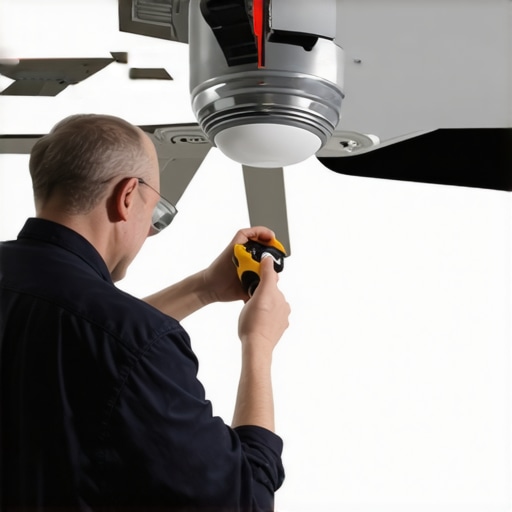
Many homeowners believe that troubleshooting EV chargers and ceiling fans is straightforward, but misconceptions can lead to costly mistakes. One prevalent myth is that resetting a device always resolves the issue. While resets are useful, they often only address superficial problems. In reality, persistent issues may involve wiring faults or faulty components that require a more detailed diagnosis. Relying solely on resets can cause you to overlook underlying problems, leading to repeated failures and potential safety hazards. For comprehensive guidance, check out this expert troubleshooting guide.
Why Do Many Get the Troubleshooting Process Wrong
A common trap is assuming that a problem is always with the device itself, ignoring the broader electrical system. For example, a ceiling fan might not respond because of a tripped GFCI outlet or an overloaded circuit, not the fan’s motor. Similarly, an EV charger might fail due to a faulty circuit breaker or wiring issue rather than the charger itself. Understanding the electrical system’s intricacies prevents misdiagnosis. An often overlooked nuance is that many problems are caused by the home’s wiring or power supply issues, not just the device. For advanced troubleshooting, I recommend reviewing top electrician tips.
Beware of the Oversimplification Trap
Another mistake is oversimplifying complex electrical issues. For example, replacing a switch or motor parts might seem like the solution, but if the root cause is a damaged wiring connection or a hidden fault in the circuit, these replacements won’t fix the problem. This can lead to wasted money and time. It’s essential to perform a systematic diagnosis, including testing circuits and inspecting wiring, before jumping to repairs. Remember, the devil is often in the details, and a thorough approach can save you from recurring issues. For detailed model-specific advice, refer to these expert tips.
How Can Advanced Troubleshooting Boost Safety and Efficiency?
Advanced troubleshooting involves using multimeters, circuit testers, and understanding electrical diagrams, which many homeowners shy away from. However, mastering these tools can prevent dangerous shocks and fires caused by faulty wiring or overloaded circuits. The key is to approach troubleshooting with caution, always turning off power before inspecting or testing, and knowing your limits. By doing so, you reduce the risk of injury and ensure repairs are effective. An expert study in electrical safety highlights that systematic testing and proper diagnosis significantly lower accident rates in home repairs. For a deeper dive, explore these advanced tips.
Have you ever fallen into this trap? Let me know in the comments. Remember, understanding these nuances can make you more confident and safer when tackling electrical issues at home. Stay sharp and keep troubleshooting wisely!
How do I keep my electrical devices running smoothly over time?
Maintaining your EV charger and ceiling fan isn’t just about fixing problems when they arise; it’s about proactive care that extends their lifespan and ensures safety. Personally, I rely on a few key tools and methods that have proven invaluable in my ongoing maintenance routine. One of the most essential tools is a high-quality multimeter. I use it to regularly check voltage levels and verify that circuits are operating within safe ranges. This helps catch issues like voltage drops or wiring faults before they turn into major problems, aligning with expert advice found here.
Beyond testing devices, I also recommend investing in a circuit tester with GFCI testing capabilities. This simple device allows me to quickly verify if outlets and GFCI protection are functioning correctly, preventing trips and outages that can disrupt your devices. I check these every few months, especially after storms or power surges, to ensure the safety systems are still active.
Another crucial aspect is keeping your devices clean and free of dust or debris. For ceiling fans, I use a soft brush and a damp cloth to remove dust from blades and motor vents. For EV chargers, I ensure the vents are unobstructed and inspect the cables for any signs of wear or damage. Regular inspections can prevent overheating and electrical faults, which are common culprits of device failure over time.
In terms of software or firmware, if your smart or connected devices have updates available, I recommend installing them promptly. Manufacturers often release updates that improve performance, security, and compatibility. Staying current with these updates can help avoid bugs or vulnerabilities that might disrupt operation.
Looking ahead, I predict that the trend in maintenance will shift towards more integrated IoT solutions. Imagine smart sensors that monitor your electrical system in real-time, alerting you to potential issues before they occur. This proactive approach could significantly reduce downtime and repair costs, making home electrical maintenance more efficient and less stressful.
What’s the best way to maintain your devices without hassle?
Consistency is key. I set a quarterly schedule to check connections, test outlets, and clean components. Using reliable tools like a multimeter and circuit tester has saved me countless trips to the electrician for minor issues. Plus, following manufacturer guidelines and keeping firmware updated ensures optimal performance. If you’re ready to take your maintenance to the next level, I highly recommend trying out a comprehensive electrical health check with professional tools — it can identify hidden issues and give you peace of mind.
Remember, the right tools and regular upkeep are your best allies in keeping your EV charger and ceiling fan working smoothly for years to come. Don’t wait for a breakdown — be proactive, stay safe, and enjoy uninterrupted comfort and convenience in your home.
The Hardest Lessons I Learned About Troubleshooting EV Chargers and Ceiling Fans
- Don’t underestimate the power of a simple reset. Often, unplugging and plugging back in can resolve stubborn issues without any fuss.
- Always shut off the main power before inspecting wires. Safety first is not just a saying — it’s a rule that can save your life.
- Wiring problems are more common than device faults. When troubleshooting, focus on connections and circuit integrity before replacing parts.
- Using the right tools, like a multimeter, can reveal hidden issues that visual inspection might miss, preventing future failures.
- My biggest lightbulb moment was realizing many electrical issues are rooted in home wiring or circuit overloads, not the device itself.
My Essential Toolkit for Troubleshooting Electric Home Devices
- Multimeter — I trust this more than anything for accurate voltage and continuity checks; it’s essential for diagnosing wiring faults.
- Circuit tester with GFCI function — It verifies GFCI outlets and prevents trips that cut power unexpectedly, saving time and hassle.
- Insulated screwdrivers and pliers — Safety is paramount when handling live wires, and quality tools make the job safer and easier.
- Manufacturer’s troubleshooting guides — These are invaluable for model-specific issues that generic advice might miss.
Believe in Your Power to Fix Your Home
Taking control of electrical issues at home isn’t just about quick fixes; it’s about building confidence and ensuring safety. Start small, stay cautious, and use the right tools — you’ll be surprised at what you can accomplish. Remember, every problem you solve adds to your skills and peace of mind. So, what’s the next electrical challenge you’re ready to tackle? Share your story below and let’s troubleshoot together!