
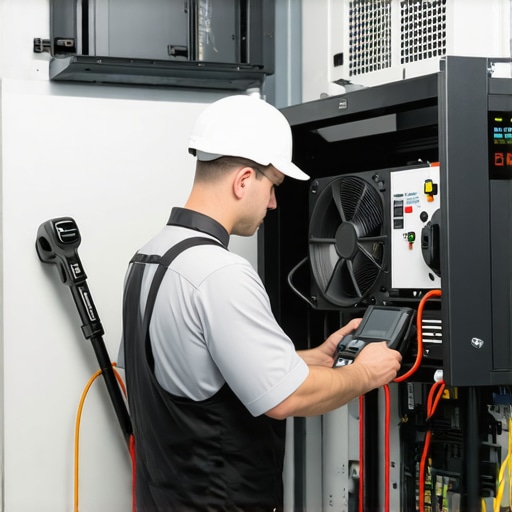
I’ll never forget the frustration of waking up one morning, ready to hit the road with my EV, only to find my charger refusing to power up. Or the time when my ceiling fan decided to stall just when I needed a cool breeze after a long day. At first, I felt clueless, overwhelmed even—like I was missing some magic troubleshooting trick. But after a few missteps—like replacing parts blindly or ignoring simple checks—I realized I was wasting precious time and risking further damage.
Why Electric Troubleshooting Skills Can Save Your Day
When it comes to EV chargers and fans, small issues can spiral into big delays if you don’t know where to look. Honestly, I used to dismiss troubleshooting as some complicated art reserved for professionals. But over time, I discovered that a handful of practical tips could turn me into my own electrician, fixing most problems in minutes. This isn’t just about convenience; it’s about taking control of your home and avoiding costly repairs. According to a recent study, the average household spends hundreds annually on minor electrical issues that could be prevented with basic skills—something I learned the hard way. (See: Electrical troubleshooting solutions for EV chargers and fans.)
Am I Wasting My Time with These Fixes?
It’s common to think you need to call an electrician for every little hiccup. I used to believe that myself—until I stepped back and tried a few simple checks. Early on, I made the mistake of jumping straight to replacing expensive parts without diagnostics, wasting time and money. Now, I know that effective troubleshooting doesn’t mean complicated tools or years of experience. It’s about knowing where to start and what signs to watch for. Want to avoid my early mistakes? Let’s dive into some quick and reliable tips to get your EV charger and ceiling fan back on track, fast.
If you’ve faced stubborn issues with your EV charging station or ceiling fan, you’re not alone. Many homeowners discover that with the right guidance, they can handle these fixes themselves, saving money and frustration. Ready to become your own troubleshooting hero? Keep reading, and I’ll share the methods I wish I knew from the start—no fluff, just real solutions.
Test the Power Supply Effectively
Start by checking if your outlet or circuit breaker has tripped. Use a voltage tester or a multimeter to verify power at the socket—think of it like confirming if your garden hose is turned on before checking for a leak. I learned this the hard way when my fan refused to start; a quick test revealed a blown breaker, saving me a trip to the store for unnecessary parts. For detailed guidance, see troubleshooting tips from trusted electricians.
Inspect Connections and Cointers
Loose or disconnected wires are common culprits. Carefully turn off the power at the breaker, then access the device’s panel. Look for frayed, burnt, or disconnected wires—like checking all the strings on a tangled set of holiday lights. I once found a loose wire on my EV charger after it stopped charging, simply tightened it, and was back online in minutes. Remember, always turn off power before inspecting—think of it as shutting off your water supply before fixing a leak. For comprehensive steps, visit expert electrician tips.
Test and Replace Faulty Components
If the wiring checks out, focus on internal parts. Capacitors, resistors, or switches can fail over time—like a worn belt in a car engine. Use a multimeter to test components for continuity and proper resistance values. I replaced a faulty capacitor in my ceiling fan after measuring, which immediately restored smooth operation. Consider keeping spare parts compatible with your device—this proactive step prevents extended downtime. For detailed component testing, see fast troubleshooting tips from experts.
Use Visual and Operational Clues
Symptoms can point directly to the problem. For example, a humming fan with no spin suggests a capacitor issue. A charger that blinks an error code might have a communication error or a sensor fault. In my case, a strange buzzing noise in my ceiling fan indicated a worn-out motor bearing, which I replaced following a tutorial. Pay attention to sounds, smells, and behaviors—they’re your device’s way of telling you what’s wrong. For identifying specific signs, check electrician troubleshooting signs.
Perform Safety Checks Before Reconnecting
Before powering up again, ensure all connections are secure, the device’s panels are closed, and no wiring is exposed. Think of it as tightening all the bolts on a ladder before climbing. A missed safety step led me to short-circuit my charger temporarily—that was a costly lesson. Always verify grounding and wiring integrity to prevent future issues. For safety essentials, see the ultimate fixing guide.
Document Your Troubleshooting Process
Keep notes of what you checked and replaced. This record helps you spot patterns or recurring issues—like keeping a journal of your car’s maintenance. I found that my fan’s motor would wear out every couple of years, prompting me to consider upgrading to a higher-quality part. Documenting saves time for future repairs and can be invaluable if you need professional help later. For more on keeping track, visit home electrician records.
Stay Organized and Equipped
Having a dedicated toolkit with screwdrivers, multimeters, wire strippers, and spare parts speeds up repairs. Think of it as a mechanic’s toolbox—every tool has a purpose. When troubleshooting my EV charger, I kept all my testing gear in a labeled box, reducing the chaos and making diagnostics faster. Regularly check your tools for calibration and wear. For setup tips, see best electrician setup tips.
By following these concrete steps, you turn troubleshooting from an intimidating guessing game into a manageable, even satisfying task. Quick fixes aren’t magic—they’re the result of methodical checks, logical replacements, and safety first. Ready for the next challenge? The more you practice, the more intuitive it becomes—think of it like learning to ride a bike; wobbles will turn into wheels.Many DIY enthusiasts and homeowners hold misconceptions about diagnosing and repairing electrical issues, especially concerning EV chargers, electricians, and ceiling fans. A prevalent myth is that all problems are either hardware failures or simple power outages. In reality, the intricacies of modern electrical systems often involve nuanced causes like subtle wiring deviations or firmware glitches. For instance, a faulty EV charger might not just be dead; it could be experiencing communication errors that basic checks overlook, which can be revealed through advanced diagnostic techniques detailed in expert sources like [this guide](https://proelectricalco.com/troubleshooting-ev-chargers-ceiling-fans-quickly-expert-tips-2024).
How Do I Keep My Electrical Systems in Top Shape Over Time?
Maintaining your EV charger and ceiling fans isn’t a one-and-done task; it requires consistent attention and the right tools. Personally, I rely heavily on a quality digital multimeter from Fluke, like the Fluke 117, because it offers precise readings and durability, making troubleshooting more efficient. Using this tool, I verify voltage and continuity, ensuring your devices operate safely and reliably. Regular inspections can prevent minor issues from escalating into costly repairs, stretching the lifespan of your equipment. Additionally, investing in a good-quality wire stripper and crimping tool helps ensure secure connections, avoiding the common problem of loose wires that can cause system failures. When it comes to software, I recommend using electrical simulation apps like EasyPower which allow you to model your home’s electrical system, predict potential load issues, and plan for future expansions. These tools empower homeowners and electricians alike to maintain performance and safety proactively. Looking ahead, I predict that smart maintenance systems integrated with IoT technology will become the norm, alerting us to problems before they even manifest physically.
What Are the Best Tools for Troubleshooting on the Go?
If you’re tackling repairs or maintenance away from a workshop, portable testing equipment is crucial. A compact digital multimeter with a compact design, like the Klein Tools MM6000, provides rapid diagnostics in the field. For example, when I suspect a faulty capacitor in my ceiling fan, I use this meter to quickly check its resistance and capacitance, avoiding unnecessary part replacements. Having a sturdy flashlight and insulated screwdrivers on hand complements these tools, especially in tight or poorly lit spaces. Keep in mind that safety gear—like insulated gloves and safety glasses—are non-negotiable to prevent accidents during troubleshooting. Additionally, carrying a printed checklist or a troubleshooting guide, such as the one available at this resource, ensures you don’t miss critical steps. Looking forward, I believe that augmented reality apps could soon guide homeowners through complex fixes in real-time, making DIY repairs even more accessible.
Implementing Routine Maintenance Helps Prevent Surprises
Establishing a regular maintenance schedule is more than just a good habit; it’s a strategic move to prolong your system’s health. For instance, cleaning dust from ceiling fan blades and inspecting wiring connections every six months can prevent overheating and electrical faults. I set reminders on my smartphone using apps like Todoist, which helps me keep track of inspections and service dates. Using infrared thermometers can also help detect hotspots indicating potential wiring or component issues early. As technology evolves, smart home systems that monitor electrical load and report anomalies will become integral to maintenance routines. Experts suggest, for example, that combining traditional tools with IoT devices offers a comprehensive picture of your home’s electrical health, leading to better long-term results. To get the most from your toolset, try calibrating your multimeter annually—precision ensures safety and reliable performance.
How Do I Scale My Electrical Setup Safely and Effectively?
Scaling up your electrical capacity or adding new devices requires not just new tools, but also proper planning. Advanced software like ETAP or SKM PowerTools can simulate your future load requirements, helping you design upgrades without exceeding capacity limits—saving time and money. Personally, when expanding my EV charging station, I relied on a load calculator from those programs to ensure my existing wiring and breaker panels could handle the increased load. Always consult professional electricians when planning significant changes; they bring expertise and adherence to safety standards, such as NEC code compliance. As the industry moves toward higher power levels and more integrated systems, understanding your current infrastructure becomes vital. Consider integrating remote monitoring sensors that notify you of overloads or faults, making scale-up safer and more manageable. Remember, partial upgrades without proper assessment can compromise safety, so always verify your system’s capacity before proceeding. For detailed guides on expanding electrical infrastructure safely, visit this comprehensive resource. Take the first step today: use your multimeter to check your circuit’s current capacity and plan your upgrades accordingly. Stay ahead with maintenance and smart planning, ensuring your systems serve you reliably for years to come.
In my journey of maintaining home electrical comfort, I encountered moments where I thought I needed professional help—only to realize that with a bit of knowledge and the right approach, I could fix many issues myself. These experiences taught me invaluable lessons that I want to share to empower fellow homeowners. Sometimes, the biggest obstacle is our mindset—believing that electrical problems are complex or dangerous, which often isn’t the case if we follow proper safety procedures and diagnostics.
The Unexpected Wisdom I Gained From Hands-On Repairs
- Not all issues require replacing expensive parts: Often, a simple wire connection or resetting a breaker solves the problem, saving time and money.
- Safety comes first, always: Turning off power at the breaker before inspections prevents accidents. Using proper tools like insulated screwdrivers makes a significant difference.
- Pay attention to the device’s clues: Unusual noises, smells, or behaviors can point directly to the faulty component, simplifying diagnostics.
- Document your steps: Keeping a repair journal helps recognize recurring issues and plan preventive maintenance, extending the lifespan of your devices.
- Leverage online resources wisely: Trusted tutorials and expert advice sites give confidence and guidance, making DIY troubleshooting more approachable.
Tools and Resources That Make a Difference
- Multimeters like Fluke 117 are invaluable for accurate voltage and continuity tests, ensuring your repairs are grounded in data rather than guesswork.
- Reliable repair guides such as the home electrician troubleshooting resource provide step-by-step instructions tailored for DIYers, boosting confidence.
- Temporarily, diagnostic apps and smart sensors are emerging to help monitor device health proactively, hinting at issues before they escalate.
- Quality spare parts stored in a labeled toolbox enable quick replacements and minimize downtime during repairs.
Embracing the Power of Self-Reliance
Taking charge of troubleshooting your EV charger or ceiling fan transforms a stressful experience into a rewarding one. Each successful fix reinforces your confidence and deepens your understanding of your home’s electrical system. Remember, safety skills combined with curiosity and patience can make seemingly daunting repairs straightforward. So, why not embrace the challenge today? Start with simple checks, leverage trusted resources, and keep your tools handy. Over time, you’ll develop a keen eye for electrical issues and a broader sense of control over your home’s comfort and safety.
The Unexpected Lessons From My Troubleshooting Adventures
- That sometimes, resetting a breaker restores functionality—no parts needed.
- Loose wires are more common than you think and can cause major hiccups.
- Patience and thorough checks save money and prevent accidents.
- Documenting every step turns frustrations into learning opportunities.
- Trusting expert advice online accelerates your repair process and builds confidence.
What If You Tried Your Own Fixes Next?
Imagine feeling empowered every time you handle an electrical issue—no more reliance on guesswork or waiting for professionals. As you gain hands-on experience, you’ll notice your home becoming more resilient and your skills more refined. Do you have a small electrical problem you’ve been postponing? Why not take a step today and see how simple troubleshooting can make a difference? Share your experience below, and let’s learn together!
Reading through this post really resonated with me. I used to think electrical troubleshooting was something only professionals could handle, but after several DIY attempts, I’ve realized that with basic checks like inspecting wiring and testing the power supply, I can often solve common issues myself. My experience with a stalled ceiling fan was similar; a simple loose connection was the culprit, and fixing it saved me both time and money. My question is, when do you think it’s safest to call in a professional instead of troubleshooting on your own? I feel confident doing small checks, but I always worry about safety, especially with newer smart systems that seem more complex. Would love to hear others’ thoughts or tips on balancing DIY fixes with knowing when to seek professional help.
I found this post really insightful, especially since I recently had a frustrating experience with my ceiling fan not turning on. Like the author, I initially thought it might be a major internal failure, but after some basic troubleshooting, I discovered a loose wire connection. It’s amazing how much you can learn without professional help just by knowing where to look and testing with the right tools. I totally agree with the idea that safety comes first—turning off power before inspecting is vital. My question for others is: at what point do you decide it’s time to call a professional? I know some advanced systems, like smart home devices, can be intimidating and potentially dangerous if mishandled. Have any of you encountered a problem that was beyond DIY, and how do you balance your confidence with caution? Would love to hear everyone’s experiences or advice on safely troubleshooting complex electrical issues if they arise.
This post hits home for me because I recently dealt with a stubborn EV charger that refused to start charging my car. What I learned from this experience is how crucial it is to understand your electrical system basics before jumping into repairs. I always start troubleshooting with simple checks, like ensuring the breaker hasn’t tripped and testing the power outlet with a multimeter, which often reveals unexpected issues like loose connections or blown fuses. The key is to prioritize safety—always turning off the power before inspecting wiring or internal components, especially with modern smart systems that can be tricky. I wonder, does anyone here use digital tools or apps to assist in troubleshooting? I’ve been thinking about integrating some smart diagnostics or IoT-based sensors into my setup to get early warnings of potential failures. Has anyone had success with these approaches, or do you prefer traditional methods? Would love to hear tips and experiences from others who enjoy DIY electrical fixes.