
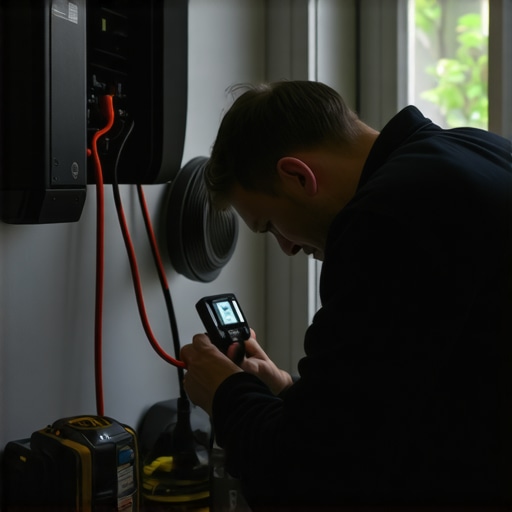
Have you ever been in the middle of a busy day, only to hear that unsettling buzz or crackle from your ceiling fan or electric vehicle charger? I remember the first time my EV charger flickered and refused to start. I felt a mix of frustration and helplessness — like I was stuck in a never-ending wiring maze. It was a wake-up call that I needed a better way, not just to troubleshoot but to actually fix these problems myself.
Why Fixing Your Home Electric Devices Matters More Than Ever
In today’s world, our homes are more connected and dependent on reliable electrical systems than ever before. From charging your EV to cooling your living room with a ceiling fan, these devices keep our lives running smoothly. Yet, when they stop working, it’s often looked at as a costly repair beyond our grasp. Not so! Taking a hands-on approach saves money and gives you peace of mind. Plus, according to the Electrical Safety Foundation International, nearly 30,000 home electrical fires occur annually, many due to simple wiring issues that could be avoided with basic troubleshooting knowledge.
Is DIY Fixing Actually Worth the Hype or Just a Risk?
I’ll admit, I made a costly mistake early on — trying to fix my ceiling fan without unplugging it first. Sparks flew, and I learned the hard way that a little knowledge goes a long way. Trust me, I became more cautious and educated myself. Nowadays, with reliable guides like this expert guide, I can troubleshoot effectively and avoid dangerous mistakes. If you’ve faced similar issues or want to learn how to handle your device repairs safely and swiftly, you’re in the right place. We’re about to delve into practical, proven steps that can help transform you into your own home troubleshooting hero — saving time, money, and stress.
Turn Off Power Before Starting
Imagine trying to fix your ceiling fan or EV charger like deactivating a dangerous machine—because that’s exactly what you’re doing. First, locate your home’s main breaker or the dedicated circuit switch for the device. Flip it to OFF. This simple step prevents electrical shocks and shorts. I once started working on my EV charger without turning off the power, leading to a small spark—lesson learned that safety isn’t optional. Always verify the power is off using a non-contact tester before proceeding.
Inspect Basic Connections and Components
Think of your device as a puzzle—loose or broken pieces cause the whole picture to fall apart. Check plug connections, terminal screws, and visible wiring for looseness, burns, or damage. Remove any dust or corrosion gently. For instance, I found a loose wire connection inside my ceiling fan canopy, which caused flickering. Re-tightening the wire secured proper operation. This fairly straightforward step can quickly identify simple problems and save the cost of replacing parts.
Test Voltage and Continuity
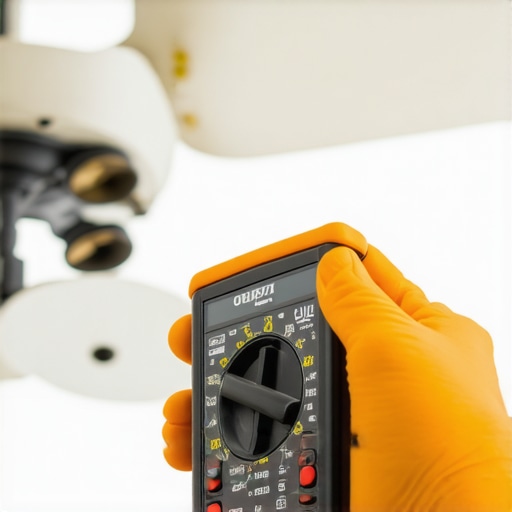
Use a multimeter as your detective tool to confirm if electricity flows as expected. Set your multimeter to AC voltage, and carefully test between the hot wire and ground. For continuity, switch to the resistance setting, and test switches or relays. During my first attempt, I tested my EV charger port, discovering that a relay had high resistance—pointing to failure. Mastering this test gets you past guesswork, giving clear indications about the step to take next.
Identify Faulty Components
Compare your test results with the device’s wiring diagram or troubleshooting guide. Bad components might be burned resistors, damaged capacitors, or faulty switches. When my ceiling fan’s capacitor showed no continuity, I ordered a replacement, which restored smooth operation. Keep a list of common faults and their symptoms handy. Remember, knowing exactly what’s broken allows precise repairs, avoiding unnecessary replacements.
Replace or Repair as Needed
If you’ve pinpointed a bad part, source a quality replacement—preferably from the manufacturer or a reputable supplier. Follow instructions carefully, noting orientation and connections. I once replaced a faulty capacitor by following a guide, and it worked like new. Use insulated tools to handle components safely, and double-check connections before restoring power. Pro tip: always keep spare parts like fuses or relays in your toolbox.
Restore Power and Test
Once repairs are complete, flip the breaker back to ON. Turn on the device and observe. Listen for unusual sounds, check for flickering lights, or error signals. During my last test, I monitored the EV charging process, ensuring stable operation. If issues persist, revisit your previous steps or consult a professional. This final step confirms your troubleshooting was successful and your device is ready for everyday use.
By following these concrete steps, you transform yourself into a home troubleshooting hero. Remember, safety first: never work on live circuits. With practice, diagnosing problems becomes second nature, saving you time and money, and giving you confidence in handling electrical hiccups—big or small.
Even experienced DIY enthusiasts sometimes fall prey to misconceptions about troubleshooting electrical devices like ceiling fans and EV chargers. A prevalent myth is that replacing components based solely on visual damage guarantees a fix, but in reality, many faults are subtle and require detailed testing. For instance, a burned-looking resistor may seem obvious, yet the real issue could be a faulty circuit board or a hidden wiring problem elsewhere. Relying only on surface inspection can lead you down a costly and time-consuming rabbit hole.
One critical nuance often overlooked is the importance of understanding the device’s internal wiring and how subtle issues, such as micro-fractures or partial shorts in solder joints, can cause intermittent problems. These flaws are invisible to the naked eye but can be diagnosed with precise multimeter testing or specialized detectors. In my own experience, I replaced a seemingly burnt capacitor in my ceiling fan only to find that the underlying cause was a loose terminal connection, which I’d have missed without proper testing. This highlights why superficial troubleshooting is rarely enough.
Many people get caught in the trap of assuming that all troubleshooting steps are equal. For example, some believe that flipping the circuit breaker off and on again might resolve complex issues—a risky misconception. While this can sometimes reset minor faults, it doesn’t address underlying component failures or wiring issues. Pressing reset buttons is often hailed as a miracle cure, but overconfidence in it can delay proper diagnosis and lead to repeat failures.
**Why Do Wiring Complexities Matter More Than You Think?** In advanced systems, especially EV chargers integrated with home automation, hidden wiring intricacies influence system stability. Poorly routed cables, unnoticed ground loops, or inadequate gauge wiring can cause voltage drops or noise that mimic component failures. Recognizing these subtle issues can save you from unnecessary replacements. Experts suggest that understanding the broader electrical environment is just as critical as testing individual parts. To deepen your knowledge, check out this comprehensive guide on fixing EV chargers and ceiling fans efficiently.
Another advanced consideration is the electrical code compliance and the component’s ratings. Using parts that don’t meet these standards can cause future failures or safety hazards. For example, installing a fan capacitor with a lower voltage rating might seem harmless initially, but it increases the risk of overheating and failure over time. Make sure your repairs not only fix the issue but also adhere to current safety protocols.
Lastly, beware of common myths such as the idea that ‘older wiring is always bad.’ While outdated wiring can pose risks, some older installs are perfectly adequate if maintained properly. Instead, focus your attention on signs of wear, improper grounding, and insulation degradation. Regular inspections by a qualified electrician can reveal these hidden issues before they escalate.
Have you ever fallen into this trap? Let me know in the comments. Remember, the key to effective troubleshooting lies in understanding the subtle nuances and avoiding superficial fixes that could lead to bigger problems down the line. Equip yourself with knowledge, verify your assumptions, and don’t hesitate to consult professional resources like this expert troubleshooting guide to elevate your skills.
Keep Your Devices Running Smoothly with the Right Tools
Maintaining your ceiling fans and EV chargers isn’t just about fixing issues when they occur but ensuring long-term performance and safety. Having the proper tools at your disposal is critical for effective troubleshooting. Personally, I swear by a high-quality digital multimeter because of its precision in testing voltage, resistance, and continuity. For example, when diagnosing intermittent faults, a multimeter helps identify micro-fractures in wiring or failed components that are invisible to the naked eye. I also keep a dedicated insulated screwdriver set—specifically with insulated handles—to safely tighten or remove electrical connections without risking shocks. Additionally, a non-contact voltage tester is invaluable for quick safety checks before working on any device.
Beyond hardware, software tools are becoming increasingly relevant. For instance, many modern EV chargers support firmware updates or diagnostic apps that can pinpoint issues remotely. Apps linked with smart breakers or home automation systems allow me to monitor electrical parameters in real-time, spotting patterns that signal underlying problems before they escalate. These digital tools extend the lifespan of your devices and prevent costly repairs.
Steps to Maintain Your Systems Over Time
Regular visual inspections are vital. Look for signs of wear such as frayed wiring, burnt connectors, or loose terminals. Follow the manufacturer’s guidelines for periodic inspections—many recommend checking connections quarterly. Cleaning dust and debris from fixtures not only keeps them aesthetically pleasing but also prevents overheating. Applying dielectric grease to connections can prevent corrosion, especially in humid environments. Furthermore, scheduling professional inspections at least once a year can catch hidden issues like micro-cracks or insulation degradation, which aren’t visible but could cause failures later. Consistent maintenance creates a proactive rather than reactive approach, significantly extending device longevity.
Anticipating Future Trends in Troubleshooting and Maintenance
The future of electrical troubleshooting leans heavily towards automation and smart diagnostics. Advances in IoT-enabled devices mean that your EV charger or ceiling fan can report issues directly to your smartphone or alert your electrician remotely. As these technologies become more affordable and widespread, expect quicker diagnosis, predictive maintenance, and even automated repairs through AI-driven systems. Embracing these innovations today can save you time and money tomorrow. To stay ahead, I suggest integrating compatible smart monitoring tools and keeping firmware updated regularly. For comprehensive, step-by-step advice on adopting these future-ready solutions, check out the expert guide on fixing EV chargers and ceiling fans.
How do I maintain my systems over time?
Establish a routine that combines regular visual inspections, cleaning, and testing with the right equipment. Keep your multimeter calibrated, update any connected software, and stay informed about the latest safety standards. This proactive approach ensures your ceiling fans and EV chargers operate efficiently and safely for years to come. Don’t hesitate to try out advanced diagnostic techniques, like using an insulation tester, to identify micro-fractures before they cause bigger problems. Implementing such practices now will pay off through reduced downtime and repair costs in the future.
Remember, consistent maintenance is your best defense against unexpected failures. Incorporate these tools and tips into your routine, and you’ll be well on your way to mastering home electrical upkeep. For more detailed strategies and expert recommendations, visit this comprehensive troubleshooting guide.
Lessons That Changed My Troubleshooting Approach
One of the most profound lessons I learned is that jumping to replace parts without thorough testing often leads to disappointment. It’s tempting to assume a visible burn mark equals the fault, but deeper inspection and testing can reveal hidden issues. Also, I discovered that neglecting safety protocols, like ensuring the power is off, can result in dangerous surprises—don’t rush this step. Lastly, I realized that investing time in understanding your device’s wiring and components saves time and money in the long run, empowering you to troubleshoot with confidence.
Tools and Resources That Elevated My Skills
Over time, I found certain tools indispensable: a reliable multimeter is essential for accurate testing; a good set of insulated screwdrivers keeps you safe; and a non-contact voltage tester offers quick safety checks. For reference and detailed guidance, I highly recommend exploring this expert troubleshooting guide. It’s helped me understand complex issues and avoid common pitfalls. Additionally, books like “Electrical Wiring Residential” provide foundational knowledge that continues to serve me well.
Your Next Step in Electrical Self-Reliance
Taking charge of troubleshooting your ceiling fan or EV charger isn’t just about fixing things—it’s about gaining independence and peace of mind. By applying these lessons and leveraging the right tools, you’re building a skill set that enhances your home’s safety and efficiency. Start small, stay cautious, and remember that each successful fix boosts your confidence. Ready to become your own troubleshooting hero? Share your experiences or questions below—I’d love to hear your journey into electrical independence.