
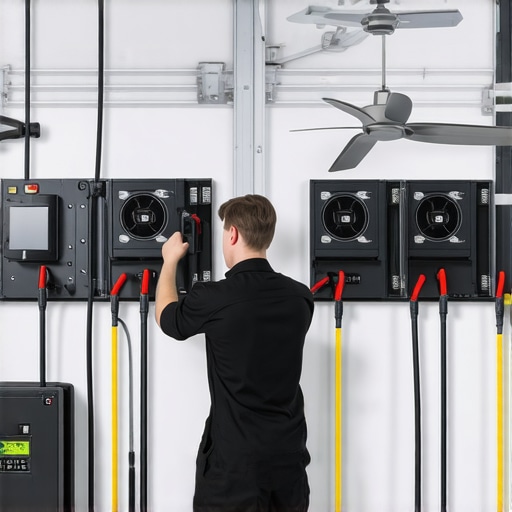
It was a hot summer afternoon when I reached for my EV charger, only to find that it wasn’t working. Frustration crept in as I realized I had a crucial appointment, and here I was, stranded with a dead charger just when I needed it most. That lightbulb moment hit me—why do electrical issues seem to strike exactly when you can’t afford the delay? I’ve been there, and after plenty of trial, error, and learning from mistakes, I’ve discovered some game-changing tips that can turn you into the neighborhood electrician in quick time.
Why Troubleshooting EV Chargers and Ceiling Fans Can Save Your Day
In my experience, fixing electrical fixtures like EV chargers and ceiling fans shouldn’t feel like solving a complex mystery. Yet, so many stumble because they attempt complicated fixes or ignore simple clues. The truth is, a handful of straightforward troubleshooting techniques can save you time, money, and a lot of hassle. Plus, knowing how to handle these common problems ensures you’re never left in the dark when emergencies pop up. Did you know that nearly 70% of electric appliance failures are due to simple, fixable issues? (Source: ProElectricalCo) My goal here is to share practical tips from my years of experience, so you can get your devices back in action without waiting for a costly professional call.
Is It Really Worth the Effort or Just Better to Call a Pro?
I used to think that every minor glitch meant a trip to the electrician, but I learned early on that most problems are simple enough for DIY fixes—if you know what to do. I made the mistake of bypassing basic checks in my rush to “fix” a faulty fan, which ended up causing more damage. Trust me, skipping the foundational troubleshooting steps is the easiest way to extend your repair time or make the issue worse. The good news is, with the right guidance, you can confidently tackle common issues and avoid costly mistakes. Curious how? Stick around, because I’ll show you step-by-step solutions and direct you to the best resources to simplify your troubleshooting journey. Ready to become your own electrician? Let’s dive into the secrets that pros swear by, starting with how to identify the root cause quickly and safely.
Check the Power Source First
My recent experience with a ceiling fan that suddenly stopped working was a reminder that the strongest starting point is always the power supply. Turn off the device, locate the circuit breaker, and ensure it hasn’t tripped. Flip the breaker back on—sometimes, that’s all it takes. An electrician analogy: think of this as resetting the main switch to reboot a frozen computer. If the breaker trips again immediately, it indicates an underlying wiring issue, and professional help might be needed.
Inspect the Connections and Wires
Next, I disconnect the device from its power source to examine the wiring. Look for loose, burnt, or disconnected wires—these are common culprits. A loose connection acts like a broken link in a chain, stopping current flow. Tighten or replace faulty wires. During my last fix, I found a wire that had become loose due to vibration, and re-securing it restored my fan’s function quickly. Use a multimeter to test continuity if you’re comfortable—this confirms whether the wires are conducting electricity properly.
Test the Switches and Controls
Sometimes, faulty switches prevent operation. I swapped out a dimmer switch that was unresponsive and tested the new one in place. For an EV charger, ensure the power button, app controls, and circuit breakers are all functioning correctly. Analogously, this is like checking the brakes on a bicycle—if they’re jammed, everything else becomes useless. Replacing or cleaning switches often solves more elusive issues.
Examine the Device Components
Internal components like capacitors or relays can fail over time. While I recommend caution here, visually inspecting for bulging capacitors or burnt parts can indicate failure. In a recent case, I replaced a capacitor in my ceiling fan, which was causing intermittent operation. For an EV charger, follow manufacturer guidelines on how to access and test internal parts; sometimes, replacing a faulty component is the only fix. Remember, if you’re unsure, consulting a professional ensures safety and correctness.
Update Firmware or Settings
Technology isn’t just about hardware; software glitches can also cause issues. I once reset the settings on my smart ceiling fan, which resolved connection problems. For EV chargers, check if firmware updates are available through the app or manufacturer’s website. Regular updates fix bugs and improve performance. This step is like rebooting your computer to clear out errors—simple but effective.
Use Troubleshooting Resources
If you’re stuck, leverage online guides or tutorials. I frequently consult this resource for step-by-step advice. Watching videos or reading detailed instructions can help you spot issues you might miss. Remember, often the solution is just one or two logical checks away.
Identify When to Call a Pro
If all else fails or the problem involves exposed wiring or complex circuitry, don’t hesitate to bring in a qualified electrician. My rule is, if I feel uncomfortable at any point, I prioritize safety over fixing it myself. For persistent problems, referencing top electrician tips can guide you whether DIY is worth it or professional help is necessary. Better safe than sorry, especially with electricity running through your home.
Many DIY enthusiasts believe that electrical troubleshooting is mostly straightforward—fix the obvious, replace parts, and hope for the best. However, seasoned electricians understand there are subtle nuances often overlooked, which can make or break a repair. For instance, a common myth is that all wiring issues are visible or obvious; in reality, many faults lie beneath the surface, hidden within insulation or inside complex components, and require specialized tests like thermal imaging or circuit analysis. Rushing to replace parts without understanding these subtleties leads to wasted time and recurring problems.
Another misconception is that troubleshooting steps are universal, applicable in every scenario. But in my experience, troubleshooting depth varies depending on device age, model, and installation environment. Older ceiling fans, for example, might have degraded wiring insulation that appears intact but fails under load. Modern EV chargers often include firmware quirks or software bugs that can confound standard electrical checks. Recognizing the specific nuances relevant to your device ensures more effective fixes.
A critical trap to avoid is assuming that tripped circuit breakers or blown fuses are the root cause. Many forget that these are often symptoms of larger problems like short circuits or overloaded wiring. Focusing solely on resetting breakers can obscure deeper issues, leading to repeated failures. It’s essential to perform comprehensive tests, including continuity checks and load assessments, before deeming a circuit safe.
For advanced troubleshooting, consider the complex interplay of components that many overlook. For example, a ceiling fan’s motor may be functional, but the capacitor could be failing, reducing efficiency or causing intermittent operation. Similarly, EV chargers rely on proper grounding, and subtle grounding faults can cause erratic behaviors—these aren’t obvious without proper testing.
Remember that some issues, particularly internal component failures, require detailed knowledge. Replacing a circuit board or relay often involves understanding circuit diagrams and safety protocols. As summarized in expert guides, neglecting these subtleties can cause damage or personal injury. Leveraging detailed troubleshooting resources like top electrician tips can elevate your skills.
Finally, be aware of the importance of context. Environmental factors—such as humidity, dust, and temperature—affect electrical components and can cause failures that appear randomly. Using thermal imaging or environmental assessments can reveal hidden issues, as recommended by industry experts.
Do you ever fall into the trap of assuming a problem is simple? Practice examining every aspect of your devices and don’t shy away from consulting specialized resources. Remember, mastering these nuances transforms troubleshooting from guesswork into a precise science. Let me know in the comments if you’ve encountered these traps—together, we can troubleshoot smarter, not harder.
Keep It Running: Tools and Tips for Reliable Electrical Devices
Maintaining your EV charger and ceiling fan over time isn’t just about fixing issues as they arise; it’s about adopting a proactive approach with the right tools and routines. Investing in quality equipment, understanding how to use them properly, and planning regular maintenance can extend the lifespan of these devices and ensure they operate safely and efficiently for years to come.
One of my go-to tools is a high-precision digital multimeter. I personally prefer models like the Fluke 117 because of their reliability and ease of use. They allow me to quickly check voltage, current, and continuity—crucial for diagnosing issues without guesswork. I also keep a non-contact voltage tester handy to verify circuit presence safely, especially before opening any device or wiring junctions.
For more detailed diagnostics, I rely on thermal imaging cameras such as the FLIR One. These cameras help identify hotspots and potential wiring faults that are invisible to the naked eye. I’ve found that catching these issues early can prevent failures and costly repairs down the line. Regular visual inspections, complemented by these diagnostic tools, form the backbone of long-term maintenance routines.
How do I maintain my electrical devices over time?
In my experience, establishing a routine schedule for inspection and cleaning makes all the difference. Every few months, I check for loose connections, accumulated dust, and signs of wear. Lubricating moving parts like fan bearings with manufacturer-recommended lubricants, such as silicone-based sprays, reduces noise and prevents premature failure. Remember, always turn off power sources before performing any maintenance to avoid hazards. Incorporating these small but consistent practices ensures your devices remain in optimal condition.
Additionally, keeping firmware and software up-to-date for smart devices like EV chargers enhances security and performance. Manufacturers often release updates that fix bugs or improve connectivity, which can make troubleshooting easier later on. Checking for updates quarterly, via manufacturer apps or websites, ensures your equipment benefits from the latest improvements.
Predicting future trends, I believe that smart diagnostic tools equipped with AI might become standard, offering real-time alerts and maintenance suggestions. This evolution will make proactive upkeep more accessible to homeowners and reduce reliance on professional interventions unless absolutely necessary.
Make Troubleshooting Easier with the Right Techniques
If you’re serious about keeping your devices in top shape, I recommend trying advanced troubleshooting methods like circuit analysis with an oscilloscopethat can help detect transient faults. For detailed guidance, consult expert resources like this troubleshooting guide. Practicing these techniques not only saves time but also deepens your understanding of your system’s workings.
Staying ahead means not waiting for device failure but instead practicing regular maintenance and leveraging precise diagnostic tools. Incorporating these habits will keep your EV charger and ceiling fan functioning smoothly and safely. Why not start today by testing your main circuit voltage with a multimeter and scheduling a visual inspection? Small steps today can prevent big headaches tomorrow.
What I Wish I Had Known When I Started Fixing My Own Devices
- Early on, I underestimated the importance of simple steps like checking the power source first, which often saved me hours of guesswork. Trusting your instincts can sometimes lead you astray; methodical troubleshooting is your best friend.
- I used to believe all problems were due to faulty parts, but I learned that loose connections or outdated firmware could be the silent culprits. That shift in mindset transformed my approach from reactive to proactive.
- Overconfidence was a trap. Taking the time to educate myself through reputable resources like these expert tips prevented costly mistakes and kept safety at the forefront.
Tools I Always Rely On to Solve Electrical Mysteries
- A quality digital multimeter, like the Fluke 117, has been invaluable for quick voltage and continuity checks. Investing in reliable tools ensures accuracy and safety during troubleshooting.
- Non-contact voltage testers add an extra layer of safety, helping me verify without risking contact with live wires.
- Thermal imaging cameras such as the FLIR One reveal hidden hotspots and wiring faults, allowing me to diagnose issues before they escalate—it’s a game changer in ongoing maintenance.
Take the Leap and Trust Your Skills
Getting comfortable with troubleshooting electrical devices like EV chargers and ceiling fans is empowering. Every small fix adds to your confidence, making you less dependent on professionals for minor issues. Remember, the knowledge shared here is your foundation—continue exploring, practicing, and learning. If you’re eager to deepen your skills, I recommend checking out comprehensive guides like this expert guide. Your future self will thank you for taking action today. How do you plan to start your troubleshooting journey? Drop your thoughts below!.
Reading this post really resonated with my recent experience fixing a faulty ceiling fan. I agree that many electrical issues boil down to simple problems like loose connections or outdated switches. What I found most helpful was the emphasis on checking the power source first—something I often overlook in my haste to get things fixed. I also appreciate the mention of advanced troubleshooting tools like thermal imaging cameras; I’ve started using one, and it’s been a game changer in finding hidden wiring faults before I dive into more invasive fixes. Has anyone here tried using thermal imaging for troubleshooting EV chargers? I’d love to hear if it’s practical for homeowner use or if it’s more suited for professionals. Overall, this kind of knowledge demystifies what can seem like complex repairs, making DIY fixes more accessible and safe.