
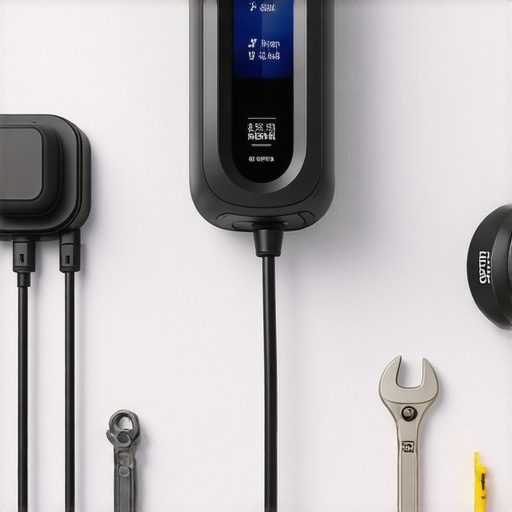
My Journey into Fixing EV Chargers and Ceiling Fans
Just a few months ago, I found myself staring at a non-responsive EV charger in my garage, feeling both frustrated and curious. Having dealt with ceiling fan issues before, I knew that electrical troubleshooting, while intimidating at first, becomes manageable once you understand the basics. This personal experience ignited my passion for DIY electrical fixes, and I want to share some insights that might help you troubleshoot your own devices quickly and confidently.
Understanding Common Troubles with EV Chargers & Ceiling Fans
Over time, I learned that many problems stem from simple causes—loose connections, faulty switches, or worn-out parts. For example, my EV charger stopped working suddenly, and after some research, I discovered that it might be related to a tripped circuit breaker or a faulty outlet. Similarly, ceiling fans often cease to spin or wobble due to loose blades or motor issues. Recognizing these patterns has saved me time and money, especially when I follow trusted electrical troubleshooting tips from reliable sources like professional electrician solutions.
What Are the Quick Fixes for EV Charger & Ceiling Fan Problems?
One of the first steps I take is to ensure safety by turning off power to the device. For EV chargers, I check the outlet and circuit breaker, often resetting them to resolve minor glitches. For ceiling fans, I inspect the wiring, switch, and the fan blades. Sometimes, simply tightening loose connections or cleaning contacts restores proper function. If the problem persists, I consult detailed guides, such as electrician troubleshooting tips, which have proven invaluable for complex issues.
How Do I Know When to Call a Professional?
As someone who values safety, I always remember that electrical work can be risky. If after basic troubleshooting, the device still doesn’t work or shows signs of damage—like burning smells, sparks, or persistent trips—I prefer to call an electrician. Reliable services, like home electrician experts, can diagnose and fix issues safely and effectively. Trusting professionals not only saves time but also ensures the safety of your home’s electrical system.
Ever Wondered Why My Ceiling Fan Wobbles or My EV Charger Keeps Tripping?
This question often pops into my mind, especially after troubleshooting for hours. Wobbly ceiling fans usually mean unbalanced blades or loose mounting brackets, while frequent EV charger trips might indicate wiring issues or overloaded circuits. Learning to diagnose these symptoms is key to quick fixes, and I encourage you to explore authoritative sources like top troubleshooting tips for more detailed guidance.
If you’re interested in more DIY electrical tips or want to share your own experiences, I’d love to hear from you in the comments below. Remember, safety first—when in doubt, consulting a professional is always the best move!
Unraveling the Mystery: Why Do My Ceiling Fan and EV Charger Act Up?
Electrical devices like ceiling fans and EV chargers can sometimes become temperamental, leaving homeowners scratching their heads. The key to effective troubleshooting lies in understanding the nuanced behaviors these devices exhibit. For instance, a ceiling fan that suddenly wobbles might have unbalanced blades or loose mounting hardware, but persistent humming or flickering could point to motor issues or wiring faults. On the other hand, an EV charger that trips the circuit breaker repeatedly might be dealing with overloads, grounding issues, or faulty wiring. Recognizing these symptoms early can prevent further damage and ensure safety, which is why consulting authoritative sources such as professional electrician solutions is invaluable.
What Are the Most Overlooked Causes of Electrical Device Malfunctions?
Often, homeowners overlook simple yet critical factors like loose connections, corroded contacts, or outdated wiring. For example, a loose connection in the circuit that supplies power to your ceiling fan might cause intermittent operation, while degraded insulation in EV charger wiring can lead to frequent trips and potential safety hazards. Understanding these underlying issues requires a keen eye and some technical knowledge, but it’s essential for accurate diagnosis. Moreover, environmental factors like humidity or dust accumulation can exacerbate electrical faults, highlighting the importance of regular maintenance and inspections.
Deep Dive: How Do Expert Electricians Diagnose Complex Electrical Faults?
Professional electricians employ a systematic approach to troubleshooting, starting with visual inspections followed by using specialized tools such as multimeters and circuit testers. They check for proper grounding, verify wiring integrity, and test circuit loads to identify overloads or faults. For ceiling fans, they might inspect the motor capacitor, switch, and blade balance, while for EV chargers, they examine the circuit breaker, outlet, and internal components. This comprehensive process minimizes guesswork and ensures that issues are resolved safely and permanently. If you want to learn more about the detailed procedures, I recommend reviewing expert troubleshooting tips that provide step-by-step guidance for common problems.
Can Preventative Maintenance Save Your Electrical Devices from Major Failures?
Absolutely. Regular inspections, cleaning contacts, tightening loose connections, and updating worn-out parts can extend the lifespan of your ceiling fans and EV chargers significantly. Preventative maintenance also helps catch potential issues before they escalate into costly repairs or safety risks. For example, a simple routine check of your ceiling fan’s mounting brackets and blades can prevent wobbling and noise, while inspecting your EV charger’s wiring and circuit breaker can preempt trips and electrical fires. Implementing a proactive maintenance schedule, possibly guided by professional advice, is a smart investment in your home’s electrical health. For more practical tips, visit trusted electrical maintenance tips.
If you’re curious about more advanced troubleshooting techniques or want to share your own experiences, I invite you to leave a comment below. Sharing knowledge helps build a community of informed homeowners dedicated to electrical safety and efficiency.
Unveiling the Intricacies Behind Persistent Electrical Troubles
As I delved deeper into the world of electrical troubleshooting, I started noticing patterns that go beyond simple loose connections or worn-out parts. Sometimes, a ceiling fan might wobble even after balancing the blades, or an EV charger repeatedly trips despite seemingly sound wiring. These issues often stem from complex underlying causes that require a nuanced understanding and a more investigative approach. I remember a particular instance where my ceiling fan’s motor capacitor was failing gradually, causing intermittent operation that was hard to diagnose without a multimeter and some patience. Recognizing these subtleties has been a game changer, and I encourage fellow DIY enthusiasts to develop their diagnostic skills by studying professional techniques, such as those outlined in electrician troubleshooting guides.
The Hidden Factors: Environmental and Material Influences
Beyond the typical electrical faults, environmental factors can subtly influence device performance. Humidity, dust accumulation, and temperature fluctuations can accelerate corrosion of contacts, degrade insulation, or cause contact resistance issues that lead to malfunction. For example, I once found that my outdoor EV charging station’s frequent trips were related to moisture ingress into the wiring connections, which caused intermittent shorts. Regular inspections and protective measures—like sealing connections and ensuring proper ventilation—are vital for long-term reliability. This level of preventative care aligns with insights from professional maintenance tips, emphasizing that understanding environmental impacts is essential for sophisticated troubleshooting.
Why Do Some Electrical Faults Require a Systematic, Step-by-Step Approach?
One of the most valuable lessons I’ve learned is that electrical problems rarely have a single cause. Instead, they often involve a cascade of issues—worn wiring, degraded components, or even improper installation—that compound over time. Diagnosing such faults demands a systematic approach: starting with a visual inspection, followed by targeted testing with multimeters, and then isolating variables. This methodology not only saves time but also enhances safety, especially when dealing with high-current devices like EV chargers. Electricians employ comprehensive diagnostic routines, as described in expert troubleshooting tips, which I’ve found invaluable for tackling complex problems that typical DIY measures might not resolve.
How Can Advanced Diagnostic Tools Elevate Your Troubleshooting Skills?
Investing in quality diagnostic tools—such as clamp meters, circuit analyzers, and thermal cameras—has profoundly expanded my troubleshooting capabilities. For instance, a thermal camera can reveal hotspots indicating overloaded wires or failing components, providing insights that are invisible to the naked eye. These tools help diagnose issues like subtle wiring faults or internal component failures before they escalate into safety hazards or costly repairs. I recommend exploring resources like top electrical troubleshooting tips to understand how to leverage these technologies effectively. Sharing your experiences with such tools can foster a community of informed homeowners who prioritize safety and precision.
Encouraging Personal Reflection and Community Knowledge-Sharing
Every troubleshooting journey teaches me something new—whether it’s a forgotten wiring code, a clever diagnostic trick, or a lesson in patience. I invite you to reflect on your own experiences and share your insights or challenges in the comments. By exchanging knowledge, we empower each other to tackle electrical issues confidently and safely. Remember, while DIY repairs are rewarding, knowing when to call a professional, especially for complex or high-risk problems, remains a cornerstone of responsible homeownership. If you’re eager to deepen your understanding, explore more about expert repair guides and continue building your troubleshooting expertise.
Deciphering Complex Electrical Faults with Methodical Precision
As my experience deepened, I realized that many persistent issues with EV chargers and ceiling fans are often the result of layered problems rather than simple malfunctions. For example, a ceiling fan wobbling despite balanced blades might indicate a failing motor capacitor, which gradually deteriorates over time due to heat and electrical stress. Similarly, an EV charger tripping repeatedly under normal load could stem from subtle wiring degradation or internal circuit faults. To diagnose these intricacies, I adopted a systematic approach inspired by professional standards, employing tools like advanced multimeters and circuit analyzers to trace the fault origins. This method not only enhances accuracy but also elevates safety standards, aligning with the meticulous practices documented by expert electrician protocols.
Leveraging Specialized Diagnostics for Hidden Faults
Uncovering subtle issues requires more than basic visual inspection. I integrated thermal imaging cameras into my troubleshooting arsenal, which revealed hotspots in wiring connections or motor components prior to failure. These insights allowed me to address problems proactively, preventing costly breakdowns or safety hazards. For instance, detecting overheating in a wiring junction pointed to corrosion or loose contacts that could have caused a fire risk if left unaddressed. Investing in such diagnostic tools has proven invaluable, especially when combined with detailed knowledge from authoritative sources like top troubleshooting guides. The nuanced understanding gained through these technologies significantly reduces guesswork and accelerates resolution times.
Expert Strategies for Environmental and Material Factors
Environmental influences often masquerade as electrical faults. I’ve observed that moisture ingress, dust accumulation, and temperature swings can accelerate wear on contacts and insulation, leading to unpredictable device behavior. For example, outdoor EV charging stations exposed to humidity frequently develop intermittent shorts, which confound standard troubleshooting. To mitigate these issues, I recommend routine inspections, sealing connections, and ensuring proper ventilation. Such proactive measures are supported by comprehensive maintenance strategies outlined in trusted electrical maintenance tips. Recognizing environmental impacts as part of your diagnostic process can prolong device lifespan and enhance overall reliability.
Deep Dive into Systematic Diagnostic Methodologies
Adopting a structured troubleshooting framework is essential for complex faults. I start with a thorough visual assessment, verifying wiring integrity, mounting stability, and component condition. Next, I utilize specialized test instruments—such as clamp meters to measure current fluctuations and circuit analyzers to detect overloads—to map out the fault landscape. This layered approach ensures that no underlying issue is overlooked, aligning with practices detailed in professional troubleshooting routines. Such rigor not only diagnoses the problem accurately but also minimizes the risk of future failures, fostering safer and more resilient electrical systems.
Harnessing Advanced Tools for Precise Troubleshooting
The integration of cutting-edge diagnostic devices has profoundly expanded my troubleshooting capabilities. For instance, using a thermal camera to scan wiring harnesses and motor components reveals hidden faults invisible to the naked eye, enabling targeted repairs. Similarly, circuit analyzers help identify subtle overloads or grounding issues that cause frequent trips or motor failures. These tools, coupled with continuous learning from authoritative resources like top electrical troubleshooting tips, empower homeowners and professionals alike to elevate their diagnostic precision. Sharing insights about these technologies fosters a community committed to electrical safety and excellence.
Engage and Evolve: Share Your Troubleshooting Triumphs
Every advanced troubleshooting session enriches my understanding, revealing new diagnostic nuances and repair techniques. I encourage you to reflect on your own experiences and share your successes or challenges in the comments. By exchanging knowledge, we create a vibrant community dedicated to electrical mastery and safety. Remember, while mastering DIY fixes is rewarding, recognizing the limits of your expertise and consulting professionals for complex issues remains the cornerstone of responsible homeownership. For those eager to deepen their skills, I recommend exploring detailed guides such as comprehensive repair guides that can serve as your blueprint for success. Keep learning, keep troubleshooting, and stay safe!”},
Things I Wish I Knew Earlier (or You Might Find Surprising)
Hidden Causes Are Often Overlooked
One thing I learned the hard way is that many electrical issues with EV chargers and ceiling fans stem from simple overlooked factors like corroded contacts or loose wiring. Early on, I would spend hours chasing complex problems when a quick check for corrosion or loose connections could have saved me time. Now, I always inspect these basic elements first, which makes troubleshooting much smoother and safer.
Environmental Factors Play a Big Role
Humidity, dust, and temperature swings can subtly cause electrical faults that mimic more serious problems. For example, I once had an outdoor EV charger trip repeatedly, and it turned out to be moisture ingress into the wiring. Regular inspections and sealing connections have since become part of my routine, minimizing unexpected failures.
Tools Make a Difference
Investing in diagnostic tools like thermal cameras and circuit analyzers has transformed my troubleshooting approach. Seeing hotspots or subtle overloads that aren’t visible to the naked eye helps me diagnose issues accurately and quickly. I recommend exploring these tools if you want to elevate your DIY electrical skills.
Professional Help Is Sometimes Necessary
While DIY fixes are satisfying, I’ve learned that safety always comes first. When I encounter signs of damage like burning smells or sparks, I call a professional electrician. Their expertise ensures the problem is fixed safely, especially with high-current devices like EV chargers.
Preventative Maintenance Saves the Day
Regular inspections, cleaning contacts, and tightening connections have prevented many issues before they escalate. A little effort on maintenance extends the lifespan of my devices and keeps my home safe. It’s a smart habit I highly recommend.
Resources I’ve Come to Trust Over Time
- ProElectricalCo.com: This site offers detailed troubleshooting guides and professional tips that have helped me understand complex problems better. It’s like having a personal electrician at your fingertips.
- Electrical Safety Foundation International (ESFI): Their resources emphasize safety and best practices, which I find invaluable for DIY projects.
- YouTube channels of licensed electricians: Visual demonstrations from trusted electricians make complicated fixes much clearer and easier to follow.
Parting Thoughts from My Perspective
Troubleshooting EV chargers and ceiling fans might seem daunting at first, but with patience, the right tools, and a good understanding of common issues, you can often fix problems yourself. Remember, safety is paramount—know your limits and don’t hesitate to call professionals when needed. I hope my insights inspire you to approach electrical troubleshooting with confidence and curiosity. If this resonated with you, I’d love to hear your experiences or tips. Feel free to share in the comments or pass this along to someone who might find it helpful. Stay safe and keep learning!