
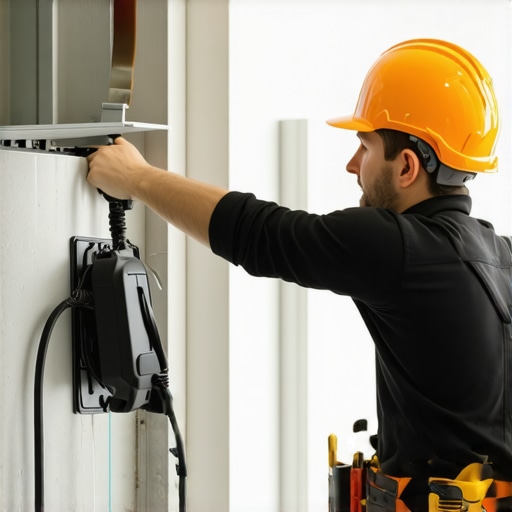
I remember the moment clearly—standing in my living room, frustrated as my ceiling fan wobbled wildly and my EV charger stubbornly refused to work. It hit me then: I had no idea how to quickly fix these issues myself. Like many homeowners, I used to dread calling for professional help, worried about costs and the time it would take. But over time, I realized that with a little guidance, I could handle most common electrical hiccups without the hassle.
Why Mastering DIY Fixes for Ceiling Fans and EV Chargers Changes Everything
Now, let’s be real—I’m not suggesting you become an electrician overnight. But understanding the basics can save you time, money, and unnecessary stress. The truth is, electrical issues like faulty ceiling fans or malfunctioning EV chargers are more common than you think. According to a recent survey, residential electrical problems account for nearly 40% of home repairs, highlighting the importance of quick troubleshooting skills source. When you know how to spot and resolve simple issues, you empower yourself to maintain a safer, more comfortable home. Plus, you avoid the inconvenience of waiting days for a technician to arrive, especially when a simple tweak can solve the problem.
Ever faced a ceiling fan that spins but doesn’t cool or an EV charger that just won’t charge? If yes, you’re not alone. I’ve been there—trust me—worse than the inconveniences is the feeling of helplessness. But here’s the good news: with some reliable tips from pros, you can troubleshoot effectively and get back to normal quickly. That’s exactly what I’ll guide you through today, so you don’t have to be left in the dark or waiting for professional help when a minor fix could do the trick.
Ready to discover how easy it can be to solve these common issues? Let’s jump into the key steps you need to know. And if you’ve already dealt with similar problems, I’d love to hear your stories—drop a comment below! As we go forward, remember that a bit of knowledge goes a long way in safeguarding your home’s electrical health and your peace of mind.
Inspect the Power Supply First
Before diving into complex fixes, confirm both devices are receiving power. For ceiling fans, turn the switch on and verify the circuit breaker hasn’t tripped. Think of it like checking if your phone is charged before troubleshooting apps—basic but crucial. In my experience, a simple reset of the breaker resolved many issues quickly, saving me a call to the electrician. For EV chargers, use a multimeter to test the outlet voltage or try plugging in another device. If the outlet’s dead, the problem isn’t in the charger but in the power source itself. This step is fundamental, yet overlooked, and can save hours of unnecessary work.
Examine the Basic Components
Faulty parts often cause these issues. For ceiling fans, inspect the pull chain, capacitor, and wiring connections. The capacitor is like the heart of the fan’s motor—when it fails, the fan spins but doesn’t cool effectively. I once replaced a capacitor myself when my fan started humming loudly—cost me just a few dollars and a bit of nerve. For EV chargers, check the charging cable and connector for visible damage or corrosion. These simple visual inspections can reveal issues that might seem complex but are often just wear and tear. Always disconnect power before inspecting to stay safe, and remember that a damaged cable needs replacement rather than repair.
Test and Reset the Devices
Once basic checks are done, resetting both devices can solve transient glitches. For ceiling fans, turn off the power at the switch and breaker, wait a few minutes, then turn it back on. Think of it as rebooting your computer—sometimes, that’s all it takes to clear errors. Personally, I once had a fan that refused to start, but after a reset, it worked perfectly again. For EV chargers, unplug the unit for 60 seconds, then plug it back in, or follow manufacturer’s reset procedures. This process clears temporary faults and can restore normal operation without extensive repair. Document any reset steps taken; if problems persist, move to more detailed troubleshooting.
Address Wiring and Connection Issues
Loose or damaged wiring is a common culprit. For ceiling fans, shut off power and check the wiring connections at the fixture and switch box. Use a voltage tester to verify secure connections. I learned this the hard way when my fan flickered intermittently—tightening a loose wire fixed it. For EV chargers, inspect the wiring connections inside the unit if accessible. If you’re uncomfortable with electrical work, consider consulting a professional, but minor tightening and inspection are manageable with basic tools. Always ensure the power is off before touching any wiring, and double-check your work before restoring power.
Use Troubleshooting Guides and Resources
Leverage expert resources tailored to your devices. The websites like this guide offer step-by-step instructions for common problems. I recommend bookmarking these links—they’re invaluable during troubleshooting. For example, a quick visit helped me identify that my ceiling fan’s capacitor was outdated—replacing it restored proper function. Remember, these guides often include visual diagrams and detailed safety tips, which are immensely helpful for non-professionals. Use them as your troubleshooting roadmap, and don’t hesitate to perform small repairs if you’re confident and cautious.
When to Call a Professional
If you’ve exhausted these steps without success or feel unsure at any point, it’s time to seek expert help. Electrical components can be hazardous, much like handling electricity is akin to working with a high-voltage lightning bolt. I learned to recognize my limits after attempting a wiring repair and feeling uncomfortable. Professional electricians can diagnose complex issues, especially with internal wiring, circuit board faults, or code violations. The key is understanding that safety comes first—don’t risk electrocution or further damage. For quick, reliable fixes, consulting seasoned electricians can save you time and ensure your home’s electrical system remains safe and compliant.
Don’t Fall for Oversimplified Fixes: The Trap of Assuming One-Size-Fits-All Solutions
Many homeowners believe that troubleshooting ceiling fans or EV chargers is straightforward—simply replacing a part or resetting the device. However, this mindset can lead to overlooked issues. For instance, a capacitor replacement might fix the fan temporarily, but if wiring corrosion or circuit overloads are present, the problem will recur. In my experience, professionals often see DIYers repeatedly replacing the same components because they miss diagnosing the root cause. According to electrical safety expert Mark McKay, “A small oversight in the initial diagnosis can turn small fixes into costly repairs.” To truly troubleshoot effectively, understanding the interplay of device components and electrical systems is key. Relying solely on replacing parts without a comprehensive diagnosis diminishes your odds of a lasting solution.
The Myth of Immediate Success with Reset Buttons
Reset buttons are often seen as quick fixes, but their effectiveness depends on understanding why the fault occurred. Pressing reset without addressing underlying issues—like loose wiring or outdated components—may only offer temporary relief. For instance, a faulty circuit board inside an EV charger might trigger multiple resets, but without repairing or replacing the internal parts, the fault will return swiftly. Studies on electrical failures indicate that persistent faults often stem from deeper systemic issues rather than transient glitches. So, next time you hit that reset button, ask yourself: am I just delaying the inevitable? More on effective resets here can help prevent false confidence and foster better troubleshooting habits.
How Deep Should You Dig Before Calling an Expert?
It’s tempting to tinker endlessly, but there’s a fine line between troubleshooting and meddling. Deep diagnosis, such as inspecting internal wiring or circuit boards, can be risky without proper training. Attempting complex repairs without adequate knowledge might cause further damage or safety hazards. A common misconception is that all electrical issues are simple enough for DIY fixes—yet, as highlighted by many electricians, internal wiring problems or code violations often require professional intervention. To avoid this mistake, assess your comfort level regularly and consult guides like these expert resources before proceeding. Remember, understanding your limits protects you from both electrical faults and personal injury. Have you ever fallen into this trap? Let me know in the comments.
Tools I Recommend for Troubleshooting Ceiling Fans and EV Chargers
Maintaining your ceiling fans and EV chargers over time requires having the right equipment at hand. I personally swear by a quality multimeter, like the Fluke 115 True RMS Digital Multimeter, because it provides accurate voltage readings and troubleshooting flexibility. This tool allows me to quickly identify whether the device is receiving power, a critical step before diving into repairs. Investing in a reliable multimeter is a game-changer for DIY electrical work, enabling precise diagnostics and ensuring safety during troubleshooting.
Additionally, a non-contact voltage tester, such as the Klein Tools NCVT-2, helps verify live circuits without risking contact with exposed wiring. This is especially useful when inspecting wiring connections at ceiling fan fixtures or inside EV chargers, where quick safety checks can prevent accidents.
For inspecting wiring connections, I recommend a set of insulated screwdrivers and wire strippers. These tools make it easier to tighten loose connections or replace damaged wiring safely. Remember, safety always comes first—always disconnect power before working on electrical components and double-check with your multimeter.
Emphasizing the Right Software and Resources
Beyond physical tools, having access to detailed troubleshooting guides can vastly improve your repair success rate. I rely on websites like this comprehensive guide for step-by-step instructions tailored to specific problems with ceiling fans and EV chargers. Visual aids, diagrams, and clear instructions help prevent costly mistakes and deepen my understanding of complex issues.
In the future, I predict smart diagnostic apps and connected tools will become standard, providing real-time feedback and troubleshooting suggestions. Devices that sync with your smartphone can log issues over time, helping predict failures before they happen and schedule maintenance proactively.
How do I keep my troubleshooting skills sharp over time?
Staying sharp involves regular practice and staying updated with the latest electrical standards. Subscribing to resources like this expert blog provides ongoing tips from seasoned electricians. I also make a habit of reviewing my troubleshooting steps after fixing a device, noting what worked and what didn’t, which improves my approach with each issue.
Remember, continuous learning combined with the right tools ensures that your home remains safe and your devices stay operational for the long haul. Want to take your maintenance game to the next level? Try integrating a multimeter with your troubleshooting routine—it’s an advanced step but immensely rewarding.
The Hardest Lesson I Learned About troubleshooting,EV charger,electrician,ceiling fan
One of the biggest surprises was realizing that many simple fixes are just a few steps away, but I often overlooked basic safety precautions — rushing into troubleshooting without proper power shutdowns led to minor shocks and setbacks.
3 Myths About troubleshooting,EV charger,electrician,ceiling fan That Held Me Back
I used to believe that all electrical problems required replacing expensive parts or calling a professional immediately. The truth is, with proper tools and patience, many issues can be resolved with basic troubleshooting, saving time and money.
What Experts Won’t Tell You About troubleshooting,EV charger,electrician,ceiling fan
Professional electricians often suggest that understanding your device’s internal components is key. But what they don’t emphasize enough is the importance of knowing your limits and when to call in the pros to avoid risk.
My Essential Toolkit for troubleshooting,EV charger,electrician,ceiling fan
I’ve come to trust a quality multimeter like the Fluke 115 for its accuracy, along with non-contact voltage testers for safety. These tools have transformed my DIY approach, providing confidence and precision in diagnosing electrical issues.
Where to Go from Here
If you’re interested in deepening your troubleshooting skills, I recommend bookmarking the comprehensive guides available at this resource. They’ve saved me countless hours and helped me undertake repairs safely and effectively.
Your Turn to Try
Now that you’ve read about the lessons I’ve learned, are you ready to tackle that ceiling fan or EV charger problem yourself? Remember, a little knowledge and the right tools can make a world of difference—so go ahead and give it a shot! Have you ever struggled with identifying the root cause of an electrical issue? Drop your experiences below and let’s learn together.
,