
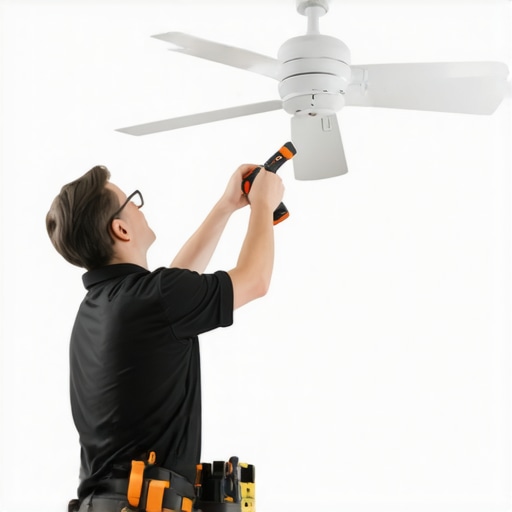
Ever had your ceiling fan stop working just when you needed it most? I remember the frustration vividly—sweating under a still, silent fan, thinking I could handle it myself. That moment was my lightbulb, realizing I needed solid troubleshooting skills to save time and money. It’s a feeling many homeowners know all too well: a sudden malfunction that leaves you wondering if it’s time to call in an electrician or if you can fix it on your own.
Why Your Ceiling Fan Might Be Acting Up and How to Tackle It
Ceiling fans are supposed to make life easier, not add to your stress. But when they stop spinning, wobble, or just won’t turn on, it can throw your whole room out of whack. From loose wiring to faulty switches, the causes can be surprisingly simple or downright tricky. The good news? With some basic knowledge and the right troubleshooting tips from experienced electricians, you can often fix the problem yourself—saving you time, hassle, and a few bucks.
Is Ceiling Fan Troubleshooting Really Worth the Effort?
Initially, I made a mistake many homeowners do: diving right into fixing without understanding the root cause. That led to unnecessary parts replacing and more confusion. But once I learned to identify the real issue—whether it’s a tripped circuit breaker or a loose wire—I realized troubleshooting is actually empowering. If you’re unsure about electrical safety or feel overwhelmed, don’t hesitate to consult a professional. But for minor issues, a little troubleshooting can go a long way. And for expert guidance, I recommend checking out these troubleshooting tips from trusted electricians.
In this post, I’ll walk you through the most common ceiling fan problems and show you how to fix them quickly. From identifying the cause to applying simple repairs, you’ll gain confidence in handling your ceiling fan issues. Ready to get your fan spinning again? Let’s dive into the practical steps that can save you time and money—and restore comfort to your home.
Start with Safety and Power Checks
Before diving into repairs, turn off the fan and switch off the circuit breaker to avoid electrical hazards. I once worked on a ceiling fan that refused to turn on—after flipping the breaker back on, the fan still didn’t respond. That’s when I checked the wall switch and found a loose connection. Ensuring power is safely disconnected helps prevent shocks and gives you peace of mind.
Inspect the Circuit Breaker
Look for a tripped breaker or a blown fuse. Reset the breaker by flipping it off and on again. If it trips immediately, you might have an overload or short circuit. Consider consulting an electrician if this persists. For detailed guidance, check these expert tips.
Examine the Fan’s Wiring and Connections
Loosen the canopy to access the wiring. Look for loose, disconnected, or burnt wires. I once found a loose wire that caused intermittent operation—reconnecting it restored full function. Use a voltage tester to verify power flow. Remember: always confirm the power is off before touching wiring. If wiring issues seem complex, professional help might be necessary.
Check for Loose Mounting and Hardware
Wobbly fans often wobble because the mounting or blades are loose. Tighten the screws securing the fan to the ceiling and the blade brackets. I had a wobble issue that was solved simply by tightening a few screws. For optimal safety and performance, follow the manufacturer’s instructions or consult trusted electrician solutions.
Test and Replace the Fan’s Switch and Remote
If the fan has a remote or pull chain, test these controls. Sometimes, the switch or remote receiver fails. Replacing a faulty switch can be straightforward—disconnect the old switch and connect a new one, ensuring compatibility. I replaced a switch that was sparking, which instantly fixed the non-functioning fan. For detailed switch troubleshooting, visit these electrician tips.
Assess the Fan’s Capacitor and Motor
In older fans, a faulty capacitor can prevent the blades from spinning. Use a multimeter to test the capacitor or replace it as a first step. If the motor is burned out or jammed, it might need professional repair or replacement. I had a fan motor burn out after a power surge—replacing it restored airflow in my room.
Final Troubleshooting and When to Call a Pro
If after these steps, the fan still doesn’t work, consider calling a professional electrician. Complex electrical issues, persistent wiring problems, or motor failures require expert diagnosis. Remember, safety always comes first—don’t hesitate to seek help if you’re unsure about handling electrical components. For trusted professional assistance, explore reliable electrician solutions.
Many homeowners fall into traps when diagnosing ceiling fan issues, often relying on misconceptions that can complicate repairs or even cause damage. As an electrician with years of experience, I want to shed light on some of these common myths and reveal the nuanced truths that can save you time and money. Let’s dig deeper into what most people get wrong about ceiling fan troubleshooting.
Why Believing That All Fan Problems Are Electrical Is a Trap
One widespread misconception is that if a ceiling fan isn’t working, it must be an electrical fault. While electrical issues are a common cause, this belief can lead homeowners to overlook mechanical or structural problems. For instance, wobbling fans often have nothing to do with wiring but are caused by loose blades or misaligned mounting brackets. Ignoring these simple causes can result in unnecessary electrical repairs, which might not solve the underlying problem. Always perform a thorough physical inspection before jumping to electrical conclusions. A quick check of blade tightness and mounting stability can often resolve issues that seem electrical at first glance. For expert tips on these checks, visit these electrician tips.
Myth: Replacing the Switch Will Fix All Problems
This is a common fix-all belief, but it’s not always true. Many think that if the remote or pull chain doesn’t turn on the fan, replacing the switch will fix it. However, issues can stem from faulty wiring, bad remote batteries, or a defective receiver. Blindly replacing switches without diagnosing the actual cause can lead to wasted effort. Use a multimeter to verify voltage and test the remote receiver’s functionality before replacing components. This nuanced approach prevents unnecessary replacements and ensures a lasting fix. For detailed electrician advice, check these troubleshooting tips.
Advanced Question: How Do You Detect and Prevent Capacitor Failures Effectively?
Capacitors are often overlooked but are critical in older fans. A failing capacitor can cause blades to stall or the fan to hum loudly. Detecting capacitor issues requires experience and the right tools—using a multimeter with capacitance measurement capabilities is essential. Interestingly, capacitors tend to fail gradually, so regular inspection can prevent sudden breakdowns. Some advanced electricians recommend periodic testing, especially in fans that have experienced power surges. Proper maintenance and timely replacement of faulty capacitors can extend the lifespan of your fan significantly. For more expert guidance, visit these professional tips.
Remember, troubleshooting is about understanding the full picture—not just fixing what seems broken. Avoid falling into the trap of common myths, and don’t hesitate to seek professional help when needed. Have you ever fallen into this trap? Let me know in the comments.
Maintaining Your Ceiling Fan for Long-Lasting Performance
Keeping your ceiling fan working smoothly over time requires a combination of regular maintenance, the right tools, and proactive care. As an experienced electrician, I’ve found that implementing a few disciplined habits can extend the lifespan of your fan and ensure it operates efficiently. Regular inspections, cleaning, and part replacements are key to avoiding costly repairs down the line.
First, schedule routine checks every six months. This includes tightening loose screws, inspecting the mounting bracket, and ensuring blades are aligned properly. Over time, vibrations can loosen components, leading to wobbling or noise. Using a reliable screwdriver and torque wrench—preferably with adjustable settings—helps you apply the correct amount of force without damaging parts. For instance, a precision screwdriver set with magnetic tips makes reaching tight spots easier, saving you time and frustration.
Next, cleaning your fan blades regularly prevents dust buildup, which can cause imbalance and noise. I recommend using a microfiber cloth slightly dampened with mild detergent or a specialized electronics cleaner. Avoid harsh chemicals that can damage finishes or the motor housing. For hard-to-reach areas, a soft brush attachment on a vacuum cleaner works wonders. This simple step maintains airflow efficiency and reduces strain on the motor.
Monitoring the fan’s electrical connections is equally important. Use a multimeter—preferably with auto-ranging capabilities—for quick voltage and continuity tests. When you notice flickering lights or inconsistent operation, these tools help pinpoint issues like faulty switches or loose wiring. I always keep a digital multimeter from Fluke in my toolkit; it’s durable, accurate, and easy to use for electricians and DIY enthusiasts alike.
Upgrading components periodically can also prolong your fan’s lifespan. Capacitors, especially in older fans, tend to degrade over time. Replacing a worn capacitor can restore smooth operation and reduce humming noises. Consult the fan’s datasheet or a trusted electrician to select the right replacement. For detailed guidance on capacitor testing and replacement, check out these expert tips.
How do I maintain my ceiling fan over time?
The best way to ensure ongoing performance is to establish a maintenance routine. This includes inspecting mechanical parts, cleaning blades, and verifying electrical connections at least twice a year. Additionally, keep an eye out for signs of wear like unusual noises, wobbling, or flickering lights. When in doubt, consulting a professional electrician can prevent small issues from becoming costly repairs. Using the right tools—such as a high-quality screwdriver set, multimeter, and cleaning supplies—makes routine maintenance safer and more effective.
Looking ahead, innovative smart home integrations and more durable materials will likely become standard in ceiling fans. These advancements will simplify maintenance and enhance energy efficiency. But for now, disciplined care with proven tools remains the best approach to keep your fan running smoothly for years to come.
Lessons from My Ceiling Fan Fixes That Changed Everything
- Realizing that wobbling fans often have loose blades rather than wiring issues was a game-changer. It saved me unnecessary troubleshooting and money.
- Understanding that capacitors degrade gradually helped me schedule proactive replacements, avoiding sudden breakdowns.
- Learning to use a multimeter correctly transformed my DIY repairs from guesswork into precise fixes, boosting my confidence.
- Listening to experienced electricians’ tips on mounting hardware ensured my fans stayed stable and quiet for years.
Tools and Resources That Made My Repairs Easier
- Fluke Multimeter: Reliable and easy to use, it’s my go-to for electrical testing and has saved me from dangerous shocks.
- Microfiber Cleaning Cloths: Regular cleaning prevents dust buildup, keeps blades balanced, and extends the fan’s lifespan.
- Trusted Electrician Articles: Reading expert guides on troubleshooting helps me understand complex issues without guesswork. Check out these electrician tips for detailed insight.
- Quality Replacement Parts: Using manufacturer-approved capacitors and switches ensures durability and safety in repairs.
Your Turn to Take Charge of Ceiling Fan Care
Maintaining your ceiling fan isn’t just about fixing problems—it’s about preventing them and gaining peace of mind. With the right knowledge, tools, and a bit of patience, you can extend your fan’s life and enjoy cool comfort year-round. Remember, every successful repair builds your confidence and makes future troubleshooting easier. Don’t shy away from learning and experimenting—your home will thank you for it. Ready to try your hand at fixing your ceiling fan? Share your experiences or ask questions below, and let’s keep the conversation going!