
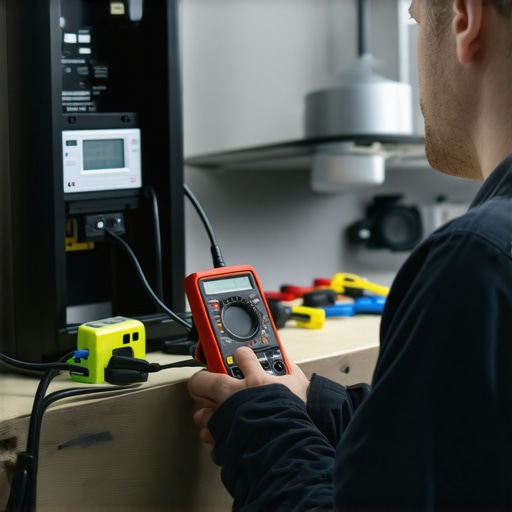
Ever been in the middle of a busy morning, only to find your EV charger or ceiling fan suddenly refusing to work? That sinking feeling when your trusted home appliances stop responding without warning—I’ve been there more times than I can count. I remember once, my new EV charger just blinked out during a charge, leaving me puzzled and frustrated. It was a lightbulb moment that pushed me to learn how to troubleshoot electrical issues myself, instead of waiting idle or calling a costly electrician every time. The truth is, fixing these problems quickly and safely isn’t as complicated as it seems—if you know where to start.
Why Electrical Troubleshooting Matters More Than Ever
With the rise of electric vehicles and smart home devices, reliable electrical systems are more critical than ever. A small glitch can lead to larger problems or even safety hazards. I’ve seen firsthand how a simple loose connection or blown fuse can render your EV charger or ceiling fan useless, disrupting your day and adding stress. The good news? Many of these issues are straightforward to fix once you understand the basics. By mastering troubleshooting techniques, you can save time, money, and ensure your home stays safe and powered up.
Have you faced this problem with your EV charger or fan suddenly stopping? You’re not alone. Many homeowners make the mistake early on of trying to fix electrical issues without proper knowledge, which can lead to bigger problems. I once replaced a fuse without turning off the power—definitely not the smartest move! But I learned that a little knowledge goes a long way. For more trusted tips, check out this expert troubleshooting guide that breaks down common fixes step-by-step.
In this post, I’ll walk you through simple, effective methods to troubleshoot your EV chargers and ceiling fans. Whether it’s a tripped breaker, faulty wiring, or a worn-out component, I’ll share the strategies that can help you fix the issue safely and quickly. So, if you’re tired of waiting on electricians for every minor glitch, stay tuned. We’re about to turn you into your own troubleshooting hero, with tips backed by real experience and expert advice.
Start with the Power Supply
My first real test came when my EV charger suddenly stopped working during a cold morning. Instead of panicking, I turned off the main breaker and checked the power supply. Think of your electrical system as a water pipe — if there’s no flow, the appliance won’t work. Use a multimeter to verify voltage at the outlet. If no power, the issue is upstream — a tripped breaker or faulty wiring. Reset the breaker or replace worn out wiring as needed. For a detailed guide on checking power sources, visit this troubleshooting resource.
Inspect the Circuit Breaker and Fuses
Next, I learned to identify a tripped breaker. When my ceiling fan refused to turn on, I checked the breaker box. If a breaker has flipped to ‘off’ or is in a neutral position, reset it. Think of it as a safety valve — it trips to prevent damage or hazards. Sometimes, a blown fuse is the culprit. Remove and inspect fuses for discoloration or cracks. Replace blown fuses immediately. A quick inspection here often reveals the problem without needing a professional. For more on breaker and fuse troubleshooting, see this expert guide.
Test and Replace Faulty Components
Once power is confirmed, I moved on to testing components. For example, my ceiling fan’s capacitor looked fine but the fan still wobbled and refused to spin. Using a multimeter set to capacitance mode, I tested it and confirmed it was faulty. Replacing a capacitor is straightforward if you follow safety precautions — disconnect power, discharge the capacitor, then replace. Similar logic applies for EV chargers — check the internal wiring, contact points, or circuit boards. If you’re unsure, check this detailed troubleshooting guide.
Check Wiring Connections
Loose or corroded wiring can cause intermittent issues. I once found a loose wire on my ceiling fan’s terminal block. Using a screwdriver, I tightened all connections, which instantly restored operation. Always turn off the power before inspecting wiring. Look for signs of corrosion, wear, or burn marks. Use a wire brush or replace damaged wires. Proper connection is essential for safety and performance. For step-by-step wiring checks, consult this electrician’s advice.
Evaluate Switches and Controls
Sometimes, the problem isn’t the appliance but the switch. My smart ceiling fan switch stopped responding, so I tested it with a multimeter. If it shows no continuity when turned on, replace it. Similarly, for EV chargers with control panels, ensure the buttons and displays are functioning. Faulty switches are common culprits that are easy to replace and restore full function. For more tips on diagnosing switches, see this expert article.
Monitor for Safety and Prevent Future Problems
After fixing the issue, I always double-check everything — secure connections, proper grounding, and no exposed wires. Regular inspections can prevent future failures. Use a circuit tester periodically to ensure all outlets and devices are safe. Remember, if at any point you feel unsure or uncomfortable, consulting a professional is the safest choice. But with these steps, you can confidently troubleshoot common issues yourself and keep your home running smoothly. For comprehensive troubleshooting strategies, visit this trusted resource.
Many homeowners believe that electrical problems are always straightforward to diagnose or fix, but the reality is often more nuanced. One of the most pervasive myths is that simply resetting a breaker or replacing a fuse will resolve all issues. In my experience, this approach can sometimes mask underlying problems, such as wiring faults or faulty components, which require more careful inspection. Relying solely on these quick fixes can lead to safety hazards or more costly repairs down the line.
Another common misconception is that all electrical faults are visible or obvious. For example, some assume that if a device isn’t working, the wiring must be damaged. However, many issues are caused by subtle problems like loose connections or degraded contacts that aren’t immediately apparent. Using a multimeter to test voltage and continuity can reveal these hidden issues, helping you avoid unnecessary replacements or dangerous assumptions. For detailed guidance on testing, check out this expert troubleshooting guide.
What advanced homeowners often overlook when troubleshooting electrical systems?
One critical aspect that many overlook is the importance of proper grounding and bonding. Improper grounding can cause intermittent issues or even pose shock hazards. In fact, a study by the National Fire Protection Association highlights that grounding faults are responsible for a significant percentage of electrical fires. Ensuring all components are correctly grounded and bonded not only prevents safety risks but also ensures that protective devices like circuit breakers operate correctly. For a thorough understanding, consult this detailed resource.
Additionally, many homeowners fall into the trap of misdiagnosing the root cause of an issue based solely on symptoms. For instance, a ceiling fan that wobbles might seem like a bearing problem, but it could be due to unbalanced blades or a loose mounting bracket. Taking the time to perform a comprehensive inspection can save time and prevent unnecessary part replacements. Remember, complex problems often have simple solutions, but only if you identify the real cause first.
In summary, the key to effective troubleshooting lies in understanding that electrical systems are interconnected and sometimes counterintuitive. Avoid jumping to conclusions or rushing into repairs without proper testing and inspection. If you’re ever in doubt, consulting a professional is the safest move. Have you ever fallen into this trap? Let me know in the comments and share your experience!
How do I keep my electrical systems running smoothly over time?
Maintaining your home’s electrical systems, especially for critical appliances like EV chargers and ceiling fans, requires the right tools and a proactive approach. Over the years, I’ve found that investing in quality equipment can save you a lot of trouble and money. First and foremost, a reliable multimeter is indispensable. I personally prefer digital multimeters with true RMS measurement because they give accurate readings even with complex loads. This tool helps me verify voltage, continuity, and even test components like capacitors effectively, which is vital for troubleshooting and preventative maintenance.
Another must-have is a circuit tester, ideally one with a GFCI tester function. It ensures outlets are grounded correctly and helps prevent shocks or damage. I keep mine in my toolbox because it’s quick to use and provides peace of mind. Additionally, a good wire stripper and crimping tool are essential for safely replacing wiring or connectors. I use high-quality tools from brands like Klein or Knipex—they’re durable and precise enough for delicate work without risking damage to the wiring.
For ongoing maintenance, I recommend keeping a detailed inspection schedule. Regularly checking wiring connections, switches, and grounding points can prevent failures before they happen. Using a flashlight with a magnifier can help identify corrosion or wear in hard-to-see spots. Documenting your inspections and repairs with photos and notes helps track recurring issues and plan future upgrades.
Software-wise, I suggest utilizing electrical troubleshooting apps or digital manuals. There are several apps that allow you to record readings, save troubleshooting steps, and even access wiring diagrams quickly. These digital resources are particularly useful when dealing with complex circuits or unfamiliar equipment. For example, the expert troubleshooting guide provides detailed diagrams and step-by-step instructions that I keep handy on my tablet.
Looking ahead, I predict that smart diagnostic tools will become more integrated into home electrical systems. Imagine being able to run a quick app check on your smart panel to identify faulty circuits or worn components without opening the box. This trend will make maintenance faster and safer, especially for DIY enthusiasts. Until then, combining reliable manual tools with digital resources continues to be the best approach.
What’s the secret to effective long-term maintenance?
The secret is consistency. Regularly testing your electrical systems and performing minor repairs prevents major failures down the line. Try adopting a quarterly inspection habit, focusing on wiring, connections, and switches. When you detect an early sign of wear, such as slight discoloration or loose connections, address it immediately. This proactive approach not only extends the lifespan of your appliances but also keeps your home safe. For more expert tips on troubleshooting and maintenance, visit this resource.
What I Wish I Knew When I Started Fixing Electrical Glitches
- One of the hardest lessons I learned was the importance of patience. Jumping straight into fixing a loose wire or replacing a fuse without turning off the power can be dangerous and costly. Taking a moment to double-check safety measures has saved me from shocks and further damage.
- I used to assume that if an appliance wasn’t working, the wiring was damaged. The truth is, simple issues like a faulty switch or a tripped breaker are often the cause. Testing with a multimeter revealed hidden problems I hadn’t considered.
- Early on, I underestimated the value of a good toolkit. A reliable multimeter, wire stripper, and a quality screwdriver set have made troubleshooting faster and safer. Investing in these tools was a game changer.
- Understanding grounding and bonding was a lightbulb moment. Proper grounding prevents safety hazards and ensures that protective devices work correctly. It’s a step many DIYers overlook but is crucial for long-term safety.
- Finally, I realized that sometimes, consulting trusted resources like expert guides can save hours of guesswork. Knowing where to find clear, practical advice makes all the difference.
My Essential Arsenal for Home Electrical Troubleshooting
My go-to tools include a true RMS digital multimeter from Fluke for accurate readings, a GFCI tester to verify outlet safety, and a high-quality wire stripper from Klein. These tools empower me to diagnose and fix issues confidently. I also keep a handy troubleshooting book and save step-by-step guides from trusted sites like this resource on my tablet for quick reference. Regular inspections with these tools help me catch problems early, saving time and money while keeping my home safe.
Step Into Your Power and Keep Electrical Systems in Top Shape
You have the capability to troubleshoot your EV charger or ceiling fan safely and effectively. Start with the basics: check your power supply, inspect circuit breakers, and test components. With patience and the right tools, you can resolve most issues on your own. Remember, safety first—if you’re ever unsure, don’t hesitate to consult a professional. Your home’s electrical health depends on proactive care and continuous learning. Ready to take control? Share your biggest troubleshooting challenge below and let’s solve it together!
I really appreciated how this post emphasizes the importance of safety first when troubleshooting electrical issues. Having dealt with a similar problem where my ceiling fan stopped unexpectedly, I found that inspecting connections and testing components was less intimidating than I initially thought. Using a multimeter to check voltage or continuity really gives me peace of mind before attempting any fixes. I also learned that regularly inspecting and maintaining wiring can prevent unexpected failures, especially in older homes. Have others here found that scheduling routine checks helped them avoid larger problems down the line? I think proactive maintenance is often overlooked but can save a lot of hassle and money in the long run.