
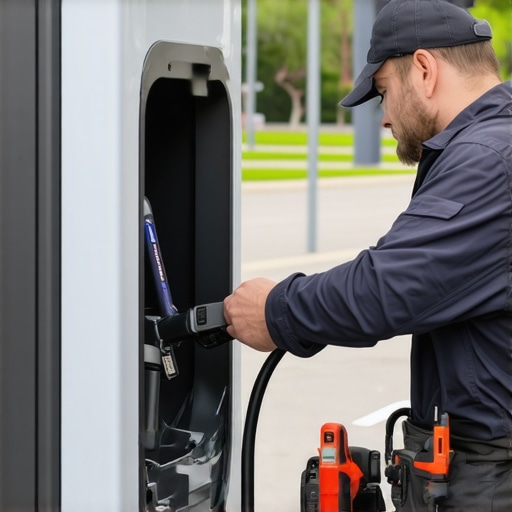
My First Encounter with an EV Charger Glitch
When I first bought my electric vehicle, I was excited but quickly faced a frustrating problem: my EV charger wouldn’t work properly. It was during a rainy evening, and I felt a bit overwhelmed. But through some research and trial-and-error, I discovered that troubleshooting EV chargers isn’t as daunting as it seems. Sharing my journey might help you navigate similar issues with confidence.
Understanding Common EV Charger Problems – My Personal Insights
Over time, I realized that many EV charger issues stem from simple electrical glitches or connection problems. For example, I once faced a situation where the charger kept blinking and wouldn’t start charging. After consulting an electrician and checking the connections, I learned that loose wiring often causes such problems. I also found that ensuring your circuit breaker is functioning properly can save a lot of headaches. For more detailed tips, I recommend reading this expert troubleshooting guide.
What’s the Secret to Fast EV Charger Repairs?
In my experience, quick fixes often involve basic diagnostics. Start by unplugging the charger, inspecting the power cord for damage, and resetting your circuit breaker. Sometimes, the issue can be as simple as a blown fuse or a tripped GFCI outlet. If these steps don’t resolve the problem, then it might be time to call an experienced electrician. I learned that having a trusted electrician on speed dial can make all the difference, especially when dealing with complex wiring issues or faulty outlets. For expert advice, check out this professional troubleshooting resource.
How Can I Prevent Future EV Charger Problems?
Preventative maintenance is key. Regularly inspect your charging station and keep the area dry and clean. Using high-quality cables and connectors also reduces the risk of issues. I also learned that software updates from the charger manufacturer can improve performance and fix bugs. Trustworthy sources like the Electric Vehicle Association recommend routine checks, which I’ve found to be very effective. Feel free to share your experiences or ask questions in the comments; I love hearing about different scenarios and solutions!
Remember, troubleshooting your EV charger doesn’t have to be intimidating. With patience and the right knowledge, most issues are manageable. If you’re ever unsure, consulting a licensed electrician is always the safest bet. For comprehensive guidance, explore these expert tips. Happy charging!
Are Your Electric Vehicle Charger and Ceiling Fan Problems Interconnected?
As an electrician with years of experience, I often encounter situations where EV charger malfunctions seem linked to ceiling fan issues. While they might appear unrelated at first glance, both devices are part of your home’s electrical system and share common troubleshooting principles. For example, a tripped breaker or faulty wiring can simultaneously affect multiple appliances, including your EV charger and ceiling fan. Understanding these connections can save time and prevent unnecessary replacements. For more insights, visit this comprehensive troubleshooting guide.
Deep Dive: Electrical Load Management and Its Impact on Troubleshooting
One often-overlooked aspect is electrical load management. Overloading circuits can cause breaker trips, leading to sporadic EV charger and ceiling fan operation. Installing dedicated circuits for high-power devices can drastically reduce troubleshooting headaches. I recommend consulting with a licensed electrician to assess your home’s electrical panel and ensure it can handle the demands of your EV charging station and other appliances. Proper load distribution not only improves device performance but also enhances safety. For expert advice, check out this detailed guide.
How Can I Diagnose Complex Electrical Problems Beyond Basic Checks?
When simple solutions like resetting breakers or replacing fuses don’t work, it’s time to utilize specialized diagnostic tools. Multimeters and circuit analyzers can help identify voltage irregularities, wiring faults, or grounding issues. For example, inconsistent voltage supply may cause your EV charger to malfunction or your ceiling fan to wobble and produce noise. In these cases, a professional electrician’s expertise becomes invaluable. They can perform comprehensive testing, trace wiring pathways, and identify hidden faults that could compromise safety or device longevity. If you’re interested in learning more about advanced troubleshooting, explore this expert resource.
Implementing routine electrical inspections, especially before winter or summer when usage peaks, can prevent many problems. Regularly inspecting your wiring, outlets, and circuit breakers ensures your home’s electrical system remains reliable and safe. Remember, attempting complex repairs without proper training can be dangerous. When in doubt, consult a licensed electrician who adheres to the latest safety standards and electrical codes. Your safety and your devices’ longevity depend on proper maintenance and expert intervention.
Have you experienced similar issues with your EV charger or ceiling fans? Share your stories or ask questions below—I’m always eager to help troubleshoot and share practical solutions. For further reading, consider exploring top electrician tips for home troubleshooting.
Delving Into the Nuances of Electrical Load Management
Over the years, my journey as an electrician has revealed that understanding the intricacies of electrical load management is crucial, especially when troubleshooting EV chargers and ceiling fans. Sometimes, it’s not just about a faulty device but about how your entire electrical system handles the demand. I recall a scenario where a homeowner’s EV charger and ceiling fan kept malfunctioning intermittently. After a detailed assessment, I realized that their circuit was overloaded, causing frequent breaker trips. Installing dedicated circuits for high-power devices like EV chargers not only stabilized their operation but also extended the lifespan of their appliances. This experience deepened my appreciation for proper load management, a topic I highly recommend exploring further through comprehensive guides like this expert resource.
Investigating the Hidden Layers of Wiring and Grounding
Beyond load management, my professional encounters have shown that wiring integrity and grounding are often overlooked yet vital aspects of troubleshooting. I once faced a perplexing case where both a ceiling fan and EV charger refused to operate correctly. Using a multimeter, I detected inconsistent voltage levels and poor grounding connections. These issues can cause devices to wobble, produce noise, or malfunction altogether. Proper wiring and grounding are the backbone of a safe and efficient electrical system, and neglecting them can lead to long-term problems. For anyone interested in deepening their understanding, I suggest reading this detailed electrician guide.
What About Advanced Diagnostic Techniques?
When basic checks like resetting breakers or inspecting connections don’t resolve the issue, advanced diagnostic tools become indispensable. I’ve employed circuit analyzers and voltage testers to uncover subtle faults like wiring faults or grounding issues that aren’t immediately visible. For instance, I discovered a hidden wiring fault behind a wall that was causing voltage drops, affecting both the EV charger and ceiling fan performance. Such situations underscore the importance of professional expertise and specialized equipment. To learn more about these techniques, check out this expert resource. If you’re passionate about DIY diagnostics, I encourage sharing your experiences or questions in the comments—learning from each other is part of the journey.
How Can I Foster a Safer, More Resilient Electrical System?
Proactively, I advise regular inspections and maintenance, especially before seasons of high usage. Ensuring that your wiring, outlets, and circuit breakers are in top condition can prevent many issues. Installing surge protectors, using high-quality cables, and staying updated with manufacturer firmware updates for your chargers are simple steps that pay off significantly. In my practice, routine checkups and preventive measures save time and money, and most importantly, keep your home safe. Remember, tackling complex electrical problems without proper training can be dangerous. When in doubt, consulting a licensed electrician who adheres to current safety standards is the best course of action. For more comprehensive guidance, explore this trusted resource.
Have you encountered similar complex issues? Or perhaps you’ve developed your own troubleshooting routines? I’d love to hear your stories and insights. Sharing experiences helps us all become better at maintaining safe and efficient electrical systems. Feel free to comment below or explore related content on top electrician tips for a healthier home electrical environment.
Unraveling the Complexities of Electrical Load Dynamics
From my extensive experience as an electrician, I’ve learned that electrical load management is not merely a preventive measure but a crucial aspect of diagnosing persistent issues. For instance, an overburdened circuit can subtly cause intermittent failures in both EV chargers and ceiling fans, especially during peak usage times. Understanding the nuances of load balancing—such as installing dedicated circuits for high-demand devices—can dramatically improve system stability. I recall a case where a homeowner’s frequent breaker trips were traced back to an overloaded circuit that was unknowingly shared among multiple high-power appliances. Upgrading their electrical system with targeted load management not only resolved the problem but extended the lifespan of their devices. To deepen your understanding, I recommend exploring comprehensive resources like this expert guide on load distribution techniques.
Deciphering Hidden Wiring and Grounding Faults
My professional journey has repeatedly shown that wiring integrity and proper grounding are often underestimated yet vital components in troubleshooting. For example, poor grounding connections can lead to voltage fluctuations, causing ceiling fans to wobble or emit noise, while simultaneously affecting EV charger performance. I once encountered a scenario where both devices failed unexpectedly; using a multimeter, I detected inconsistent voltage levels stemming from loose grounding wires behind the wall. Such issues underscore the importance of meticulous wiring inspections and adherence to electrical codes. For those keen to explore in greater depth, I suggest reviewing this detailed electrician resource on wiring best practices.
Harnessing Advanced Diagnostic Techniques for Persistent Problems
When basic troubleshooting fails, leveraging sophisticated diagnostic tools becomes essential. I’ve employed circuit analyzers and voltage testers to identify subtle faults like wiring faults or grounding issues that are invisible to standard inspections. For instance, a hidden wiring fault behind a wall was causing inconsistent voltage supply, which led to frequent failures in both the EV charger and ceiling fan. Such scenarios highlight the importance of professional intervention with specialized equipment. If you’re eager to learn more, I recommend exploring this expert resource on advanced diagnostics. Don’t hesitate to share your own experiences or questions—your insights can help build a community of knowledgeable DIY enthusiasts and professionals alike.
Creating a Resilient and Safe Electrical Ecosystem
Proactive maintenance and system upgrades are paramount for ensuring long-term reliability. Regular inspections of wiring, outlets, and circuit breakers—especially before seasons of increased electrical demand—can prevent many issues. Installing surge protectors, using high-quality cables, and keeping firmware updated for your EV chargers are simple yet effective strategies. My practice has shown that routine checkups and preventive measures save significant time and money while safeguarding your household. Remember, attempting complex repairs without proper training can be hazardous; always consult a licensed electrician when in doubt. For comprehensive guidance, explore this trusted resource. Your commitment to electrical safety and maintenance not only prolongs device lifespan but also enhances overall home safety.
Engage and Share Your Electrical Troubleshooting Journeys
Have you faced similar challenges with EV chargers or ceiling fans? Sharing your stories and solutions fosters a valuable exchange of knowledge. I encourage you to comment below or reach out for advice—collaborative learning is the key to mastering electrical maintenance. For further insights and expert tips, visit this comprehensive electrician guide. Together, we can build safer, more efficient home electrical systems that stand the test of time.
Things I Wish I Knew Earlier (or You Might Find Surprising)
Hidden Culprits in Wiring
One thing I learned the hard way is that loose wiring behind walls can cause both EV charger and ceiling fan issues. It’s easy to overlook, but a thorough inspection with a multimeter often reveals unexpected faults that simple resets won’t fix. Trust me, digging into wiring might seem daunting, but it’s often the key to long-term solutions.
The Power of Load Management
Managing electrical load is more critical than I initially thought. Overloading circuits can cause intermittent problems that frustrate even seasoned DIYers. Installing dedicated circuits for high-demand devices like EV chargers not only stabilizes operation but also prolongs device lifespan—something I wish I prioritized sooner.
The Myth of Quick Fixes
Many believe that unplugging and resetting will solve everything, but sometimes, complex issues require professional diagnostic tools. Using advanced testers helped me uncover hidden faults, like voltage irregularities, that simple checks missed. It’s a reminder to know your limits and call in experts when needed.
Software Updates Matter
Updating your EV charger’s firmware can fix bugs and improve performance, yet I often neglected this step. Regularly checking for updates from manufacturers has saved me from unexpected malfunctions, making troubleshooting much smoother over time.
Regular Maintenance Saves Time
Routine inspections of wiring, outlets, and circuit breakers prevent many problems before they start. Scheduling annual checkups—even DIY ones—can save hours of frustration and money. It’s a small investment for peace of mind, especially during seasons of high electrical demand.
Resources I’ve Come to Trust Over Time
- Electric Vehicle Association: Their guides on EV charging safety and troubleshooting are comprehensive and trustworthy, helping me understand best practices.
- National Electrical Code (NEC): Staying updated with NEC standards ensures my DIY repairs are safe and compliant.
- Home Depot Electrical Tutorials: Their online videos and guides are practical and beginner-friendly for basic inspections.
- Local Electrician Associations: Connecting with professionals offers insights that you won’t find in manuals, especially for complex issues.
Parting Thoughts from My Perspective
In my experience, troubleshooting EV chargers and ceiling fans isn’t just about fixing devices but understanding your home’s electrical health. Patience, proper tools, and knowing when to call in a professional can save you a lot of trouble. If this resonated with you, I’d love to hear your thoughts or stories. Sharing our experiences helps build a community of informed homeowners who prioritize safety and efficiency. Remember, a little knowledge and proactive maintenance go a long way in keeping your home running smoothly—happy charging and ceiling fan spinning!