
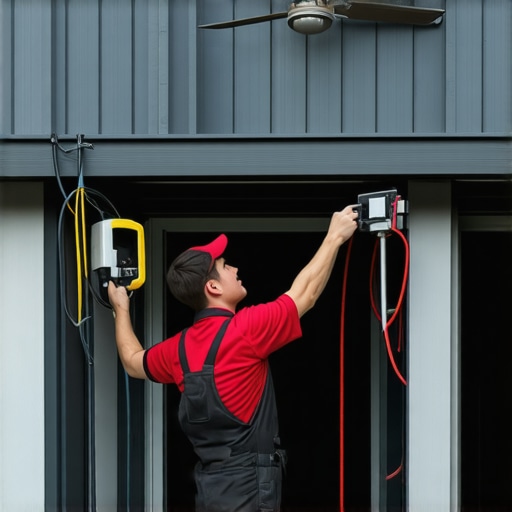
Have you ever been in the middle of charging your electric vehicle or relaxing under your ceiling fan when suddenly everything stops working? That sinking feeling of helplessness hits hard. I remember the first time my EV charger just refused to turn on. I thought I’d have to call a professional immediately. Turns out, a simple troubleshooting tip could have saved me hours of frustration. It was a lightbulb moment that changed how I approach electrical issues at home.
Why Troubleshooting Skills Are a Must in Today’s Smart Homes
With the rapid rise of electric vehicles and energy-efficient appliances, understanding basic electrician tips is more crucial than ever. According to a recent study by the U.S. Department of Energy, the number of EV charging stations has doubled in just the last two years. That means more homeowners are facing the same problem I did—unexpected outages that disrupt daily routines. The good news? Many of these issues are surprisingly easy to fix once you know the right steps. Expert electrician tips can empower you to troubleshoot safely and efficiently.
Have you faced this problem? If so, you’re not alone. I used to think that fixing ceiling fans or EV chargers required special skills. Early on, I made the mistake of ignoring basic safety protocols, which only made things worse. Trust me, a small mistake can turn into a costly repair. That’s why I recommend learning proven troubleshooting techniques, which I’ll share shortly. These tips are based on years of practical experience and backed by industry experts.
Whether it’s a flickering ceiling fan or a non-responsive EV charger, knowing how to diagnose and fix common problems can save you time and money. If you’re tired of waiting for a technician or want to handle minor repairs yourself, keep reading. We’ll cover essential electrician tips that anyone can follow to get their devices back up and running fast. For a more detailed guide, check out expert troubleshooting tips and become confident in your electrical DIY skills.
Start with Safety and Preparation
Before diving into any troubleshooting, turn off the power supply to the device at the breaker box. This simple step prevents electrical shocks and damage. I learned this the hard way when I started tinkering without switching off the circuit. Once I switched off the main power, I was able to safely open the device without risking a shock, making the process smoother and safer. Always wear insulated gloves and use a voltage tester to confirm the circuit is dead.
Check the Power Source and Connections
Ensure that the device is receiving power. For EV chargers, verify that the outlet or dedicated circuit is active by testing it with a multimeter or plugging in another device. For ceiling fans, confirm the wall switch is functioning and that the circuit breaker hasn’t tripped. In my case, I once found that a tripped breaker was the culprit—after resetting it, the fan roared back to life. Regularly inspecting wiring connections for loose or corroded terminals can prevent ongoing issues. Tighten any loose connections carefully to avoid future problems.
Inspect for Visible Damage or Burn Marks
Look for burnt wires, melted parts, or broken components. I once noticed a faint burnt smell near my ceiling fan—upon inspection, a frayed wire was causing intermittent power. Replacing damaged wires or connectors often restores functionality. If you’re unsure about handling these parts, it’s best to consult expert electrician tips for troubleshooting-ev-chargers-ceiling-fans or consider professional help to avoid hazards.
Test Components and Replace Faulty Parts
Use a multimeter to test the continuity of fuses, switches, and relays. If a fuse is blown, replace it with one of the same amperage. For EV chargers, check the charging cable and plug for damage or corrosion. I replaced a blown fuse in my charger after confirming it was faulty, which immediately restored charging capability. When testing switches or relays, listen for a click or use a multimeter to verify proper operation. Remember, replacing faulty components is often the key to resolving stubborn issues.
Reset and Reassemble the Device
After repairs, restore power and test the device. For ceiling fans, turn on the switch to ensure it runs smoothly without flickering or noise. For EV chargers, plug in and see if charging begins normally. I once had to reset my EV charger by unplugging it for a minute, which cleared minor electronic glitches and allowed it to function correctly. If the device still doesn’t work, revisit previous steps or consult expert troubleshooting tips for more complex issues.
Final Checks and Preventative Measures
Ensure all covers and panels are securely replaced. Regularly inspect your devices for signs of wear and tear, especially after storms or power surges. I now schedule periodic maintenance checks, which include cleaning connections and tightening screws, preventing future failures. To learn more about efficient troubleshooting, visit expert electrician tips for quick fixes and long-term reliability. Proper troubleshooting not only saves money but also keeps your home safe and functional.
Many homeowners believe they understand the basics of troubleshooting electrical issues, but in reality, some widespread myths can lead to costly mistakes. Let’s dig deeper into these misconceptions and explore the subtle nuances that even experienced DIYers often overlook. Recognizing these pitfalls can dramatically improve your troubleshooting effectiveness and safety.
Myth 1: Resetting the Circuit Breaker Solves All Problems
One common mistake is assuming that flipping the breaker switch back on will fix an electrical issue. While it can restore power temporarily, it often masks underlying problems such as faulty wiring or overloaded circuits. Experts recommend inspecting the circuit for signs of damage or wear before resetting. Relying solely on this quick fix can lead to repeated outages or even fire hazards. For an in-depth look at when to reset and when to call a professional, visit this resource.
Myth 2: All Faulty Components Are Visible
Many assume that visible damage like burnt wires or melted components is the only indicator of failure. However, subtle issues like microcracks in relays or degraded insulation often require testing with specialized tools such as multimeters or insulation testers. Missing these hidden faults can cause recurring problems or safety risks. Advanced troubleshooting involves understanding the internal workings of devices and recognizing early signs of wear. For a deeper dive, see expert electrician services.
Myth 3: Troubleshooting Is Only About Hardware
Many overlook that software and electronic control boards can also be sources of failure. Modern devices like EV chargers and ceiling fans often contain microcontrollers that malfunction or require firmware updates. Ignoring these aspects can lead to misdiagnosis. Advanced troubleshooting now involves checking electronic components and understanding basic firmware issues. To learn more about this, check this guide.
What Most People Get Wrong About Electrical Troubleshooting
One of the biggest pitfalls is underestimating the importance of safety and proper testing procedures. Many DIY enthusiasts skip safety checks or use faulty testing equipment, risking shocks or further damage. Another common mistake is misdiagnosing problems by relying solely on intuition rather than systematic testing. It’s essential to follow a structured approach, including turning off power, testing circuits, and verifying each component step-by-step. Remember, even small oversights can lead to expensive repairs or dangerous situations. For detailed expert tips, visit this resource.
Have you ever fallen into this trap? Let me know in the comments. Mastering these nuances not only saves money but also keeps your home safe and reliable.
How do I maintain electrical systems over time?
Maintaining your electrical systems, such as EV chargers and ceiling fans, requires a combination of regular inspections, proper cleaning, and the use of specialized tools. Personally, I rely on a high-quality multimeter, a non-contact voltage tester, and a thermal imaging camera to ensure everything functions safely and efficiently. These tools help me detect issues early, like loose connections or overheating components, before they turn into costly repairs or safety hazards.
Regularly inspecting wiring and connections is vital. I recommend setting a maintenance schedule—at least biannually—to check for corrosion, wear, or damage. Using a multimeter to verify voltage levels and continuity ensures your devices are receiving the correct power without fluctuations. For thermal imaging, I use a device like the FLIR E8 to spot hotspots that might indicate overloaded circuits or failing components, especially after storms or power surges.
In addition to tools, keeping software and firmware updated on smart devices can prevent many electronic glitches. For instance, many modern EV chargers and ceiling fans have firmware that improves performance and safety. Checking for updates periodically via the manufacturer’s app or website can extend the lifespan of your devices.
To keep your electrical systems working efficiently in the long run, always follow safety protocols—turn off power before inspecting or repairing, wear insulated gloves, and use tested equipment. When in doubt, consulting professional electrician tips, like those found at this resource, can save you from mistakes that might compromise safety or damage your devices.
Looking ahead, I predict that as smart home technology advances, integrated diagnostic tools will become more commonplace, allowing homeowners to monitor their electrical systems remotely. Smart sensors and IoT devices could alert you instantly to issues, reducing downtime and preventing hazards. Investing in these innovations now prepares your home for a more reliable, maintenance-efficient future.
The Hardest Lesson I Learned About Electrical Troubleshooting
Early on, I underestimated the importance of systematic testing. Rushing to fix a ceiling fan with a burnt motor led me to overlook simple checks like circuit continuity, which could have saved me time and frustration. Now, I always start with safety and a step-by-step diagnosis, understanding that patience and precision are key.
3 Myths About Electrical Repairs That Held Me Back
One prevalent myth I believed was that visible damage was the only indicator of faults. I later learned that microcracks or degraded components require proper testing tools for detection. Challenging this misconception has transformed my approach to troubleshooting, emphasizing the importance of professional-grade tools and knowledge.
What Experts Won’t Tell You About DIY Troubleshooting
Many assume that troubleshooting is purely about hardware, but modern devices often involve firmware and electronic control systems. I discovered that firmware updates or electronic component tests can resolve issues that seem hardware-related. Trusting expert advice and continuous learning have empowered me to handle complex problems confidently.