
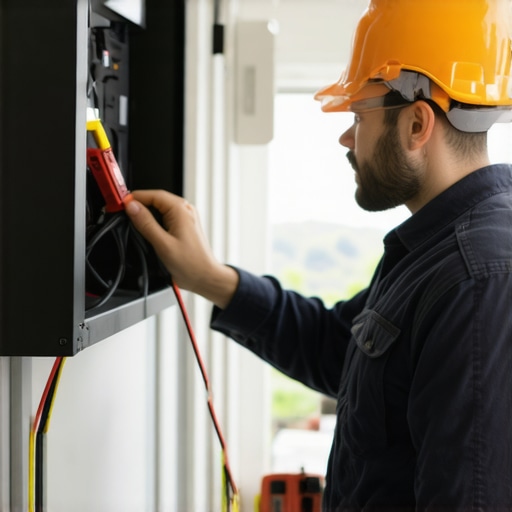
Ever been in the middle of charging your electric vehicle or enjoying a fresh breeze from your ceiling fan when suddenly everything goes dark or stops working? That frustrating moment when your EV charger or fan refuses to cooperate can feel like a personal attack. I remember the first time my charger flickered out right before a long trip—panic set in. But over the years, I learned a few essential electrician tricks that turned me from helpless to confident DIY fixer.
Why Troubleshooting Matters More Than Ever
With the rise of electric cars and smart home fans, troubleshooting electrical issues isn’t just for pros anymore. It’s about safety, saving money, and avoiding unnecessary service calls. Plus, a little know-how can help you identify when a problem is simple enough for a quick fix or when it’s time to call in the experts. Did you know that according to the Department of Energy, improper installation or maintenance accounts for nearly 80% of EV charging station problems? That’s a wake-up call for all of us to get familiar with common issues and solutions.
If you’ve ever faced a stubborn fan or a blinking EV charger, you’re not alone. And I promise, a few basic tips can make all the difference. Today, I’ll walk you through some proven electrician strategies that have helped me and countless others restore functionality fast. From checking wiring to understanding simple circuit issues, these tips are designed to empower you to handle common problems confidently.
Will These Troubleshooting Steps Really Save Me Money?
Early in my DIY journey, I made the mistake of ignoring simple signs of trouble, thinking I’d need costly repairs. Turns out, many issues are straightforward and inexpensive to fix if caught early. For example, a loose connection or a tripped breaker might be causing your problem, and fixing it yourself can save hundreds. I’ve found that most common issues boil down to basic electrical troubleshooting—something I wish I’d learned sooner. For more detailed guidance, check out this expert guide.
So, if your EV charger or ceiling fan has suddenly become unresponsive, don’t panic. With a few careful checks, you might be able to identify and resolve the issue yourself. Ready to dive into the world of electrical fixes? Let’s start with the most common culprits behind these frustrating problems.
Inspect the Power Supply Carefully
Start by verifying that your device is receiving power. Think of it like checking if your phone is charged before troubleshooting its apps. Head to your breaker panel and look for a tripped breaker or a blown fuse. Reset any tripped breakers by flipping them off and on again. I remember a time when my ceiling fan suddenly stopped; a quick reset of the breaker brought it back to life instantly. For detailed steps, visit this guide.
Test the Outlet and Cords
Next, use a multimeter or a simple appliance to test if the outlet is delivering power. If you’re unfamiliar, think of it like testing a water pipe for leaks—simple but crucial. If the outlet is dead, the problem might be with your wiring or the outlet itself. Swap in a known working outlet if possible. I once replaced an outlet in my garage after testing it with a voltage tester; it was a quick fix that saved me a service call. For more, see this troubleshooting guide.
Check the Wiring Connections
Loose or disconnected wires are like loose screws on a door—they cause everything to fall apart. Turn off the power, then carefully inspect all wiring connections at the device, ensuring they are tight and secure. Use a screwdriver to tighten any loose screws on terminal connections. I once found a loose wire on my EV charger’s terminal, which was causing intermittent power issues. Tightening it fixed the problem immediately. For a detailed walkthrough, refer to this expert guide.
Test the Circuit Breaker and GFCI
A tripped circuit breaker or GFCI outlet can cut power unexpectedly. Reset the breaker by flipping it fully off then back on. For GFCI outlets, press the reset button firmly. This is like rebooting a frozen computer—simple but effective. I’ve seen a GFCI outlet trip repeatedly because of a wiring fault; once corrected, everything worked smoothly. For more technical tips, check out this article.
Test the Device Itself
If all wiring and power supply checks out, the issue might be with the device. Use a multimeter to test continuity and voltage at the device terminals. If voltage is present but the device doesn’t work, it might need replacing. I once swapped out a faulty ceiling fan motor, which was causing it to wobble and stop. Replacing the motor restored normal operation. For step-by-step advice, see this troubleshooting resource.
Use an Expert Electrician When Needed
Sometimes, despite your best efforts, issues persist. In that case, it’s best to call a professional. Think of it like a complex surgery—better left to the experts. An electrician can diagnose hidden faults or faulty components safely and efficiently. If you’re interested in quick fixes, check out this professional guide.
Many homeowners believe that troubleshooting electrical problems is straightforward or always requires a professional. However, there are nuanced pitfalls and misconceptions that can lead to costly mistakes or safety hazards. Let’s dig deeper into what most people get wrong about fixing issues with ceiling fans, EV chargers, and other home electrical devices.
Why the Popular Myths About DIY Electrical Repairs Can Be Dangerous
One widespread myth is that simply resetting a circuit breaker or replacing a fuse always resolves electrical issues. While these steps are often the first line of defense, relying solely on them without further inspection can mask underlying problems such as wiring faults or faulty components. In my experience, many DIYers overlook the importance of testing voltage and continuity with a multimeter, which can lead to repeated failures or even electrical fires. For detailed guidance on avoiding these traps, visit this expert guide.
Beware of the Oops Factor When Ignoring Small Signs
Another common mistake is dismissing minor issues like flickering lights or slow fan speeds as insignificant. The problem is that these signs often indicate deeper electrical faults, such as loose wiring connections or overloaded circuits. Neglecting to address these early can escalate into complete device failure or safety hazards. For instance, a loose wire on your ceiling fan’s terminal could cause intermittent operation, but many people ignore it until it causes a short circuit. Always verify wiring connections when troubleshooting, and don’t hesitate to consult a professional if you’re unsure. For more advanced tips, explore this article.
Are GFCI Outlets Really a Simple Fix or Is There More?
Many think that resetting a GFCI outlet is a quick fix for power issues, but this can be misleading. GFCI outlets trip due to ground faults or wiring problems that may indicate more serious issues. Resetting the outlet without checking the wiring can leave the root cause unresolved, risking shock hazards or damage to connected devices. In some cases, the GFCI may be faulty or incorrectly wired, requiring expert diagnosis. If you want to ensure safety and proper function, it’s wise to test the circuit with a multimeter or consult a licensed electrician. For detailed troubleshooting, check this guide.
Have you ever fallen into this trap? Let me know in the comments. Remember, understanding the nuances in electrical troubleshooting not only saves you money but also keeps your home safe. When in doubt, always prioritize safety and consider professional help to avoid costly mistakes or accidents. Happy fixing!
Maintaining your home’s electrical systems, especially components like ceiling fans and EV chargers, requires more than just troubleshooting when problems arise. Investing in the right tools and adopting a proactive maintenance routine can significantly extend the lifespan of your devices and ensure they operate efficiently over time.
Invest in Quality Testing Equipment for Accurate Diagnostics
One of my most valued tools is a high-quality multimeter, such as the Fluke 117. This device allows me to precisely measure voltage, current, and resistance, which are critical when diagnosing electrical issues. I personally prefer digital multimeters with auto-ranging capabilities because they reduce the chance of user error and speed up the troubleshooting process. With this tool, I can quickly verify if power is reaching my devices and identify faulty wiring or connections without guesswork. For advanced troubleshooting, a clamp meter can help measure current without disconnecting wires, providing a safer and more efficient way to monitor device performance. You can learn more about essential electrician tools at this guide.
Keep Connections Tight and Clean
Over time, vibrations, thermal expansion, and regular use can loosen wiring connections. Regularly inspecting and tightening terminal screws prevents intermittent faults and potential safety hazards. I recommend a small, insulated screwdriver set for this task, allowing you to safely tighten connections without risking shorts. Moreover, cleaning contact points with a contact cleaner ensures that corrosion or dirt doesn’t interfere with conductivity. This simple step can prevent many issues before they become costly repairs.
Schedule Routine Inspections
Establishing a periodic inspection schedule—at least annually—helps catch small issues before they escalate. During these inspections, check for signs of wear, discoloration, or melting around wiring and terminals, which could indicate overheating. For devices like EV chargers, verifying the integrity of the cable and connectors is essential. If you notice any irregularities, consulting a licensed electrician is wise to prevent safety hazards and maintain compliance with electrical codes.
Keep Software and Firmware Updated
Modern devices like smart EV chargers often rely on embedded software. Regularly updating firmware ensures optimal performance and security. Manufacturers frequently release updates that improve compatibility, fix bugs, and enhance safety features. Set a reminder to check for updates periodically, and follow the manufacturer’s instructions carefully to install them correctly. This proactive step can prevent many operational issues and extend device longevity.
Predict Future Trends in Electrical Maintenance
Looking ahead, the integration of IoT technology in home electrical systems will make maintenance even smarter. Sensors embedded in devices could automatically alert homeowners to issues like overheating or wear, enabling preemptive repairs. Additionally, AI-driven diagnostics may become standard, providing detailed insights and step-by-step repair guidance. Embracing these innovations now will prepare you for a more connected and maintenance-efficient future.
How do I keep my electrical systems working smoothly over time?
The key is a combination of regular inspections, using the right diagnostic tools, and timely professional help when needed. Following these practices ensures your ceiling fans, EV chargers, and other electrical components remain reliable, safe, and efficient for years to come. Don’t forget to try out a multimeter today to verify your system’s health—an essential step in proactive maintenance that saves money and enhances safety. For more detailed tips on maintaining your electrical systems, visit this resource.
What I Wish I Knew About Electrical Troubleshooting
- One of the biggest lessons I learned was that many electrical issues stem from simple problems like loose connections or tripped breakers. Instead of rushing to call a professional, taking a moment to check these basics can save time and money.
- Another insight was the importance of using quality diagnostic tools, especially a reliable multimeter. This tool transformed my approach from guessing to precise troubleshooting, making repairs safer and more effective.
- I also discovered that neglecting small signs like flickering lights or slow fan speeds often leads to bigger problems. Addressing these early prevents costly repairs and potential safety hazards.
- Finally, I realized that understanding the wiring and circuit layout helps prevent mistakes that could cause shorts or fires. Learning a few key electrical principles empowers you to troubleshoot confidently and safely.
My Essential Toolkit for Electrical Troubleshooting
- High-Quality Multimeter: I recommend a digital multimeter like the Fluke 117. It provides accurate readings of voltage, current, and resistance, which are vital for diagnosing issues with devices like ceiling fans and EV chargers. You can find more about essential electrician tools at this guide.
- Insulated Screwdriver Set: This makes tightening terminal screws safe and easy, preventing loose connections that cause intermittent faults.
- Contact Cleaner: Regular cleaning of contact points prevents corrosion, ensuring reliable conductivity over time.
- Voltage Tester or Outlet Tester: Quick tests to verify if outlets are functioning correctly, saving you from unnecessary replacements.
Take Action to Keep Your Electrical System Safe and Efficient
Maintaining your electrical devices and systems requires proactive steps like regular inspections, updating firmware, and using the right tools. By integrating these practices, you can extend the lifespan of your ceiling fans and EV chargers, ensuring they operate smoothly and safely for years to come. Remember, small investments in tools and routine checks pay off by preventing major repairs and safety hazards. So, grab that multimeter, inspect your connections, and don’t hesitate to seek professional help when needed. Your home’s electrical health depends on your proactive care—start today!
Ready to Empower Your Electrical Skills
Now that you know the secrets of effective troubleshooting, it’s time to put them into practice. Whether you’re fixing a stubborn ceiling fan or an unresponsive EV charger, your confidence grows with each successful repair. Keep learning, stay safe, and enjoy the satisfaction of solving electrical problems on your own. Remember, a little knowledge goes a long way in making your home safer and more efficient. Happy fixing!
Reading through this post, I can definitely relate to the frustration of a suddenly unresponsive fan or EV charger. What struck me most was the emphasis on basic troubleshooting, which often gets overlooked. Whenever I face similar issues, I’ve found that inspecting the wiring and checking the breaker first can save a lot of headache before calling in an electrician. That said, I’m curious—has anyone tried using smart diagnostic tools or IoT devices to monitor their electrical systems regularly? I wonder if integrating technology like that could help catch problems early and prevent sudden failures. I’ve started installing some energy monitoring plugs, and although it’s not quite the same as professional diagnostics, it’s helped me identify circuit loads and potential issues before they become serious. Would love to hear if others have had success with tech-based solutions or if they prefer traditional methods for troubleshooting electrical problems.