
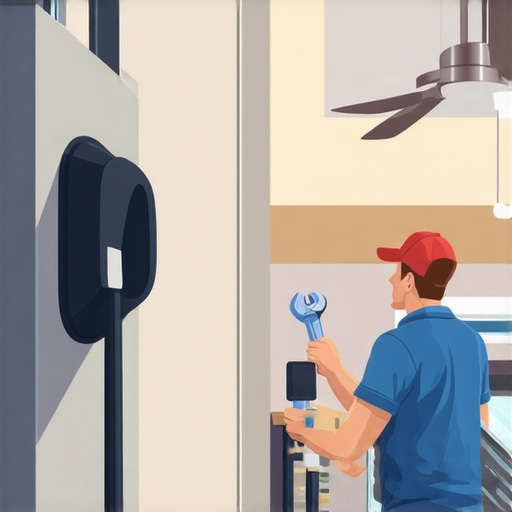
Ever been in the middle of a cozy evening, only to hear that dreaded hum or flicker from your ceiling fan? Or worse, stared at your EV charger blinking its lights in confusion, unsure of what’s wrong? I’ve been there. That frustrating moment when everything seems to be working fine, then suddenly, nothing does. It’s enough to make anyone feel helpless. But here’s the truth: troubleshooting doesn’t have to feel like solving a mystery every time. Over the years, I’ve picked up some expert tips that help me fix these common issues quickly and confidently.
Why Quick Fixes Matter More Than Ever
In today’s busy world, waiting around for a technician isn’t just inconvenient — it can cost you time, money, and peace of mind. Whether it’s getting your EV ready for that road trip or ensuring your ceiling fan keeps you cool during a heatwave, prompt fixes keep your home running smoothly. Plus, a little knowledge can save you from costly repairs or dangerous mishaps. I learned this early on when I made the mistake of ignoring minor flickers and strange noises — only to end up with a much bigger problem down the line. Trust me, a quick diagnosis can prevent a lot of headaches. Want to learn how to spot trouble before it spirals out of control? Stick around.
Is DIY Troubleshooting Worth the Hassle?
One thing I’ve realized is that not every problem is a simple fix, and jumping in without proper knowledge can sometimes make things worse. I used to think I could handle everything myself, but I quickly learned that understanding the root cause is crucial. For instance, I once replaced a ceiling fan only to find out I hadn’t checked the wiring properly — which led to a short circuit. That’s when I started consulting trusted sources like expert electrician tips to guide me through safe troubleshooting. The key is knowing when to try a fix yourself and when to call in the pros. But with the right approach, you can handle many common issues without breaking a sweat.
So, have you ever faced a stubborn EV charger or a ceiling fan that just wouldn’t cooperate? If yes, you’re not alone. And good news — I’ll walk you through proven strategies to tackle these problems head-on, saving you time and stress. Ready to become your own troubleshooting hero? Let’s dive in.
Check Power Sources Immediately
Start by verifying that your EV charger or ceiling fan is receiving power. For my EV charger, I first checked the outlet with a simple plug-in tester, which lit up indicating power was present. If there’s no power, trace back to the circuit breaker — a blown fuse or tripped breaker is often the culprit. For ceiling fans, ensure the wall switch is on and the circuit breaker hasn’t tripped. This initial step is like confirming your vehicle has fuel before diagnosing engine issues — it saves time and prevents unnecessary troubleshooting.
Inspect Connections and Wiring Carefully
Next, look at the wiring and connections. For example, I once had a ceiling fan that was flickering intermittently. I turned off the power at the breaker, then removed the fan’s canopy. I checked all wire nuts and connectors, making sure none were loose or burnt. Tighten any loose connections and replace damaged wires. For EV chargers, examine the cable for visible damage or corrosion. Faulty wiring can mimic more complex problems and is often the simplest fix. Think of it like a leaky pipe — tighten or replace the fitting, and the problem often resolves itself.
Reset or Reboot Devices
Many issues are solved with a simple reset. For my EV charger, I unplugged it, waited 30 seconds, then plugged it back in. Some chargers have a reset button, which I pressed according to the manufacturer’s instructions. Ceiling fans sometimes have pull chains or remote controls that need resetting — I reset the remote first, then switched the fan off and on again. This step clears temporary glitches. It’s like restarting your computer — often, that’s all it takes to fix minor bugs. For expert tips on this, you can visit electrician troubleshooting guides.
Test Components Systematically
If basic checks don’t solve the issue, test individual components. For ceiling fans, I used a multimeter to check the capacitor and the switch. For EV chargers, I tested the outlet with a voltage tester, then checked the charger’s circuit board if accessible. Think of this like isolating a leak in a garden hose — replace one section at a time to find the faulty part. Be cautious here; if you’re unsure, consult professional resources like expert electrician tips.
Consult Troubleshooting Resources When Needed
If you reach a dead end, turn to trusted guides. I reference quick electrician guides for step-by-step solutions. Sometimes, the issue is a firmware glitch or a faulty sensor — these require specific fixes. Remember, safety first: if you’re uncomfortable with electrical testing, call a professional. For quick fixes and expert advice, trusted sources are invaluable and can save you from costly mistakes.
Keep Your Tools Ready
Finally, maintain a toolkit with essential items: a multimeter, screwdrivers, wire nuts, and a voltage tester. Having these on hand speeds up troubleshooting. I keep my tools organized in a portable box so I can tackle problems immediately. This readiness transforms troubleshooting from a chore into a manageable task, much like a chef always having knives sharp and ingredients prepared.
Many homeowners approach troubleshooting with a set of ingrained beliefs that can actually hinder effective diagnosis and repair. Let’s dig deeper into some of these misconceptions and clarify what truly matters when fixing ceiling fans and EV chargers. One widespread myth is that if a device isn’t turning on, the problem must be the device itself. In reality, power supply issues are often the root cause, and checking the circuit breaker or outlet first can save a lot of time.
Another error is assuming that all wiring problems are visible or obvious. In fact, many wiring faults are hidden or occur within connectors and terminals, which require careful inspection and testing with a multimeter. Overlooking these nuances can lead to unnecessary replacements or, worse, dangerous situations.
People also tend to rely solely on reset buttons or power cycling, but often forget that firmware or software glitches can be the culprit. For advanced troubleshooting, updating firmware or resetting internal modules can resolve issues that simple power resets cannot. For example, expert electrician tips emphasize the importance of this step in EV charger diagnostics.
One trap to avoid is the assumption that complex problems always require professional equipment or expertise. While some issues do, many can be fixed with basic tools and knowledge if you understand the underlying principles, such as electrical flow and component function.
Finally, many get caught up in troubleshooting specific brands or models without considering the broader electrical context. For instance, a ceiling fan may flicker not because of the fan itself but due to inconsistent power supply or faulty wiring elsewhere in the circuit. Recognizing this can prevent misdiagnosis and unnecessary replacement.
Have you ever fallen into this trap? Let me know in the comments. Remember, effective troubleshooting is about understanding the system as a whole, not just the symptoms. For more insights on these nuances, check out top troubleshooting tips and ensure you’re not misled by common myths.
How do I keep my troubleshooting tools sharp and ready for action?
Investing in high-quality, reliable tools is the cornerstone of effective maintenance. I personally rely on a digital multimeter like the Fluke 115, which offers precise readings and durability. Its auto-ranging feature simplifies testing, saving me time during diagnostics. For wiring checks, I prefer a non-contact voltage tester such as the Klein Tools NCVT-3, because it quickly confirms live circuits without the need to remove covers or disconnect wires. When dealing with ceiling fans or EV chargers, having a good set of insulated screwdrivers and wire strippers is essential. I recommend the Klein Tools 32487 because their ergonomics and insulation standards ensure safety and ease of use.
Keeping your tools organized in a dedicated toolbox or bag prevents misplacement and speeds up your troubleshooting process. I use a portable, waterproof organizer that has compartments for each tool, ensuring I can grab what I need without rummaging around. As we look to the future, smart diagnostic devices that connect via Bluetooth to your smartphone are gaining popularity. These tools can provide real-time data and troubleshooting tips, making DIY fixes even more accessible and accurate.
What’s the best way to ensure long-term reliability of your electrical devices?
Regular maintenance is key. For example, inspecting your EV charger’s cables for signs of wear or corrosion every few months can prevent unexpected failures. Cleaning ceiling fan blades and lubricating the motor once a year reduces strain and noise. I also encourage homeowners to keep detailed logs of repairs and inspections, which help identify patterns or recurring issues that might indicate deeper problems.
Software updates are equally important, especially for smart devices. Manufacturers often release firmware updates that fix bugs or improve performance. I make it a habit to check for updates quarterly, ensuring my devices are running their best. For more detailed guidance on maintaining these systems, consult trusted electrician tips.
Scaling your troubleshooting skills for larger projects
If you’re planning to scale up your home’s electrical system or handle multiple devices simultaneously, consider investing in a professional-grade clamp meter like the Amprobe AMP-580. It allows you to measure current without disconnecting wires, which is invaluable for complex setups. Additionally, learning how to interpret electrical schematics and circuit diagrams can drastically improve your troubleshooting accuracy. Online courses and resources, combined with hands-on practice, make this achievable for motivated homeowners.
Finally, don’t forget the importance of safety gear—insulated gloves, safety glasses, and a voltage tester are must-haves. When in doubt, consulting detailed guides such as quick electrician guides can save you from costly mistakes or injuries. Try out one of these advanced tools or methods today to elevate your troubleshooting game and keep your home running smoothly for years to come.
The Hardest Lesson I Learned About Troubleshooting Electrical Devices
Early in my DIY journey, I underestimated the complexity of electrical wiring. I once replaced a ceiling fan without fully checking the wiring connections, which led to a short circuit. That experience taught me that every connection matters, and rushing can cause bigger problems. Now, I always double-check wiring diagrams and use a multimeter to verify connections before powering up.
3 Myths About Troubleshooting Ceiling Fans and EV Chargers That Held Me Back
One common myth is that if a device doesn’t turn on, it’s broken. In reality, power supply issues like tripped breakers are often the cause. Another misconception is that visible damage means the device needs replacement; sometimes, loose or burnt wires are the culprit and are fixable. Lastly, I used to think resetting a device always solved problems, but firmware glitches require specific updates or resets that aren’t obvious at first glance.
What Experts Won’t Tell You About DIY Electrical Fixes
Many professionals keep certain troubleshooting tips to themselves, but what I’ve learned is that understanding the entire electrical system is key. For example, recognizing that a flickering ceiling fan might be due to inconsistent power supply rather than the fan itself saves time. Also, using trusted resources like expert electrician tips can provide insights that prevent hazardous mistakes.
My Essential Toolkit for Electrical Troubleshooting
Having the right tools makes all the difference. I rely on a durable digital multimeter like the Fluke 115 for precise readings. A non-contact voltage tester such as Klein Tools NCVT-3 quickly confirms live circuits. Insulated screwdrivers and wire strippers from Klein Tools help me work safely and efficiently. Keeping these tools organized in a portable box ensures I’m always ready for a quick fix, turning troubleshooting into a manageable task rather than a stressful ordeal.
Don’t Wait for Problems to Grow
Taking proactive steps in troubleshooting can save you money and prevent dangerous situations. Regular inspections of your EV charger’s cables and ceiling fan blades can catch early signs of wear. Firmware updates for smart devices keep them running smoothly. I recommend maintaining a detailed log of repairs and inspections to identify patterns before issues escalate. Remember, the goal isn’t just fixing problems but ensuring long-term reliability and safety in your home’s electrical systems.
This post really hits home for me, especially the part about checking power sources first. I’ve learned the hard way that sometimes the simplest step—like ensuring the circuit breaker hasn’t tripped—can save hours of frustration. I recently dealt with a flickering ceiling fan, and after inspecting the wiring and resetting the remote, it finally stabilized. It’s amazing how often electrical glitches are caused by loose connections or a tripped breaker rather than a faulty device itself. I love the emphasis on having the right tools organized and ready to go; I think investing in a good multimeter and non-contact voltage tester has made my troubleshooting much safer and more efficient. Does anyone have recommendations for user-friendly yet reliable tools for beginners? I want to expand my toolkit without breaking the bank but still ensuring safety and accuracy.