
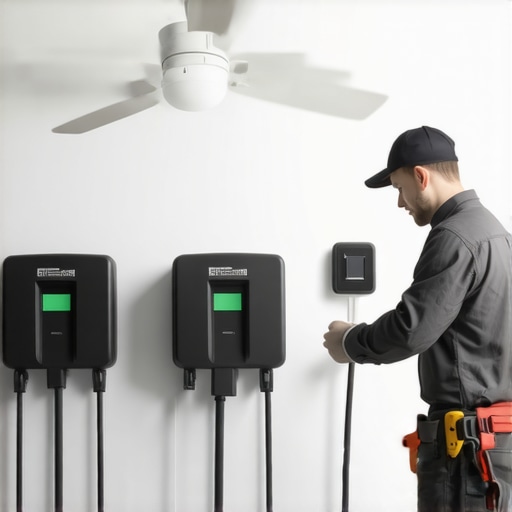
Ever had that frustrating moment when your EV charger refuses to work just when you need it the most? Or when your ceiling fan suddenly stops spinning on a hot summer day? I’ve been there, scratching my head, thinking I could fix it myself. It’s a sinking feeling—waste of time, money, and patience. But here’s the real kicker: I made the mistake of rushing into repairs without understanding the root cause, which only made things worse. That experience taught me a vital lesson: troubleshooting isn’t just about quick fixes; it’s about informed, strategic actions.
Why Troubleshooting Skills Are Non-Negotiable in 2024
With technology advancing rapidly, EV chargers and ceiling fans are becoming smarter but also more complex. If you’re like me, you rely heavily on these devices daily, and any malfunction can throw your routine into chaos. The good news? Having reliable electrician tips can save you hours of hassle and hefty repair bills. Proper troubleshooting ensures you identify the actual problem and avoid unnecessary replacements. Plus, with expert guidance, you can often fix minor issues yourself—empowering you to maintain your home efficiently and safely.
Have you ever faced a stubborn EV charger or a ceiling fan that just won’t turn on? If so, you’re not alone. Many homeowners jump straight to calling a professional without trying some basic troubleshooting first. That’s a mistake I made early on. I thought I could skip the simple checks, but it led to more confusion and delays. Trust me, mastering the basics can make a world of difference. For a comprehensive guide, check out this trusted resource to start your troubleshooting journey.Start with a Visual Check
Before diving into complex tests, perform a thorough visual inspection of your device. Look for obvious issues like loose wires, burnt components, or broken parts. I once found a frayed wire on my ceiling fan that was causing intermittent operation. Fixing or replacing it immediately restored normal function and saved me a call to the electrician. Think of this step as your home’s first line of defense, catching simple problems early.
Verify Power Supply Is Active
Confirm that your device is receiving power. For EV chargers, check if the circuit breaker is ON and not tripped. For ceiling fans, verify the wall switch and circuit breaker. Use a voltage tester or multimeter to ensure power is reaching the outlet or switch. During my troubleshooting, I discovered a tripped breaker that I hadn’t noticed. Restoring power often resolves the issue without further hassle. For detailed steps, see this troubleshooting guide.
Test the Device’s Internal Components
If power is present but the device still doesn’t work, test internal components. For EV chargers, check fuses and circuit boards for damage. For ceiling fans, inspect the capacitor, motor, and switch. I once replaced a faulty capacitor in my ceiling fan, which instantly fixed the spinning problem. Use your multimeter to measure continuity and voltage. Remember, safety first—always turn off power before opening devices.
Inspect Connection and Wiring Issues
Loose or corroded connections are common culprits. Tighten any loose terminal screws and clean corroded contacts with a wire brush. I once found a loose wire terminal in my EV charger that caused frequent disconnections. Securing it fixed the problem permanently. For more tips, visit this resource.
Check for External Factors
Environmental issues such as moisture or extreme temperatures can disrupt operation. Ensure your devices are installed in suitable locations. I learned this the hard way when my outdoor ceiling fan stopped working in winter; a simple cover prevented future issues. Regular maintenance and proper placement help prevent failures.
Use Diagnostic Tools Effectively
Modern devices often have built-in diagnostic modes or indicator lights. Refer to your device’s manual to interpret signals. For example, my EV charger displayed error codes that pointed directly to a wiring fault, saving hours of guesswork. If necessary, use a multimeter or specialized tester recommended by trusted electricians. These tools are your best allies in pinpointing elusive problems.
Consult Professional Help When Needed
If the above steps don’t resolve the issue, it’s time to call in an electrician. Sometimes, problems stem from complex wiring or internal circuit failures that require expert intervention. Remember, safety is paramount—never attempt repairs beyond your skill level. For a trusted professional, explore this directory of expert electricians.
Many homeowners fall into traps when troubleshooting electrical devices like EV chargers and ceiling fans, often due to widespread myths or oversimplified advice. Let’s dig deeper into what most people get wrong and how to avoid costly mistakes.
Why Following the Crowd Can Lead to Bigger Problems
It’s a common belief that if a device isn’t working, the first step should be to replace the entire unit. However, in my experience, this approach can be wasteful and unnecessary. Most faults are minor and fixable with targeted troubleshooting — such as inspecting wiring connections or testing internal components. Rushing to replace equipment without proper diagnosis often results in unnecessary expenses and delays. For comprehensive tips, check out this expert guide.
Beware the ‘Reset and Forget’ Trap
Many believe that simply resetting an EV charger or ceiling fan will resolve all issues. While resets can sometimes clear minor glitches, they often mask underlying problems like faulty wiring or damaged components. Relying solely on this quick fix can lead to recurring failures and even safety hazards. Instead, perform a thorough inspection, verify power supply, and test internal parts before considering a reset. For advanced troubleshooting methods, visit this resource.
Is It Just a Power Issue? Think Deeper
Many think that power problems are always due to tripped breakers or loose outlets. While these are common causes, sometimes the issue stems from more complex factors like faulty capacitors, internal circuit failures, or environmental influences. For instance, outdoor ceiling fans may malfunction due to moisture ingress, which isn’t fixed with a simple toggle. Advanced diagnostics, such as using multimeters to check continuity or voltage, are crucial. According to expert electricians, understanding these nuances can save hours of guesswork. Discover more at this detailed guide.
Have you ever fallen into this trap? Let me know in the comments. Remember, informed troubleshooting not only saves money but also ensures your safety and device longevity.
Maintaining your EV charger, ceiling fan, and other electrical devices isn’t just about fixing problems as they arise; it’s about building a reliable routine that keeps everything functioning optimally over time. As an electrician with years of hands-on experience, I’ve learned that the right tools and proactive strategies make all the difference in long-term performance.
How do I maintain my electrical systems over time?
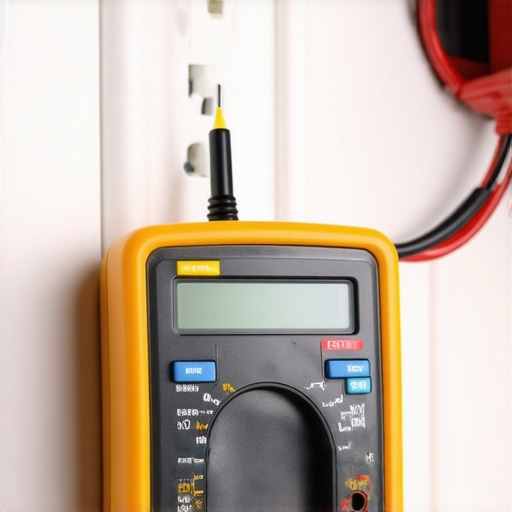
First, investing in quality diagnostic tools is essential. For instance, I personally rely on a Fluke multimeter because of its accuracy and durability. It allows me to quickly check voltage, continuity, and resistance, which are critical when troubleshooting or performing routine checks. Using a multimeter regularly can help you catch issues like small wiring faults or capacitor degradation before they escalate into costly repairs. Remember to always turn off power before testing to ensure safety.
Another tool I recommend is a non-contact voltage tester. It’s perfect for quick checks on outlets, switches, or circuit breakers, especially when you’re unsure if power is active. I keep mine in my toolkit for daily use—it’s fast, safe, and reliable.
Beyond tools, setting a maintenance schedule makes a huge difference. For ceiling fans, I suggest cleaning the blades, inspecting the mounting bracket, and checking the capacitor every six months. Dust and debris can cause imbalances, leading to motor strain or noise. For EV chargers, periodic inspections of the wiring and connectors help prevent corrosion or loose connections that can cause power issues or safety hazards.
More advanced techniques involve software diagnostics. Many modern EV chargers come equipped with diagnostic modes accessible via mobile apps or onboard displays. These can reveal error codes or operational stats that help determine if a component is nearing failure. Keeping firmware updated is equally important to ensure compatibility and security.
Looking ahead, I predict that automation and smart diagnostics will become standard. Devices will self-report issues and even schedule maintenance, reducing downtime and extending lifespan. Embracing these trends now means you’re prepared for a smarter, safer home.
What’s the best way to keep everything working efficiently?
Consistency is key. Use the right tools regularly, follow a maintenance schedule, and stay informed about updates and best practices. For example, I recently discovered that applying dielectric grease to connections in outdoor ceiling fans prevents moisture buildup, which is a simple step that significantly prolongs their life. Try incorporating this tip into your routine—small actions like this can save you from future headaches.
If you want detailed guidance on troubleshooting and maintenance, check out this comprehensive resource. It covers everything from basic checks to advanced diagnostics, tailored for homeowners and DIY enthusiasts alike.
Remember, keeping your devices working smoothly requires a proactive approach and the right equipment. Don’t wait until a problem occurs—start your maintenance today and enjoy peace of mind tomorrow! For the most effective results, I recommend testing your connections with a multimeter monthly and cleaning your ceiling fan blades twice a year. These small investments of time will pay off in reliable performance and safety.
Ready to take your troubleshooting skills to the next level? Try using a multimeter for your next maintenance check—you’ll be surprised how much you can prevent with just a few minutes of testing. Stay safe, stay informed, and keep your electrical systems running at their best.
The Costly Mistakes That Shaped My Troubleshooting Approach
One of the biggest lessons I learned was that jumping straight to replacing a device is often a trap. I used to assume that a non-working EV charger or ceiling fan meant a defective unit, leading me to spend unnecessary money. Over time, I discovered that most issues are minor, like loose wiring or blown fuses, which can be fixed with simple troubleshooting. This insight saved me hundreds of dollars and countless headaches, proving that a methodical approach is essential for any homeowner.
The Hidden Power of Regular Checks and the Right Tools
Investing in quality diagnostic tools transformed my maintenance routine. A reliable multimeter became my best friend, letting me quickly test voltage and continuity. I also found that a non-contact voltage tester helps me verify power without risking shock. These tools empower me to catch problems early—before they escalate into costly repairs or safety hazards. Regular use of these diagnostic aids keeps my home safe and my devices running smoothly, and I recommend everyone do the same.
What I Wish I Knew About External Factors
Environmental influences can sneak up on even experienced DIYers. I once ignored moisture damage on my outdoor ceiling fan, which caused it to malfunction. After replacing parts without success, I realized that proper installation and weatherproofing are crucial. Covering outdoor units and ensuring proper placement can prevent many issues from arising in the first place. My advice? Always consider external factors and maintain your devices proactively for longevity and safety.
Curated Resources That Make Troubleshooting Easier
For anyone serious about troubleshooting, I rely on a few trusted guides. This comprehensive troubleshooting guide offers step-by-step instructions tailored for homeowners. I also keep a copy of the best EV charging station troubleshooting tips handy for quick reference. Lastly, expert electrician tips help me diagnose complex problems confidently, saving time and money.
Your Next Step Toward Confident Repairs
Troubleshooting electrical devices like EV chargers and ceiling fans is empowering. With the right knowledge and tools, you can prevent minor issues from turning into expensive repairs. Start with regular inspections, use diagnostic tools, and don’t be afraid to seek professional help when needed. The more you learn, the more confident you’ll become in maintaining a safe, efficient home. Remember, proactive care today ensures your devices serve you well for years to come.
Have you ever struggled with identifying the real cause of a device failure? Share your experience below and let’s learn from each other’s journeys to better home maintenance.