
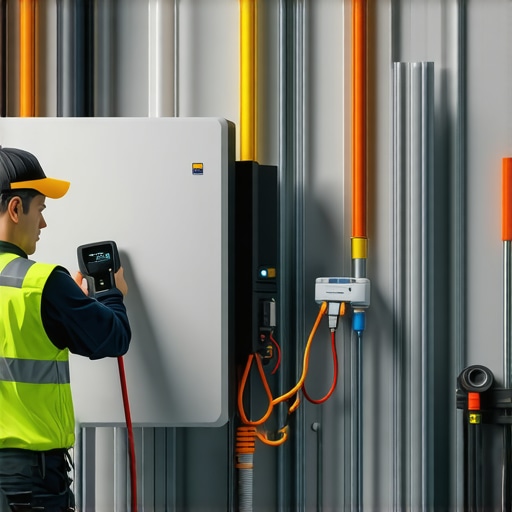
That frustrating moment when your EV charger refuses to charge or your ceiling fan suddenly stops working—it’s enough to make you want to throw your hands up in despair. I remember the first time I faced this dilemma; I spent hours scratching my head, trying to figure out if it was a simple fix or something more serious. It was a lightbulb moment for me—getting some expert advice and practical tips could save me a lot of time, money, and headaches.
Why Troubleshooting Skills Are a Must for Homeowners
In today’s connected world, our reliance on reliable electrical systems is higher than ever. Whether it’s charging your electric vehicle or keeping your living space comfortable with ceiling fans, these systems need to work seamlessly. But when they don’t, it can feel overwhelming. That’s where knowing a few top electrician troubleshooting tips can make all the difference. It’s about empowering yourself to identify issues early, avoid costly repairs, and even fix minor problems yourself, safely.
Is DIY Troubleshooting Actually Worth the Risk
Early on, I made the mistake of trying to fix a ceiling fan without proper knowledge. The result? A short circuit that took a professional to repair. It’s a common pitfall—underestimating the complexity of electrical components can lead to bigger problems. But with the right guidance and safety precautions, troubleshooting can be straightforward. If you’re unsure, consulting trusted resources such as expert electrician solutions is a smart move. Remember, safety always comes first.
So, if you’ve faced those annoying outages or glitches with your EV charger or ceiling fan, don’t panic. Today, I’ll share some proven tips that I’ve personally tested and refined, so you can get your systems back up and running quickly and safely. Ready to become your own troubleshooting hero? Let’s dive into the practical steps that will save you time, money, and a lot of frustration.
Start with a Clear Diagnosis
Before diving into repairs, identify the specific problem. For instance, when my EV charger stopped charging, I checked if it displayed any error codes or blinking lights. This initial step is like a doctor taking your vitals—crucial for guiding your next move. If you see an error, consult the charger’s manual or visit this troubleshooting guide for detailed codes interpretation.
Power Cycle Your Equipment
Often, the simplest fix is turning the device off and then on again. Think of it as giving your system a quick reboot—like restarting your computer to clear minor glitches. I did this with my ceiling fan after it stopped responding. Turn off the breaker, wait 30 seconds, then turn it back on. This can reset the internal electronics and restore normal operation. Always ensure safety by turning off the correct circuit at your breaker box.
Check Connections and Breakers
Loose wires or tripped breakers are common culprits. Use a voltage tester—it’s like a stethoscope for electrical systems—to verify if power is reaching your device. I once found a loose wire in my EV charger’s outlet, which caused intermittent charging issues. Tighten all connections and reset any tripped circuit breakers. If your breaker keeps tripping, it might indicate an overload or a short circuit, which warrants professional help.
Inspect Internal Components Carefully
For devices with accessible panels, look inside for obvious signs of damage—burn marks, corrosion, or broken parts. When I opened my ceiling fan’s motor housing, I noticed worn-out capacitor wires. Replacing these components is straightforward if you follow the right safety procedures, but avoid handling internal parts if you’re unsure. For complex repairs, consult expert electrician solutions.
Test and Replace Faulty Parts
If you identify a faulty component—like a blown fuse or damaged capacitor—replace it with the same type and rating. For example, a blown fuse in my EV charger was easy to swap out after confirming the specs. Always disconnect power before replacing parts and double-check your work before restoring power. Use the device’s manual or online resources for part specifications.
Verify Functionality After Repairs
Once you’ve replaced or fixed components, restore power and test the device. For my ceiling fan, I turned the breaker back on and tested the fan’s remote control and pull chain. If everything works smoothly, you’ve successfully troubleshot the problem. If not, revisit the previous steps or consult a professional.
Document Your Troubleshooting Steps
Keep a record of what you checked and replaced. This helps if the issue recurs or if you need professional assistance later. I noted the steps I took on my phone after fixing my EV charger, which sped up the process when a similar issue occurred later.
Many homeowners approach troubleshooting EV chargers or ceiling fans with misconceptions that can lead to costly mistakes. Let’s clarify some of the most common myths and reveal the hidden nuances that only seasoned electricians understand. By understanding these, you can avoid pitfalls and troubleshoot more effectively, saving time and money.
Why Do People Overlook the Complexity of Electrical Components
One prevalent mistake is assuming that all electrical issues are straightforward and can be fixed with a simple reset or connection check. In reality, many problems stem from internal components like capacitors, circuit boards, or wiring harnesses that degrade over time or due to environmental stress. For example, a worn capacitor in a ceiling fan motor might cause intermittent operation, but homeowners often overlook it and just replace the fan altogether. Recognizing that these components have nuanced failure modes is key to proper troubleshooting. For an in-depth understanding, visit this guide on expert electrician solutions.
Myth: Resetting Fixes Everything
This is one of the most damaging misconceptions. While power cycling or resetting can resolve minor glitches, it doesn’t address underlying issues like faulty wiring, damaged internal components, or overloaded circuits. Relying solely on resets can mask serious problems, leading to bigger failures or electrical fires. Advanced troubleshooting involves inspecting internal parts, verifying connections, and sometimes testing circuit loads — steps that professionals undertake routinely. If you want to elevate your troubleshooting skills, check out top electrician troubleshooting tips.
What Advanced Troubleshooting Techniques Will Help You Save Money
Many homeowners don’t realize that tools like multimeters, thermal cameras, and circuit analyzers can pinpoint issues that basic inspections miss. For example, a thermal camera can detect hot spots in wiring or internal components, revealing hidden faults. Proper use of these tools, combined with a methodical approach, prevents unnecessary replacements and ensures safety. Moreover, understanding the importance of load calculations and circuit capacity can prevent tripped breakers and overheating. As the study by the National Fire Protection Association highlights, a significant portion of electrical fires are caused by neglecting proper troubleshooting and maintenance. Therefore, investing in training or consulting professionals can be a wise step for complex issues.
Have you ever fallen into this trap? Let me know in the comments how you’ve navigated electrical troubleshooting, and remember, when in doubt, consulting a trusted electrician is the safest choice.
Maintaining the longevity and reliability of your home’s electrical systems, especially for critical components like EV chargers and ceiling fans, requires the right tools and a consistent approach. As technology advances, so do the methods professionals use to diagnose and fix issues efficiently. Today, I’ll share the essential tools I rely on for effective troubleshooting and maintenance, along with strategies to ensure your systems stay in top shape over time.
Invest in a High-Quality Multimeter
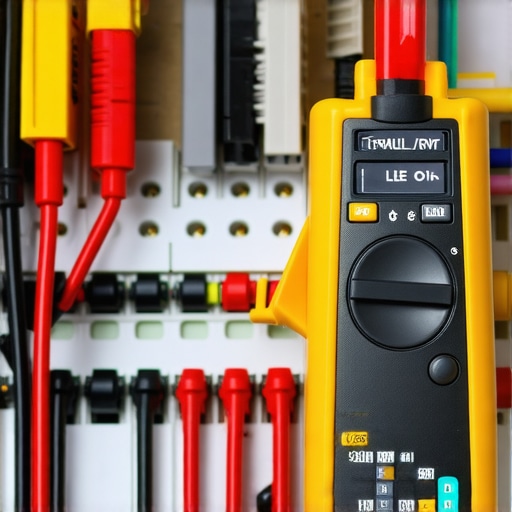
A reliable multimeter is the cornerstone of any electrician’s toolkit. I personally use a digital multimeter with True RMS capability because it provides accurate readings of voltage, current, and resistance—crucial when diagnosing complex problems in EV chargers or ceiling fans. Look for a model with auto-ranging features to simplify measurements, and ensure it has CAT III or CAT IV safety ratings for handling household circuits safely. Properly testing connections and internal components with a multimeter helps prevent unnecessary replacements and catches issues early.
Use Thermal Imaging Cameras for Hidden Faults
Thermal cameras are game-changers, allowing me to spot hotspots caused by loose wiring or failing components without disassembling devices. I often scan circuits and connectors with a compact thermal camera, which reveals temperature anomalies that indicate potential failures. As the trend toward smarter, more connected homes grows, thermal imaging will become even more integrated into routine maintenance, helping homeowners and professionals alike prevent costly repairs before symptoms become visible. For those serious about proactive maintenance, investing in a thermal camera is a smart move.
Apply Circuit Analyzers for Load Management
Understanding how your circuits handle load over time is essential. I rely on a circuit analyzer to monitor real-time power consumption and identify overloads or inefficiencies. These devices can detect issues like unbalanced phases or hidden wiring problems that might trip breakers unexpectedly. As smart home technology evolves, integrating these tools with apps or home automation systems will offer even deeper insights, making long-term maintenance more manageable and less disruptive.
Implement a Routine Maintenance Schedule
Tools are only part of the equation. Regular inspections and maintenance significantly extend the life of your systems. I recommend visual checks every six months—look for corrosion, loose wires, or signs of wear. Test connections and replace worn-out components proactively. Scheduling annual professional inspections can uncover issues before they escalate. As the industry shifts toward more sustainable and durable solutions, adopting a proactive mindset and leveraging these tools will ensure your electrical systems remain reliable for years to come.
What’s Next in Electrical Maintenance
Looking ahead, I predict that automation and smart diagnostics will become standard in home electrical systems. Devices will increasingly communicate their status to homeowners via apps, alerting us to potential problems before they cause outages. This integration will make maintenance more straightforward and less time-consuming, empowering homeowners to keep their systems in optimal condition without extensive technical knowledge.
Ready to upgrade your troubleshooting toolkit? Try incorporating a thermal imaging camera into your routine. It’s a powerful way to catch issues early and save money on repairs. Staying ahead with the right tools today guarantees a safer, more reliable home tomorrow.
The Hardest Lesson I Learned About Troubleshooting Electrical Systems
Early in my DIY journey, I underestimated the complexity of even simple electrical issues. My biggest mistake was assuming resetting a device would fix deeper problems, which sometimes led to bigger hazards. Now I know that a thorough diagnosis is essential before attempting repairs, and consulting expert electrician solutions can prevent costly mistakes.
My Essential Toolkit for Troubleshooting EV Chargers and Ceiling Fans
Investing in quality tools has transformed my troubleshooting approach. A reliable multimeter helps me accurately test voltage and resistance, ensuring safe handling of circuits. I also rely on thermal imaging cameras to detect hidden hotspots, which often point to internal faults. Load analyzers give insight into circuit performance, helping me avoid overloads and ensure longevity of my devices. These tools empower homeowners to troubleshoot effectively and safely.
Don’t Hesitate to Take Action
Troubleshooting electrical issues might seem daunting, but with the right mindset and tools, you can make a real difference in your home’s safety and efficiency. Remember, when in doubt, consulting trusted resources like expert electrician solutions can save you time and prevent hazards. Keep learning and stay proactive — your home’s electrical health depends on it.