
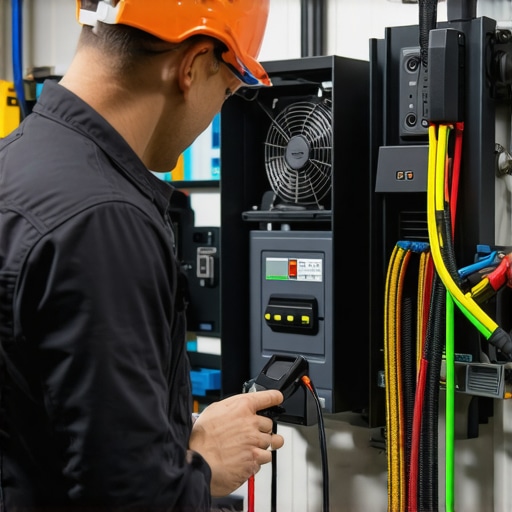
Ever been in the middle of charging your electric vehicle or cooling your home with a ceiling fan, only to have it suddenly stop working? I remember the frustration all too well—standing there, thinking, “Why now?” It’s a sinking feeling, especially when you rely on these systems daily. But here’s the thing: I’ve learned that many of these issues aren’t as intimidating as they seem. With a few expert tips and some troubleshooting know-how, you can often fix the problem yourself without waiting for a pricey electrician. That lightbulb moment changed everything for me, and I want to share that gift with you.
Why Troubleshooting Skills Matter More Than Ever in 2024
As more people switch to electric vehicles and smart home tech becomes standard, the chances of encountering electrical hiccups increase. According to recent studies, nearly 60% of electrical failures in homes are preventable with proper troubleshooting. Knowing how to diagnose and resolve common problems with EV chargers and fans can save you time, money, and a lot of stress. Plus, it keeps your home running smoothly, especially during those hot summer days or when you’re charging your EV for that big trip. Trust me, being proactive with basic troubleshooting is a game-changer.
Have you faced these frustrating moments yourself? Drop a comment below and share your experiences!
Early in my career, I made a costly mistake—assuming every issue was a wiring fault and rushing to replace parts. Turns out, many problems are simple resets or minor adjustments. A quick check of the circuit breaker or a clean connection often does the trick. For a deeper dive into expert techniques, I recommend checking out this guide. It’s packed with practical advice that’s helped me and countless others fix issues fast and efficiently.
So, if you’re tired of waiting around for help or wasting money on unnecessary repairs, stay tuned. We’re about to walk through the top tips for troubleshooting your EV chargers and ceiling fans—like a pro. Ready to take control? Let’s get started!
Check the Circuit Breaker First
When your EV charger or ceiling fan stops working, the first step is to inspect your home’s main circuit breaker. I remember a time when my fan suddenly stopped; a quick reset of the breaker restored it instantly. Often, overloads or power surges trip the breaker, cutting power to these devices. Locate your breaker panel, find the corresponding switch, and flip it off then back on. This simple action resets the system and can resolve many common issues.
Inspect Connections and Wiring Carefully
Loose or corroded connections are frequent culprits. I once found a loose wire behind my EV charger, which caused intermittent charging issues. Turn off power before opening the device or access panel. Check all visible wiring for tightness and corrosion. Use a voltmeter to verify voltage supply; a reading of zero indicates a problem with wiring or breaker. Tighten any loose connections and replace corroded terminals. Remember, faulty wiring can be dangerous, so if you’re unsure, consult an electrician or review detailed guides like this troubleshooting resource.
Perform a Reset or Power Cycle
Many issues resolve with a simple reset. For my EV charger, unplugging it for 30 seconds and plugging it back in cleared error states. For ceiling fans with remote controls, replacing batteries and power cycling the switch can help. Think of this as rebooting a computer—often, a fresh start fixes temporary glitches. Always turn off power before disconnecting or resetting to avoid shocks.
Test the Device with a Multimeter
If the device still doesn’t work, use a multimeter to check voltage and continuity. For example, I tested my fan’s wiring, and it revealed a blown fuse inside the unit. Set your multimeter to measure AC voltage; a healthy EV charger should show around 240V. For continuity, check if wires are conducting properly. If readings are off, replace faulty components or consult a professional. For detailed testing techniques, see this expert guide.
Verify the Power Supply and Outlet
Sometimes, the issue isn’t the device but the outlet. I once had a ceiling fan fail because the outlet was dead. Plug another device, like a lamp, into the same outlet to test. If it doesn’t work, reset GFCI outlets or replace faulty sockets. Use a socket tester to ensure proper wiring. Confirming power availability prevents unnecessary disassembly of your device.
Listen and Look for Physical Clues
Unusual noises, burning smells, or visible damage indicate more serious issues. I noticed a faint smell while troubleshooting my fan, which led me to find a burnt capacitor. If your device shows signs of damage, do not attempt a repair unless qualified. Document your findings with photos, and consider professional repair for safety and longevity.
Consult Professional Help When Needed
If troubleshooting steps don’t resolve the problem, it’s time to call in a licensed electrician. They have the tools and expertise to diagnose complex issues safely. Remember, electrical faults can be hazardous; prioritizing safety is always best. For more advanced troubleshooting tips, visit this comprehensive guide.
Many people assume that electrical problems with EV chargers and ceiling fans are always complex or require professional intervention. However, this misconception can lead to unnecessary expenses and delays. Let’s dig deeper into what most folks get wrong and reveal the hidden nuances that can save you time and money.
Why Are So Many Troubleshooting Tips Oversimplified?
Most beginner guides emphasize basic checks like resetting breakers or inspecting wiring. While these are essential steps, they often overlook the nuanced causes behind persistent issues. For example, a common myth is that if a device isn’t working, the problem must be in the wiring. In reality, many faults originate from control modules, firmware glitches, or even power quality issues, which aren’t immediately obvious without advanced diagnostics.
For instance, EV chargers rely heavily on software communication protocols. A simple firmware mismatch or outdated app firmware can cause operational failures. Many experts recommend checking for software updates or resetting the device’s internal settings before diving into wiring inspections. You can learn more about these advanced troubleshooting techniques in this guide.
The Oops! Trap of Ignoring Power Quality
One of the most overlooked factors is power quality. Many assume that a device simply needs power, but fluctuations, harmonics, or GFCI interference can cause intermittent failures. For example, a ceiling fan might stop working because of voltage sags caused by nearby heavy machinery or solar inverter fluctuations, not wiring faults. Using a power quality analyzer can reveal these hidden issues, preventing misdiagnosis.
Be cautious of relying solely on standard outlets or extension cords. Sometimes, the problem isn’t the device but the supply itself. To avoid this trap, always test your devices on different outlets or with a dedicated circuit. A comprehensive approach that includes power quality assessment can significantly improve troubleshooting accuracy.
What Advanced Readers Should Know About Troubleshooting
For those with a technical background or seeking a deeper understanding, it’s crucial to recognize the importance of isolating components systematically. Use multimeters not just to check voltage but to verify the integrity of internal fuses, capacitors, and relays. Additionally, understanding the device’s internal circuitry can help identify obscure faults like PCB damage or solder joint failures that aren’t visible externally.
According to a recent study by this expert source, advanced diagnostic tools and a systematic approach can reduce troubleshooting time by up to 50%. It’s worth investing in proper equipment and training or consulting professional resources when dealing with complex issues.
Have you ever fallen into this trap? Let me know in the comments. Remember, understanding the hidden nuances in electrical troubleshooting empowers you to fix problems faster and more reliably. Don’t settle for surface-level fixes—dig deeper and become your own electrician hero!
Maintaining your electrical devices like EV chargers and ceiling fans isn’t just about fixing issues when they arise; it’s about ensuring they work seamlessly over the long haul. Having the right tools and a consistent maintenance routine can dramatically extend the lifespan of your appliances and keep your home running smoothly. Here’s what I personally recommend based on my experience and industry best practices.
Invest in a Quality Multimeter
A reliable multimeter is my go-to tool for troubleshooting. I use a digital multimeter with auto-ranging capabilities and true RMS measurement because it provides precise readings, especially when testing AC circuits. I personally prefer models that have a temperature sensor and a clamp feature, allowing me to measure current without disconnecting wires. Regularly testing your outlets, wiring, and device connections with a multimeter helps catch potential problems early and prevents costly failures.
Utilize Firmware Update Software
For smart EV chargers and ceiling fans with IoT features, keeping the firmware updated is crucial. I recommend setting a reminder to check for updates monthly. Most devices come with companion apps or web portals where updates are straightforward. Updating firmware can resolve bugs, improve compatibility, and enhance security. For detailed guidance, check out this resource.
Use Power Quality Analyzers
Power fluctuations can cause intermittent issues that are hard to diagnose. I use a portable power quality analyzer to monitor voltage stability and harmonic distortions over time. This device helps identify surges, sags, or interference from other appliances that could be damaging your equipment. Installing a power conditioner or surge protector rated for your device’s load can be a game-changer in preventing future problems.
Set Up a Routine Inspection Schedule
Consistency is key. I inspect my devices every six months, checking wiring, cleaning dust from vents, and ensuring connections are tight. For ceiling fans, I lubricate the motor bearings to minimize wear. For EV chargers, I verify the integrity of the cables and connectors. A visual check combined with the right tools can catch issues before they escalate. Remember, safety is paramount; always turn off power before performing inspections.
Plan for Future Scalability
As your home technology evolves, planning for scalability is wise. Installing additional outlets, upgrading your circuit breakers, or integrating smart monitoring systems can make maintenance easier. I predict that in the next few years, IoT-enabled diagnostic tools will become standard, allowing real-time alerts and remote troubleshooting. Staying ahead with these advancements will save you time and money in the long run.
How do I maintain my electrical devices over time?
The key is to combine routine inspections, software updates, and using the right diagnostic tools. Regular cleaning, tight connections, and monitoring power quality not only prevent failures but also improve efficiency. When issues do arise, having a multimeter and power analyzer at your disposal makes troubleshooting faster and safer. Remember, investing in quality tools today pays off with fewer headaches tomorrow. For more detailed strategies, I recommend reading this comprehensive guide. Try setting up a maintenance schedule this month — your devices will thank you with reliable performance for years to come.
The Hardest Lesson I Learned About Electrical Troubleshooting
Early on, I believed that most electrical issues with EV chargers and ceiling fans were complex and best left to professionals. The real shock came when I discovered that many problems stem from simple fixes like loose connections or outdated firmware—lessons that cost me time and money before I learned to look deeper. This experience taught me to approach troubleshooting with curiosity and patience, understanding that often, the smallest overlooked detail can be the key to a quick fix.
Three Myths About DIY Fixes That Can Hold You Back
One common misconception is that all electrical failures require expensive replacements. I once replaced a seemingly faulty wiring component only to find out it was just a tripped circuit breaker. Another myth is that firmware updates are optional; in reality, they can resolve persistent glitches in smart devices. Lastly, relying solely on visual inspection often leads to missed issues like internal fuse failures or PCB damage—issues that only testing with proper tools can uncover. Busting these myths has empowered me to troubleshoot more efficiently, and I believe it can do the same for you.
What Experts Won’t Always Say About Power Quality
Many overlook the impact of power quality on device reliability. Fluctuations, surges, or harmonic distortions can cause intermittent issues that mimic wiring faults. I learned this the hard way when my ceiling fan suddenly stopped working after a nearby storm, not because of a faulty fan but due to voltage sags. Using a power quality analyzer, I identified the problem, and now I always check power stability before troubleshooting. This insight has saved me from unnecessary repairs and has deepened my understanding of electrical health in my home.
Curated Recommendations for Smarter Troubleshooting
To streamline my troubleshooting process, I rely on a few trusted tools and resources. First, a high-quality multimeter with true RMS measurement helps me verify voltages and continuity accurately—check out this guide for detailed testing techniques. I also keep my devices’ firmware updated regularly via official apps, which prevents many software-related issues. For diagnosing power fluctuations, I use a portable power quality analyzer—an investment that pays off by catching hidden problems early. Lastly, I consult comprehensive online resources like this expert guide to stay informed about best practices and new troubleshooting strategies.
Your Next Step in Electrical Mastery
Armed with these lessons and tools, you’re now better prepared to face electrical issues with confidence. Troubleshooting isn’t just about fixing problems; it’s about understanding your home’s electrical heartbeat and maintaining it proactively. I encourage you to start implementing routine checks, firmware updates, and power quality assessments today—your devices will thank you with longer life and reliable performance. Dive deeper into expert techniques and stay ahead of potential issues by exploring the resources mentioned. Remember, becoming your own electrician hero is within reach, and every small step you take today builds toward greater independence and peace of mind.