
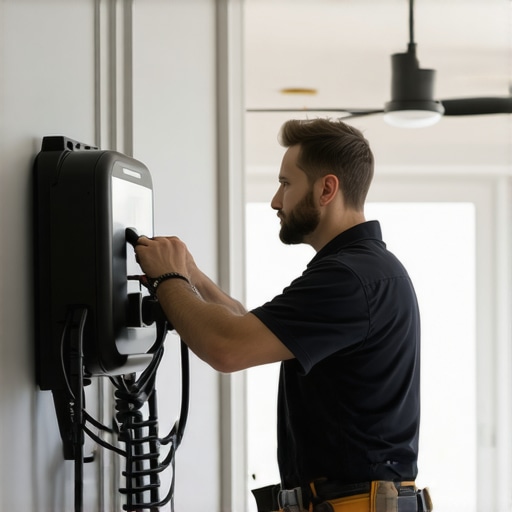
Ever experienced that sinking feeling when your EV charger refuses to charge just when you need it most? Or watched your ceiling fan spin lazily, refusing to start on a hot summer day? I’ve been there too. I remember a particularly frustrating evening when my electric vehicle’s charging station suddenly stopped working, and I had no idea where to start looking for the problem. It was only after some trial, error, and a bit of expert advice that I finally cracked the case. That moment made me realize how crucial it is to understand simple troubleshooting tips for these common home electrical issues.
Why Fixing Electric Problems Yourself Can Save Your Day
Troubleshooting electrical issues like EV chargers and ceiling fans might seem intimidating, but it’s often simpler than you think. When these devices stop working, the last thing you want is to wait for a costly electrician to arrive, especially when you’re in a hurry or facing a heatwave. With some basic knowledge and the right approach, you can diagnose and fix many problems quickly. Plus, avoiding unnecessary service calls can save you money — and give you peace of mind that you’re maintaining a safe, functional home. If you’re curious about how to get started, I recommend checking out this comprehensive guide for expert tips that demystify the process.
Have You Faced This Electrical Headache Without a Clue?
Trust me, early in my career I made the mistake of ignoring simple signs like blinking indicator lights or loose connections. It’s a rookie error that can turn a quick fix into a major headache. That’s why I always advocate for understanding common troubleshooting techniques. When you know what to look for, you can often resolve issues on your own or at least narrow down the cause before calling in the pros.
So, if you’ve ever been stuck wondering why your EV charger isn’t charging or why your ceiling fan won’t turn on, don’t worry. Today, I’ll walk you through effective, easy-to-follow steps that can help you troubleshoot and fix these problems fast. Ready to become the home electrician hero? Let’s dive into the practical tips that will make your next repair a breeze.
Test Power Supply First
Before diving into complex fixes, verify that your device is receiving power. Use a multimeter or plug a different appliance into the outlet to confirm it’s working. I once faced a non-charging EV station, only to realize a tripped circuit breaker was the culprit. If the outlet isn’t live, reset the breaker or check your fuse box. This simple step can save you hours of unnecessary troubleshooting.
Inspect Connections and Wiring Carefully
Loose or damaged wiring is a common cause of electrical problems. Turn off the power at the breaker, then remove the device cover. Look for loose wires, corrosion, or burnt marks. I once found a loose wire connection inside my ceiling fan, which caused intermittent operation. Tighten any loose screws and replace damaged wires. Remember, safety is paramount—if you’re unsure, consult a professional or review this expert guide.
Test and Reset Circuit Breakers and GFCI Outlets
Many issues stem from tripped breakers or GFCI outlets. Reset all relevant switches, then test the device again. I once reset a GFCI in my garage, and my EV charger immediately started working. If it trips again, there’s likely a wiring fault or overload that needs further investigation. Use a tester to ensure outlets are providing the correct voltage; if not, replace or repair faulty outlets.
Examine Device-Specific Indicators and Controls
Many EV chargers and ceiling fans have indicator lights or displays. A blinking light or error code can guide your troubleshooting. For example, a flashing LED on my charger pointed to a communication error, which I resolved by reconnecting the cable. Consult the device manual or this trusted resource for decoding signals.
Test Components Individually
If the device still doesn’t work, test individual components like switches, thermostats, or sensors. Use a multimeter to check continuity or resistance. I replaced a faulty capacitor in my ceiling fan, which fixed the non-start issue. Remember, disassemble only if you’re comfortable with electrical parts, and always turn off the power first.
Look for External Causes
Sometimes, external factors like weather or nearby electrical interference can cause problems. For instance, a thunderstorm caused my EV charger to malfunction temporarily. Wait a few hours and try again. Also, ensure your Wi-Fi or smart controls are functioning properly if your device is connected that way.
When to Call a Professional
If troubleshooting doesn’t resolve the issue, or if you find damaged wiring, burning smells, or sparks, it’s time to call an electrician. Don’t risk your safety trying to fix complex electrical faults. For quick, reliable help, check out this expert advice for professional repairs.
Many homeowners fall into traps when attempting to troubleshoot electrical issues like EV chargers and ceiling fans, often due to misconceptions or overlooked nuances. Let’s dig into what most people get wrong and how understanding these pitfalls can save you time and potential hazards.
Why the crowd believes all problems are simple fixes
A common myth is that electrical issues always have straightforward solutions. In reality, many problems are symptoms of underlying, complex faults such as wiring degradation or subtle component failures. Rushing to replace parts without proper diagnosis can lead to recurring issues or even safety risks. For example, a faulty GFCI outlet might trip repeatedly not because it’s broken but because of wiring issues elsewhere in the circuit. Expert guidance emphasizes the importance of thorough testing and elimination, rather than jumping to conclusions — you can find detailed troubleshooting strategies here.
The danger of ignoring external factors
Many assume that if a device isn’t working, the problem is inside the unit. But external factors like weather, power fluctuations, or interference can silently cause issues. For instance, an EV charger exposed to a thunderstorm might temporarily malfunction, or Wi-Fi interference could disrupt smart ceiling fans’ operation. Overlooking these external influences can lead to unnecessary repairs or replacements. Recognizing when external conditions impact your devices is a nuanced skill that seasoned electricians master, and you can learn more from this resource.
Advanced troubleshooting often requires more than multimeters
While basic tools are useful, many homeowners and even novice electricians miss the importance of specialized diagnostic techniques like insulation testing or circuit tracing. For example, identifying a subtle leakage current or intermittent wiring fault might require professional-grade equipment and expertise. Relying solely on simple continuity checks can be misleading if the fault is complex. This is where the real nuance lies — understanding the limits of your tools and when to escalate to professional diagnostics. For a deep dive into these advanced methods, check out top electrician tips.
Are you falling for this trap? Think beyond the obvious
Many troubleshooting efforts fail because people focus only on visible issues without considering hidden faults or external influences. Remember, electrical problems are often multi-layered. For example, a ceiling fan that stalls might have a worn-out capacitor, but it could also be a loose connection behind the switch or a faulty relay. Prioritize a systematic approach, testing each link in the chain. If you’re unsure, consulting a professional or reviewing expert advice can prevent costly mistakes and safety hazards. Have you ever fallen into this trap? Let me know in the comments.
Maintaining your home electrical devices like EV chargers and ceiling fans requires more than just occasional resets. Investing in the right tools and understanding proper maintenance routines can significantly extend their lifespan and ensure they operate efficiently. Over time, even the best equipment can encounter issues, but with a few expert-recommended practices, you can keep things running smoothly without always calling in an electrician.
Why Regular Inspections Are Key
One of the most effective ways to keep your devices in top shape is through periodic inspections. I personally schedule a monthly visual check of all wiring, connectors, and control panels. This helps catch minor issues like loose wires or signs of wear before they escalate into costly repairs. For instance, inspecting the connections inside your ceiling fan can prevent unexpected failures and improve safety. Use a reliable digital multimeter to verify voltage levels and continuity, ensuring your devices receive proper power and are wired correctly. For comprehensive guidance on these procedures, you might want to review this detailed troubleshooting resource.
Tools I Depend On for Troubleshooting
My go-to tool for diagnosing EV charger and ceiling fan issues is a professional-grade digital multimeter. It provides accurate readings of voltage, resistance, and current, helping me pinpoint problems without guesswork. Additionally, I recommend a insulation tester for detecting leaks or degraded wiring insulation that might cause shorts or inefficiencies—something a basic multimeter can’t always reveal. For more complex issues, a circuit tracer can be invaluable in following wiring paths behind walls or within junction boxes, ensuring no connection is missed. I personally find that combining these tools with an infrared thermometer helps identify hotspots in wiring or connectors that may be overheating, preventing potential failures.
Future Trends in Electrical Maintenance
Looking ahead, I believe smart diagnostic tools integrated with IoT technology will become standard. Devices connected to home networks can provide real-time alerts for issues, reducing downtime and preventing damage. Imagine receiving a notification on your phone about a faulty connection before it causes a complete outage — this is the direction the industry is heading. Staying updated with advanced tools and techniques, like those discussed in this expert guide, will help you adapt and maintain your home’s electrical health efficiently.
How do I maintain my devices over time?
Consistent maintenance starts with routine inspections, cleaning, and testing. I recommend cleaning dust and debris from control panels and fan blades quarterly, using a soft brush or compressed air. Tighten any loose connections and replace worn-out parts promptly. For critical components like capacitors in ceiling fans or contactors in EV chargers, consulting the manufacturer’s guidelines ensures you’re following best practices. Additionally, updating your device firmware, if applicable, can improve performance and security. Regularly monitoring your devices’ performance via smart apps or diagnostic tools can catch issues early, saving you time and money in the long run. Remember, a proactive approach keeps your home running smoothly and safely. Try integrating a digital multimeter with your routine checks, and see how much easier troubleshooting becomes.
The Hardest Lesson I Learned About Troubleshooting, EV Chargers, Electricians, Ceiling Fans
One of the most profound lessons I’ve encountered was realizing that not every electrical problem is as straightforward as it appears. Early mistakes, like rushing to replace parts without thorough checks, taught me patience and the importance of systematic diagnosis. I learned that understanding the subtle signs—like a flickering indicator or a slight smell of burnt wire—can save you hours, or even days, of frustration. This insight pushed me to dig deeper into expert techniques, highlighting that sometimes, the most complex faults hide behind simple symptoms.
Curated Tools That Transformed My Troubleshooting Approach
Over the years, I’ve come to rely on a handful of essential tools that make diagnosing electrical issues more manageable. A professional-grade digital multimeter is my first line of defense—it’s invaluable for testing voltage and continuity accurately. An insulation tester helps me identify hidden wiring degradation, while a circuit tracer traces elusive wiring paths inside walls. These tools have become my trusted companions, turning what once felt like guesswork into precise diagnostics.
The Power of Trusting Your Gut and Embracing External Factors
One thing I’ve learned is to listen closely to my instincts—if something feels off, it usually is. External influences like weather, power surges, or interference can cause devices to malfunction unexpectedly. For example, thunderstorms caused my EV charger to temporarily go offline, reminding me that sometimes, the environment plays a bigger role than we realize. Recognizing these external cues helps prevent unnecessary repairs and keeps safety at the forefront. It’s a nuanced skill that separates seasoned troubleshooters from amateurs, and I encourage everyone to stay aware of their surroundings when diagnosing issues.
Why Some Fixes Require a Step Beyond Basic Checks
Basic testing can only take you so far. Complex faults, such as subtle wiring leaks or faulty relays, often need more advanced diagnostics. Relying solely on a multimeter to check for continuity might miss intermittent faults that only appear under specific conditions. That’s why I’ve learned to escalate when necessary—using professional tools or consulting with expert electricians. This layered approach ensures problems are truly resolved, not just patched temporarily. If you’re interested in deepening your troubleshooting skills, I recommend exploring top electrician strategies to elevate your home maintenance routine.
I really appreciate this detailed troubleshooting guide. Last summer, I faced a similar issue where my ceiling fan suddenly stopped working during a heatwave. Initially, I assumed it was a faulty motor, but after resetting the breaker and inspecting the connections, I discovered a loose wire behind the switch. It’s amazing how such a small issue can cause big frustration! Your tip on checking external factors like weather and interference really resonated with me, as I’ve noticed my smart fan sometimes glitches during thunderstorms. It makes me wonder, for those who use smart home devices, what additional troubleshooting steps do you recommend for connectivity problems? Sometimes, I feel like combining basic checks with smart diagnostics could really streamline maintenance. Has anyone tried smart diagnostic tools that sync with home apps for real-time alerts? Would love to hear how you all maintain and troubleshoot your devices—learning from others’ experiences is always helpful!
This post hits home for me because I recently faced a stubborn ceiling fan issue that refused to turn on during a heatwave. After troubleshooting, I realized the problem was a loose connection behind the switch panel — a simple fix but one that might have been overlooked without some careful inspection. I’ve learned that external factors like humidity and temperature can have subtle effects on electrical components, which makes regular inspections even more important. I’ve also started using a circuit tracer to identify hidden wiring issues more efficiently. Has anyone found that smart diagnostic tools, connected via home automation systems, have helped you catch issues early or provide useful alerts? It seems like integrating these technologies could really change how we approach basic home electrical troubleshooting, especially for devices like EV chargers and ceiling fans. I’d love to hear about any tools or tips you’ve found effective in maintaining these systems proactively.