
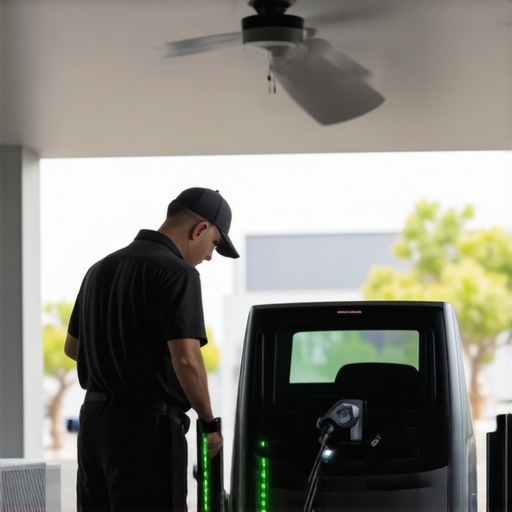
Ever been in the middle of a Netflix binge, only to hear that dreaded hum of a ceiling fan flickering or discover your electric vehicle charger isn’t working right when you need it most? I’ve been there—frustrated, scratching my head, thinking I’d have to call in a professional. But here’s the lightbulb moment: many common issues with EV chargers and ceiling fans are surprisingly simple to diagnose and fix if you know what to look for. And trust me, I’ve made my fair share of mistakes early on, like trying to reset the breaker without checking the wiring first. That’s a rookie move I don’t want you to repeat.
Why Troubleshooting Matters More Than Ever Right Now
With more people working from home and electric vehicles becoming a staple, reliable ceiling fans and EV chargers are no longer luxuries—they’re essentials. When these systems fail, it’s not just an inconvenience; it can disrupt your daily routine. Plus, tackling small electrical issues yourself can save you hundreds and keep your home running smoothly. But here’s the kicker: electrical troubleshooting used to seem intimidating. Not anymore. I’m here to share practical, straightforward tips that will empower you to handle common problems confidently. If you’ve ever faced a flickering fan or a charger that won’t start, you know how stressful it can be. Let’s change that. I’ll guide you through quick fixes, proven by trusted electricians, so you can get back to your day faster. For detailed expert advice, check out the comprehensive guide at this link.
Is DIY Troubleshooting a Waste of Time or Worth the Effort?
One mistake I made early on was diving into repairs without proper knowledge. I thought I could handle everything myself, only to make the problem worse. That’s why I recommend understanding the basics first. Troubleshooting isn’t about risking your safety; it’s about knowing where to look and what signs indicate a real issue. Sometimes, a simple reset or tightening a loose connection does the trick. Other times, it’s best to call a professional. For those ready to try, I’ve compiled essential troubleshooting tips from experienced electricians, which you can find at this resource.
So, if you’ve faced frustrating moments with your ceiling fan or EV charger, don’t despair. In the next sections, I’ll walk you through the key steps to identify and fix common problems quickly. Remember, being proactive can save you money and time, and you’ll gain confidence in your home’s electrical systems. Ready to become your own troubleshooting hero? Let’s dive in!
Test the Basics First
Start by inspecting your circuit breaker. Imagine your electrical system as a highway; if a breaker trips, it’s like a traffic jam blocking the flow. Resetting it without checking for underlying issues is like restarting a clogged drain—temporary fix, not a solution. When my ceiling fan stopped working unexpectedly, I first turned off the switch, went to the breaker panel, and reset the breaker. It worked temporarily, but the fan flickered again. That’s when I knew I needed to dig deeper.
Check the Power Source and Switches
Next, verify if the fan or charger is receiving power. Use a voltage tester—think of it as a health check for your wiring. For example, I tested the outlet powering my EV charger; it read zero volts, indicating a power supply issue rather than the charger itself. If the outlet is dead, your problem isn’t with the device but with the wiring or circuit. Similarly, inspect the switch controlling your ceiling fan. Sometimes, a loose switch connection can cause intermittent operation. Tighten any loose wires carefully.
Inspect Wiring Connections and Components
Loose or damaged wiring is a common culprit. My experience with ceiling fans taught me to turn off power before examining wires—think of it as putting safety goggles on before fixing a machine. Remove the fan’s cover and check if all wires are securely connected. Look for corrosion or burn marks, which indicate overheating. When troubleshooting my EV charger, I found a loose ground wire causing inconsistent charging. Tightening it restored proper function. Remember, if wires are frayed or damaged, replacing them is safer than trying to repair them.
Test the Components
Sometimes, the problem lies within the device itself. For ceiling fans, this could be the capacitor or the motor. For EV chargers, it might be the internal fuse or relay. In my case, replacing a faulty capacitor turned my noisy fan into a quiet one. For your charger, consult your manual to identify test points or indicators. If you’re unsure, it’s best to check with a professional or visit this resource for detailed guidance.
Perform a Reset or Power Cycle
Many issues resolve with a simple reset. Turn off the device, wait a few moments, then turn it back on. This clears temporary glitches—like rebooting a frozen computer. I once had my EV charger show an error code; resetting it cleared the code and restored charging. For ceiling fans with remote controls, replace the batteries and re-sync the remote. These small steps often fix the problem without further intervention.
Utilize Troubleshooting Guides and Professional Help
If your DIY efforts hit a wall, don’t hesitate to consult trusted resources like this guide. Sometimes, complex issues require a professional touch. Remember, electrical work can be dangerous—never force a fix if you’re unsure. When I faced a stubborn ceiling fan that refused to spin, I called a licensed electrician. Their expertise saved me time and prevented potential hazards.
By following these concrete steps, you can troubleshoot most common ceiling fan and EV charger issues confidently. Each problem is a puzzle—approach it systematically, and you’ll become more skilled with every fix. Keep safety first, and don’t shy away from seeking professional help when needed.
Many homeowners and DIY enthusiasts believe that troubleshooting electrical issues with devices like EV chargers and ceiling fans is straightforward — just check the power, reset the device, and replace parts if needed. However, this oversimplifies a complex process filled with hidden nuances that can lead to costly mistakes if overlooked. Let’s dig deeper into what most people get wrong and reveal the subtle traps that even experienced DIYers can fall into.
One widespread myth is that a simple reset or switch toggle always fixes the problem. While these steps are often helpful, they can mask underlying wiring or component issues. For example, repeatedly resetting an EV charger that trips the breaker might seem like a quick fix, but it could indicate a wiring overload or a failing component that needs professional attention. Ignoring these signs and just resetting can lead to fire hazards or permanent damage. Instead, a thorough inspection of wiring connections and load capacity is essential — something many DIYers overlook. For expert insights on this, check out this detailed guide.
Why Are Troubleshooting Steps Sometimes Dangerous for Non-Professionals?
Many assume that electrical troubleshooting is safe as long as the power is off. But in reality, residual voltage, hidden wiring, or faulty grounding can pose risks even when devices are unplugged. For example, some ceiling fans and EV chargers are connected to complex wiring systems that may have backfeeds or shared circuits. A common mistake is to assume that flipping the breaker off is enough — but a professional electrician knows to verify with a voltage tester and check grounding connections to prevent shocks or further damage. According to recent studies, improper handling of electrical systems accounts for a significant percentage of home electrical accidents — so caution is paramount. For advanced troubleshooting techniques, consult this expert resource.
Another trap is focusing solely on the device itself rather than the entire circuit. For example, a faulty capacitor in a ceiling fan might be the visible culprit, but the root cause could be an overloaded circuit or poor wiring connections elsewhere. Fixing the capacitor without addressing the circuit can lead to recurring issues or damage to new parts. Skilled electricians understand these nuances, ensuring repairs are comprehensive rather than superficial. If you want to prevent common pitfalls, take a look at this professional guide.
Finally, many DIYers underestimate the importance of testing and diagnosing beyond visual inspection. Using a multimeter to check voltage levels and current flow can reveal hidden problems like voltage drops or intermittent connections that are not obvious. For advanced troubleshooting advice, I recommend reviewing this electrician’s tips.
In conclusion, troubleshooting electrical issues with EV chargers and ceiling fans isn’t just about replacing parts or flipping switches. It requires understanding the intricacies of home wiring, recognizing subtle signs of trouble, and knowing when to call a professional. Don’t fall into the trap of oversimplification or risking safety — approach each problem with a critical eye and proper tools. Have you ever fallen into this trap? Let me know in the comments.
Maintaining your ceiling fan and EV charger isn’t just about fixing problems when they arise; it’s about creating a proactive routine that ensures long-term performance and safety. One of my go-to strategies is investing in reliable diagnostic tools that make troubleshooting more precise and less stressful. For instance, I personally rely on a high-quality digital multimeter, like the Fluke 117, because of its accuracy and durability. It helps me quickly verify voltage levels, identify bad connections, and ensure my circuits are functioning correctly without risking my safety. Using a multimeter regularly can catch small issues before they become expensive repairs, especially in complex circuits involving EV chargers and ceiling fans.
Another tool I highly recommend is a circuit tester with a built-in GFCI tester. This device is invaluable for checking that outlets supplying your devices are properly grounded and protected, which is crucial for safety. I use mine every few months to verify that my outlets are up to code, preventing potential shocks or fire hazards. Maintaining good wiring connections is key—loose wires are the silent killers of electrical systems and can lead to flickering fans or charging failures.
When it comes to software, I suggest keeping a detailed maintenance log on your smartphone or in a physical notebook. Record the date of your last inspections, any issues found, and parts replaced. This habit helps you track patterns and anticipate when components might need attention. For example, I noticed that my ceiling fan’s remote control batteries tend to drain faster in the summer, so I replaced them proactively before they caused operational hiccups.
Looking ahead, I believe that smart diagnostic tools and IoT-enabled maintenance systems will become more prevalent. Imagine receiving alerts on your phone when your EV charger detects an anomaly or when your ceiling fan’s motor shows signs of wear. Investing in such technology now can save you time and money in the future.
How do I maintain my devices over time? Regular inspections are the foundation. I schedule a thorough check every six months, inspecting wiring, cleaning dust from motor components, and testing safety features. This routine not only prolongs the lifespan of my equipment but also gives me peace of mind knowing everything works perfectly when I need it most.
For detailed expert advice on maintenance routines, check out this resource. I encourage you to try using a multimeter for your next inspection—it’s a game-changer that empowers you to troubleshoot like a pro and catch issues early. Remember, consistent maintenance is your best defense against unexpected failures and costly repairs. Keep your home running smoothly by staying proactive and investing in the right tools today!
The Hardest Lesson I Learned About troubleshooting,EV charger,electrician,ceiling fan
One of my biggest mistakes was assuming that resetting a breaker was always enough. I learned the hard way that underlying wiring issues often hide behind simple resets. Now, I always check connections thoroughly before flipping the switch back on.
3 Myths About troubleshooting,EV charger,electrician,ceiling fan That Held Me Back
I used to believe that all problems were just a faulty device. Turns out, many issues stem from circuit overloads or loose wiring, not the device itself. Disentangling these causes has saved me time and money.
What Experts Won’t Tell You About troubleshooting,EV charger,electrician,ceiling fan
Professionals know when to dig deeper and when to call in help. Their secret? Using a multimeter regularly to spot hidden voltage drops and faulty connections—tools that have become my troubleshooting secret weapons.
My Essential Toolkit for troubleshooting,EV charger,ceiling fan
I swear by a high-quality digital multimeter like the Fluke 117 and a GFCI outlet tester. These tools give me confidence during inspections and help catch issues early, saving me from bigger headaches down the line.
Where to Go from Here
If you’re serious about troubleshooting your ceiling fan or EV charger, start investing in reliable tools and consult trusted guides. For comprehensive, expert advice, I recommend browsing this resource to learn proven techniques that keep your home safe and efficient.
Your Turn to Try
Now that you know the insider lessons and trusted tools, it’s your move. Troubleshooting can be straightforward and safe when approached with the right knowledge and precautions. Are you ready to become your own home electrical hero? Share your experiences or questions below, and let’s troubleshoot together!