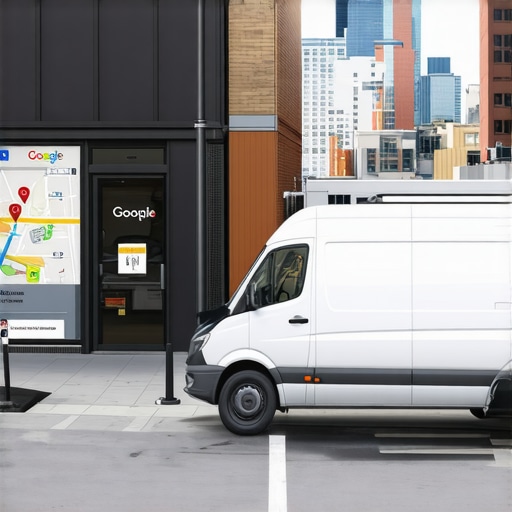
How to Claim the Top Spot on Google Maps for Local Electrical Service Calls
For a modern electrical contractor, the digital landscape is no longer about just “having a website.” In 2026, the battle for high-intent service calls is won or lost in a very specific 400-pixel block of screen real estate: the Google Map Pack. When a homeowner’s circuit breaker trips or a commercial facility manager needs an emergency panel upgrade, they don’t scroll through pages of organic search results. They look at the top three local listings, check the star rating, and hit the “Call” button.
The stakes are incredibly high. Data consistently shows that the top three results in Google Maps – the “Map Pack” – capture approximately 70% of the total click-through rate for local searches. If your electrical business isn’t in that elite trio, you are effectively invisible to the most profitable leads in your service area. This is The Missing Link in Your Google Maps Strategy That Actually Drives Phone Calls. To dominate this space, you must understand that Google isn’t just looking for an electrician; it’s looking for the most relevant, closest, and most prominent solution to the user’s specific problem.
In this definitive guide, I will break down the exact framework we use to scale electrical brands. We will move beyond basic profile setup and dive into the advanced algorithmic triggers of 2026, ensuring your vans stay on the road and your phone stays ringing.
Understanding the 2026 Algorithm: Relevance, Distance, and Prominence
Google’s local search algorithm is governed by three core pillars: Relevance, Distance, and Prominence. While these have been the foundation for years, the weight assigned to each has shifted significantly following the May 2026 Core Update, which focused heavily on combatting AI-generated spam and verifying the physical legitimacy of service-area businesses.
Relevance refers to how well your Google Business Profile (GBP) matches what someone is searching for. If a user searches for “emergency 24/7 electrician,” but your profile only mentions “lighting design,” you won’t appear, regardless of how close you are. Distance (or proximity) is a calculation of how far your business is from the searcher or the location term used in the query. For electricians, who are often “Service Area Businesses” (SABs), proximity remains the most challenging factor to influence. Finally, Prominence is a measure of how well-known your business is. This is calculated through your offline fame, the number of quality backlinks you have, and your review signals.
Understanding How Proximity Relevance and Prominence Change Where Your Electrical Van Shows Up is critical for resource allocation. You cannot change where a customer is standing, but you can exponentially increase your relevance and prominence. By using advanced local seo tools, you can visualize your “ranking heat map” to see exactly where your visibility drops off and where you need to bolster your local authority.
Step 1: Deep Optimization of Your Google Business Profile
Most electricians set up their GBP and forget it. In 2026, that is a recipe for failure. Deep optimization requires a granular approach to every field provided by Google. Your primary category is the most important lever you have. For 95% of readers, this should be “Electrician.” however, your secondary categories are where you can capture niche, high-ticket leads. Consider adding “Electrical Engineer,” “Lighting Contractor,” or “Telecommunications Contractor” if those services are within your wheelhouse.
The “Services” menu is often overlooked but serves as a vital signal for relevance. Instead of just listing “Electrical Work,” you must break down your offerings into specific, keyword-rich descriptions. Include “Main Panel Upgrades,” “Whole Home Surge Protection,” and “Aluminum Wiring Remediation.” One of the highest growth areas in 2026 is renewable energy infrastructure. Ensuring your profile highlights specialized services is key – for instance, explaining Why Your New EV Charger Needs a Dedicated Professional Installation to Avoid Overloading can help you capture the booming electric vehicle market.
Furthermore, your business description should not be a generic sales pitch. It should be a localized narrative. Mention the neighborhoods you serve, the local landmarks near your office, and the specific electrical codes you adhere to (such as the NEC 2026 updates). To ensure you haven’t missed any technical checkboxes, I recommend running a comprehensive google business profile optimization audit to compare your profile depth against the top-ranking competitors in your city.
Step 2: The “Service Area” vs. “Physical Address” Dilemma
One of the most common points of confusion for electrical contractors is how to handle their address. Many electricians operate out of a home office or a warehouse that isn’t set up for walk-in traffic. Google allows you to hide your address and set a “Service Area.” However, there is a persistent myth that hidden addresses rank lower. This isn’t strictly true, but the lack of a physical “pin” on the map can make proximity signals weaker.
The May 2026 Core Update was particularly brutal toward businesses using “virtual offices” or UPS Store addresses. Google’s AI now cross-references your listed address with satellite imagery and local tax records. If Google suspects your “office” is actually a mailbox at a shipping center, your profile will be suspended. If you are a service-area business, be honest. Set your service area within a 20-30 mile radius of your actual base of operations. Attempting to claim a service area that spans three states will dilute your relevance and signal to Google that you are “spamming” the map.
For those looking to expand into a new city, the only legitimate way to rank in that new Map Pack is to establish a physical presence there. This means a real lease, a real sign, and a real local phone number. Shortcuts no longer work in the 2026 SEO environment.
Step 3: Review Velocity and the “Social Proof” Engine
Reviews have always been a ranking factor, but the 2026 algorithm looks far beyond the aggregate star rating. Google now prioritizes **Review Velocity** (the consistency of new reviews) and **Review Diversity** (the range of services mentioned in those reviews). If you received 50 reviews three years ago and none since, Google views your business as potentially stagnant or closed.
To rank higher, you need a system that generates a steady stream of feedback. But here is the “pro” tip: the text within the review matters immensely for relevance. When a customer leaves a review saying, “Great job!”, it helps your prominence slightly. When a customer leaves a review saying, “Pro Electrical Co did a fantastic job with my **circuit breaker replacement** in **Downtown Springfield**,” it sends a massive relevance signal to Google for both the service and the location.
Train your technicians to ask for reviews at the moment of peak satisfaction – usually right after the lights come back on. You should also provide a guide for your team on How to Get More Google Reviews After a Home Electrical Service Call to ensure your customers are mentioning the specific services you want to rank for. Remember, responding to every review (both positive and negative) is non-negotiable. It signals to Google that you are an active, engaged business owner.
Step 4: Local Citations and Hyper-Local Content
Prominence is built through “citations” – mentions of your Name, Address, and Phone number (NAP) across the web. While the importance of general directories (like Yellow Pages) has diminished, the value of niche-specific and hyper-local citations has skyrocketed. Being listed on the local Chamber of Commerce website, a local neighborhood blog, or a regional “Best Electricians” list provides the “Local Juice” that tells Google you are a pillar of the community.
In tandem with citations, your website must support your GBP with hyper-local content. If you want to rank for “Electrician in [City Name],” you need a dedicated landing page for that city that includes local testimonials, photos of your vans in front of local landmarks, and helpful advice tailored to local conditions. For example, if your area is prone to specific types of electrical failures due to humidity or aging infrastructure, write about it. Publishing technical authority pieces, such as Why You Need Infrared Thermography Scans for 2026 Fire Safety, establishes you as an expert, which Google rewards with higher prominence scores.
Consistency is key. If your phone number is listed as (555) 123-4567 on your website but 555.123.4567 on Yelp, it can create minor friction in Google’s data indexing. Use google maps seo tools to scan the web for NAP inconsistencies and fix them immediately. A clean citation profile is the bedrock of a stable Map Pack ranking.
Step 5: Advanced 2026 Tactics
As we navigate the 2026 landscape, two often-ignored features of the Google Business Profile have become essential: **GBP Posts** and **Geo-Tagged Media**.
GBP Posts are essentially mini-blog posts that appear directly in your knowledge panel. You should be posting at least twice a week. These shouldn’t just be “Call us” ads. Share “Before and After” photos of a panel upgrade, announce a local community sponsorship, or provide a quick tip on testing GFCI outlets. These posts signal to Google that your business is hyper-active.
Secondly, the photos you upload must be high-quality and authentic. Stock photos are easily identified by Google’s Vision AI and provide zero ranking value. Instead, upload photos of your branded vans, your team in uniform, and your completed work. In 2026, Google also heavily weighs the metadata of these images. When you take a photo on a job site, the GPS coordinates are often embedded in the file. Uploading these “geo-tagged” photos directly to your GBP provides undeniable proof to Google that you are actually performing work in the areas you claim to serve.
To stay ahead of the competition, you need to monitor your performance with precision. I recommend using SEO Viper Tools to track your local rankings on a grid. This allows you to see exactly where your “ranking bubble” ends, enabling you to target specific neighborhoods with localized ad spend or outbound marketing to bridge the gap.
Conclusion: The Path to Electrical Dominance
Dominating the Google Map Pack in 2026 is not a “set it and forget it” task. It is an ongoing campaign that requires technical precision, consistent customer engagement, and a commitment to providing real-world value. By focusing on the three pillars of Relevance, Distance, and Prominence, and by utilizing the right rank higher on google maps strategies, you can ensure that your electrical business remains the first choice for local homeowners and businesses.
The digital landscape will continue to evolve, but the core human need for a reliable, expert electrician will not. Audit your Google Business Profile today, start gathering high-intent reviews, and watch your service calls multiply. If you’re ready to take your local visibility to the next level, the tools and strategies outlined here are your roadmap to the top spot.
Ready to dominate your local market? Contact Pro Electrical Co today for a consultation on how we can help you power up your local presence and secure the leads your business deserves.