
Engineered Electrical Systems For Zero Commercial Downtime
Engineered electrical solutions for commercial uptime and safety.
Facility power failures cost thousands per minute in lost operational capacity. We engineer, audit, and maintain commercial electrical systems across Los Angeles to eliminate thermal anomalies and ensure strict NEC compliance. Secure your infrastructure with data-backed electrical engineering.
Engineered Risk Mitigation For Commercial Infrastructure
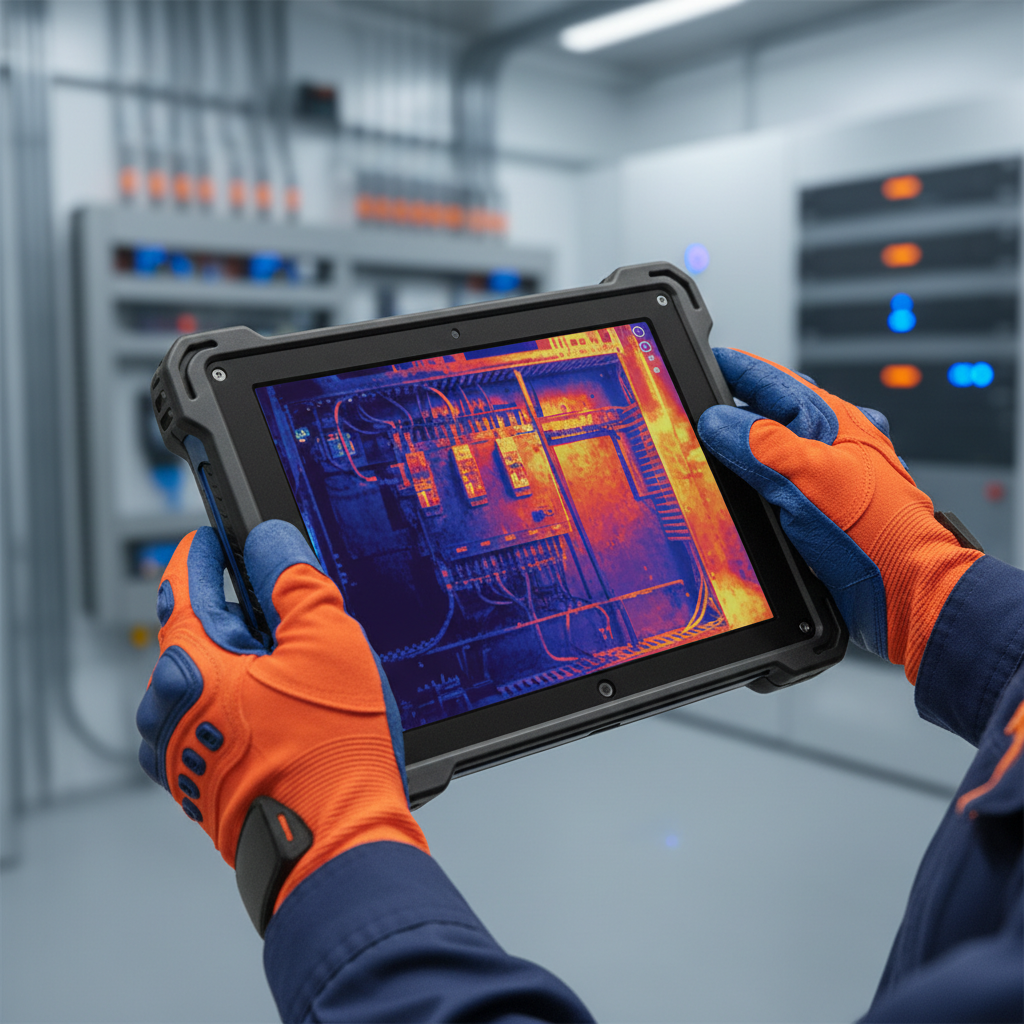
🌡️ Infrared Thermal Inspections
We deploy FLIR thermal imaging to detect micro-faults in switchgear before catastrophic failure occurs. This predictive maintenance protocol prevents unplanned outages and extends equipment lifecycle by up to 40 percent.
⚡ Arc Flash Risk Assessments
Compliance with NFPA 70E is non-negotiable for commercial facilities. We calculate incident energy levels and establish precise flash protection boundaries to protect your personnel and shield your company from OSHA liabilities.
📊 Power Quality Analysis
Harmonic distortion and voltage sags degrade sensitive manufacturing equipment. We install three-phase power loggers over a 30-day period to isolate transients and specify exact active harmonic filtering requirements.
🏗️ Zero-Downtime Upgrades
Upgrading a 4000-amp main service panel requires precise logistical execution. We engineer phased cutover sequences that keep your critical operations running while infrastructure improvements happen in the background.
🔋 Energy Efficiency Audits
Commercial HVAC and lighting loads dictate your baseline operational costs. We analyze your interval meter data and specify variable frequency drives that reduce motor energy consumption by at least 25 percent annually.
Commercial Electrical Engineering Capabilities
🏭 Switchgear Maintenance
We clean, torque, and test high-voltage switchgear components to NETA standards. This annual protocol prevents insulation breakdown and mechanical binding in critical circuit breakers.
📈 Load Flow Studies
Adding new production lines requires exact knowledge of your current electrical capacity. We model your facility distribution system to verify that new equipment will not overload existing transformers or feeders.
⏱️ Emergency Backup Systems
A 500kW diesel generator installation requires precise transfer switch synchronization. We engineer and commission standby power systems that assume the full facility load within 10 seconds of utility failure.
📋 Code Compliance Corrections
Municipal inspectors flag outdated wiring methods that halt facility renovations. We audit your existing infrastructure and execute targeted corrections to satisfy Los Angeles Department of Building and Safety requirements.
⚙️ Motor Control Centers
Industrial automation relies on perfectly calibrated motor starters and variable frequency drives. We design and install MCC panels that provide exact torque control and thermal overload protection for heavy machinery.
☀️ Commercial Solar Integration
Connecting a 100kW solar array to your main distribution board introduces complex voltage regulation variables. We engineer the grid-tie interconnection to maximize maximum power point tracking while preventing back-feed hazards.
Verified Infrastructure Optimization Data

Tier 3 Data Center, Burbank
Before: Unidentified harmonic distortion caused weekly server UPS battery degradation and false breaker trips.
After: Installed active harmonic filters, reducing Total Harmonic Distortion (THD) from 12 percent to 2.1 percent.
⏱ 14 days
Manufacturing Plant, San Gabriel
Before: A 600-amp main breaker exhibited a 45-degree Celsius thermal delta during peak production hours.
After: Replaced the failing busbar connection during a planned weekend shutdown, preventing a projected 48-hour unplanned outage.
⏱ 48 hours
Commercial Office Tower, Santa Monica
Before: The facility faced a $15,000 monthly utility penalty for poor power factor metrics.
After: Engineered a 400 kVAR capacitor bank installation that corrected the power factor to 0.98 and eliminated the utility surcharge.
⏱ 30 days
The Infrastructure Assessment Protocol
1
Initiate Facility Audit
Submit your current single-line diagrams and recent utility interval data for our preliminary review. We analyze your baseline metrics to determine the exact scope of the required physical inspection.
2
Execute Site Diagnostics
Our engineering team arrives on-site to conduct thermal imaging, power quality logging, and visual code inspections. We operate strictly within your maintenance windows to ensure zero disruption to your daily operations.
3
Implement Engineered Solutions
You receive a comprehensive technical report detailing thermal anomalies, code violations, and power inefficiencies. We then execute the necessary infrastructure upgrades with precise project management and strict adherence to NFPA 70E safety protocols.
Frequently Asked Questions
How often does our facility require an infrared thermography inspection?
The NFPA 70B standard dictates that commercial electrical equipment must undergo infrared inspections at least once every 12 months. Facilities with high-load manufacturing equipment require bi-annual inspections to detect thermal degradation before a catastrophic fault occurs.
What is the difference between a standard electrician and an electrical engineer for commercial upgrades?
A standard contractor pulls wire based on existing plans. As an engineering-led firm, we calculate fault currents, perform load flow studies, and design the distribution architecture before a single wire is pulled, ensuring the system operates safely under maximum stress.
Can you upgrade our main service panel without shutting down our servers?
Yes. We engineer phased cutover sequences deploying temporary generator power and parallel switchgear configurations. This allows us to replace your primary distribution equipment while your critical loads remain fully energized.
Why is our facility being penalized by the utility company for poor power factor?
Inductive loads like large HVAC motors draw reactive power, which strains the utility grid. We install automatic capacitor banks that correct your power factor to near unity, which immediately stops the utility surcharges and frees up capacity on your main transformer.
Secure Your Commercial Infrastructure Today
Unplanned downtime costs an average of $5,600 per minute in commercial manufacturing. Stop operating on borrowed time and establish a baseline of absolute electrical reliability.
Written & Reviewed By
Abdullah Shawier
PhD candidate, Experienced Electrical Engineer
Abdullah Shawier is a highly accomplished Electrical Engineer and a dedicated PhD candidate at Queen Mary University, specializing in the complex fields of power electronics, control systems, and electric drive systems. With a deep academic and practical background, Abdullah brings a wealth of technical knowledge to proelectricalco.com, where he serves as a leading expert contributor. His research and professional focus on the integration of advanced control systems and efficient power conversion make him a trusted voice for both industry professionals and enthusiasts seeking high-level electrical insights. Abdullah’s ongoing doctoral research underscores his commitment to staying at the forefront of electrical engineering innovation. He possesses a unique ability to bridge the gap between theoretical engineering principles and real-world applications, ensuring that the content he provides is both scientifically rigorous and practically applicable. Throughout his career, Abdullah has remained focused on the evolution of electric drive technologies and their impact on modern infrastructure. He is deeply passionate about sharing his technical expertise to help others navigate the complexities of electrical engineering and power systems.
Latest from Our Blog
The difference between Level 1 and Level 2 EV charging at home
The 120-Volt Nightmare: Why Your Standard Wall Outlet is a Fire Hazard in Disguise My journeyman used to smack my…
Fixing the flicker in your home theater LED strips
The Phantom Flicker in the Dark You spent thousands on a high-end projector, acoustic paneling, and plush leather seating. But…
Making your home theater sound like a real cinema with better cabling
You can spend ten thousand dollars on oxygen-free copper speaker cables, gold-plated banana plugs, and reference-grade subwoofers, but if you…