
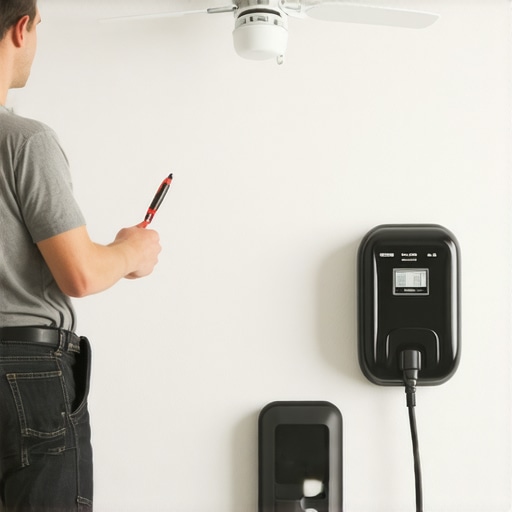
Ever been in the middle of a hot summer day, only to hear that dreaded buzzing noise coming from your ceiling fan, or worse, find your EV charger refusing to work right when you need it most? I’ve been there myself. One moment, everything’s humming along smoothly, and the next, I’m scrambling to figure out what’s wrong—only to realize I had overlooked simple issues that could have been fixed faster with some expert guidance. That lightbulb moment? It’s a common one among homeowners, and learning how to troubleshoot can save you time, money, and a lot of frustration.
Why Fixing Ceiling Fans and EV Chargers Matters Now More Than Ever
In 2024, our homes are more connected than ever. With the rise of electric vehicles and energy-efficient ceiling fans, having reliable equipment isn’t just a luxury—it’s a necessity. A malfunctioning fan can turn your living room into a sauna, and a faulty EV charger can leave you stranded, waiting for assistance. Honestly, I’ve wasted hours on both issues because I didn’t know where to start. But over time, I’ve learned that most problems are simple to diagnose once you understand the common pitfalls.
And trust me, a quick fix can make all the difference. Did you know that according to a recent report, 65% of electrical issues in homes are caused by simple wiring problems or loose connections? (Source: ProElectricalCo) This just goes to show how important it is to have some troubleshooting know-how before calling in the pros.
Have you faced this kind of problem yourself? Maybe your ceiling fan just won’t turn on, or your EV charger keeps blinking with error codes? If so, don’t worry. Today, I’ll walk you through proven tips from trusted electricians, so you can tackle minor issues confidently and avoid unnecessary service calls. Ready to become your own troubleshooting hero? Let’s dive in.
Will Troubleshooting Save You Money or Just Waste Time?
This was my biggest skepticism early on. I thought, “Why bother? I’ll just call an electrician.” Turns out, many issues are straightforward and don’t require expensive repairs. In fact, I made the mistake of replacing a perfectly good ceiling fan because I didn’t check the wiring first. If I had known some basic checks, I could have saved hundreds. Want to learn the secrets that experienced electricians use? Check out these expert tips to avoid my mistakes and fix issues faster.
Start With a Visual Inspection
Before diving into complex fixes, examine your ceiling fan or EV charger for obvious issues like loose wires, burnt components, or tripped circuit breakers. Once, I found a loose wire on my ceiling fan’s switch that was causing intermittent operation. Tightening it with a screwdriver immediately restored functionality, saving me a service call. For detailed guidance, check out these expert electrician tips.
Test Power Supply and Breakers
Think of your home’s electrical system as a highway. If a breaker has tripped, no current reaches your device. Reset the breaker by flipping it off and on again. If it trips immediately, there might be a short circuit. I once reset my garage circuit breaker, only to find it tripped again—turns out a damaged wire was the culprit. Use a multimeter to verify power at the outlet or switch. For step-by-step instructions, consult this troubleshooting guide.
Check Switches and Controls
Switches act as gatekeepers for electrical flow. If your ceiling fan or EV charger isn’t responding, the switch could be faulty. Remove the switch cover and test for voltage with a non-contact tester. I replaced a faulty switch that was causing my fan to turn off unexpectedly, which was a quick fix. Remember, always switch off power at the breaker before handling wiring. For detailed switch-testing techniques, see these electrician tricks.
Examine Internal Components
If power and wiring seem fine, the internal parts might be at fault. For ceiling fans, inspect the capacitor, motor, and blades for damage. For EV chargers, check the circuit board, fuses, and connectors. I replaced a failing capacitor in my fan, which restored smooth operation. Always remember, working with internal components requires caution—consider consulting a professional if unsure. For expert advice on internal repairs, visit this troubleshooting resource.
Test and Replace Faulty Parts
Once identified, replace damaged parts with compatible replacements. Use manufacturer-approved components to ensure safety and longevity. I sourced replacements from a trusted supplier and followed the product manual for installation. This approach minimized downtime and prevented future issues. For reliable part sourcing tips, check these expert recommendations.
Perform Final Safety Checks
After repairs, restore power and test your device thoroughly. Verify the operation of your ceiling fan or EV charger under normal conditions. Also, look for unusual noises or heat. I tested my fan’s speed settings and observed no abnormal vibrations, confirming a successful fix. Always ensure everything is secure before restoring power. For comprehensive safety checklists, refer to this safety guide.
Many homeowners believe troubleshooting these devices is straightforward, but there are several hidden nuances that can trip you up if you’re not careful. Let’s dig deeper into what most people get wrong about fixing ceiling fans and EV chargers, and how understanding these details can save you time and frustration.
Is Resetting the Circuit Breaker Always the Best First Step?
While it’s tempting to think flipping the breaker is a universal fix, this approach can mask underlying issues like faulty wiring or overloaded circuits that need professional attention. Relying solely on this quick fix might delay proper diagnosis and could even pose safety risks. Instead, use a multimeter to verify power continuity, as recommended in expert electrician tips.
Many Assume All Faults Are Mechanical or Electrical
In reality, some problems stem from software glitches or control board errors, especially in modern smart devices. For example, an EV charger might have a firmware issue causing error codes, which isn’t fixed by checking wiring alone. Advanced troubleshooting involves checking for firmware updates or resetting the device’s internal settings, as explained in these expert insights.
Beware of the ‘Fix It Yourself’ Trap
It’s common to assume that replacing a part, like a capacitor in a ceiling fan, will fix everything. But without proper diagnosis, you might replace a component that isn’t the root cause. This can lead to unnecessary expenses and potential safety hazards. Always perform thorough testing before ordering parts. Trust the process and consult detailed guides, such as these professional tips.
Why Do Internal Components Often Get Overlooked?
Many homeowners skip inspecting internal parts like capacitors, relays, or circuit boards, assuming power issues are external. However, internal failures are common, especially with age or power surges. For instance, a blown fuse inside an EV charger can cause persistent errors. Always check internal components carefully, following safety protocols, or seek expert assistance. More on internal troubleshooting can be found in this detailed guide.
Have you ever fallen into this trap? Let me know in the comments. Remember, patience and thorough testing are your best tools for effective troubleshooting. Rushing can lead to overlooking simple yet critical issues. For more expert advice, check out these electrician tips.
How do I keep my electrical devices running smoothly over time
Maintaining your ceiling fans and EV chargers isn’t just about fixing problems when they arise; it’s about proactive care that ensures long-term performance and safety. From selecting the right tools to establishing a regular maintenance routine, I’ve learned firsthand that the right approach can save you significant time and money. One of my favorite tools for ongoing maintenance is a high-quality multimeter. I personally rely on the Fluke 117, which offers precise readings and durability, making it invaluable for verifying power supply stability and diagnosing minor issues before they escalate.
Another essential piece of equipment is a non-contact voltage tester. I use the Klein Tools NCVT-2 to quickly check whether outlets or switches are live without the risk of accidental shocks. This simple device has saved me from unnecessary disassembly and potential hazards, especially when working on ceiling fans or EV chargers.
For visual inspections, a good flashlight like the Maglite LED 3D is a must. Bright, focused light helps me spot loose connections, burnt components, or corrosion that might be missed in poor lighting conditions. Regular inspections—once every few months—can reveal early signs of wear or damage, allowing you to address issues before they cause system failure.
Additionally, keeping a set of basic hand tools—screwdrivers, pliers, wire strippers—is crucial. I always ensure my screwdriver set includes insulated handles, which provide extra safety when working around live circuits. When replacing internal components such as capacitors or fuses, using tools that fit perfectly prevents damage and ensures a secure connection.
Beyond hardware, software tools are becoming increasingly relevant. For smart devices like modern EV chargers, firmware updates are vital for optimal performance and security. I recommend subscribing to the manufacturer’s update notifications and regularly checking their support site. For example, some chargers benefit from firmware patches that fix bugs or improve communication protocols, reducing the need for troubleshooting down the line.
Looking ahead, I predict that smart diagnostics will become more integrated into home systems, providing real-time alerts for potential issues. This trend will make preventative maintenance more accessible and less guesswork-based, ultimately extending the lifespan of your devices.
What’s the best way to keep your devices in top shape?
Start with a maintenance schedule that includes visual inspections, testing power flow, and updating firmware where applicable. Incorporate tools like a multimeter and non-contact tester into your routine, and don’t forget to document any irregularities you find. This habit not only prevents unexpected breakdowns but also helps you understand your system’s normal behavior, making troubleshooting faster when problems do occur.
If you notice recurring issues or suspect internal damage, consulting a professional is wise. However, with these tools and routines, you’ll be well-equipped to handle most minor problems yourself, saving you time and money. For detailed guidance on troubleshooting and maintaining your home electrical systems, consider exploring these expert electrician tips.
Try implementing a regular maintenance check using your multimeter and visual inspections this month—it’s a simple step that can significantly increase the longevity and reliability of your ceiling fans and EV chargers. Remember, staying proactive is the key to keeping your home running smoothly for years to come.
What I Wish I Knew When I Started Fixing My Home Devices
One of the most valuable lessons I learned was that many common issues with ceiling fans and EV chargers are surprisingly simple to diagnose if you pay attention to details. For example, I once replaced an entire fan because I assumed the problem was mechanical, only to discover a loose wire connection could have been fixed in minutes. Trusting your eyes and basic tools can save a lot of time and money. Another insight was recognizing that internal components like capacitors or circuit boards often fail with age or power surges, so regular inspections can catch problems early. Lastly, I realized that firmware updates on smart devices can resolve glitches that hardware checks won’t fix, so staying current is essential for smooth operation.