
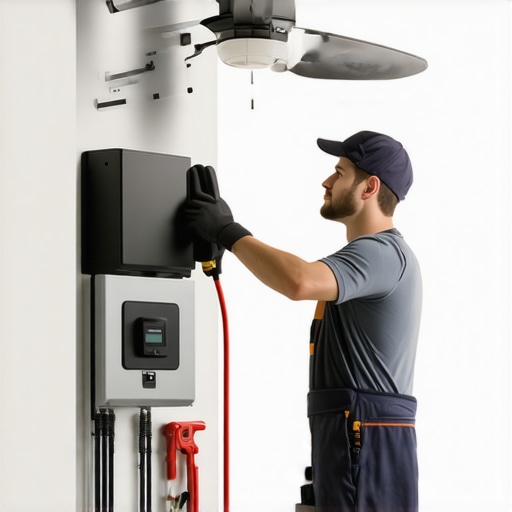
Ever had that sinking feeling when your EV charger refuses to start charging, or your ceiling fan suddenly stops spinning in the middle of a hot day? I’ve been there—frustrated, scratching my head, and wondering if I’d missed some crucial step. One time, I tried to fix a stubborn ceiling fan without turning off the power and ended up tripping the breaker. Lesson learned: never underestimate the importance of proper troubleshooting. Today, I want to share the simple, proven techniques that can save you time, money, and headaches when dealing with these common electrical issues. If you’re tired of guesswork and want to become more confident in fixing your home’s electrical hiccups, you’re in the right place. We’ll cover essential tips that any homeowner or DIY enthusiast can master, even if you’re not an electrician.
Why Troubleshooting Matters More Than Ever
With electric vehicles becoming more popular, reliable EV chargers are no longer just a luxury—they’re a necessity. But what happens when your charger stops working? Suddenly, your daily routine gets disrupted, and you’re left wondering if it’s a faulty unit, a wiring problem, or something else entirely. The same goes for ceiling fans, which are often overlooked until they stop working, leaving rooms feeling stuffy and uncomfortable. I’ve learned that knowing how to troubleshoot these issues isn’t just about fixing the problem; it’s about understanding your home’s electrical system better and avoiding costly service calls. According to a recent study, improper troubleshooting can lead to escalated damages or safety hazards, which is why mastering these skills is so vital. If you’ve faced similar problems, keep reading. We’re going to demystify the process and empower you to handle minor issues confidently.
Have you ever wasted hours trying to fix something only to realize you missed a simple step? That’s where many go wrong. I once replaced a faulty breaker without ensuring the main power was off—big mistake! Trust me, a little knowledge goes a long way, and I’ll point you toward trusted resources like this guide to get started. Whether it’s a loose wire, a tripped breaker, or a faulty component, you’ll learn how to identify the root cause quickly. Ready to dive into practical troubleshooting tips? Let’s make sure your next fix is a success, not a guesswork session.Check the Power Supply First
Before diving into complex fixes, always verify your main power source. Think of your electrical system as a water pipe; if the water isn’t flowing, nothing downstream will work. Turn off the circuit breaker connected to the device and use a voltage tester to confirm no current is present. I once overlooked this step while troubleshooting my EV charger and accidentally caused a short circuit. Ensuring the power is off prevents accidents and further damage.
Inspect the Wiring and Connections
Wiring issues are common culprits. Remove the cover of your ceiling fan or EV charging station and look for loose or disconnected wires. Use a screwdriver to gently tighten any loose terminal screws. Remember, a loose wire is like a loose bolt on your bike—it can cause instability. I once found a frayed wire in my ceiling fan that was causing intermittent operation; replacing it restored full functionality. For detailed guidance, check out this troubleshooting guide.
Test the Circuit Breaker and GFCI Outlets
Sometimes, the breaker trips or a GFCI outlet interrupts power. Reset the breaker and press the reset button on GFCI outlets. Think of this as rebooting a frozen computer—often, it fixes the issue. I learned this the hard way when my EV charger stopped working; a simple reset fixed it instantly. If resetting doesn’t work, consider replacing the breaker or outlet, as they can wear out over time. For more tips, visit this resource.
Use a Multimeter to Identify Faults
A multimeter is your best friend in troubleshooting. Set it to measure voltage and check if your device is receiving power. For example, I tested my ceiling fan’s switch wiring and discovered a faulty switch that was preventing operation. Proper testing can pinpoint whether the issue is with the device itself or the wiring. If you’re unfamiliar with using a multimeter, consult this detailed guide.
Replace or Repair Faulty Components
If you identify a defective switch, capacitor, or motor, replacing it is often straightforward. For instance, I replaced a burnt-out capacitor in my ceiling fan, which brought it back to life instantly. Always ensure you buy the correct part specifications and follow safety procedures. If you’re unsure, professional help is recommended. For comprehensive repair tips, see this expert guide.
Test After Repairs and Confirm Functionality
Once repairs are complete, restore power and test the device thoroughly. Turn on the EV charger or ceiling fan and observe its behavior. Use your multimeter again to verify voltage levels. I once fixed a ceiling fan, only to find it wobbling; tightening the blades fixed the problem entirely. This final step ensures your fix is solid and safe. For additional troubleshooting techniques, check this troubleshooting resource.
Many homeowners believe that troubleshooting electrical issues like EV chargers and ceiling fans is straightforward, but the reality is more nuanced. One major misconception is that simply replacing faulty parts always solves the problem. However, in my experience, most issues are caused by wiring or circuit problems that require a deeper diagnosis. For example, I once thought a faulty capacitor was the culprit for a ceiling fan wobble, only to discover that a loose connection in the switch was the real cause. Always remember, proper diagnosis is key to avoiding unnecessary replacements.
Another common myth is that resetting the breaker or GFCI outlet will fix all issues. While this often works as a quick fix, it can lead you to overlook underlying wiring faults or component failures. I once relied solely on resets, which temporarily fixed my EV charger problem, but the issue recurred because I didn’t check the wiring or use a multimeter for proper testing. Never skip the step of testing circuits with a multimeter; it’s the best way to identify hidden faults and prevent recurring problems. Learn more about this here.
Why do many troubleshootings fail even when following basic steps?
Often, it’s because we don’t consider the possibility of subtle wiring issues or component incompatibilities. For example, using an incompatible circuit breaker or GFCI outlet can cause intermittent failures that seem like faulty devices. Advanced troubleshooting involves checking all connections, verifying voltage levels, and understanding how different components interact—something that even experienced DIYers sometimes overlook. According to expert electrician tips, a comprehensive approach reduces troubleshooting time and improves safety.
Finally, a critical trap to avoid is rushing into repairs without turning off power properly. I’ve seen many make this mistake, leading to electric shocks or damage. Always ensure your main power is OFF before inspecting or replacing parts. Remember, safety is paramount—no shortcut is worth risking your health. For detailed safety procedures, check this guide.
In summary, effective troubleshooting is less about quick fixes and more about understanding your electrical system. By avoiding these common misconceptions and following a systematic approach, you can save time, money, and ensure safety. Have you ever fallen into this trap? Let me know in the comments.
Invest in Quality Tools for Reliable Troubleshooting
Having the right equipment is essential when maintaining and troubleshooting your electrical devices like EV chargers and ceiling fans. My go-to tool is a high-quality digital multimeter, specifically the Fluke 117. It’s not just about measuring voltage; I use it to check continuity, test for shorts, and verify proper grounding. Unlike cheaper models, the Fluke 117 offers precise readings and durability, which is vital during long troubleshooting sessions. Additionally, I rely on a non-contact voltage tester for quick safety checks before handling any wiring. These tools save me time and prevent accidents, making every repair safer and more effective.
Utilize Specialized Software for Better Diagnostics
While physical tools are essential, software can also play a role, especially with modern EV chargers that have smart features. For instance, many units now come with diagnostic apps or firmware that can identify issues remotely or through error codes. I recommend using manufacturer-specific apps or universal diagnostic tools compatible with EV chargers and smart ceiling fans. These platforms provide detailed insights, helping you pinpoint problems that might not be obvious with basic testing. As technology advances, integrating these digital diagnostics with your routine maintenance ensures your system remains reliable and minimizes downtime.
Develop a Routine Maintenance Schedule
Keeping your electrical systems functioning smoothly over time requires a proactive approach. I schedule bi-annual inspections of all critical components, including circuit breakers, wiring connections, and device contacts. During these inspections, I clean dust and debris, tighten loose connections, and verify operation with my multimeter. This routine not only prevents unexpected failures but also extends the lifespan of your equipment. Remember, small issues caught early are easier and cheaper to fix than major failures that can cause safety hazards or costly replacements.
Future Trends in Electrical Maintenance
Looking ahead, I predict a surge in IoT-enabled electrical devices that can self-diagnose and communicate faults directly to your smartphone. This will revolutionize how homeowners and professionals approach troubleshooting, making maintenance more predictive and less reactive. Staying updated with these innovations will be crucial for anyone serious about reliable electrical systems.
How do I maintain my electrical systems over time?
Consistent inspections, using high-quality tools like multimeters and diagnostic apps, and following a scheduled maintenance plan are key. Regularly updating firmware and software for smart devices also ensures you benefit from the latest safety features and improvements. By adopting these habits, you can catch potential issues early and ensure your home’s electrical health remains robust.
Now, I challenge you to try integrating a multimeter check into your next troubleshooting routine. It’s a simple step that offers big benefits in safety and accuracy. For more expert tips, don’t forget to check this guide.
What I Wish I Knew About Troubleshooting Before I Started
One of the biggest lessons I learned is that patience beats haste every time. Rushing into replacing parts without proper diagnosis often led to wasted time and money. Taking a step back to analyze the wiring and using the right tools, like a quality multimeter, made all the difference. I also realized that understanding your home’s electrical system is an ongoing journey—there’s always something new to learn. Lastly, I found that consulting trusted resources and guides, like this comprehensive troubleshooting guide, can turn a frustrating fix into a manageable task.
Tools and Resources That Transformed My Approach
My essential toolkit includes a top-rated digital multimeter such as the Fluke 117, which provides precise readings and durability. I also rely on a non-contact voltage tester for quick safety checks before handling wiring. For troubleshooting smart devices or EV chargers, I use manufacturer-specific diagnostic apps that reveal error codes and system status, saving me time. Books like Electrical Troubleshooting Made Simple helped me understand complex concepts in an accessible way. These resources have made me more confident and efficient when fixing electrical issues around my home.
Your Next Step Starts Now with Confidence
Troubleshooting electrical problems like EV chargers and ceiling fans doesn’t have to be intimidating. With the right mindset, tools, and resources, you can become your own home’s electrician and prevent small issues from turning into costly repairs. Remember, safety always comes first—never skip turning off the power and testing circuits properly. Embrace this learning journey, and soon you’ll handle most troubleshooting tasks with ease. Are you ready to take control of your home’s electrical health? I encourage you to start today and share your experiences below—your journey might inspire others to get started too.
Reading through this post really resonated with my own experience when dealing with ceiling fan issues. The part about using a multimeter to pinpoint the problem struck a chord; I’ve found that simply resetting the breaker often only masks underlying wiring problems that need proper diagnosis. I appreciate the emphasis on safety and methodical troubleshooting — rushing can be dangerous and costly. One thing I’ve learned is that keeping a detailed checklist helps prevent missing simple but crucial steps, like turning off the main power before inspecting wires. I’m curious, has anyone successfully used smart diagnostic tools for troubleshooting EV chargers? I’ve been considering investing in an app that can communicate with my charger for quicker diagnostics. Would love to hear how others have integrated technology into their troubleshooting routines to save time and improve accuracy.
I really relate to this post, especially about the importance of proper troubleshooting before jumping to conclusions. I’ve learned that a systematic approach, like checking the power supply first and inspecting wiring carefully, has saved me from a lot of frustration and unnecessary part replacements. The mention of using a multimeter is spot on—being able to verify voltage and continuity really makes a difference. One challenge I faced was diagnosing intermittent issues with my ceiling fan that I initially thought were just worn-out parts. It turned out to be a loose connection, which was only discovered after thorough testing. Have others found that periodic inspections have prevented big problems down the line? I wonder if integrating smart diagnostic tools with multimeters or smart home apps could further streamline troubleshooting, especially for complex systems like EV chargers. What are your thoughts on using technology to enhance these DIY fixes?