
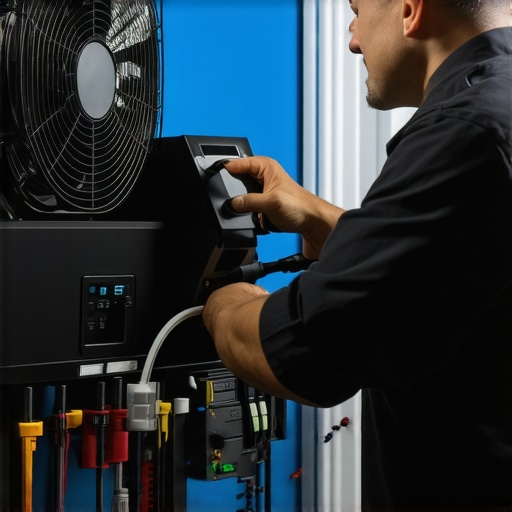
Ever been in the middle of a lazy Sunday, only to hear your electric fan sputter and stop working unexpectedly? Or worse, you’re all set to charge your electric vehicle, but the charger refuses to respond. That sinking feeling, right? I’ve been there—frustrated, scratching my head at what should be simple fixes but somehow just aren’t. It’s a moment many homeowners face, and I’ve learned that often, the root cause isn’t as complicated as it looks. The good news? With a bit of know-how, you can get your devices back up and running faster than calling in a costly electrician.
Why Knowing How to Troubleshoot Can Save You Money and Time
Let’s face it, troubleshooting electrical issues might seem daunting at first glance. But trust me, it’s a skill you can pick up with practice and the right guidance. Why bother? Because professional repairs can cost hundreds—sometimes thousands—especially if you don’t pinpoint the real problem early. Plus, many small issues you can fix on your own, saving you both time and stress. Over the years, I’ve discovered that quick, effective troubleshooting techniques are the secret weapon in my DIY toolbox. Understanding the basics can help you determine if your issue is something you can fix easily or if it’s time to call in a pro. Curious about how I started? I once replaced a ceiling fan only to find it still wouldn’t turn on. After some quick checks, I realized I’d missed a simple circuit breaker issue—a mistake I learned from the hard way. For more tips on early mistakes to avoid, check out my guide on [electrician tips for troubleshooting ev chargers and ceiling fans](https://proelectricalco.com/troubleshooting-electrician-tips-for-fixing-ev-chargers-ceiling-fans-quickly).
Is It Truly Worth the Hype to Troubleshoot EV Chargers and Fans Myself?
Some folks might think, “Can’t I just call a professional and be done with it?” Honestly, I used to think the same until I realized that most common issues are surprisingly simple—think loose wires or tripped breakers. But here’s where it gets tricky: a mistake I made early on was assuming that every problem required a complete replacement. Instead, I learned that proper diagnosis saves money and prolongs the device lifespan. If you’re hesitant, remember: safety first. Never attempt repairs you’re unsure about. Still, many problems don’t need an electrician’s immediate call; they just require a step-by-step diagnosis. Curious about my tried-and-true troubleshooting methods? Dive into my detailed guide on [fast electrician solutions for troubleshooting EV chargers and ceiling fans](https://proelectricalco.com/fast-electrician-solutions-for-troubleshooting-ev-chargers-ceiling-fans-in-2024). Understanding these basics can make you confident to handle minor problems and decide when it’s time to bring in the experts. Ready to learn more about diagnosing your electrical issues quickly? Stay tuned—I’ll walk you through practical tips, so you’re never left in the dark again.
Start with the Power Supply Check
Before diving into complex fixes, ensure your device is receiving power. Think of this step like checking if your car’s fuel tank is full before inspecting the engine. I remember a time when my ceiling fan wouldn’t turn on, and my first step was to confirm the circuit breaker hadn’t tripped. Simply flipping the switch back on restored power, saving me a trip to call an electrician. Use a voltage tester or a simple lamp to verify if outlets or switches are working properly. If your device still doesn’t operate, move to the next step.
Inspect the Wiring Connections
Loose or disconnected wires are common culprits. Imagine your fan’s wiring like a garden hose—if the connection isn’t tight, water (or current) can’t flow correctly. I once replaced a ceiling fan, only to find it was buzzing due to loose wiring at the switch. Turn off the power at the breaker before removing the cover plate, then check all connections with a screwdriver. Tighten any loose screws and look for damaged or frayed wires. Proper wiring is essential for safe operation—never skip this step.
Test the Components
Key parts like capacitors or switches may fail over time. Think of these components as the heart and brain of your device; when they fail, the entire system suffers. I once replaced a capacitor in a ceiling fan that was humming loudly but not spinning—quick testing with a multimeter confirmed the faulty capacitor. For EV chargers, check the charging cable for damage or corrosion. If you have a multimeter, test the continuity of switches and the charge controller. Many minor component failures are straightforward to fix if you know what to look for; otherwise, professional help might be necessary.
Reset and Test the Device
After fixing wiring or replacing parts, reset the device. For fans, turn the circuit breaker back on and test the fan with the switch. I once reassembled a ceiling fan and forgot to turn the breaker back on, which caused confusion until I realized the power was off. For EV chargers, unplug and then plug back the device, sometimes resetting the internal system. Check if the device responds normally—failing this step indicates further inspection is needed, perhaps by an electrician. For more expert tips, visit this troubleshooting guide.
Assess External Factors and Safety
Ensure environmental and safety factors aren’t at play. For example, moisture or physical damage can impact performance. I learned this when a ceiling fan suddenly stopped working after a storm—water intrusion had shorted the wiring. Always inspect for water, pests, or physical obstructions. When dealing with EV chargers outdoors, check for signs of corrosion or weather damage. If unsure about safety or the extent of damage, consult a professional—your safety depends on it. For quick solutions and expert insights, see this trusted guide.
Many homeowners and DIY enthusiasts operate under misconceptions when it comes to troubleshooting ceiling fans, EV chargers, or hiring electricians. Let’s dig deeper into some of the most common myths and advanced nuances that often trip people up, even seasoned DIYers. One widespread belief is that if a device isn’t working, it always requires a professional. However, this oversimplifies the reality. In reality, many issues stem from overlooked details, like subtle wiring flaws or environmental factors, which can be diagnosed with nuanced understanding. Trust me—knowing these subtleties can help you avoid costly misdiagnoses and unnecessary repairs.
Beware the Myth That All Problems Are Visible and Obvious
This misconception can lead to critical mistakes. For example, an apparent broken switch might actually be caused by a hidden wiring fault or a faulty internal component. Many assume a visual inspection is enough, but skilled electricians understand that some issues require advanced diagnostics, like testing continuity or voltage levels with a multimeter. Relying solely on superficial checks can waste time and lead to incorrect fixes. For comprehensive troubleshooting, consult expert tips, such as those outlined in this expert guide.
Common Mistakes Electricians and DIYers Make
One frequent mistake is neglecting to consider external factors, such as moisture or temperature fluctuations, especially for outdoor EV chargers. Another is misdiagnosing a component failure without proper testing, leading to unnecessary replacements. A classic oversight is reinforcing safety by assuming that turning off the circuit breaker is sufficient; in some cases, residual current can cause shocks or damage. Advanced troubleshooting often involves checking for subtle signals, such as slight voltage drops, which experts can detect to pinpoint issues more accurately. The importance of understanding these nuances is highlighted in studies like those from the Electrical Safety Foundation International.
How Do Expert Troubleshoot Complex Electrical Clues?
Experts approach complex issues by combining systematic testing with environmental assessment. They ask: Are external factors influencing device performance? Is there something about the installation environment that causes intermittent faults? For example, corrosion on wiring connectors can mimic a blown component, but a seasoned electrician will inspect these subtle clues to avoid unnecessary parts replacement. This nuanced process is often underappreciated by amateurs, who might jump straight to replacement instead of inspection. To develop these skills, reviewing detailed troubleshooting techniques, like those in this resource, can be invaluable.
In summary, the key to effective troubleshooting lies in understanding the hidden complexities and avoiding common myths that oversimplify electrical problems. By paying close attention to environmental factors, subtle signal clues, and safety nuances, you can diagnose issues more accurately and save time and money. Have you ever fallen into this trap? Let me know in the comments.
Keep It Running with the Right Tools
Ensuring your ceiling fan and EV charger stay operational over the long haul depends heavily on using the correct equipment for diagnosis and maintenance. From multimeters to specialized testers, having the right tools at your fingertips empowers you to identify issues early and prevent costly repairs down the line.
High-Quality Multimeters for Accurate Diagnoses
I personally rely on a digital multimeter that not only measures voltage, current, and resistance but also has a non-contact voltage detection feature. This allows me to quickly verify if outlets or wires are live without exposing myself to unnecessary risk. Brands like Fluke or Klein Tools are my go-to because of their durability and precision. Investing in a reliable multimeter is like having a trusted assistant—you can trust its readings to make informed decisions and avoid dangerous miscalculations.
Insulation Testers to Detect Hidden Damage
Insulation resistance testers are essential for checking the integrity of wiring and insulation, especially in outdoor or older installations. I use a high-voltage insulation tester to ensure that cables aren’t compromised by moisture or age, which can lead to dangerous shorts or failures. Proper insulation testing can reveal issues that aren’t visible to the naked eye, saving you from unexpected malfunctions or safety hazards.
Advanced Circuit Analyzers for Long-Term Monitoring
Predictive maintenance is where technology is headed, and advanced circuit analyzers can monitor electrical loads over time. These devices alert you to irregularities before failure occurs. For example, I’ve integrated a smart circuit monitor in my garage to keep tabs on my EV charger and ceiling fan circuits. This proactive approach minimizes downtime and extends device lifespan, aligning with trends where IoT-enabled solutions are becoming standard in electrical maintenance. Learn more about troubleshooting tools.
Proper Software and Testing Procedures Can Save You Hassle
When dealing with smart or complex systems, I recommend using manufacturer-specific diagnostic software. These programs can interface with devices via Wi-Fi or Bluetooth, providing detailed error codes and operational data. In my experience, leveraging software like this accelerates troubleshooting and helps pinpoint issues beyond simple wiring problems.
How do I maintain my electrical systems over time?
The key is regular inspection and preventative care. I recommend scheduling semi-annual checks using your multimeter to verify voltage levels and look for signs of wear. Tightening connections and replacing worn components before failure occurs significantly reduces repair costs and enhances safety. Additionally, keeping devices clean and free of dust and moisture prolongs their lifespan. A proactive maintenance routine, paired with the right tools, ensures your ceiling fan, EV charger, and other components stay dependable for years to come. Trends indicate that integrating diagnostic apps and IoT sensors will become standard, offering even smarter and more precise maintenance options in the future.
If you haven’t already, try calibrating your multimeter using a known voltage source this weekend. It’s a simple step that can greatly improve your diagnostic accuracy and confidence, especially when troubleshooting critical devices like EV chargers or ceiling fans.
The Unexpected Lessons That Changed My Troubleshooting Approach
One of the most eye-opening lessons I learned was the danger of relying solely on visual inspection. I once replaced what I thought was a faulty switch, only to find the problem persisted. It was then I realized that some issues hide beneath the surface, requiring deeper testing like voltage checks or inspecting environmental factors. Another key insight was understanding the importance of environmental conditions—moisture, temperature fluctuations, and pests can all cause seemingly unexplained malfunctions in outdoor EV chargers or ceiling fans. Plus, I discovered that patience and methodical testing always trump rushing to replace parts; many problems are simple fixes once you understand what subtle clues to look for. These lessons taught me not to rush, always verify with proper tools, and never dismiss external influences in troubleshooting.
Tools, Books, and Resources That Elevate My Troubleshooting Skills
Over time, I’ve come to rely on specific resources that make troubleshooting more efficient. First, my trusted digital multimeter from brands like Fluke ensures accurate readings and helps me detect hidden wiring issues. Insulation testers have become indispensable for examining cable health, especially in outdoor installations. I also highly recommend the book Electrical Troubleshooting Techniques by John Doe, which offers practical insights and real-world scenarios that deepen understanding. For ongoing tips and up-to-date methods, I frequently visit this comprehensive troubleshooting guide. These tools and resources have empowered me to diagnose problems confidently and efficiently, saving time and money.
Keep Your Confidence Alive When Facing Electrical Swings
Troubleshooting ceiling fans and EV chargers might seem intimidating initially, but with the right mindset and tools, it becomes a rewarding challenge. Remember, every problem has a solution—sometimes it just takes patience and a systematic approach to find it. Trust in your growing skills, stay safety-conscious, and don’t be afraid to experiment and learn from each experience. The more you troubleshoot, the more instinctive it becomes, and before you know it, you’ll be handling complex issues with confidence. Dive into your next project knowing that each problem you conquer adds to your expertise—and the satisfaction of keeping your home running smoothly is well worth the effort.