
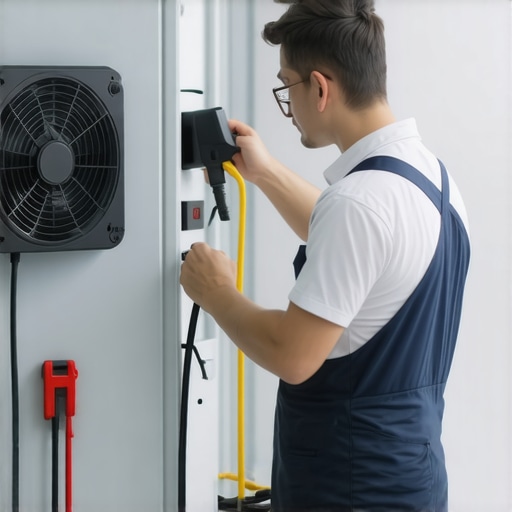
Ever been in the middle of a hot summer day or arrived home eager to charge your EV, only to be met with a stubborn, unresponsive fan or charging station? I remember the moment vividly—frustration boiling over as I fiddled with wires and pressed buttons, with no clear idea of what had gone wrong. That lightbulb moment hit me hard: troubleshooting isn’t about guessing; it’s about knowing the right steps to fix things quickly and confidently.
Why Quick Fixes Matter More Than Ever
In today’s fast-paced world, waiting around for a professional electrician or waiting days for a repair just isn’t practical. Whether it’s a ceiling fan that refuses to spin or an EV charger that won’t acknowledge your car, these issues disrupt daily life. And let’s face it, attempting to troubleshoot without proper guidance can sometimes make things worse—I’ve been there myself, making a mistake early in my journey that cost me more time and money. But here’s the good news: with the right knowledge, you can navigate these problems efficiently, saving you frustration and hassle. Especially since studies show that quick repairs of household electrical issues can prevent minor glitches from escalating into costly problems—saving you money in the long run. To help you get back on track, I’ll share proven tips and techniques to troubleshoot your electric fans and EV chargers like a seasoned pro. If you’ve faced these kinds of outages and felt powerless, know that you’re not alone, and there’s a straightforward way to handle it. Ready to turn that frustration into confidence? Let’s dive into the essentials that will make your troubleshooting sessions more successful and less stressful.
Check Power Sources Immediately
Begin by verifying the basics—ensure your device is plugged in and receiving power. Use a multimeter to test the outlet or circuit breaker; think of it as your electrical doctor’s stethoscope, listening for the heartbeat of your power supply. I once found my EV charger unresponsive because a tripped breaker was hiding behind a pile of laundry. Resetting it restored functionality instantly, saving me hours of disassembly. For detailed guidance, visit this expert guide.
Inspect and Reset Circuit Breakers
Sometimes the problem lies in the breaker box; a simple reset can fix it. Turn off the circuit breaker controlling your device, wait a few seconds, then flip it back on. This action is akin to rebooting a computer—often, it clears minor glitches. I fixed a ceiling fan that stopped working by resetting the associated breaker, which had tripped after a power surge. Always ensure safety by turning off the power before touching circuit breakers.
Examine Connections and Cinsistency
Loose or corroded wiring can cause intermittent issues. Turn off the power, then check connectors and terminals for tightness and corrosion. Think of it as tightening loose nuts on a bicycle—if left unchecked, it leads to wobbling and possible failure. Once, I replaced a worn connector on my fan’s wiring, which instantly restored its operation. Remember, if you’re unsure, consulting an electrician is the safest route; see electrician troubleshooting tips.
Test Internal Components Carefully
Use appropriate tools to test capacitors, resistors, and other components if you have electrical experience. Faulty capacitors in a ceiling fan can cause it not to spin; replacing them can be straightforward if you understand the circuit. I once diagnosed a burnt-out capacitor in my fan, replaced it following an online tutorial, and got it spinning again within minutes—much like replacing a worn-out battery.
Perform Firmware and Software Checks
For modern devices like EV chargers, firmware issues can cause malfunctions. Refer to the manufacturer’s instructions to update firmware or perform resets. I once faced a non-responsive EV charger, and after performing a firmware restore, it started recognizing my vehicle again. This step is crucial for smart devices that rely on software; look for updates at the manufacturer’s website or app.
Leverage Trusted Resources for Advanced Fixes
If these steps don’t resolve your problem, consult specialized guides or professional electrician help. The online world offers expert advice; for an exhaustive troubleshooting process, see this comprehensive guide. Remember, safety first—if at any point you’re unsure, calling a licensed electrician protects you and your device from further damage.Many people assume that troubleshooting electrical devices like EV chargers and ceiling fans is straightforward, but misconceptions often lead to costly mistakes. One widespread myth is believing that resetting a circuit breaker or unplugging a device always resolves the issue, ignoring underlying problems such as faulty wiring or incompatible firmware. In reality, superficial fixes can obscure deeper faults, causing recurring failures and even safety hazards.
A crucial nuance overlooked by many is the importance of understanding device-specific safety protocols and the subtleties of electrical components. For example, assuming capacitors are always the culprit when a ceiling fan stalls can lead to unnecessary replacements; sometimes, insulation issues or control board failures are at play, which require advanced diagnosis. As expert electricians suggest, comprehensive testing and proper tools are essential for accurate troubleshooting, avoiding the common trap of jumping to conclusions based on surface symptoms.
Another mistake involves neglecting the role of firmware updates in modern devices. Many users attempt to resolve issues with outdated software, unaware that firmware corruption or incompatibility can silently cause malfunctions. Performing a firmware restore or update, following manufacturer instructions, can often solve these problems efficiently, but only if you recognize this nuance.
To deepen your troubleshooting knowledge, consider exploring specialized guides that highlight advanced diagnostic techniques. For instance, visiting this resource can expand your understanding of complex issues that non-experts usually overlook. Remember, the goal is to differentiate between simple fixes and signals of more serious faults, saving both time and money.
Have you ever fallen into this trap? Let me know in the comments.Maintaining your ceiling fans and EV chargers over time is essential to ensure their longevity and reliable performance. One of the most effective strategies is investing in high-quality, specialized tools that allow for precise diagnostics and repairs. I personally rely on a digital clamp meter and a multimeter with DATA logging features. These tools help me quickly identify voltage irregularities or wiring issues without guesswork, saving valuable time and preventing potential hazards. Additionally, using a thermal imaging camera has revolutionized my maintenance process; it enables me to spot overheated components or loose connections before they cause failure. Regularly inspecting connections and testing internal components, such as capacitors in ceiling fans or power modules in EV chargers, keeps systems running smoothly. For software-related issues, I use manufacturer-recommended diagnostic apps and firmware management tools, which streamline updates and troubleshooting. Looking ahead, I predict that as smart home devices become increasingly integrated, maintenance will lean more heavily on IoT-connected tools that offer remote diagnostics, reducing the need for physical inspections. If you want to keep your devices working efficiently, start by investing in a digital clamp meter and a thermal camera—these are game-changers in proactive maintenance. Want to learn how to use these tools effectively? Check out the comprehensive techniques outlined in this expert guide to troubleshooting. Try performing a routine diagnostic with your multimeter and thermal camera today, and experience firsthand how these tools can prevent costly repairs and improve device longevity. Proper maintenance isn’t just about fixing problems; it’s about avoiding them altogether and ensuring your home’s electrical health for years to come.
What I Wish I Knew Before My First Fix
One of the most valuable lessons I learned is that patience and methodical diagnosis trump guesswork. Jumping straight to replacing parts without proper testing often leads to wasted time and unnecessary expenses. Remember, understanding the root cause saves headaches later.
Trust the Proven Tools That Have Saved Me
The digital clamp meter, thermal imaging camera, and manufacturer diagnostic apps are game-changers. These tools give you real insights into your devices’ health, making troubleshooting less about trial and error and more about precision. Investing in reliable equipment pays dividends in confidence and safety.
Embrace Continuous Learning and Curiosity
The electrical landscape is always evolving, especially with smart devices and firmware updates. Staying curious and updating your knowledge through trusted resources keeps you prepared for new challenges. For comprehensive guidance, I recommend checking out this expert troubleshooting guide.
Inspiration to Take Action Today
Every electrical issue you tackle enhances your skills and confidence. Don’t shy away from diagnosing your ceiling fan or EV charger—every problem is an opportunity to learn and master your home’s electrical health. Your proactive efforts not only prevent future failures but also empower you as a confident DIY enthusiast. Keep pushing forward, and remember: each fix brings you closer to a safer, more efficient home.
This post hits home for me, especially the part about understanding device-specific safety protocols. I learned the hard way that rushing into repairs without proper tools and knowledge can lead to more damage or even safety hazards. I once tried to fix my ceiling fan without turning off the power completely, only to get a small shock—which was a wake-up call to always prioritize safety first. Your mention of using tools like thermal cameras and multimeters really resonated with me. They’ve drastically improved my troubleshooting accuracy. I’d love to hear from others—what’s been the most unexpected issue you’ve encountered when fixing electrical devices? I think sharing real stories can help all of us become more confident and cautious DIY troubleshooters.