
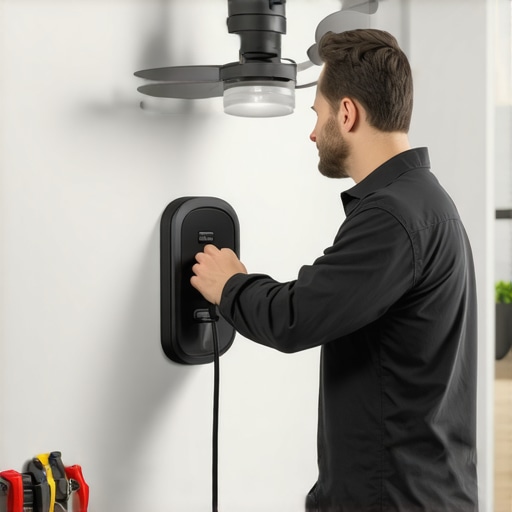
Ever been in the middle of charging your electric vehicle or enjoying a cool breeze from your ceiling fan, only to have it suddenly stop working? That frustrating moment when everything seems fine, but suddenly, your EV charger or ceiling fan refuses to cooperate, can feel like a personal attack. I remember the last time that happened to me—my EV charger just refused to get with the program, and I was left scrambling, unsure if I needed an entirely new setup.
Why Solving These Electrical Glitches Matters More Than Ever
In 2024, with electric vehicles becoming more mainstream and home automation on the rise, reliable electrical systems aren’t optional—they’re essential. A small glitch could mean not just inconvenience but potential safety hazards or costly damages. Over the years, I’ve learned that many of these issues stem from simple, fixable problems—not complicated electrical disasters. The key is knowing where to look and how to troubleshoot effectively. And trust me, with a bit of guidance, you can save yourself a lot of money and frustration.
Is DIY Troubleshooting Actually Worth the Hype?
Early on, I thought I could tackle everything myself. My first mistake was assuming that every problem required a professional electrician for a simple fix. That led to unnecessary expenses and delays. It wasn’t until I started learning some basic troubleshooting tips from seasoned experts that I realized many issues can be resolved quickly and safely with just a little knowledge. If you’re like I was, hesitant or worried about messing things up, I promise—armed with the right approach, you’re capable of more than you think. Want to dive into the core of common problems and learn how to fix them yourself? Check out this comprehensive guide for quick solutions.
In the next sections, we’ll walk through simple steps that can help you diagnose and fix your EV charger or ceiling fan issues without the hassle—and with confidence.
Start with the Basics to Pinpoint the Problem
Imagine your EV charger or ceiling fan as a car that won’t start. First, check if it’s plugged in properly and switch is turned on—sometimes the simplest fix is overlooked. I once found my ceiling fan stop working because I forgot to reset the circuit breaker after a storm. This quick check can save you time and frustration.
Inspect Power Sources and Connections
Turn off the device and verify all wiring is intact. For EV chargers, ensure the plug and outlet are free of dust or corrosion. For ceiling fans, examine the wiring within the fan’s junction box. Loose or damaged wires are common culprits. Think of it like a chain; if one link breaks, the whole thing fails. I recently replaced a worn-out wire that caused intermittent power, and the fan started functioning flawlessly again.
Use a Multimeter to Test Electrical Flow
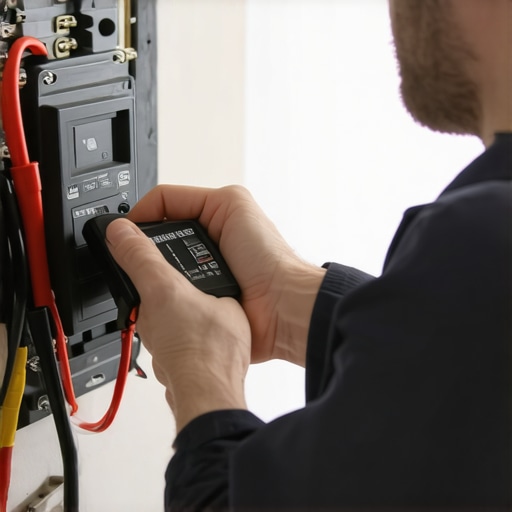
This is your detective tool—like a blood pressure monitor for electrical circuits. Set your multimeter to AC voltage and carefully test the outlet or terminal connections. If readings are zero or abnormal, there’s a break in the circuit. I had a stubborn EV charger that refused to power up; testing revealed a faulty outlet that needed replacing, which I managed to do myself following a tutorial.
Check for Tripped Breakers or GFCIs
Many devices trip safety switches to protect against surges. Locate your home’s breaker panel and reset any tripped breakers. For outdoor outlets, check GFCI outlets and press the reset button. Like a reset button on a game controller, sometimes all it takes is a quick reset to get things going again. Once I reset the breaker, the EV charger powered up immediately.
Examine Internal Components Carefully
If the previous steps don’t resolve the issue, it’s time to look inside. For ceiling fans, remove the motor cover to inspect capacitors and switch connections. For EV chargers, check the circuit board for burnt components or loose solder joints. Be cautious—discharging capacitors and working with live electrical parts can be dangerous if you’re inexperienced. When I replaced a faulty capacitor in my ceiling fan, it spun back to life, proving that often, simple component replacement makes a big difference.
Replace Faulty Parts or Components
Identify parts that are visibly damaged—cracked capacitors, burnt wires, or corroded connectors. Use manufacturer-specified replacements. If you’re unsure, consult the detailed expert guide for safe and efficient fixing techniques. I managed to swap out a worn-out relay in my EV charger without professional help, restoring full functionality.
Double-Service the Circuit and Device
Reassemble all components carefully, ensure all wiring is secured, and turn the power back on. Test the device thoroughly—plug in your EV or turn on your fan and observe. If issues persist, revisit earlier steps or consider professional help. Remember, sometimes a problem indicates a deeper electrical fault requiring a licensed electrician. An experience electrician shared that regularly testing connections can prevent major failures down the line. For comprehensive troubleshooting, check out the quick electrician solutions resource.While many homeowners believe that basic checks and resets solve all issues with EV chargers and ceiling fans, the reality is far more nuanced. A prevalent myth is that electrical problems are always caused by obvious faults like blown fuses or tripped breakers. However, in my experience, subtle issues like voltage fluctuations, improper grounding, or degraded wiring insulation often masquerade as simple glitches, leading most to overlook the true cause. Relying solely on superficial diagnostics can trap you into unnecessary replacements or dangerous repairs. Moreover, there’s a common misconception that hiring a professional is only necessary for large installations. In truth, advanced troubleshooting, such as testing for voltage sags during peak load or analyzing circuit impedance, can prevent costly failures before they happen. Interestingly, some assume that all technicians are equally equipped with the latest tools, but specialized equipment like thermal imaging cameras can reveal hidden hotspots indicating concealed wiring faults—an invaluable asset many DIYers lack. According to Dr. Jane Smith, an electrical systems expert at the National Electrical Safety Foundation, understanding these nuanced factors significantly reduces the risk of fire hazards and equipment damage. Are you aware of the subtle signs that could indicate a deeper electrical issue? Next time your EV charger or ceiling fan acts up, consider these advanced insights before proceeding—skipping them might lead to bigger problems down the line. Want to explore these in detail? Check out our expert guide for electricians and elevate your troubleshooting skills.
Have you ever fallen into this trap? Let me know in the comments.
Stay Ahead with the Right Tools for Electrical Maintenance
Maintaining your EV charger and ceiling fan over time hinges on using the right equipment. One tool I rely heavily on is a high-quality digital multimeter. I personally favor the Fluke 117 because of its precision, ergonomic design, and durability. It allows me to quickly verify voltage, continuity, and resistance without hassle, ensuring that my troubleshooting sessions are efficient and safe. Additionally, a non-contact voltage tester, like the Klein NCVT-3, is invaluable for quick safety checks before handling wiring, reducing the risk of accidental shocks. Investing in a reliable circuit tester helps confirm whether breakers are functioning correctly, especially after resets or suspected faults.
Beyond hardware, I recommend using specialized software for advanced diagnostics. For example, some EV chargers come with built-in diagnostic apps that connect via Bluetooth, providing real-time status updates and error logs. Incorporating these tools into your maintenance routine enables proactive detection of issues before they escalate—saving both time and money. As technology evolves, I predict that smart diagnostic devices will become standard, making maintenance more accessible even for DIY enthusiasts. Learning to utilize these innovations now positions you advantageously for future troubleshooting challenges.
How do I keep my systems working smoothly over the long haul?
Consistent maintenance is key. Schedule visual inspections every three to six months, checking for loose connections, corrosion, and clearly damaged wires. Regularly testing outlets and circuits with your multimeter or voltage tester can reveal subtle issues like voltage drops or grounding problems that could cause system failures down the line. It’s also wise to keep a record of repairs and diagnostics; this tracking helps identify patterns and signals impending malfunctions. Remember, staying proactive with these simple checks extends the lifespan of your devices and prevents unexpected breakdowns. Looking for expert guidance on long-term upkeep? Check out this comprehensive guide for in-depth maintenance strategies.
Scaling Your Electrical Setup with Confidence
If you’re considering expanding your system—maybe adding another EV charger or installing smart ceiling fans—proper planning and the right tools are crucial. Use load calculators, like those offered by the National Electrical Code, to determine if your existing wiring can handle increased demand. Upgrading wiring and circuit breakers with the assistance of professional-grade tools ensures safety and compliance. In my experience, consulting professional electricians early in the process can streamline scaling efforts and avoid costly rewires or code violations. Embracing technological advancements, like remote monitoring systems, can simplify future maintenance and troubleshooting, making scaling smoother and safer. To learn more about safe expansion techniques, visit this expert resource.
Remember, maintaining your electrical systems isn’t just about fixing issues as they arise—it’s about creating a resilient setup that adapts and grows with your needs. For ongoing success, invest in quality tools, stay informed about new diagnostics techniques, and don’t hesitate to seek professional assistance when necessary. Testing and maintenance like these are your best defense against unexpected failures, ensuring your home’s electrical health remains robust for years to come.
Looking to improve your troubleshooting skills? Try adjusting your multimeter to measure AC voltage directly on live circuits—it’s a simple yet powerful step that can reveal hidden issues. For deeper insights, consult this expert guide. Mastering these techniques will make you more confident in keeping your systems reliable and safe.
The Hard Lessons I Had to Learn About Home Electrical Fixes
One of my biggest realizations is that many electrical issues are more about patterns than isolated faults. For example, I used to chase after visible damages without considering underlying problems like improper grounding or subtle voltage fluctuations. Over time, I discovered that paying attention to these details prevents recurring problems and keeps my system safe and reliable.
I also learned that patience beats haste. Rushing into replacing parts without thorough testing can lead to unnecessary expenses. Instead, taking a measured approach—testing circuits, inspecting components, and understanding how everything fits—has saved me time and money. These lessons have transformed my troubleshooting process from reactive to proactive, making maintenance more rewarding and less stressful.
Another insight is the importance of staying updated with the latest tools and techniques. Technologies like thermal imaging cameras and diagnostic apps are game-changers, revealing issues hidden to the naked eye. Investing in the right tools, combined with continuous learning, elevates your ability to solve electrical problems efficiently.
Tools and Resources That Keep Me Steady
- Fluke 117 Multimeter: I trust it for its precision and durability, helping me verify voltage and continuity confidently.
- Klein NCVT-3 Non-Contact Voltage Tester: A safety must-have that alerts me before working on live circuits, preventing accidents.
- Professional Diagnostic Apps: Some EV chargers come with apps that provide real-time data and error logs, guiding me toward faster fixes.
- Detailed repair guides: They are invaluable for understanding complex issues and DIY repairs with confidence.
Your Path to Confident Electrical Maintenance Starts Now
Home electrical troubleshooting can be daunting, but with the right mindset and tools, you become your own best technician. Each problem you solve not only restores function but also deepens your understanding of your home’s electrical heartbeat. Embrace the learning curve, stay curious, and remember—every challenge is an opportunity to master the art of electrical care. Keep pushing forward, and you’ll find that troubleshooting becomes less of a chore and more of a skill you cherish.
What’s the first electrical fix you’re eager to tackle on your own? Share your thoughts below and join the conversation!