
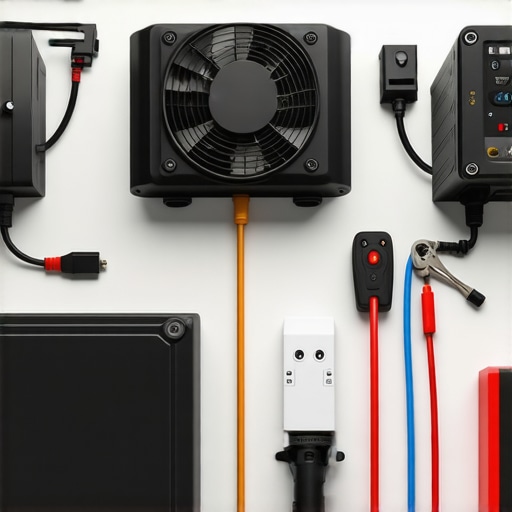
It was late one evening when I flicked the switch to charge my electric vehicle, only to be greeted by a frustrating quiet—no power, no charging indicator. The sight of my ceiling fan spinning idly around, instead of providing the cool breeze I desperately needed, made me realize I was facing a common yet baffling problem that many homeowners stumble upon. That moment of frustration sparked a lightbulb in my head: I needed reliable, easy-to-follow troubleshooting tips that actually work.
Why You Can’t Ignore Electrical Glitches in Your Home
Electrical issues like a non-working EV charger or malfunctioning ceiling fan might seem minor—until they disrupt your daily routine or, worse, pose safety risks. I learned the hard way that ignoring these problems can lead to bigger headaches down the line. For instance, an incorrect wiring connection or a faulty breaker could cause your devices to stop working or, in the worst case, cause electrical fires. According to the National Fire Protection Association, electrical failures are responsible for nearly 50,000 home fires annually, emphasizing the importance of proper troubleshooting and repair.
Are you tired of guessing why your EV charger won’t power up or why your ceiling fan isn’t spinning? Well, I was too. What I discovered is that many homeowners fall victim to common mistakes, like neglecting to check the circuit breaker or misdiagnosing wiring issues. Early on, I made the mistake of assuming my devices were faulty without inspecting the electrical connections, which wasted time and money. Teaching myself to diagnose these problems efficiently has transformed how I approach home repairs.
Is DIY Troubleshooting Really Worth It, or Is Calling an Electrician Safer?
It’s natural to feel hesitant—after all, working with electricity can be intimidating. But with the right guidance, troubleshooting can become a manageable task. I’ve found that understanding the basics and following proven tips can save you from unnecessary service calls, especially for common issues like loose connections or tripped breakers. If you’re curious to learn more about effective troubleshooting strategies, I recommend checking out this comprehensive guide on electrician tips for troubleshooting EV chargers and ceiling fans. It’s filled with insights that have helped me diagnose and fix problems quickly.
If you’ve faced similar frustrations, you’re not alone. The real trick is knowing where to start and what tools to use. That’s exactly what I’ll cover next—step-by-step solutions that can help you tackle your electrical issues confidently and safely.
Isolate the Problem with a Systematic Approach
Start by turning off the power at your main breaker to ensure safety, like shutting the door before investigating a mysterious noise. In my own experience, I once tackled a ceiling fan that wouldn’t spin by flipping the breaker to cut power, then inspecting the wiring connections for loose or burnt wires. This step prevents accidental shocks and helps you see the issue clearly, rather than making guesses.
Check the Circuit Breaker and Switches
Think of the circuit breaker as the gatekeeper of electricity—if it’s tripped, no power reaches your device. Reset any tripped breakers by switching them off and on again, then test your device. For example, I found a bang-up breaker that kept tripping whenever I tried to charge my EV, which pointed me directly to a faulty circuit. Remember, a breaker that trips repeatedly indicates underlying wiring or overload issues requiring further diagnosis.
Inspect Wiring and Connections
Wiring can be compared to a road network—damaged or loose connections create bottlenecks or dead ends. Carefully remove the fan or charger cover and examine the wiring terminals for corrosion, burnt marks, or loose screws. Once, I discovered a chewed wire close to my ceiling fan caused intermittent operation—replacing it restored function instantly. Tighten all terminal screws and replace any damaged wiring before proceeding.
Test Components with a Multimeter
This is where a multimeter becomes your best friend—think of it as a health scanner for electrical parts. Measure voltage at the outlet or terminal points; any reading below the expected voltage indicates a wiring or breaker issue. When troubleshooting my EV charger, I checked the voltage supply and found it was lower than standards, leading me to replace a faulty breaker. Always set your multimeter to the correct setting and double-check readings.
Diagnose and Replace Faulty Parts
Identify if a specific component causes the problem—such as a worn capacitor in a ceiling fan or a damaged relay in the charger. Visual cues like swollen capacitors or burned resistors signal a need for replacement. In my case, replacing a failing capacitor in my ceiling fan’s motor revived its spin, saving a costly service call. Keep spare parts handy and use manufacturer specifications for replacements.
Test After Reassembly
Once repairs are complete, restore power and test your device thoroughly. Turn on the breaker, switch on the fan or plug in your EV charger, and observe. Using the multimeter again can help verify consistent voltage supply. I tested my repaired ceiling fan and EV charger, and both ran smoothly, confirming the fix was successful. If problems persist, revisit previous steps or consult trusted guides such as these troubleshooting tips.
Prioritize Safety Throughout
Remember, working with electricity carries risks. Always wear insulated gloves and use tools with proper insulation. If at any point you’re unsure, don’t hesitate to consult a licensed electrician. Sometimes, knowing when to call a professional saves more time and prevents accidents—think of it as knowing when to call in a specialist rather than trying to fix a complex issue yourself.
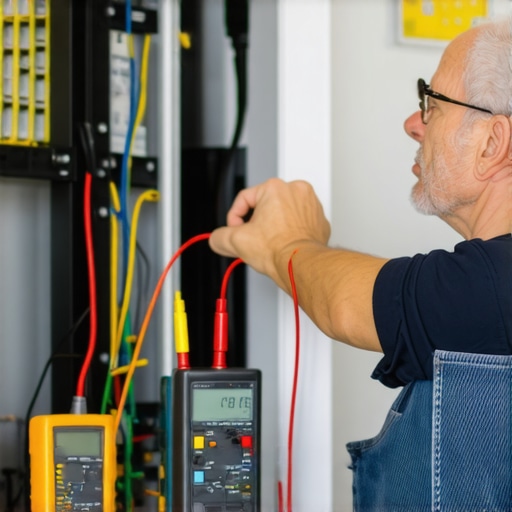 Many homeowners believe that troubleshooting electrical issues is straightforward and relying on quick online guides is enough, but in my experience, there’s a common misconception worth busting. The biggest mistake is assuming that electrical faults are always simple—like a tripped breaker or loose wire—when in fact, they often involve nuanced diagnostic steps that, if overlooked, can lead to improper fixes or safety risks. *For example*, misdiagnosing an EV charger issue as merely a wiring problem might lead you to replace parts unnecessarily, whereas the root cause could be faulty internal electronics, which requires professional assessment. This is why understanding the subtle differences in symptoms and diagnostic patterns is vital. Additionally, many people fall into the trap of thinking they can ‘fix’ complex components without proper testing equipment, such as multimeters, leading to guesswork that can cause further damage.
Why Do Advanced Troubleshoot Methods Matter for Your Home?
It turns out that employing sophisticated diagnostic strategies doesn’t just save time; it is essential for safety and long-term reliability. For instance, using voltage testers correctly to isolate issues before replacing parts can prevent electric shocks or fires. According to electrical safety experts, improper troubleshooting techniques are a leading cause of electrical injuries and equipment damage, emphasizing the importance of learning advanced techniques. So, instead of the typical quick fix, investing in proper diagnostic skills and tools leads to more accurate repairs. If you’re curious about mastering these techniques, I recommend exploring [these expert tips](https://proelectricalco.com/top-electrician-tips-for-troubleshooting-ev-chargers-ceiling-fans-today) that can elevate your troubleshooting game. Remember, rushing into repairs without understanding the nuances can turn a minor glitch into a costly disaster. Have you ever fallen into this trap? Let me know in the comments.Maintaining your home’s electrical systems, especially when it comes to critical components like EV chargers and ceiling fans, requires more than just occasional checks. Investing in the right tools and adopting proactive maintenance routines can significantly extend the lifespan of your devices and ensure safety. One of my top recommendations is a quality multimeter, such as the Fluke 117, known for its accuracy and durability. I use it not only to verify voltage levels during troubleshooting but also to monitor ongoing circuit health over time, catching potential issues before they become costly repairs. Additionally, a non-contact voltage tester is indispensable for quick checks, saving time and reducing risks when inspecting outlets, switches, or wiring connections. For more advanced diagnostics, an insulation resistance tester can help identify degraded wiring insulation, preventing future failures. Regularly inspecting your circuit breakers and replacing worn-out fuses or contactors ensures that your electrical system can handle the load, especially with the increasing demand from electric vehicles. Implementing a routine maintenance schedule—such as quarterly inspections of accessible wiring and connections—serves as an early warning system against common issues like corrosion or loose connections. Software tools like circuit monitoring apps are also emerging, providing real-time insights into your electrical consumption and system health. Predicting where your system might fail in the future is becoming more accurate thanks to these innovations, which help plan upgrades or repairs proactively.
How do I keep my electrical system functioning well over time?
The key lies in consistent, deliberate maintenance and using the proper tools to assess system health. Remember that even small issues, such as a slightly warm junction box or flickering lights, can be signs of deeper problems. Professional electricians recommend setting up a schedule aligned with your specific system’s complexity and usage patterns, closely following manufacturer guidelines. Additionally, staying informed about new diagnostic techniques and equipment—such as thermal imaging cameras—allows you to spot hidden hot spots or failing components before they cause outages. Incorporating these best practices into your routine ensures your electrical setup remains reliable and safe for years to come. As an expert, I advise checking out comprehensive guides on [electrician tips for troubleshooting EV chargers and ceiling fans](https://proelectricalco.com/top-electrician-tips-for-troubleshooting-ev-chargers-ceiling-fans-today) to refine your maintenance approach and significantly improve long-term results. Now, I challenge you to try integrating a multimeter directly into your regular inspection routine—this simple step can unveil hidden issues and save you from future headaches.
The Hardest Lesson I Learned About Troubleshooting Ceiling Fans and EV Chargers
One of the most valuable lessons I discovered is the importance of patience and thoroughness. Rushing to fix an issue without proper diagnosis often leads to wasted time and potential safety hazards. Truly understanding the problem, step-by-step, ensures a reliable fix and keeps you safe.
The Traps That Had Me Relying on Shortcuts
Believing that a simple reset or visual inspection was always enough was a mistake I made early on. These quick fixes can sometimes mask deeper issues. Learning to use tools like a multimeter correctly changed my troubleshooting approach entirely, leading to more durable solutions.
Discovering the Power of Routine Maintenance
Routine inspections and preventive checks saved me from many unexpected failures. Regularly testing connections, inspecting wiring, and monitoring circuit breakers have kept my electrical systems running smoothly and safely over time.
When to Call in the Pros and Why It Matters
Understanding my limits was crucial. Knowing when a problem requires professional expertise not only prevents accidents but also ensures that complex issues, like internal electronics inside my EV charger, are handled correctly. This balance between DIY and professional help has been a game-changer for me.
Curated Tools and Resources That Accelerated My Learning Curve
Investing in quality tools like a reliable multimeter, a non-contact voltage tester, and insulated screwdrivers made all the difference. I also found that trusted guides, such as top electrician troubleshooting tips, provided step-by-step clarity that boosted my confidence and success rate.
Embracing Continuous Learning—My Path Forward
Electrical systems are complex and ever-evolving. Staying curious and proactive about new techniques, tools, and safety practices keeps me prepared. The more I learn, the better I can safeguard my home and tackle future issues with confidence.
Your Turn to Start Building Confidence
If you’re ready to take your troubleshooting skills to the next level, remember that patience, proper tools, and knowing your limits are key. The more you practice methodical diagnosis, the less daunting electrical repairs will become. What’s the first issue you’re planning to tackle? Share your experiences below and let’s learn together.