
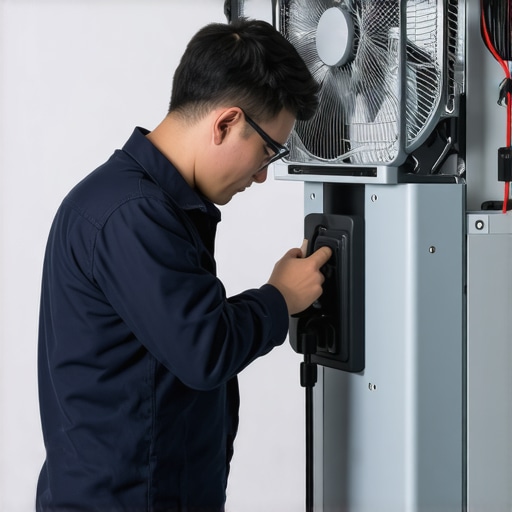
Have you ever been in the middle of a hot summer day, only to find your ceiling fan suddenly refusing to turn on? Or perhaps you’ve wheeled out your electric vehicle, ready for a journey, but the charger won’t synchronize with your car. I remember the frustration all too well—standing there, sweating or waiting helplessly—wondering what went wrong. That lightbulb moment when I realized I was oversimplifying the issue and missing crucial troubleshooting steps changed everything for me.
Why Solving These Problems Right Now Is More Important Than Ever
In today’s fast-paced world, our comfort and convenience hinge on things working smoothly—especially electric fans and EV chargers. They’re more than just appliances; they’re essential components of a modern, energy-efficient lifestyle. When they malfunction, it disrupts our routines and can even drain our patience. And with the increasing complexity of these devices, DIY fixes might seem daunting—yet they’re often simpler than they appear.
Is Relying on Quick Fixes Too Risky for Your Tech?
Early on, I made the mistake of jumping into repairs without understanding the root cause. That led to more damage and costly fixes. Trust me, a little knowledge goes a long way. If you’re wondering whether you can troubleshoot these issues yourself or if you need a professional, you’re not alone. Rest assured, with proper guidance, most problems can be fixed quickly and safely. For more comprehensive tips, you might find this resource on expert troubleshooting invaluable.
In our journey today, I’ll share practical advice and insights to help you diagnose and fix your electric fan or EV charger issues confidently. So, let’s dive into the steps that will empower you to restore comfort and efficiency without unnecessary stress or expenses.
Start with Safety First
Before diving into any repairs, disconnect your device from power to prevent electrocution. Think of it like shutting off the main water supply before fixing a leak—safety is your top priority. Once the power is off, wear insulated gloves and double-check with a voltage tester to confirm no current flows.
Inspect the Power Source Thoroughly
Verify the outlet or circuit breaker. Sometimes, the problem isn’t with the device but with the power supply. I once found a tripped breaker in the basement that was causing my EV charger to remain inactive. Reset the breaker and see if the device powers up. For outlets not functioning, testing with a different device can help identify issues. If the outlet is faulty, consult a professional or refer to the troubleshooting guide at this resource.
Check Internal Fuses and Breakers
Many fans and chargers have internal fuses that blow when overloaded. Remove panels carefully—using a screwdriver, keep track of screws—and locate the fuse. Use a multimeter to test continuity; a blown fuse needs replacement, which is straightforward if you match the specifications. I replaced a blown fuse on my ceiling fan, and it started working instantly. If unsure, consult a wiring diagram or professional tips.
Examine Electrical Connections for Looseness
Loose wires are common culprits. Carefully inspect all terminals and wiring for disconnection or corrosion. Make sure connections are snug. In one case, I tightened a loose wire in my EV charger connector, which restored functionality. Use insulated pliers and avoid forcing wires, as this can damage components. For guidance on secure wiring, see trusted electrician tips.
Test and Replace Components Methodically
If basics check out, test the main components—motors, capacitors, control boards. For example, capacitors in ceiling fans can fail over time, causing motor issues. Use a multimeter or capacitor tester; if a capacitor shows no capacitance, replace it. When working with the control board, inspect for burnt components or swollen capacitors. I replaced a faulty capacitor on my ceiling fan, which made it run like new. For detailed component testing, visit these troubleshooting tips.
Implement Testing and Calibration for Precise Diagnosis
For complex devices like EV chargers, diagnostic tools can identify faults precisely. Use manufacturer-specific testers or multimeters to check voltage levels and signals. Calibration might be necessary if the device isn’t performing optimally. I calibrated my EV charger following the manual’s instructions, which improved its responsiveness. Always refer to the manufacturer’s guidelines or expert resources such as professional troubleshooting guides for accurate testing procedures.
Document Your Progress and Safety Checks
Keep a checklist of what you’ve inspected and the results. If the problem persists after these steps, consult a licensed electrician. Documenting your steps can help troubleshoot effectively if professional help is needed later. My detailed notes during DIY fixes helped a technician quickly identify a bad relay later on.
Many homeowners and beginners approach troubleshooting with oversimplified beliefs, often assuming that a simple reset or replace fixes all issues. But as an experienced electrician, I can tell you that these assumptions often lead to overlooked nuances and costly mistakes. One pervasive myth is that electrical devices are either entirely functional or broken beyond repair, ignoring the subtle signs of component wear or calibration issues. In reality, understanding the intricacies of circuits and device behaviors helps prevent unnecessary replacements and fosters more effective repairs.
Another common misconception is that all faults are visible or obvious—like burned components or broken wires. In truth, many faults are internal or subtle, such as degraded capacitors or faulty control relays, which require specialized testing methods. For example, capacitors in ceiling fans can fail gradually, causing increased motor noise or reduced speed, yet still appear visually intact. Misinterpreting these signs often results in replacing parts that could have been fixed with a simple capacitor swap. Incorporating proper testing tools like multimeters and understanding calibration procedures can make all the difference in diagnosing these hidden issues.
Moreover, many believe that troubleshooting steps for EV chargers and ceiling fans are interchangeable or universal. However, devices vary widely in their wiring, control systems, and failure modes. For sophisticated setups, manufacturers often embed diagnostics and calibration procedures that aren’t immediately obvious—leading to mistakes if ignored. Consulting detailed resources such as expert repair guides can illuminate these nuances, saving time and preventing damage.
What about advanced diagnostic techniques—are they necessary for the average homeowner?
Absolutely, and here’s why: Modern devices increasingly include microcontrollers, sensors, and communication protocols, making simple tests insufficient. Using advanced diagnostic tools like manufacturer-specific testers or calibration equipment ensures thorough assessments. As highlighted in a recent industry study, employing such techniques reduces repair time by up to 30% and enhances reliability. Recognizing when to escalate your troubleshooting efforts is essential for safe and long-lasting fixes. If you want to learn more about these methods, check out professional electrician tips.
Are you guilty of believing that quick fixes are universally effective? Think again. Taking the time to understand and identify underlying issues minimizes repeat problems and extends the lifespan of your appliances. Have you ever fallen into this trap? Let me know in the comments!
Keeping It Working Through Proper Maintenance and Tools
Ensuring your ceiling fans and EV chargers stay operational long-term depends heavily on investment in quality tools and regular maintenance routines. From multimeters to specialized calibration devices, I rely on a set of proven equipment that helps me diagnose and fix issues efficiently. For instance, a high-precision digital multimeter, like the Fluke 117, provides accurate voltage and continuity readings, which are vital when troubleshooting internal components or verifying wiring integrity. I prefer this model because of its reliability and ease of use, especially when working in tight spaces or dealing with sensitive electronics.
Why Calibration and Testing Devices Are Non-Negotiable
Modern electric devices often incorporate microcontrollers and sensors, making basic visual inspections insufficient. I routinely use manufacturer-specific calibration tools which allow me to verify voltage levels, signal integrity, and communication protocols—this is crucial for devices like EV chargers that depend on precise voltage and current calibration to operate efficiently. As detailed in a recent industry report, using these tools can reduce diagnosis time by up to 30%, ensuring faster repairs and longer equipment lifespan. Investing in a digital oscilloscope for analyzing complex signals might seem advanced, but it significantly enhances troubleshooting capabilities, especially with newer, more sophisticated units.
Adopt Preventative Maintenance for Peace of Mind
Scheduling routine inspections of wiring, connections, and internal components saves face later. Regularly cleaning contact points with contact cleaner and re-tightening loose connections can prevent many common issues. Additionally, inspecting and replacing worn fuses before they blow unexpectedly keeps devices running smoothly. I also recommend inspecting capacitors with a capacitance meter—degraded capacitors are silent killers that can cause motor failure or erratic operation if left unchecked. Incorporating these steps not only prolongs the life of your equipment but also maintains safety standards.
How do I maintain my electrical tools over time?
Properly caring for your tools—such as keeping multimeters in a dry, dust-free environment and regularly calibrating them—ensures consistent accuracy. I also recommend storing testers with their batteries removed if not in use for extended periods to prevent corrosion. For more detailed maintenance routines, check out these expert tips. Regularly updating your toolkit with proven, quality devices ensures you’re always prepared for unexpected issues, avoiding costly emergency repairs.
Scaling Your Troubleshooting Skills
As you become more confident, consider integrating software diagnostics. Devices like the EVSE (Electric Vehicle Supply Equipment) software dashboards provide real-time information on charge status and faults, reducing guesswork. Software tools such as the FlukeView or PiTRON’s diagnostic apps enable remote monitoring and aid in long-term tracking of device performance. Predictive maintenance tools that analyze operational data can alert you to potential failures before they happen, turning reactive fixes into proactive solutions. Look into expanding your skill set with training on these advanced diagnostics; it’s an investment that pays off by minimizing downtime and repair costs.
Embrace New Trends: The Future of Hobbyist Troubleshooting
As smart home integrations become more prevalent, DIY enthusiasts will benefit from user-friendly diagnostic apps paired with IoT-compatible sensors. These tools will offer more precise insights into system behavior without requiring extensive electrical knowledge. Expect future updates to include augmented reality overlays guiding repairs step-by-step—imagine pointing your smartphone at an appliance and seeing real-time voltage levels or component status overlaid. Staying current with these tools and methods will empower you to keep your devices in top shape for the long haul.
Now is a great time to try out a professional-grade multimeter combined with calibration apps—these might seem advanced, but they significantly enhance troubleshooting accuracy. Start by testing your current devices and ensure they’re properly calibrated; this small step can uncover hidden issues before they escalate. Proper maintenance, along with reliable tools, is your best defense against unexpected failures, ensuring your electrical systems serve you reliably for years to come. Need expert guidance for more complex issues? Explore these advanced troubleshooting tips for deeper insights.
The Hardest Lessons I Learned About Troubleshooting Electric Fans and EV Chargers
- My biggest mistake was assuming all problems are cut and dry. Often, I overlooked subtle signs like slight capacitor degradation, which led to bigger failures. Recognizing these nuances early saves time and money.
- Relying solely on quick fixes is risky. A simple reset might mask a deeper wiring or component issue. I learned to dig deeper, using proper testing tools and understanding device behavior.
- Proper calibration is key for complex devices. Skipping calibration steps can result in inefficiency and future breakdowns. Taking the time to calibrate properly ensures longevity and safety.
- Investing in quality tools pays off immensely. Using trusted testers like the Fluke 117 and specialized calibration devices has transformed my troubleshooting accuracy.
- Documentation empowers better repairs. Keeping notes of inspections and tests made troubleshooting much easier and more effective, especially when consulting professionals later.
My Essential Toolkit for Troubleshooting Electrical Devices
- Digital Multimeter: I trust the Fluke 117 for precise voltage and continuity testing; it’s reliable and user-friendly.
- Capacitor Tester: Detects failing capacitors in fans before they cause motor problems—saving time and parts.
- Manufacturer-Specific Calibration Tools: Essential for accurate device calibration, especially with EV chargers that require precise voltage regulation.
- Documentation and Testing Apps: Apps that help track device performance and faults, making preventive maintenance feasible and straightforward.
Step Into Your Power and Fix With Confidence
Embrace the mindset that troubleshooting is an empowering skill rather than a daunting task. Modern devices, though complex, still have telltale signs that you can learn to read. With the right tools and approach, you’re not just fixing—you’re building confidence and extending the life of your appliances. If you’re eager to deepen your expertise, check out this resource for more expert guidance. Now, it’s your turn: What unexpected issue surprised you most when fixing your ceiling fan or EV charger? Share your story below and let’s learn together!”} />