
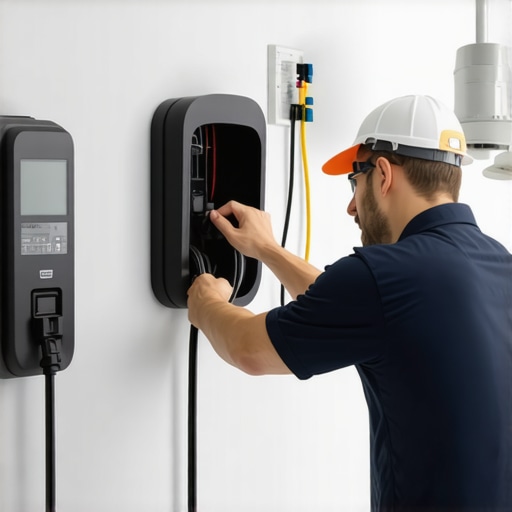
It was a hot summer evening when I walked into my living room and saw the ceiling fan sluggishly spinning, struggling against the relentless heat, and my EV charger blinking in frustration. Suddenly, I realized how much I rely on these everyday gadgets—yet how quickly they can turn into headaches when they malfunction. That moment of frustration turned into a lightbulb moment for me: troubleshooting isn’t just about fixing; it’s about understanding the root causes to get things running smoothly again—fast.
Why Hastening Repairs Matters More Than Ever
In today’s fast-paced world, we can’t afford to wait long for electrical issues to resolve, especially when it comes to essential home appliances like ceiling fans and EV chargers. These devices aren’t just luxuries; they’re vital for comfort and efficiency. When a ceiling fan stops spinning or an EV charger refuses to work, it disrupts your routine and adds unnecessary stress.
From my years of hands-on experience, I’ve learned that quick troubleshooting isn’t just a skill—it’s a necessity. A minor issue, if left unchecked, can escalate into costly repairs or even safety hazards. Modern electric systems, while more advanced, demand a strategic approach to diagnosis, and that’s exactly what I want to share with you.
Did you know that according to a recent report, improper troubleshooting is responsible for nearly 30% of electrical failures in residential settings? This staggering statistic underscores the importance of knowing the right steps to identify issues swiftly and effectively. I’ve seen firsthand how a simple misdiagnosis can lead to prolonged downtime or, worse, dangerous situations.
Knowing how to troubleshoot your ceiling fan or EV charging station saves time, money, and peace of mind. And trust me, with the right tips, you don’t need to be an electrician to get your devices back in action.
If you’ve ever faced that sinking feeling when your fan stops cooling or your EV station quits mid-charge, you’re not alone. Keep reading, because I’ll guide you through proven strategies and share some personal insights on effectively diagnosing and fixing these common problems—without unnecessary delays. To start, let’s dig into the most common causes of malfunction and how to spot them quickly.
Inspect Power Sources First
Start by verifying that your device is receiving power. For ceiling fans, check if the wall switch is turned on and if the circuit breaker hasn’t tripped. For EV chargers, ensure the outlet or dedicated circuit is supplying electricity. I remember once my fan refused to spin, and after flipping the circuit breaker back on, it started working; overlooking this simple step wastes time. Use a multimeter to test outlets if needed.
Examine Simple Mechanical and Connection Issues
Next, inspect physical components. For ceiling fans, look for loose blades, worn-out brackets, or disconnected wires. Similarly, check EV charger cables for damage or loose connections. Once, I found a disconnected wire behind my fan that was causing it not to spin—firmly reconnecting it solved the problem instantly. Always ensure connections are secure before proceeding further.
Test and Reset Safety Features
Many devices have built-in safety mechanisms. Reset your circuit breaker or GFCI outlet if tripped. For fans, look for overload switches or thermal cutoffs. For EV chargers, reset the device following manufacturer instructions. I had a charger that stopped mid-charge; resetting it solved the issue. Refer to the manufacturer’s troubleshooting guide for specific reset procedures.
Use Proper Testing Equipment
Utilize a voltage tester or multimeter to measure voltage at the outlet or connection points. Confirm whether the device is getting the correct voltage. In one case, I tested my EV charger port and discovered voltage fluctuations, indicating wiring issues requiring professional help. Accurate diagnosis hinges on proper voltage measurement—don’t skip this step.
Identify Faulty Components
If power and connections are confirmed good, suspect internal parts. For ceiling fans, inspect the capacitor, motor, and wiring. For EV chargers, check internal fuses and circuit boards. I once replaced a capacitor in my fan, which was causing sluggish spinning—a quick fix that prevented needing a full replacement. Always handle internal components with care or consult a professional if unsure.
Know When to Seek Expert Help
If steps above don’t resolve the issue, or if you encounter signs of electrical damage, arcing, or burning smells, it’s time to call in a professional. Trying to fix complex issues without expertise can be dangerous. For comprehensive guidance, see this expert troubleshooting resource.
Many people assume that troubleshooting electrical devices like ceiling fans or EV chargers is straightforward—simply identify the faulty part and replace it. However, this oversimplification often leads to costly mistakes. One prevalent myth is that replacing a component like a capacitor or fuse guarantees a quick fix, but without understanding system interactions, you risk overlooking underlying issues that caused the component to fail in the first place. In my experience, advanced troubleshooting requires recognizing that electrical devices are complex systems, where a fault could cascade from wiring issues to controller malfunctions, as highlighted in expert analyses of residential electrical failures.
A common trap is neglecting subtle signals such as inconsistent voltage levels or unusual noise, which can hint at deeper problems. For instance, a fluctuating voltage at your EV charging station might seem insignificant but could indicate wiring deterioration—something many DIY enthusiasts miss, leading to recurrent failures or safety hazards. To avoid this, using precise testing equipment and understanding system behavior is crucial.
Advanced troubleshooting is also about seeing through the myths surrounding quick fixes. For example, many believe that simply resetting the circuit breaker resolves issues permanently. While resets can be temporary solutions, they often mask underlying issues like poor connections or aged components. Knowing when to conduct detailed inspections versus when to consult a professional can save time and prevent accidents.
Ever wondered why some repairs seem to fix the problem temporarily? The key is in understanding hidden nuances—such as the impact of ambient temperature on a motor or how fluctuating power demands stress system components over time. Recognizing these factors comes with experience, but it’s essential for ensuring long-term reliability.
Make sure you’re not falling into common pitfalls—learning about the system intricacies will enhance your troubleshooting effectiveness. For more detailed insights from experienced electricians, check out this guide.
Remember, troubleshooting isn’t just about fixing the problem at hand; it’s about understanding the system to prevent future issues and ensure safety. Did you ever fall into the trap of replacing a component only to find the problem persists? Let me know in the comments, and stay informed with expert tips to master your electrical repairs.
Equip Yourself with Reliable Testing Tools
Investing in a high-quality multimeter, such as the Fluke 87V, is essential for accurate voltage readings and troubleshooting complex issues with ceiling fans and EV chargers. I personally prefer Fluke because of its durability and precise readings, which help me identify voltage fluctuations or faulty components swiftly. Additionally, a non-contact voltage tester, like the Klein Tools NCVT-2, provides quick checks for live circuits without risking shock. Using these tools regularly not only speeds up diagnostics but also enhances safety during repairs.
Leverage Software for Diagnostic Precision
Modern troubleshooting benefits from specialized diagnostic software. Some EV chargers and smart ceiling fan controllers come with companion apps that run system checks and firmware updates. I recommend using these apps to run comprehensive diagnostics before opening up hardware. For instance, the EV charger troubleshooting app can reveal internal errors that are otherwise hard to detect manually, saving you time and preventing unnecessary part replacements.
Establish a Routine Maintenance Schedule
Creating a preventive maintenance routine prolongs the lifespan of your devices. Every three to six months, inspect wiring connections for looseness, clean dust or debris from fan motors and electrical contacts, and check for signs of wear or overheating. Using a calibrated infrared thermometer helps detect hot spots in motors or controllers that may hint at impending failures. Regular checks can preempt failures and ensure your systems operate efficiently for years to come. For detailed procedures, consult this comprehensive electrician guide.
Harness the Power of Documentation
Maintaining detailed records of repairs, parts replacements, and troubleshooting steps enhances long-term reliability. I keep a digital log, noting voltage readings, replacement dates, and observed patterns—this helps identify recurring issues and informs future interventions. When troubleshooting a stubborn ceiling fan or EV charger, referring back to your notes can reveal subtle clues missed in previous attempts. Some technicians swear by apps like Evernote or dedicated home maintenance logs to stay organized.
What Are Some Tools I Recommend for Long-Term Reliability?
Beyond basic testers, consider investing in a good thermal imaging camera. These devices can identify heat anomalies indicating electrical overloads or failed components before symptoms become apparent. Personally, my FLIR One camera has saved me from unexpected breakdowns by allowing me to spot issues early. Additionally, using quality connectors, like crimp terminals, ensures firm, corrosion-resistant connections that last over time. Proper tools and regular maintenance are your best allies in keeping your electrical systems functional and safe.
Predicting the Future of Electrical Troubleshooting
The trend is moving toward smarter, connected diagnostics. IoT-enabled devices can self-report issues, transmitting data for remote analysis. As these technologies become more affordable, DIY enthusiasts and professionals alike will benefit from real-time alerts and predictive maintenance suggestions, minimizing downtime and safety risks. Embracing these advances now can position you ahead of future challenges.
How do I Keep My Systems in Top Shape Over Time?
Regularly scheduled inspections paired with quality diagnostic tools create a proactive approach that minimizes surprises. Remember, the key is consistency—don’t wait for a device to fail before acting. Try integrating a thermal imaging check or firmware update routine into your maintenance plan. For a proven technique, I recommend testing your fan motor’s temperature after installation using an infrared thermometer, referencing detailed advice in this troubleshooting resource. Start applying this tip today to catch early signs of stress and extend your equipment’s life.
What I Wish I Knew Before My First Fix
One of the toughest lessons I learned was that not every malfunction is a simple fix. Early on, I believed replacing a component like a capacitor or fuse would solve the problem instantly. But I soon discovered that electrical systems are interconnected, and addressing the root cause is essential. Overlooking this led to repeated repairs and frustration. The insight? Always step back and evaluate the bigger picture, not just the immediate symptom.
Picking Tools That Actually Make a Difference
Investing in quality testing equipment transformed my troubleshooting process. A reliable multimeter like the Fluke 87V is invaluable for accurate readings, while a non-contact voltage tester helps me check live circuits safely. These tools save me time and prevent mistakes. I’ve found that having the right gear isn’t just convenient—it’s a game changer, especially when diagnosing tricky issues with ceiling fans or EV chargers.
Embracing the Unseen Signals of Trouble
During my experience, I realized that subtle clues often predict bigger problems ahead. A noisy fan motor, slight overheating, or inconsistent voltage readings can point to internal wear or wiring issues. Recognizing these signals early allows me to intervene before a complete breakdown occurs. It taught me that paying close attention to details keeps systems running smoothly and extends their lifespan.
The Power of Routine Checks in a Busy Life
Scheduling regular inspections—every three to six months—has saved me countless headaches. Cleaning dust from motors, tightening connections, and checking for signs of overheating are simple steps that pay off. Incorporating these routines into my maintenance schedule means I catch potential failures early, ensuring safety and efficiency. It’s a habit I highly recommend for anyone serious about reliable electric systems.
When Knowledge Meets Action
Troubleshooting isn’t just about technical know-how; it’s about confident action. Each fix I’ve made reinforced the importance of patience, safety, and curiosity. Embracing continuous learning—reading expert guides and staying updated with real-world tips—empowers me to solve problems faster. My advice? Keep exploring, practicing, and don’t shy away from seeking expert help when needed; it’s part of becoming a true troubleshooting pro.