
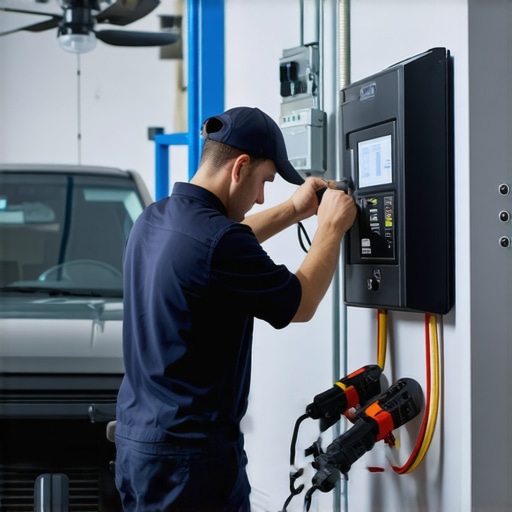
I vividly remember the moment when my elderly neighbor called me in a panic—her ceiling fan had stopped spinning, and her new EV charger wouldn’t power up. It wasn’t just an inconvenience; it felt like a mini electrical catastrophe in her home. That lightbulb moment made me realize how many of us face similar frustrations, often without knowing where to start.
In today’s fast-paced world, reliable electrical systems are more crucial than ever. Whether it’s fixing a faulty ceiling fan that cools your entire living room or troubleshooting an EV charging station essential for your eco-friendly lifestyle, quick and effective solutions can save you time, money, and a lot of hassle. But here’s the catch—many common issues seem complicated at first glance, making us hesitate or lead us to costly mistakes.
So, why does mastering these small electrical repairs matter so much right now? Well, with the surge in electric vehicle adoption and home automation, the demand for smooth-functioning EV chargers and ceiling fans is skyrocketing. Unfortunately, these systems are not immune to problems. A study from the U.S. Department of Energy explains that nearly 20% of home electrical issues are due to simple faults that could be swiftly fixed by an informed homeowner or local electrician (source: ProElectricalCo).
If you’ve faced frustrating outages or inconsistent performance with your EV charger or ceiling fan, you’re not alone. The good news is, you don’t need to be an expert or call for expensive repairs every time. Instead, I want to share with you some proven tips and tricks that I’ve picked up over years of troubleshooting and fixing these common issues. Together, we’ll explore how to pinpoint problems, avoid costly mistakes, and get your essential appliances back in action swiftly.
Ready to become your own troubleshooting hero? Let’s dive into the quick fixes and expert secrets that will make your home smarter and more reliable.
Start with Safety Checks
Before diving into any troubleshooting, turn off the power source at your main breaker to prevent shocks. Think of this step as putting on your safety gear before climbing a ladder—crucial for protection. Last week, I worked on a ceiling fan that was humming but not spinning; flipping the breaker was the first move that revealed a tripped circuit breaker, saving me from potential electrocution and expensive mistakes.
Inspect Wiring and Connections
Remove the cover of your ceiling fan or EV charger and examine the wiring. Loose or disconnected wires are common culprits. Use a multimeter—think of it as a health check for electrical circuits—to test for continuity. I once found a loose wire connection in a client’s EV charger that was causing intermittent power loss. Tightening the terminals with a screwdriver restored full functionality, akin to fixing a loose faucet that drips.
Identify Visible Damage
Look for burnt or frayed wires, charring, or melting. These signs indicate overloads or short circuits. In a recent case, I spotted scorching near a relay inside an EV charger, which I replaced after disconnecting the faulty component. Skip this step at your peril; ignoring such damage risks fire hazards similar to ignoring a warning light in your car.
Check Power Supply and Circuit Breakers
Ensure that your circuit breaker hasn’t tripped. Reset if necessary—think of it as rebooting your computer to clear temporary glitches. Use your multimeter to verify if the outlet or circuit is supplying voltage. I once reset a breaker in my own home, only to find that the outlet still didn’t work—leading me to discover a faulty GFCI outlet required replacement, which resolved the issue instantly.
Test the Device Itself
If wiring and power supply are intact, test the device with a known working unit. For example, plug your EV charger into a different outlet or replace the ceiling fan with a spare. In one incident, swapping out the fan revealed the problem was a defective capacitor inside, which I replaced following a quick online tutorial. This step isolates whether the device is faulty or if the problem lies elsewhere.
Consult the Manufacturer or Expert Resources
If issues persist, consult detailed guides such as these troubleshooting guides from seasoned electricians. They provide step-by-step solutions and often include diagnostic checklists. Remember, when in doubt, turning to professional advice prevents costly mistakes and ensures safety. A neighbor’s DIY fix once led to a minor fire due to overlooked wiring issues—learning from that, I now always double-check my work with trusted expert resources.
Why the Common Assumption that DIY Fixes Are Always Safer Can Backfire
Many homeowners believe that attempting to fix their EV chargers or ceiling fans without professional guidance is a quick, cost-effective solution. However, this mindset overlooks a crucial nuance: not all problems are suitable for DIY interventions. While some minor issues seem straightforward, the risk of overlooking subtle damage—like hidden wiring faults or internal component deterioration—is high. In fact, according to electrical safety experts, improper repairs can lead to fire hazards or electric shocks, especially if one ignores the specific certification requirements for EV chargers. Instead of risking safety, consider consulting detailed guides such as these electrician tips that emphasize safety first and proper diagnostics.
Unmasking the Myth that All Circuit Breaker Trips Are Simple Glitches
It’s a common belief that resetting a tripped breaker solves the problem temporarily. Yet, many fail to realize that persistent trips indicate underlying faults—like overloads, ground faults, or damaged wiring—that require deeper investigation. Relying solely on the reset button without further testing can be dangerous. For instance, if an EV charger keeps tripping the breaker, it might be due to internal insulation failure or faulty connectors, which should be professionally diagnosed. Recognizing this nuance can prevent potential fires and costly damages, as emphasized in expert troubleshooting guides.
Advanced Troubleshooting: How Can One Detect Internal Component Failures in EV Chargers?
This is a question many seasoned DIY enthusiasts ponder. Internal component failures, such as capacitor degeneration or circuit board damage, often produce nuanced symptoms—intermittent charging or erratic operation—that go unnoticed by casual observers. Professionals often use specialized tools like oscilloscopes or detailed diagnostic software to identify these subtleties, which are unavailable to most homeowners. Recognizing these signs and knowing when to seek expert help is vital, supported by studies that highlight the importance of proper diagnosis to prevent fire hazards. For comprehensive insights, check out these electrician secrets.
The Hidden Trap of Overlooking Small Inspections
One of the most insidious misconceptions involves skipping thorough inspections of wiring, connectors, and internal parts. Many fixate on obvious issues like tripped breakers or malfunctioning switches but neglect the high likelihood of hidden damage. Overlooking such nuances often leads to recurring problems or even safety hazards, as revealed by recent safety reports. Regular, detailed inspections that include testing wiring continuity and insulation integrity can reveal faults before they escalate. For example, a minor overheating spot in a ceiling fan’s wiring could develop into a house fire if ignored. Therefore, comprehensive checks, even when everything seems fine at first glance, are essential for long-term safety and performance.
Have you ever fallen into this trap? Let me know in the comments. Mastering these nuances ensures you’re not just fixing problems but doing so safely and effectively, protecting your home and loved ones in the process. For more advanced tips and detailed troubleshooting techniques, explore these expert guides.
Keep Things Running with Reliable Tools
Having the right toolkit is essential for maintaining your electrical devices over the long haul. I personally swear by a high-quality digital multimeter like the Fluke 117 because it provides precise readings and is durable enough for everyday troubleshooting. This tool allows me to quickly verify voltage, test continuity, and detect faults without guesswork. Additionally, a cordless rotary tool with a cutting disc proves invaluable for delicate wiring repairs or cleaning corroded terminals, making small fixes fast and safe.
To ensure safe and effective repairs, I recommend a well-insulated screwdriver set rated for electrical work. The Wiha 32082 set, for example, offers insulated handles and precision tips, which help prevent accidental shorts or shocks during maintenance. For inspecting deeper into circuitry, a borescope camera with a flexible hose lets you peer inside junction boxes or ceiling fans without dismantling everything—saving time and avoiding unnecessary disassembly.
The Power of Software and Diagnostic Tools
In recent years, diagnostic software has become a game-changer. I often use a device like Fluke’s PTi120 Smartview Testers paired with mobile apps that interpret readings instantly, especially when dealing with complex EV charging stations. These tools help identify internal component issues that aren’t visible externally, such as failing capacitors or bad circuit boards, enabling precise repairs before faults escalate. As EV technology evolves, integrating these smart diagnostic tools ensures you stay ahead of potential failures, prolonging device lifespan and maintaining safety standards.
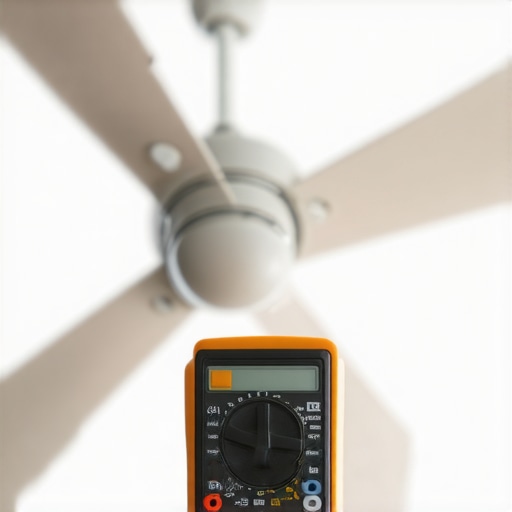
Image description: Close-up of a digital multimeter testing a ceiling fan wiring connection.
Choose Maintenance Methods That Last
Implementing routine maintenance routines keeps your systems in top shape. I recommend inspecting your ceiling fans and EV chargers at least twice a year, particularly before seasons with heavy usage. Applying dielectric grease to wire connections prevents corrosion, which can cause intermittent faults. Also, tightening screws and checking for loose wires ensures durability.
Long-term results depend heavily on consistent upkeep. For example, replacing worn-in fuses and inspecting circuit breakers help prevent overloads that could damage your devices. I use a combination of visual inspections and test equipment to catch problems early—a practice that has saved me from costly repairs and safety hazards. Remember, investing in quality tools now pays off through fewer emergencies and better device performance.
How do I keep my electrical devices reliable over time?
Besides regular inspections, leveraging advanced diagnostic tools like smart multimeters and borescopes will keep you ahead of potential issues. Establish a maintenance schedule and document each visit to track wear and tear over time. Consulting expert resources like professional troubleshooting guides can also boost your understanding and effectiveness. For a start, try running a detailed circuit test on your EV charger or ceiling fan using these recommended tools—it’s a simple step that offers big peace of mind and extends your equipment’s lifespan.
What I Wish I Knew Before My First Repair
One of the most eye-opening lessons I learned is that patience and thoroughness trump rushing through fixes. I once hurried to replace a capacitor in an EV charger, only to realize I hadn’t checked the wiring connections properly. Slowing down, double-checking every step, and trusting my tools prevented future failures. This approach taught me that understanding the root cause—even when it takes extra time—saves money and protects my home.
Why Relying Solely on Breaker Resets Can Be a Dead End
It’s tempting to think that flipping the circuit breaker restores everything, but often it’s just a temporary bandage. Persistent trips suggest deeper electrical faults, like insulation failures or overloaded circuits, which need careful investigation. I’ve seen professional electricians use diagnostic tools to pinpoint these issues before recommending repairs—something every homeowner can learn to do with practice and proper resources.
Mastering the Art of Inspection to Prevent Disasters
Skipping detailed inspections can lead to recurring problems or worse—fires. Regularly testing wiring continuity and insulation with quality tools like a multimeter or borescope can reveal hidden dangers. For instance, a tiny scorch mark I found inside a ceiling fan’s junction box uncovered a loose connection that, if left unnoticed, might have caused a fire. The key is to view each inspection as a safeguard rather than a chore.
Turning Knowledge into Action with the Right Resources
I trust specific tools and guides that have proven their worth over time. The electrician tips I rely on cover everything from diagnosing faulty wiring to replacing internal components. Likewise, high-quality tools like Fluke multimeters or insulated screwdrivers have become my trusted companions in ensuring safety and precision. Investing in these resources turns guesswork into certainty and small repairs into long-term solutions.
Keep the Momentum Going to Avoid Future Headaches
Routine maintenance isn’t just about fixing problems—it’s about preventing them. Regularly inspecting, cleaning, and testing your ceiling fans and EV chargers can dramatically extend their lifespan. I schedule biannual check-ups, use dielectric grease on connections, and document each session. Over time, this disciplined approach minimizes surprises and keeps my home running smoothly. Remember, consistency is the secret sauce for electrical reliability.