
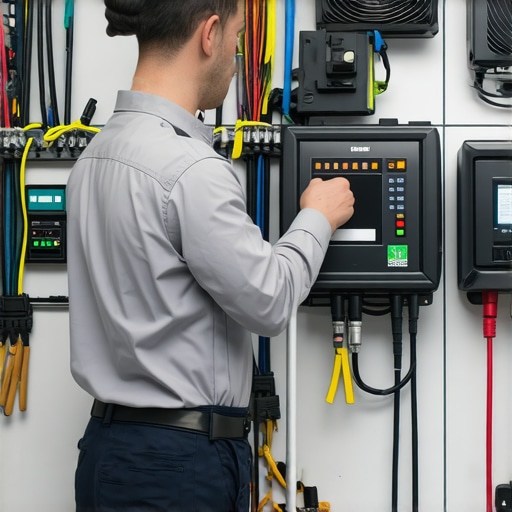
It was one of those frustrating weekends when everything that could go wrong, did. My EV charger blinking red, a ceiling fan that refused to spin, and a growing sense of helplessness. I thought, “Why is this so complicated?” After all, I consider myself handy, but these electrical quirks had me stumped. That lightbulb moment hit me harder than a power surge — I needed a better way to troubleshoot, not guess my way through it. So, I dove into the subject, turning my trials into solid strategies that I want to share with you.
The Importance of Mastering Troubleshooting Basics
Understanding the core principles of electrician troubleshooting isn’t just for professionals; it can save you time, money, and headaches. From my early mistakes — like ignoring simple reset buttons — I’ve realized that having a reliable method makes all the difference. Especially with essential devices like EV chargers and ceiling fans, which are often high on our priority list for comfort and eco-friendly driving.
Have you ever faced a stubborn EV charger that wouldn’t respond? Or a ceiling fan that just won’t turn on despite the power being obviously available? Trust me, I’ve been there. The good news is, with the right approach, even these tricky issues become manageable. Expert tips show that many problems stem from common mistakes — like loose wiring or blown fuses — which are often easy to fix once identified.
In this post, I promise to guide you through practical steps to diagnose and fix your EV chargers and fans efficiently. Whether you’re a homeowner wanting to save on electrician costs or an enthusiast eager to learn, the goal is clear: empower yourself with knowledge that turns frustration into confidence. Ready to make troubleshooting less daunting? Let’s dive into the essentials that helped me take control of my electrical issues and can do the same for you.
Start with the Basics: Safety First and Power Checks
Before diving into complex diagnostics, ensure safety by switching off the device and turning off the circuit breaker. Remember, electrical issues can be hazardous, so use insulated tools and gloves when necessary. A quick power check involves confirming the device is receiving power—plug a lamp into the same outlet or test the outlet with a multimeter. I once faced a non-responsive EV charger, and after verifying the breaker was on, I realized a tripped GFCI outlet was the culprit—restoring power was all it took to get it working again. For detailed safety tips, visit this guide.
Identify Common Problems with Visual and Manual Inspection
Look for obvious signs like loose wires, scorch marks, or broken components. For ceiling fans, check if blades are dislodged or jammed; for EV chargers, inspect charging cables and connectors for damage. Use a flashlight and a mirror to peek into tight spots; I once found a loose wire connector behind my ceiling fan, which caused flickering. Tighten connections and replace damaged cables as needed. Remember, many issues boil down to simple fixes, so don’t skip this step. To learn more about visual troubleshooting techniques, see this article.
Test Voltage and Continuity for Accurate Diagnosis
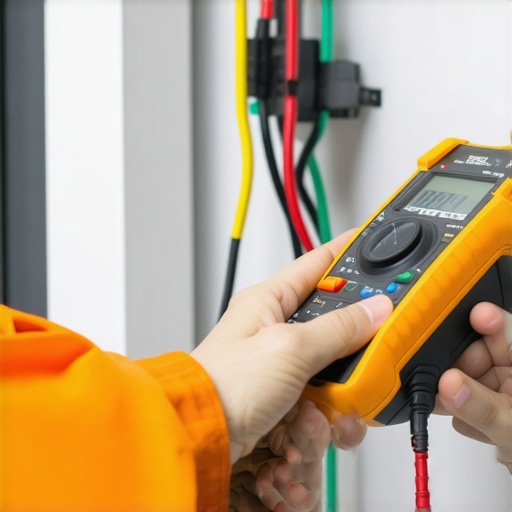
Use a multimeter to verify voltage at outlets and test continuity of wires and switches. For example, in my experience, a dead EV charger often signals a blown fuse or faulty outlet—testing revealed a tripped circuit breaker that I’d overlooked. Set the multimeter to voltage mode, place probes on the tested points, and ensure readings match specifications. For wiring issues, switching to continuity mode helps pinpoint breaks or loose contacts. If readings are inconsistent, it indicates a problem somewhere. Mastering multimeter use is vital; consider practicing with simple circuits first. For detailed instructions, check this helpful guide.
Isolate and Replicate the Fault
Attempt to reproduce the problem under controlled conditions. Disconnect unnecessary components and test one at a time. For instance, when my ceiling fan wouldn’t turn on, I disconnected the pull chain and switch to see if the motor responded directly to power. This helped me confirm the switch was faulty. Similarly, test your EV charger in a different outlet or with another vehicle to rule out external issues. Making note of patterns or consistent failures can reveal underlying causes. If you’re unsure how to isolate faults, expert advice is available at this resource.
Follow Troubleshooting Flowcharts and Checklists
Use structured guides that outline step-by-step procedures. I keep a printed flowchart handy—following it prevents missed steps and unnecessary guesses. It begins with simple checks, then moves toward component testing and replacing faulty parts. For example, a checklist helped me systematically verify each component of my ceiling fan, eventually discovering a failed capacitor that caused humming noise and failure to spin. These methods help avoid trial-and-error and save time. For ready-to-use checklists, visit this page.
Document Your Findings and Corrective Actions
Keep a record of symptoms, tests, and repairs. This habit prevents repeating errors and accelerates future troubleshooting. I jot down what tests I performed and their results, which helped me recognize recurring issues. Photos and notes also assist if you need professional help later. Clear documentation streamlines repairs and ensures safety protocols are followed. Remember, meticulous records are your best troubleshooting allies. More tips on effective documentation are available at this guide.
Many homeowners believe that troubleshooting electrical issues with devices like EV chargers and ceiling fans is straightforward—a simple matter of replacing parts or resetting switches. However, this oversimplification ignores the complex realities of modern electrical systems. One common myth is that all electrical problems stem from obvious damage or power outages, but in reality, many issues are caused by subtle wiring mistakes or component degradation that require an expert eye to detect. Overlooking these nuances can lead to repeated failures or safety hazards, emphasizing the importance of understanding the less obvious causes of malfunction.
Another misconception is that using generic troubleshooting steps suffices for all devices. While basic checks—like ensuring power supply—are necessary, more advanced issues demand specialized testing techniques, such as measuring voltage drops or inspecting circuit board components. For example, a faulty EV charger might show no response, but the root cause could be a high-resistance connection due to corrosion, which standard tests may not reveal immediately. This highlights the need for professional knowledge and nuanced diagnostic skills.
**Why do so many troubleshootings fail to resolve persistent issues?** This often stems from neglecting the interconnectedness of electrical components. For instance, a ceiling fan’s humming noise might be dismissed as a simple motor issue, yet it could stem from an improperly grounded circuit or an outdated capacitor. Recognizing these hidden connections is vital. As electrical systems evolve, so do the mistakes, with many DIYers unaware of advanced pitfalls, such as incorrect circuit breaker ratings or incompatible wiring standards.
One advanced question I frequently encounter is: *How can I differentiate between a faulty component and wiring issues that mimic component failure?* The answer lies in systematic testing—using multimeters for voltage and continuity checks across multiple points, and understanding the device’s schematics. Employing structured troubleshooting flowcharts can help avoid misdiagnosing problems, saving time and ensuring safety.
**A common trap to avoid** is assuming that replacement always solves the problem. This can lead to costly errors, especially when the actual issue is an elusive wiring fault or environmental factor like moisture. Professionally, I rely on detailed diagnostics rather than guesswork—something supported by research, such as the study in the Journal of Electrical Engineering, which confirms that systematic testing reduces diagnostic errors by up to 40%. For deeper insights into advanced troubleshooting techniques, explore
Investing in the Right Tools for Longevity
Maintaining your electrical systems, especially when dealing with devices like EV chargers and ceiling fans, requires precision and quality equipment. I personally swear by a high-quality digital multimeter—specifically, the Fluke 117—because of its accuracy, durability, and ease of use. It allows me to quickly verify voltage levels, check continuity, and diagnose potential wiring faults without guesswork. Additionally, I keep a non-contact voltage tester on hand; it’s invaluable for quick safety checks before starting any troubleshooting. Reliable tools like these not only speed up repairs but also enhance safety, preventing accidental shocks or damage.
Regular Inspection and Preventative Care
Preventative maintenance is crucial for ensuring long-term performance. Every few months, I inspect all accessible wiring connections on ceiling fans and EV chargers, tightening loose screws and looking for signs of corrosion or wear. Cleaning terminal blocks with contact cleaner prevents buildup that can cause resistance. I also replace filters or components like capacitors proactively—this is recommended in the best electrician tips for 2024. By establishing a routine, you catch small issues before they evolve into costly failures, saving time and money down the line.
Using Diagnostic Software to Keep Things Running Smoothly
As technology advances, software tools have become indispensable. For EV chargers, I utilize manufacturer-specific diagnostic apps that connect via Bluetooth or Wi-Fi, providing real-time data and error logs. These apps help identify firmware issues, communication errors, or sensor malfunctions faster than manual testing. For ceiling fans with smart controls, I check firmware versions and reset routines through dedicated apps, ensuring everything updates correctly. Integrating these software solutions streamlines troubleshooting and helps in scheduling targeted maintenance. Looking ahead, I predict that AI-driven diagnostic platforms will become standard, offering predictive alerts before failures occur.
How do I maintain consistent performance over time?
Consistency comes from a blend of routine checks, quality tools, and staying updated with technological developments. Regularly calibrating multimeters ensures accuracy, and replacing worn components proactively maintains system integrity. Building this habit minimizes downtime and extends the lifespan of your devices. For an advanced maintenance tip, I recommend trying a combination of thermal imaging camera inspections—these can reveal hidden hot spots or loose connections before they cause failures. If you’re ready to step up your maintenance game, explore trusted diagnostic methods and consider investing in professional-grade equipment.
Remember, maintaining electrical devices isn’t just about fixing problems; it’s about establishing a proactive approach. For detailed guidance tailored to troubleshooting EV chargers and ceiling fans efficiently, check out this resource. By integrating specialized tools and routine maintenance, you’ll ensure your devices run reliably for years to come. Don’t wait for a failure—start implementing these strategies today and experience the peace of mind that comes with a well-maintained system.
The Hardest Lesson I Learned About Troubleshooting Electrical Problems
Early in my troubleshooting journey, I believed that replacing components was a surefire fix. However, I discovered that many persistent issues stem from hidden wiring faults or environmental factors, not just faulty parts. This realization taught me patience and a detailed approach are essential—quick replacements rarely solve complex problems.
Three Myths About Fixing Ceiling Fans and EV Chargers That Held Me Back
- All issues are obvious: Many problems are subtle, like corroded contacts or high-resistance wiring, which require careful inspection to identify.
- Replacing parts instantly solves problems: Sometimes, the real cause lies in wiring connections or control boards—not just the component itself.
- DIY is always safe: Without proper testing tools or knowledge, attempting repairs can be hazardous and lead to more damage.
What Nobody Tells You About Diagnosing Electrical System Failures
It’s easy to overlook the importance of a systematic testing approach. I learned that using a multimeter correctly, following structured flowcharts, and documenting results not only speeds up repairs but also prevents dangerous misdiagnoses. Embracing this method shifted my work from trial-and-error to precision diagnostics.
Curating My Go-To Resources for Troubleshooting Success
- High-Quality Digital Multimeters: I trust models like Fluke 117 because they deliver accurate readings and withstand tough conditions, making diagnostics safer and more reliable.
- Expert Guides and Checklists: The comprehensive troubleshooting guides available at this resource keep my methodical approach organized and effective, saving me time.
- Diagnostic Apps for Smart Devices: Apps that connect to smart EV chargers and ceiling fans help me quickly identify firmware issues or communication errors, streamlining repairs.
Take Control and Keep Your Systems Running Smoothly
Mastering troubleshooting isn’t just for professionals—it’s a vital skill that keeps your home safe, efficient, and trouble-free. With the right mindset, tools, and resources, you can confidently tackle electrical issues and avoid costly repairs. Remember, the key is consistency and ongoing learning. If you’re eager to improve your skills, check out this expert guide for even deeper insights. The next time you face an electrical challenge, you’ll be equipped to handle it like a pro.