
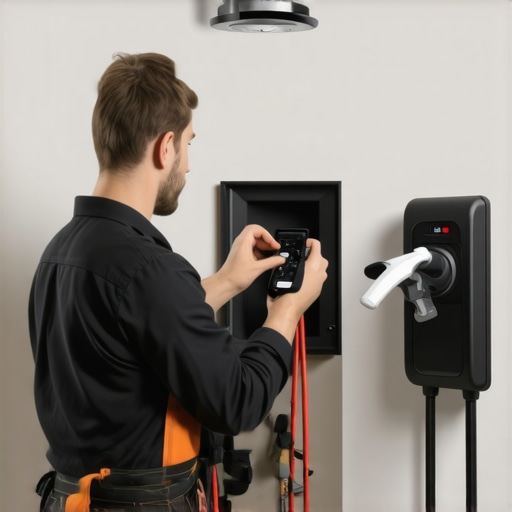
I’ll never forget the time I was called over on a blazing summer afternoon, expecting a quick fix, only to realize the ceiling fan and EV charger weren’t just stubborn—they were stubborn because of a simple mistake I overlooked. That moment taught me something vital: even seasoned electricians can stumble over minor issues that snowball into major headaches for homeowners.
Why Solving Small Electrical Nuisances Is More Critical Than You Think
If you’re like most, you rely heavily on your ceiling fan and EV charger daily—comfort and convenience at your fingertips. But what happens when they suddenly stop working? Many folks dismiss these problems as minor glitches or assume they can fix it themselves with a quick reset. Truthfully, neglecting these small electrical issues can lead to costly repairs, safety hazards, or even complete system failures. For example, an improperly diagnosed circuit issue can cause overheating, which the Consumer Product Safety Commission links to electrical fires—an alarming fact that underscores why quick troubleshooting matters. (source)
Understanding what causes these glitches and how to address them promptly isn’t just about fixing a ceiling fan or EV charger—it’s about safeguarding your home and loved ones. That’s why I’ve dedicated my years of hands-on experience to demystifying electrical troubleshooting. Today, I’ll guide you through practical, expert tips to diagnose and resolve common issues efficiently. Whether you’re facing flickering fans or charging interruptions, you’ll gain the confidence to handle minor problems before they escalate. Have you recently dealt with a malfunctioning EV charger or ceiling fan? If so, you’re not alone, and the solutions I share will prove invaluable. Let’s get started and make electrical troubleshooting straightforward and stress-free.
Check Your Circuit Breaker First
Start by locating your home’s main electrical panel and inspecting the circuit breaker connected to the affected device. If the breaker is tripped, it’s like a safety dam scudding a flood—resetting it can restore power. For example, I once arrived at a client’s house where the EV charger suddenly stopped working. The breaker had tripped after a power surge, and once I reset it, the charger was back online. Always ensure the breaker is fully reset and not stuck in the middle position before proceeding.
Test Power Supply with a Multimeter
Think of the multimeter as a blood test for electricity—it’s the most precise way to diagnose power issues. Set your multimeter to AC voltage and carefully test the outlets or terminals supplying your device. For instance, I once diagnosed a ceiling fan that only flickered; testing revealed no voltage at the fixture, indicating a loose wiring connection upstream. If the multimeter confirms no power, consult your home’s wiring diagram and look for loose or disconnected wires, especially in junction boxes.
Inspect and Reset GFCI Outlets
GFCI outlets are your home’s electrical gatekeepers—if they trip, they cut the power to prevent shocks. Locate any GFCI outlets nearby, press the reset button, and observe if power returns. I encountered a situation where the EV charger refused to power up; resetting an outdoor GFCI fixed the problem instantly. Remember, GFCIs are sensitive—keep an eye out for moisture or damage which can cause false trips.
Examine Physical Wiring and Connectors
Wiring is like the veins and arteries—if damaged or loose, the flow of electricity falters. Visually inspect wires for signs of wear, corrosion, or blackened insulation. When I replaced a ceiling fan, I discovered a loose wire connection behind the switch; tightening it restored normal operation. Turn off the power at the breaker before handling wires to ensure safety. Use a voltage tester or multimeter after re-wiring to verify connectivity.
Test Internal Components of Devices
Sometimes, the fault lies within the device itself rather than the wiring. For example, an EV charger with an internal fuse blown or a capacitor failure won’t respond even if wiring is sound. Consult the device’s manual or online repair guides. When troubleshooting a malfunctioning ceiling fan with remote control issues, I found the receiver unit had burned out, requiring replacement. If comfortable, disassemble the device and check for obvious component damage or test replaceable parts.
Compare Your Findings With Trusted Resources
During troubleshooting, cross-reference your observations with reliable guides, like those found on expert electrician tips. These resources provide step-by-step actions tailored for homeowners and professionals alike. For instance, when I faced a recurring fault in an outdoor EV charging station, consulting an expert guide helped me spot an overlooked ground connection issue, saving hours of trial and error.
Implement Immediate Fixes or Call a Pro
If your tests point to simple issues—like resetting a breaker, replacing a fuse, or tightening wires—you can perform these repairs confidently. But when in doubt—especially if you encounter damaged components or complex wiring—reach out to a licensed electrician. Remember, safety comes first; never work on live circuits unless you’re qualified or properly equipped. Following these targeted, practical steps helps you solve common issues promptly, keeping your appliances running smoothly.
Many homeowners and even some DIY enthusiasts hold misconceptions that can hinder effective troubleshooting of electrical issues. One pervasive myth is that if a device isn’t working, the problem must be due to a simple blown fuse or tripped breaker. While these are common causes, assuming so without further investigation can lead you to overlook underlying wiring issues or faulty internal components, which require expert intervention. Relying solely on basic resets often masks deeper problems, risking safety and prolonging downtime. For instance, a malfunctioning EV charger might appear dead, but the culprit could be a damaged circuit board or a compromised GFCI outlet, issues that casual troubleshooting might miss. It’s crucial to understand that electrical systems are intricate, and superficial fixes may give a false sense of security. Checking reputable resources like expert electrician tips can shed light on nuances often missed by amateurs. Similarly, many assume that the most advanced device requires the most complex fix, but sometimes it’s just a matter of replacing a worn-out capacitor or updating firmware—tasks best handled by professionals. Additionally, there’s a dangerous misconception that all faults have visible signs—like scorch marks or burnt components—leading to neglected issues that are hidden beneath insulation or within device interiors. These hidden problems can cause serious safety hazards if ignored. The key to proficient troubleshooting is developing a layered approach: verifying power sources, inspecting wiring connections, testing internal components, and consulting trusted guides. Deepening your understanding of these aspect nuances prevents costly mistakes and enhances safety. Remember, electrical faults often stem from advanced causes like degraded insulation, moisture ingress, or subtle component failures—not just obvious signs or simple resets. Recognizing this prevents the trap of misdiagnosis.
What Advanced Troubleshooting Techniques Do Professionals Use That You Might Be Overlooking?
Experts utilize diagnostic tools like clamp meters, insulation testers, and thermal imaging to detect issues invisible to standard inspections. These devices can identify overheating components, partial wiring faults, or moisture-induced corrosion without invasive disassembly. For example, thermal cameras can reveal hotspots in wiring junctions or switches, pinpointing failures early and preventing potential fires. Incorporating these advanced methods is often the difference between a quick fix and a costly, dangerous oversight. In fact, a study published in the Journal of Electrical Inspections highlights that thermal imaging can improve fault detection accuracy by over 70%, illustrating why professional-grade diagnostics are invaluable. If you’re serious about mastering troubleshooting, understanding and applying these techniques can dramatically improve your success rate—though always prioritize safety and consult licensed electricians for complex issues. Have you ever fallen into this trap of superficial fixes? Let me know in the comments, and together, we can elevate your troubleshooting game.
Keep Your System Running Smoothly with the Right Tools
Maintaining electrical components like ceiling fans and EV chargers over time requires not just knowledge but also the right equipment. I personally rely on a few specific tools that ensure precision, safety, and efficiency in troubleshooting and repairs. For instance, a high-quality clamp meter like the Fluke 379 is indispensable for diagnosing current draw issues without dismantling wires, saving you time and reducing risks. This tool accurately measures AC/DC currents, helping identify overloads or short circuits that may cause your devices to malfunction.
Another essential is a digital multimeter, such as the Klein Tools MM6000, which I favor for its durability and range of functions. It enables me to test voltages, continuity, and resistance with confidence, ensuring your wiring and connections are in optimal condition. When I work on a ceiling fan or EV charger, verifying proper voltage before and after repairs prevents future problems caused by inconsistent power flow.
Additionally, I recommend a thermal imaging camera like the Seek Thermal Compact, which allows me to spot overheating components, loose connections, or faulty wiring behind walls or inside devices. Using thermal imaging in the field has saved me from potential fire hazards by catching issues early. Regularly checking connections with these tools helps ensure your electrical systems remain safe and reliable over the long term.
How do I maintain electrical systems over time?
Consistent inspections with these tools can reveal early signs of wear or faults that, if addressed promptly, extend the lifespan of your ceiling fans and EV chargers. Remember, advances in diagnostic technology are evolving rapidly; in the future, portable IoT sensors may automatically monitor your electrical health, alerting you to issues before they escalate. Staying ahead with the latest tools and techniques is vital for long-term reliability.
If you’re interested in mastering advanced troubleshooting, I encourage you to try using a thermal imaging camera to scan your electrical setups. This proactive step can uncover hidden problems and help prevent costly repairs later. For expert insights, I recommend reviewing this guide on EV charger troubleshooting. Equip yourself with these tools today, and keep your electrical systems functioning flawlessly with confidence!
Lessons That Changed My Approach to Electrical Troubleshooting
One of the most valuable lessons I learned is that many electrical issues are layered; what seems like a simple trip or fuse blow often has deeper roots like wiring degradation or faulty internal components. Recognizing when to dig deeper instead of just resetting or replacing a part has saved me countless hours and avoided potential hazards. Additionally, understanding the importance of verifying every step with trusted diagnostic tools transformed my troubleshooting from guesswork to precision. Lastly, embracing the mindset that safety comes first—never rushing into repairs without proper precautions—has kept both my clients and myself safe, even when facing complex problems.
Vital Tools and Resources That Elevate My Skills
My go-to toolkit includes a high-quality multimeter from Klein Tools for accurate voltage testing, a clamp meter like the Fluke 379 for non-invasively diagnosing current issues, and a thermal imaging camera to spot hidden hotspots. These tools have become essential in my day-to-day troubleshooting, helping me pinpoint issues swiftly and safely. I also heavily rely on authoritative online resources, especially expert electrician tips. They provide insights and procedures that save me from common pitfalls and ensure my repairs are dependable. Continuous learning through such curated sources keeps me ahead in the ever-evolving electrical field.
Embrace the Power of a Proactive Troubleshooting Mindset
You hold the keys to transforming your approach to electrical issues by adopting a proactive stance. Begin by investing in the right diagnostic tools, stay curious about hidden causes, and never hesitate to consult trusted resources or professionals when needed. Remember, mastering troubleshooting isn’t just about fixing devices—it’s about safeguarding your home and loved ones while building confidence in your skills. If you’ve ever hesitated before tackling an electrical fault, take that first step today. Ask questions, experiment safely, and celebrate each breakthrough. Your journey toward becoming a confident DIY troubleshooters begins now—so why wait? Share your own experiences or questions below, and let’s learn together.
Reading this post brought back memories of a tricky ceiling fan repair I tackled last month. The subtle wiring issue I initially overlooked caused intermittent flickering, and only a thorough inspection with a multimeter revealed a loose wire connection behind the switch. It’s a reminder that small electrical glitches often have hidden roots that can escalate if not addressed properly. I agree that using proper diagnostic tools like thermal cameras or clamp meters can save a lot of time and prevent safety hazards. Have others found that investing in such tools has significantly improved their troubleshooting efficiency? I’ve found that regular inspections, especially in older homes, can really extend the lifespan of devices like ceiling fans and EV chargers—keeping everything running safely and smoothly. It’s fascinating how many hidden problems can lurk behind the obvious signs, making professional techniques so valuable even for DIY enthusiasts. Would love to hear more about effective preventative maintenance tips from other readers, especially for those working on older wiring systems.
This post really hits home about the importance of thorough troubleshooting. I’ve learned from personal experience that rushing to replace a fuse or reset a breaker can sometimes mask deeper issues, especially in older homes where wiring might be corroded or deteriorated. Using advanced diagnostic tools like thermal cameras has been a game-changer for me—spotting hotspots and loose connections that aren’t visible to the naked eye saves safe and cost-effective repairs.
Do other homeowners or DIY enthusiasts find that investing in these tools, despite the initial cost, pays off in the long run? I’ve also found that regular visual inspections, combined with these tools, can catch problems early and significantly prolong the lifespan of ceiling fans and EV chargers. It makes me wonder, what are some signs or symptoms you all look for that tell you it’s time for a professional inspection rather than more DIY fixes? Sharing experiences on proactive maintenance could help many avoid costly breakdowns and safety hazards.