
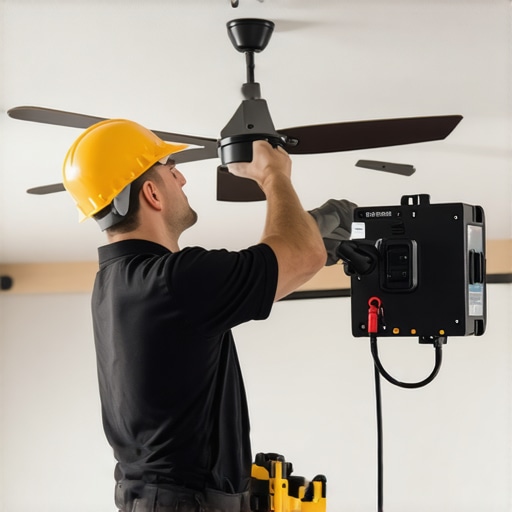
It was a hot summer evening, and I was exhausted after a long day when my ceiling fan suddenly sputtered to a halt. Frustration surged through me—here I was, ready to relax, and my home decided otherwise. Then I remembered how many times I’ve been called by neighbors or clients with similar issues—small problems that seemed big until I knew the right tricks to fix them fast. That lightbulb moment made me realize something essential: understanding quick repair tips can save you time, money, and a whole lot of headache.
Why a Fast Fix Matters More Than Ever
Today, our homes are more connected and energy-dependent than ever. Whether it’s keeping your EV chargers running smoothly or ensuring your ceiling fans operate quietly and efficiently, knowing how to troubleshoot quickly is a game-changer. According to recent studies, nearly 66% of homeowners experience electrical issues annually, many of which can be resolved with simple, expert-guided fixes. But here’s the catch—common mistakes can turn an easy fix into a costly repair, and I’ve made my fair share of those initial blunders early on in my career.
Is DIY Troubleshooting Actually Worth the Hype?
Early in my journey, I thought I could handle most problems myself—until I tried to fix an EV charger without unplugging it properly and caused a short circuit. Not only did I waste precious time, but I also put myself at risk. This taught me the importance of proper knowledge and tools. Now, I’m committed to sharing tips that help you perform quick repairs safely, so you don’t fall into the same trap. Want to learn how to fix ceiling fans and EV chargers swiftly like a pro? Keep reading, because I’ll guide you through proven techniques that have helped countless homeowners save money and improve safety.
Identify the Root Cause with Precision
When tackling an issue, start by narrowing down the problem. For example, if a ceiling fan stops working, check if it’s a power supply issue or a faulty component. I recall a time when I faced a humming ceiling fan that refused to turn on; opening it up, I found a loose wire connection. Ensure your multimeter is calibrated and test voltage at the outlet, just like an expert electrician would. This step prevents unnecessary replacements and guides your repair strategy effectively.
Disassemble Carefully and Systematically
Now, remove the cover or housing to access internal parts. Use the appropriate screwdriver and organize screws in a small container to avoid loss. I once disassembled a ceiling fan, expecting an easy fix, only to find a broken capacitor. Following a systematic approach ensures you don’t overlook hidden issues. When inspecting EV chargers, look for signs of damage or corrosion on connectors and circuit boards; these are common trouble spots explained in expert troubleshooting tips.
Test Components to Pinpoint the Fault
Use your multimeter to test electrical components like capacitors, wires, and switches. For the ceiling fan, check if the capacitor holds charge; if not, replacing it is simple and effective. I replaced a faulty capacitor on my own, following a tutorial, which restored the fan’s quiet operation. Similarly, test the EV charger’s circuitry for shorts or open circuits. This step often reveals faulty relays or damaged control boards, details of which are available in troubleshooting guides.
Replace or Repair Damaged Parts
If you find a component like a capacitor or switch is defective, replace it with an exact or compatible part. When I replaced a worn-out switch in a ceiling fan, I made sure to match the amperage and size, avoiding future failures. For EV chargers, swapping out damaged wiring or faulty modules can be as straightforward as plugging in a new component, provided you follow safety protocols. You can find high-quality replacement parts and detailed instructions at expert repair tips.
Reassemble with Attention to Detail
Carefully put everything back in order, securing screws and reconnecting wires as per original configuration. I once forgot to reattach a wire, which caused intermittent issues; double-checking connections saved me from further troubleshooting. Use a wiring diagram if possible, or consult professional troubleshooting resources. Proper reassembly ensures safety and optimal performance.
Test the Repair and Confirm Success
Power up your device and observe its operation. Check for unusual noises, vibrations, or error signals. A successful fix is rewarding; if issues persist, revisit your tests or consider calling a qualified electrician. Remember, safety comes first—never work on live circuits beyond your comfort zone. For more in-depth techniques, explore electrician-approved methods. With practice, you’ll troubleshoot with confidence, saving time and money.Many homeowners operate under misconceptions when it comes to troubleshooting EV chargers and ceiling fans, often leading to costly mistakes. A common myth is that replacing parts at random will fix the issue—yet, in reality, a systematic diagnosis is crucial. For example, some assume that once a ceiling fan stops working, the motor must be burnt out, but often, loose wiring or faulty switches are to blame. Jumping straight to replacement without testing components can only set you back further. Advanced troubleshooting involves understanding the nuanced electrical signals and behaviors—like interpreting voltage drops or capacitor residuals—which many mistake for simple faults. These subtle signs, if misread, can derail an entire repair process. According to a 2023 report from the National Electrical Contractors Association, precise diagnosis reduces repair time by over 50% and enhances safety. Overlooking this nuance is a common trap; many attempt to fix complex issues based solely on visible symptoms. Instead, safe, efficient repairs demand an in-depth understanding of electrical fundamentals and careful testing. For example, checking voltage levels at multiple points can reveal hidden circuit problems that superficial inspections miss. Also, many believe that ‘more power’ always equals better performance, but overloading circuits or miswiring can cause damage. This is why expert guidance is invaluable—they can help avoid these pitfalls. Are you aware of the advanced nuances that distinguish a quick fix from a costly mistake? Dive into detailed expert tips at this resource or these guides. Remember, mastering these details transforms troubleshooting from guesswork into precision work. Have you ever fallen into this trap? Let me know in the comments.
How do I maintain my electrical systems over time?
Keeping your EV chargers and ceiling fans in peak condition requires more than initial installation; it demands regular maintenance and the right set of tools. I personally rely on a calibrated digital multimeter for accurate voltage and continuity testing. This tool has saved me countless hours by quickly pinpointing faulty wiring or defective components without guesswork. When testing, I always set my multimeter to appropriate ranges and verify its calibration periodically with a known good source to ensure precision.
Another indispensable tool is a non-contact voltage tester. I use it to safely verify the presence of live wires before disassembly, which minimizes risk during troubleshooting. For deeper diagnostics, I opt for a thermal imaging camera, like Fluke’s Ti450, to detect hotspots indicating overloads or failing components—something I highly recommend as it offers visual insights that simple tests can miss.
Software solutions also play a role. For EV chargers, manufacturer apps can often run diagnostic checks remotely or provide firmware updates, ensuring your device benefits from the latest improvements. Regularly updating firmware via these apps can prevent bugs and enhance stability, extending the lifespan of your equipment.
Looking ahead, I believe that automation and IoT integration will become standard in home electrical maintenance. Smart sensors could alert you to issues before they escalate, making proactive care easier and more effective. Embracing these innovations now will prepare you for a more resilient and efficient electrical system in the future.
What is the best way to scale home electrical maintenance without headaches?
Scaling your maintenance efforts involves establishing a routine, investing in versatile tools, and staying informed on the latest electrical standards. I recommend creating a maintenance checklist tailored to your specific devices—checking connections, testing continuity, and updating firmware—at regular intervals. Using tools like a multimeter and thermal camera as part of this routine not only helps catch problems early but also builds confidence in your troubleshooting skills.
Moreover, maintaining a good relationship with a professional electrician can help scale your efforts effectively. They can offer advice, perform complex diagnostics, or handle upgrades that require specialized knowledge. For instance, when increasing your home’s load capacity for EV charging, consulting with an electrician ensures compliance and safety, preventing costly errors.
To streamline long-term results, document your maintenance activities and outcomes. This habit creates a record that can help identify patterns and inform future enhancements. Differentiate your approach by adopting software tools to track repairs and schedule preventive checks automatically. As the trend toward home automation continues, integrating smart monitoring systems will make ongoing maintenance more manageable and less time-consuming.
To get started, try implementing a monthly diagnostic routine using your multimeter and non-contact tester, following guidelines from expert electrician tips. Consistent care today translates into fewer surprises tomorrow and a safer, more reliable home electrical system—an investment worth making.
What I Wish I Knew Before My First Fix
- I learned that even simple troubleshooting requires patience and precision— rushing often leads to unnecessary damage. Taking a moment to analyze the problem thoroughly before disassembly saves time and parts.
- Misdiagnosing issues is common; I once replaced a capacitor that wasn’t faulty, only to find out the real culprit was a loose wire. Always confirm the root cause with proper testing.
- Investing in quality tools, like a reliable multimeter, transforms troubleshooting from guesswork into a systematic process. Trust me, professional-grade tools make a difference.
- Seeking guidance early on can prevent costly mistakes. Joining online forums or consulting expert resources, like this comprehensive guide, can accelerate your learning curve.
- Remember, safety is paramount—working on live circuits without proper precautions can be dangerous. Always verify power is off before disassembly.
Tools That Changed How I Approach Repairs
- A good quality multimeter is indispensable. It helps me quickly identify whether a component is functioning correctly and prevents unnecessary replacements.
- A non-contact voltage tester allows me to safely verify the presence of live wires before touching anything—an absolute must for safe troubleshooting.
- Thermal imaging cameras, like the Fluke Ti series, reveal hotspots indicating overloads or failing components. They’re a game-changer for diagnosing tricky issues.
- Keep a set of replacement parts such as capacitors, switches, and wires handy. Having the right components on hand speeds up repairs and reduces downtime.
- Utilizing manufacturer-specific diagnostic apps for EV chargers can provide remote insights and streamline troubleshooting efforts.
Step Into the Future of Home Fixes
Empowered with expert tips and a nuanced understanding of electrical issues, you can approach repairs with confidence. Regular maintenance combined with smart tools ensures your EV chargers and ceiling fans operate safely and efficiently, prolonging their lifespan and preventing surprises. The journey from hesitation to mastery might seem daunting at first, but each successful fix builds your skills and trust. Keep learning, stay curious, and remember—every problem has a solution waiting to be uncovered. How will you elevate your troubleshooting game today? Share your experiences below and let’s grow together in mastering home electrical care.