
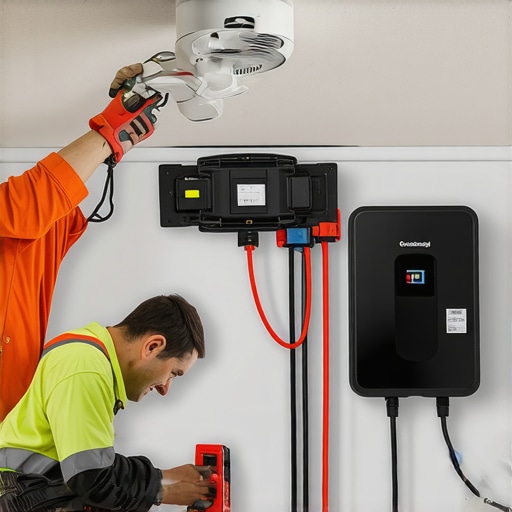
It was late one evening when my ceiling fan suddenly stopped responding, and I realized I didn’t have a clue where to start troubleshooting. Maybe you’ve been there—frustrated, standing in a room with a failing fan or an unresponsive EV charger, feeling overwhelmed. I remember the lightbulb moment when I understood that a few simple electrical troubleshooting tips could save me time, money, and headaches. That experience propelled me into learning every repair trick I could find, and now I want to share those insights with you.
Why Electrical Troubleshooting Matters for Your Home and Car
Every homeowner eventually faces electrical quirks—be it a ceiling fan that won’t spin or an EV charger that refuses to work when you need it most. These issues aren’t just inconvenient; they can point to underlying safety concerns or wiring problems that, if ignored, could escalate into costly repairs or dangerous situations. As a DIY enthusiast and former misadventure-prone amateur, I found that mastering some top electrical troubleshooting strategies can make all the difference. According to the Department of Energy, proper electrical maintenance can improve safety and efficiency in your home—so why risk ignoring small signs of trouble?
Is Fixing Electrical Glitches Really Worth the Hassle?
Honestly, I once thought calling a professional was my only option. But early on, I made the mistake of jumping straight into calling electricians without trying to diagnose the problem myself. It’s a mistake many make—trust me, I’ve been there. The truth is, understanding some fundamental troubleshooting tips, like checking circuit breakers or testing connections, can empower you to identify issues swiftly. If you’re skeptical, I get it. That’s why I encourage you to explore trusted resources, like this expert guide, which breaks down quick fixes in plain language.
So, if you’re tired of the recurring fan or charger problems disrupting your routine, stick around. We’ll dive into proven troubleshooting techniques that save time and keep your home running smoothly. Whether it’s diagnosing a short circuit or resetting a stubborn breaker, these tips are designed for real people facing real problems—just like you and me. Ready to take control and fix those pesky electrical issues once and for all? Let’s get started with the basics that every homeowner should know.
Perform a Visual Inspection to Spot Obvious Problems
Start by turning off the power at your circuit breaker to ensure safety. Remove the access panel on your ceiling fan or EV charger and look for loose wires, burnt components, or disconnected plugs. I once found a frayed wire near my ceiling fan that caused it to stop responding. Carefully straighten or reconnect any loose wires, and replace burnt components. This quick check often resolves simple issues and prevents further damage.
Test Circuit Breakers and Reset Tripped Breaks
Think of your circuit breaker as a switchguarding your home from electrical overloads. If your fan or charger isn’t working, check the breaker box for tripped switches—these are usually in the middle position. Flip the switch off, then firmly back on. In my experience, a tripped breaker can be the root cause of intermittent failures. If cycling the breaker doesn’t restore operation, proceed to test the outlet voltage.
Use a Multimeter to Verify Power Supply
Using a multimeter is like taking your home’s pulse—it tells you if power is reaching your device. Set it to AC voltage, and carefully measure across the outlet terminals. A healthy outlet reads around 120V in the US. If there’s no power, the problem might lie upstream—faulty wiring or a failed GFCI outlet. I once replaced an outlet after confirming it wasn’t delivering power, which fixed my EV charger issue quickly.
Assess the Internal Components of Your Appliances
Once power supply is confirmed, open your ceiling fan or EV charger and examine the internal components—capacitors, switches, and relays. Capacitors store energy and can fail over time, causing the device to stop working. I replaced a faulty capacitor on my fan’s motor, restoring its spin immediately. Use a multimeter to test continuity or capacitance, referencing the manufacturer’s specifications.
Test the Switches and Remote Controls
Sometimes, the issue isn’t wiring but a simple switch or remote malfunction. Disengage and reconnect switches, or replace batteries in remote controls. I learned that a worn-out switch in my ceiling fan was preventing operation, so replacing it was a fast fix—saving me hours of guesswork.
Check for Overloads or External Interference
Electrical devices can malfunction due to overloads or interference. Avoid plugging multiple high-power devices into a single outlet or power strip. If your EV charger experiences frequent disconnects, consider relocating or upgrading your circuit. I faced recurring issues with my charger when sharing a circuit with other large appliances; splitting the load solved the problem. For detailed guidance, you can refer to this troubleshooting resource.
Document Your Troubleshooting Steps
Keep notes of what you’ve checked, measurements taken, and parts replaced. This helps avoid repeating steps and provides useful information if you need professional help later. I found that documenting my fixes prevented me from making unnecessary adjustments, especially when troubleshooting multiple devices.
When to Call a Professional
If these steps reveal a wiring issue beyond your comfort level, damaged circuit breaker, or persistent problem despite your efforts, it’s time to consult a licensed electrician. Attempting complex repairs without proper knowledge can be dangerous. Remember, a quick call to a professional, like those featured in this expert guide, ensures safety and long-term reliability for your electrical systems.
Many homeowners and even seasoned DIYers fall into traps when diagnosing electrical issues, often based on misconceptions that can complicate repairs or lead to dangerous mistakes. One widespread myth is that all circuit breakers are interchangeable or that flipping a breaker off and on resets the entire system. In reality, some breakers are specific to certain circuits or devices, and assuming otherwise can mask underlying problems. For example, a tripped breaker might indicate a short circuit or overload that requires more in-depth troubleshooting instead of just resetting it blindly. This mistake often delays fixing the actual issue and can pose safety risks.
Another common error involves relying solely on visual inspection to identify faulty components in devices like ceiling fans or EV chargers. While visuals can reveal burnt wires or obvious damage, some failures are internal and not apparent externally—such as a degraded capacitor or defective switch. Taking shortcuts here can lead to false conclusions, so it’s crucial to use tools like a multimeter to confirm component health. Overlooking this step can prolong the problem or cause incorrect replacements, which is why understanding how to interpret multimeter readings is a vital skill for advanced troubleshooting. For detailed insights, exploring this expert guide can upgrade your diagnostic approach.
Are There Hidden Nuances That Trip Up Even Experts?
Yes—one often-overlooked aspect in troubleshooting is the influence of external factors like external interference or load fluctuations. For instance, many forget that an EV charger or ceiling fan can malfunction due to power surges, faulty grounding, or even nearby electromagnetic interference. These issues aren’t always fixable through simple component replacement but require a nuanced understanding of the entire electrical environment. Studies show that improper grounding or wiring errors are responsible for a significant percentage of electrical failures in residential setups, according to a report by the Electrical Safety Foundation International. Recognizing these subtleties helps prevent recurring problems and ensures safety. If you’re interested in deepening your understanding, this resource offers expert insights into these advanced issues.
Furthermore, many get wrong the timing of when to call a professional versus when to keep troubleshooting. While DIY fixes are empowering, pushing into complex fault zones involving wiring or panel replacements without proper training is hazardous. Knowing your limits—and recognizing the signs that require professional intervention—can save time and prevent accidents. Remember, like all complex systems, electrical setups have their quirks. Achieving mastery involves understanding both the mechanical and environmental factors that contribute to failures. Have you ever fallen into this trap? Let me know in the comments.
How Do I Keep My Electrical Equipment Running Smoothly Over Time?
Maintaining your ceiling fans and EV chargers isn’t just about fixing issues when they arise; it’s about adopting a proactive approach with the right tools and routines. I personally rely on a high-quality digital multimeter, like the Fluke 115, because of its precision and durability. This device allows me to quickly verify power supply, check continuity, and test capacitors with confidence, reducing guesswork and preventing unnecessary replacements.
Beyond a multimeter, I invest in a reliable non-contact voltage tester—an essential for safely checking live wires before handling components. I also keep a dedicated set of small screwdrivers and wire strippers for delicate work, ensuring I don’t damage sensitive parts during inspections or repairs. In my experience, having a set of magnetic screwdrivers speeds up work by preventing dropped screws inside fixtures, especially in tight spaces.
For documenting my troubleshooting efforts and component readings, I use a portable notebook app synchronized across devices. Keeping track of what has been checked helps me avoid redundant steps and provides a clear history for future reference or when consulting a professional.
What Maintenance Routines Help Extend the Life of Your Electrical Devices?
Simple routine checks can catch potential problems early. Every three to six months, I open and inspect my ceiling fan and EV charger for loose wires, dust buildup, or signs of wear. Using the multimeter, I verify that the wiring continues to deliver proper voltage levels, especially after storms or power surges. This habit helps prevent unexpected failures and keeps the devices running efficiently.
Another key aspect is updating firmware where applicable—some modern EV chargers support remote updates that can improve performance or security. Regularly checking for manufacturer updates ensures your equipment benefits from the latest enhancements.
Additionally, I recommend installing surge protectors on your main electrical panel, which safeguard your devices against voltage spikes. This investment can dramatically prolong the lifespan of sensitive components in your ceiling fan or charger, saving money and frustration over the long term.
Which Software or Apps Support Ongoing Troubleshooting?
While most troubleshooting revolves around physical tools, software can provide remote diagnostics or wiring diagrams. For example, many EV chargers come with manufacturer apps that display diagnostics and error logs, giving clues on issues without opening the device. For manual reference, I keep detailed PDFs of wiring schematics and troubleshooting guides, such as electrician tips, stored on my tablet for quick access.
Looking ahead, I predict that AI-driven diagnostic apps will become more integrated, allowing homeowners to get step-by-step troubleshooting advice based on real-time data. Investing in learning how to use these tools now can pay dividends as technology evolves.
Ready to Up Your Troubleshooting Game?
One advanced tip I recommend trying is installing a smart circuit breaker that monitors electrical loads and detects anomalies early. These devices can send alerts to your phone, helping prevent overloads or wiring failures before they cause damage. For practical guidance, check out this expert resource. Don’t wait until your device fails; proactive maintenance is the key to keeping your electrical systems reliable and safe for years to come.
What I Wish I Knew About Electrical Troubleshooting When I Started
One of the most valuable lessons I encountered was realizing that many electrical problems have straightforward solutions if you approach them systematically. Jumping straight to replacing parts or calling an electrician can be tempting, but taking a moment to inspect, test, and understand the root cause saves time and money. I also learned that patience and attention to detail often uncover issues invisible to the naked eye, like loose wiring or hidden damage.
The Power of a Good Toolkit and How It Changed My Troubleshooting Game
Investing in quality tools like a reliable multimeter and non-contact voltage tester turned every repair into a manageable task. These tools provide peace of mind and precise diagnostics, reducing guesswork. I found that learning how to interpret readings correctly was as crucial as owning the tools—they become your trusted partners during every troubleshooting session. For instance, confirming a voltage drop with a multimeter prevented unnecessary repairs and pointed me directly to the issue.
Overcoming My Fear of Wires and Circuit Boards
Early on, the thought of opening up ceiling fans and EV chargers was intimidating. I feared causing more damage or personal injury. But I discovered that with proper precautions and basic knowledge, I could safely inspect internal components. Understanding safety protocols and starting with simple tests demystified the process and built my confidence. This shift from hesitation to curiosity was a turning point in my troubleshooting journey.
Knowing When to Call in the Experts
Despite my efforts, I learned to recognize the limits of DIY troubleshooting. Complex wiring issues, panel repairs, or persistent problems beyond basic fixes require professional expertise. Not only does this ensure safety, but it also prevents long-term damage. I now see calling a trusted electrician as an investment rather than a cost—using reliable resources like this guide has helped me identify the right moments for professional help and avoid unnecessary risks.
How Embracing Uncertainty Led to Deeper Understanding
Initially, troubleshooting felt overwhelming, especially when simple fixes didn’t work. Embracing the uncertainty and viewing each problem as a puzzle transformed my mindset. I started documenting every step, which clarified patterns and helped me learn more about my electrical systems. This approach also made me more patient with the process, turning frustration into satisfaction when I finally unmasked the cause of an elusive issue. My advice? View troubleshooting as an ongoing learning experience—every fix makes you a better DIYer and safer homeowner.
My Essential Toolkit for Troubleshooting Ceiling Fans and EV Chargers
A sturdy multimeter like the Fluke 115 is my number-one tool, offering accurate readings to diagnose voltage issues, capacitor health, and continuity. A non-contact voltage tester adds an extra layer of safety, helping me verify live wires before handling them. Small screwdrivers, wire strippers, and magnetic bits speed up work and prevent accidental damage. Keeping a well-organized toolkit means I’m always ready to diagnose problems quickly, whether it’s a flickering ceiling fan or a stubborn EV charger. For additional guidance, exploring comprehensive resources like this expert guide has been invaluable.
Create a Routine to Keep Electrical Systems Healthy
Regular inspections and maintenance routines have extended the lifespan of my devices. Checking for loose wires, dust buildup, or signs of wear every few months helps catch issues early. Upgrading firmware, installing surge protectors, and verifying consistent power supply contribute to overall safety and efficiency. Developing these habits turns troubleshooting from reactive repairs into proactive care, giving me peace of mind and saving money over time. Remember, a little preventive work can prevent big headaches later.
Don’t Let Fear Prevent You from Taking Control
The journey into electrical troubleshooting is as much about mindset as tools. Empowering yourself with knowledge and safety practices makes repairs approachable. While some issues require professional expertise, many common problems can be resolved confidently with patience, proper tools, and resources like trusted guides. Embrace the learning curve—you might be surprised at what you can fix on your own and how much safety and satisfaction it brings.
What has been your biggest electrical troubleshooting breakthrough? Share your experience below—I’d love to hear how you tackled your toughest ceiling fan or EV charger challenge!
,
This article really resonated with me, especially the part about not jumping straight to calling a professional. I remember the first time my ceiling fan stopped working, and I was tempted to panic. Instead, I took a systematic approach—checking the breaker, inspecting wires, and testing connections. It turned out to be a loose wire that I was able to fix myself, saving both time and money. I appreciate the emphasis on safety and thoroughness, particularly using a multimeter to verify power even before handling components. For beginners, what would you say is the most common mistake that leads to unnecessary repairs or safety hazards? Over the years, I’ve learned that patience and methodical troubleshooting really make a difference, especially with complex devices like EV chargers that can be tricky to diagnose without proper tools.