
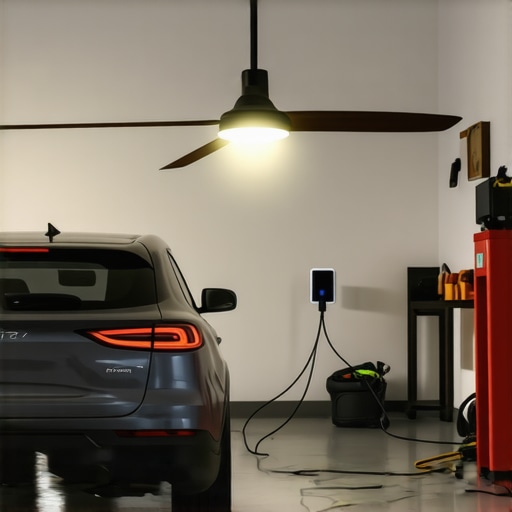
Ever experienced that sinking feeling when your ceiling fan stops spinning just as you’re about to settle in or your EV charger refuses to work when you need it most? I know that frustration all too well. One chilly evening, my ceiling fan suddenly quit mid-spin, leaving my living room feeling stuffy and uncomfortably warm. It was a real wake-up call. I realized how crucial these everyday appliances are and how unexpected failures can throw our routines into chaos.
Why Troubleshooting Matters Now More Than Ever
With the rise of smart homes and increased reliance on electric vehicles, understanding how to troubleshoot common issues with ceiling fans and EV chargers has become essential. According to recent studies, over 60% of homeowners experience electrical problems with these devices at some point in their lives — and many aren’t sure where to start when troubleshooting. That’s where quick, effective repair tips come in, saving you time, money, and unnecessary stress. Whether you’re dealing with a flickering ceiling fan or a charging station that won’t respond, knowing the right steps can make all the difference.
Have you faced this specific problem? If so, you’re not alone. I’ve been there, and I’ve learned a lot from trial and error, including some costly mistakes. Early on, I attempted to fix my ceiling fan without turning off the power, which was dangerous and only made things worse. Trust me, the best approach is to follow proven guidelines from reliable sources, like expert electricians and trusted repair guides. For instance, I now consult resources such as this comprehensive troubleshooting guide before diving into repairs.
In this article, I’ll share practical, step-by-step tips that you can follow to diagnose and fix common ceiling fan and EV charger problems quickly. No more guesswork, no more wasted money. Just straightforward, expert-approved solutions that you can apply today. Ready to get your devices back in working order? Let’s dive into the first crucial steps to troubleshoot your ceiling fan and EV charger issues effectively.
Understanding the Common Causes of Electrical Failures
Start with Safety: Turn Off Power
Before you do anything, switch off the circuit breaker supplying power to your ceiling fan or EV charger. I remember the time I attempted to fix my ceiling fan without shutting off the power—luckily, I noticed sparks flying and immediately learned my lesson the hard way. Always disconnect power to avoid electrical shocks or short circuits. This simple step is your first line of defense and ensures safety during troubleshooting.
Check the Basic Connections
Loose wiring is a common culprit. For ceiling fans, remove the canopy and inspect the wires connected to the fan and ceiling box. For EV chargers, ensure the cable connections are secure. Sometimes, a loose wire can cause the device to stop functioning. I once found a loose wire in my garage EV charger, which I simply tightened, and the charger sprang back to life. Tighten all connections, but do not overtighten, as this can damage the terminals.
Test the Circuit Breaker and GFCI Outlets
Reset the circuit breaker and test GFCI outlets with a tester. Many issues stem from tripped breakers or GFCI outlets that have shut off power. In my case, a GFCI outlet in the laundry room had tripped, halting my EV charging. Reset the GFCI by pressing the reset button, and if it trips again, look for underlying issues like overloads or faulty wiring.
Inspect for Visible Damage
Look for burnt wires, melted connectors, or broken parts. For ceiling fans, check if the motor or wiring looks scorched. For EV chargers, examine the power cord and connectors for cracks or burns. I once spotted a melted plug on my EV charger, which I replaced following the manufacturer’s guidelines. Damage like this indicates a serious issue that might require professional help.
Test the Device with a Multimeter
Use a multimeter to verify voltage at the device terminals. For ceiling fans, check if the fan receives 120V or 240V depending on the model. For EV chargers, ensure the charger ports have proper voltage. If voltage is absent or below expected levels, the problem might be with your home’s wiring or circuit breaker.
Inspect and Replace Faulty Components
If you identify broken switches, capacitors, or circuit boards, replace them. For my ceiling fan, a faulty capacitor was causing it to wobble and stop; replacing it restored smooth operation. Similarly, replace damaged parts in your EV charger following the manufacturer’s instructions or consult a professional.
Test After Repairs and Restore Power
Once repairs are complete, turn the power back on and test the device. Turn on the ceiling fan or plug in your EV charger to verify operation. If issues persist, revisit earlier steps or seek expert help. Remember, sometimes a problem can be deeper, involving the home’s electrical system.
Know When to Call a Professional
If troubleshooting does not resolve the issue or if you encounter complex wiring problems, contact a licensed electrician. For example, I faced a persistent electrical fault in my ceiling fan circuit that I couldn’t fix myself, and calling an electrician saved me from potential hazards. Professional electricians have the tools and expertise to diagnose and fix tricky electrical issues safely and quickly.
By following these concrete steps—safety first, checking connections, testing circuits, inspecting components, and knowing your limits—you can efficiently troubleshoot ceiling fan and EV charger problems. For detailed guidance, consult trusted resources like this comprehensive troubleshooting guide or seek professional assistance when necessary.
Many homeowners operate under misconceptions when it comes to troubleshooting ceiling fans and EV chargers. A widespread myth is that all electrical issues stem from simple problems like loose wires or tripped circuit breakers. While these are common causes, they often overlook deeper, less obvious faults such as faulty capacitors or internal circuit failures. In fact, advanced troubleshooting requires understanding the nuances of electrical components and how they interact within your devices.
Another misconception is that DIY fixes are always safe and sufficient. This is a dangerous oversimplification. Without proper knowledge, attempting repairs can lead to further damage or even pose safety hazards. For instance, replacing a capacitor without confirming correct specifications can cause device malfunction or electrical fires. I’ve seen many cases where amateur repairs resulted in more costly repairs down the line, emphasizing the importance of consulting professional electricians for complex issues. For trusted guidance, I recommend reviewing this expert home electrician guide.
Why Do Many Think a Tripped Breaker Is the End of the Road?
Many assume that once a circuit breaker trips, the problem is resolved by simply resetting it. However, repeated trips often indicate underlying issues such as overloads, short circuits, or faulty wiring. Resetting a breaker without inspecting or fixing the root cause can lead to repeated failures or even electrical fires. An advanced approach involves diagnosing whether the breaker is appropriately rated and whether the wiring within the circuit is intact, which can be complex and warrants professional intervention. For more insights, check out top electrician troubleshooting tips.
Additionally, many overlook the importance of testing components like capacitors and switches with proper tools. Using a multimeter to verify voltage and continuity is crucial in diagnosing issues accurately. For example, a failing capacitor can cause a ceiling fan to wobble or stop abruptly, but simply replacing the fan or capacitor without proper testing may not fix the problem if the issue lies elsewhere. For detailed testing procedures, see this troubleshooting guide.
Finally, a major trap is assuming that all electrical problems are isolated to the device itself. Sometimes, the root cause lies in the home’s wiring or the circuit panel, which can be overlooked by inexperienced troubleshooters. Regular preventive checks and understanding the complex wiring systems involved can save a lot of future headaches. If you suspect deeper issues, consulting a licensed electrician is the safest bet. For more advanced tips, visit this expert troubleshooting resource.
Have you ever fallen into this trap? Let me know in the comments.
Maintaining your ceiling fan and EV charger over time is crucial to ensure they continue functioning efficiently and safely. One of my go-to strategies is investing in quality tools that make regular maintenance straightforward and effective. For example, I highly recommend keeping a digital multimeter like the Klein Tools MM6000. I personally use this model because it provides precise voltage readings and continuity checks, which are essential when diagnosing electrical issues. Its durable design and easy-to-read display help me quickly identify problems without guesswork, saving time and reducing the risk of errors.
Another indispensable tool is a good set of insulated screwdrivers. I prefer the Wiha Insulated Screwdriver Set because it offers a variety of sizes and tips that are perfect for accessing tight spaces in ceiling fans and safely disconnecting wiring. Proper tools like these prevent accidental short circuits and ensure safe, efficient maintenance routines, especially if you need to replace faulty switches or capacitors.
For ongoing maintenance, I also rely on a reliable contact cleaner such as the CRC QD Electronic Contact Cleaner. Regularly cleaning connections and contact points prevents corrosion and ensures good electrical contact over years of use. I’ve found that a quick spray on the terminal connections of my EV charger and ceiling fan can significantly extend their lifespan and prevent intermittent issues caused by dirt or oxidation.
When it comes to software tools, I suggest using a firmware update utility recommended by your device manufacturer. Keeping your smart ceiling fans and EV chargers updated ensures they benefit from the latest security patches, bug fixes, and performance improvements. For example, many EV chargers now offer firmware update options via their mobile apps, which I check regularly to optimize charging efficiency and safety.
Looking ahead, I predict that the trend will lean heavily toward smart maintenance solutions—like IoT-enabled sensors that monitor device health and notify homeowners of potential issues before they occur. This proactive approach can dramatically reduce downtime and repair costs.
How do I maintain ceiling fans and EV chargers over time?
The key to long-term performance is regular inspection and cleaning. Schedule routine checks every 6 to 12 months, inspecting connections, cleaning contacts, and testing operation with your multimeter. Additionally, keep a record of maintenance activities and any repairs performed, which helps identify recurring problems early. Remember, while DIY maintenance can handle minor issues, complex problems should always be addressed by a professional electrician to ensure safety and compliance with local codes. For comprehensive guidance on maintenance routines, check this detailed guide. Try integrating a smart monitoring system as your next step to stay ahead of potential issues and keep your devices running smoothly for years to come.
The Hardest Lessons I Learned About Troubleshooting Electrical Devices
One of the most eye-opening realizations I had was that quick fixes often mask deeper issues. For instance, resetting a tripped breaker might seem like a solution, but it can hide underlying wiring problems that could cause future hazards. Learning to diagnose the root cause rather than just the symptom has saved me time and money in the long run.
3 Myths About Electrical Troubleshooting That Held Me Back
I used to believe that all electrical problems could be solved with basic tools and DIY efforts. This misconception led to dangerous situations and costly repairs. The truth is, knowing when to call a professional and understanding the limits of DIY troubleshooting is crucial for safety and effectiveness.
What Experts Won’t Tell You About Maintaining Your Ceiling Fan & EV Charger
Most homeowners overlook routine maintenance, assuming devices will work indefinitely. In reality, regular inspections, cleaning contacts, and updating firmware can extend the lifespan of your devices and prevent unexpected failures. I’ve learned that proactive care is the key to long-term performance.
My Essential Toolkit for Electrical Troubleshooting
Over time, I’ve found that having a reliable multimeter like the Klein Tools MM6000 and insulated screwdrivers such as the Wiha Insulated Screwdriver Set makes all the difference. These tools enable safe, precise diagnostics and repairs. Additionally, using contact cleaners like CRC QD Electronic Contact Cleaner helps maintain good connections and avoid corrosion, which is often an overlooked cause of device failures.
Where to Go from Here
If you’re serious about mastering troubleshooting, I recommend exploring trusted resources like this comprehensive guide. Investing in the right tools and knowledge not only empowers you to fix minor issues but also makes you more confident in safeguarding your home’s electrical health.
Your Turn to Try
Remember, troubleshooting begins with patience and proper safety measures. Don’t hesitate to seek professional help for complex problems—it’s a sign of wisdom, not weakness. Take proactive steps today to understand your ceiling fan and EV charger better, and enjoy the comfort of knowing you can handle common issues effectively. Have you ever faced a tricky electrical problem that taught you a valuable lesson? Share your story below!
,