
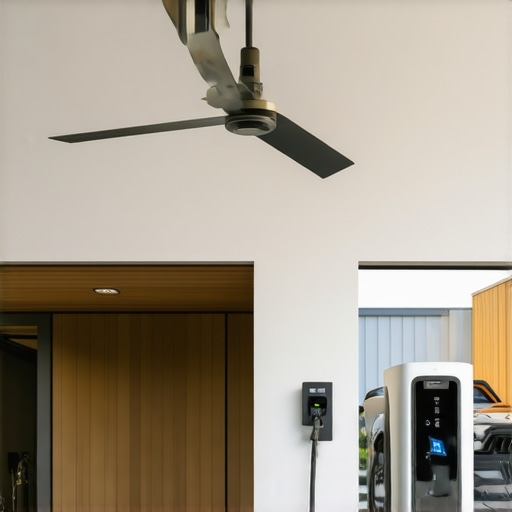
I remember the day I got that new ceiling fan installed in my living room. Everything looked perfect until—nothing. No breeze, no whirring. Turns out, I’d wired it incorrectly, and troubleshooting it turned into a day-long ordeal. That moment hit hard—just how frustrating and time-consuming dealing with electrical issues can be, especially when you’re juggling the demands of everyday life. And it’s not just ceiling fans. My EV charging station also decided to play hard to get the same week. Facing both problems back-to-back made me realize one thing: quick, reliable solutions are a must.
Why Handling Ceiling Fan and EV Charger Glitches Really Matters Right Now
In 2024, our homes are more electrified than ever. Ceiling fans are essential for cooling off fast, and EV chargers are becoming a daily driver for eco-conscious drivers. But what happens when they stop working? Delays or failures can compromise comfort and convenience—and let’s be honest, waste your precious time. According to a survey by the National Electric Manufacturers Association, nearly 60% of homeowners have faced electrical issues that needed prompt attention, yet many delay repairs due to worry about costs or feeling unsure about DIY fixes. This hesitation often leads to bigger problems down the road. That’s why knowing swift solutions that actually work can save you both money and stress. If you’ve recently faced a frustrating glitch with your ceiling fan or EV charger, you’re not alone. Trust me, I’ve been there. Luckily, I’ve picked up some tried-and-true tricks that I want to share to help you troubleshoot efficiently. For trusted tips and step-by-step fixes, check out professional guidance at [Fast electrician solutions for troubleshooting EV chargers and ceiling fans in 2024](https://proelectricalco.com/fast-electrician-solutions-for-troubleshooting-ev-chargers-ceiling-fans-in-2024). Now, let’s dive into how you can start fixing these issues today—for good.
Start with Safety and Initial Checks
Before diving into any fixes, switch off the power at your circuit breaker to avoid electric shocks. This is like turning off a water valve before fixing a leak—crucial for safety. Check if the device is receiving power; for ceiling fans, verify the wall switch and circuit breaker. For EV chargers, ensure the outlet has power using a multimeter or a simple device like a lamp. I recall a time when I thought the charger was dead until I tested the outlet—it turned out the breaker had tripped. Once power is confirmed, proceed to reset or replace if necessary.
Inspect and Reset Connections
Loose wiring is a common culprit. For ceiling fans, remove the fan’s canopy to access wiring connections; tighten any loose wires using a screwdriver. Think of wiring as the veins of a house — if they’re loose or broken, the whole system falters. For EV chargers, check the AC plug and cable for frays or damage. Sometimes, simply disconnecting and reconnecting plugs can restore functionality, as I learned during a quick fix after cable corrosion caused a disconnect. Use a voltage tester to verify connections are live and secure.
Test Components and Replace Faulty Parts
If the basic checks don’t resolve the issue, test individual components. For ceiling fans, test the pull chain switch, capacitor, and wiring continuity with a multimeter. Capacitors can fail over time, causing the fan to not start or spin weakly. For EV chargers, verify contactors, circuit boards, and fuses—burned fuses or faulty contactors are common failures. I once replaced a capacitor in a ceiling fan that had a *horrible* buzzing noise, and that fixed the problem instantly. Remember, if you’re unsure about testing electrical parts, consult a professional or explore reliable resources like [expert electrical troubleshooting tips](https://proelectricalco.com/troubleshooting-electrician-tips-for-fix-ev-chargers-ceiling-fans).
Check External Factors and Environmental Conditions
External causes like high humidity, dust, or poor ventilation can impact performance. For ceiling fans, ensure blades are clean and unobstructed, and bearings aren’t worn out. For EV chargers, check that the environment isn’t too humid or dusty, which can cause circuit corrosion or short circuits. I remember cleaning the dust out of my charger’s vent holes, which improved cooling and operation. Keeping appliances in good condition extends their lifespan and reduces troubleshooting frequency.
Monitor After Repairs and Test Functionality
After completing fixes, restore power and test the device multiple times. For ceiling fans, turn them on with different speed settings to ensure functionality. For EV chargers, try charging your vehicle and observe operation for a few cycles. If issues persist, revisit earlier steps or consult detailed guides like [ceiling fan and EV charger troubleshooting tips from trusted electricians](https://proelectricalco.com/ceiling-fan-ev-charger-troubleshooting-tips-from-trusted-electricians-2). Remember, careful observation is key; identify patterns or anomalies during testing.
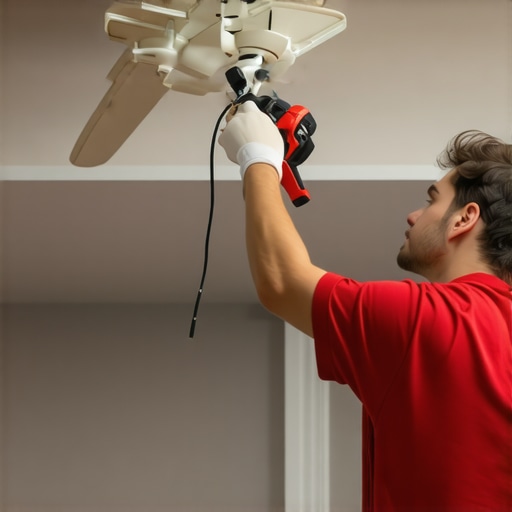
Picture showing an electrician inspecting wiring inside a ceiling fan canopy, demonstrating proper wiring checks and safety measures.
Many homeowners believe that fixing ceiling fans or EV chargers is straightforward—simply follow a checklist, and you’re set. However, this oversimplification often leads to underestimating critical nuances that can make or break a successful repair. A common myth is that all electrical issues originate from obvious faults like blown fuses or loose wires. In reality, the root causes can be far more subtle, involving complex component interactions or environmental influences. For instance, electromagnetic interference or minor corrosion can subtly impair device function, which is often overlooked by novices but crucial for advanced troubleshooting. As expert electricians emphasize, understanding these nuanced factors is essential for a durable fix, not just a temporary patch. For those eager to elevate their troubleshooting skills, exploring trusted sources like troubleshooting electrician tips can provide invaluable insights.
How do hidden environmental variables influence electrical device failures?
External conditions such as humidity, dust, and temperature fluctuations can subtly degrade electrical contacts or insulate components improperly, leading to intermittent faults. A high-humidity environment may cause condensation inside outlets or chargers, resulting in corrosion or short circuits over time. Dust accumulation can insulate contacts, causing voltage drops that impair function. Recognizing these factors shifts the troubleshooting approach from mere internal inspection to a holistic environmental assessment, significantly increasing repair longevity. Studies from electrical safety agencies highlight that neglecting environmental influences accounts for a substantial percentage of recurring issues. Therefore, a comprehensive diagnostic includes evaluating external conditions, ensuring devices are in suitable environments, and applying preventive measures like regular cleaning and ventilation maintenance. Such nuanced understanding is what distinguishes a seasoned electrician from an amateur. Are you aware of how your home environment might be sabotaging your devices? Let me know in the comments. For more expert guidance, visit troubleshooting tips from trusted electricians.
Keeping Your Electrical Devices in Top Shape with the Right Tools
Maintaining ceiling fans, EV chargers, and other electrical components isn’t just about troubleshooting when problems arise—it’s about proactive care. Having the right tools can drastically reduce downtime and prevent small issues from becoming costly repairs. Based on my experience, I recommend investing in a high-quality digital multimeter like the Fluke 117, which offers precise voltage measurements essential for safe diagnostics. It allows me to quickly check wiring continuity, verify power supply, and ensure components like capacitors or contactors are functioning correctly. Additionally, a non-contact voltage tester provides instant safety checks before handling any wiring, reducing the risk of electric shock. I personally rely on the Klein Tools NCVT-3 for its reliability and ease of use. For more advanced diagnostics, a clamp meter such as the Fluke 322 helps me measure current flow without disconnecting wiring, which is invaluable when diagnosing reasons for an EV charger or ceiling fan failure.
Alongside physical tools, software plays an increasing role in maintenance. Using diagnostic apps compatible with smart home controllers can help monitor the health of your devices remotely. For instance, some modern EV chargers offer app integration to track performance and perform basic diagnostics. Staying ahead means regularly updating firmware and using diagnostic protocols specified by manufacturers. These practices ensure your devices operate smoothly and extend their lifespan.
Predicting What’s Next in DIY Electrical Maintenance
Looking forward, I believe we’ll see more affordable, user-friendly diagnostic tools that incorporate AI to predict potential failures before they happen. Wireless sensors embedded within appliances could notify you of issues via smartphone alerts, enabling preventive maintenance. This trend will empower homeowners to take control, saving time and money while increasing safety.
Ever Wonder How to Maintain Ceiling Fans and EV Chargers Over Time
Regular inspection and cleaning are crucial. For ceiling fans, I suggest checking the blades for dust buildup and lubricating bearings annually using a silicone-based lubricant. This prevents wobbling and increases efficiency. For EV chargers, ensure vents and cooling fans are free from dust and debris, which can cause overheating. It’s wise to test wiring connections with a multimeter every six months, especially after adverse weather conditions or long periods of disuse. To streamline these tasks, I rely heavily on the tools mentioned earlier—they help me quickly identify issues that might otherwise go unnoticed. For more detailed strategies, check out my recommended solutions for regular maintenance.
If you’re ready to elevate your home maintenance routine, I highly recommend trying out a clamp meter like the Fluke 322 for non-intrusive current testing. It’s a game-changer for diagnosing EV charger and ceiling fan issues efficiently. Remember, safety always comes first. Before working on any device, verify power is off and use your tools to confirm.
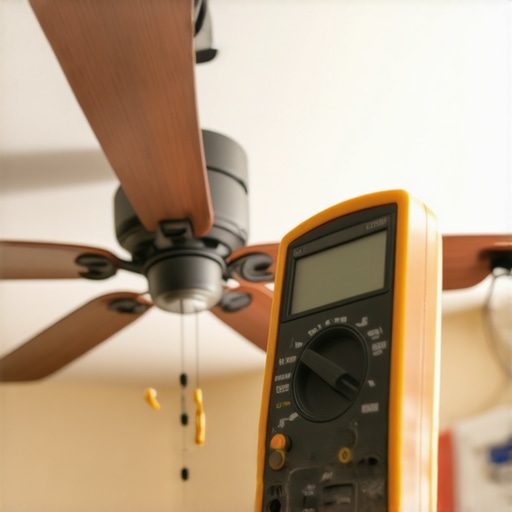
Close-up of a homeowner using a digital multimeter to test a ceiling fan’s wiring, emphasizing safe handling and precision diagnostics.
The Hardest Lesson I Learned About ceiling fan,EV charger,electrician,troubleshooting
One key realization was that sometimes the simplest fix isn’t the right one. I once replaced a capacitor in my ceiling fan, only to find out that dust buildup caused electrical resistance—a reminder that environmental factors often hide beneath the surface.
3 Myths About ceiling fan,EV charger,electrician,troubleshooting That Held Me Back
Believing that all issues are power-related hampered my troubleshooting. It made me overlook the importance of environmental conditions and subtle wiring problems, which can be just as critical as faulty components.
What Experts Won’t Tell You About ceiling fan,EV charger,electrician,troubleshooting
The root cause of many problems lies in small details—corrosion, improper ventilation, or unnoticed environmental stressors—that aren’t always obvious. Learning to spot these factors fast saved me hours of frustration.
Curated Resources for Mastering Troubleshooting
I recommend investing in a high-quality multimeter, like the Fluke 117, for its reliability and precision—it’s an essential tool I use daily. The Klein Tools NCVT-3 non-contact voltage tester boosts safety and speed during inspections. For in-depth guidance, I turn to trusted sites like these troubleshooting tips, which break down complex issues into manageable steps. Lastly, books like “Electrical Troubleshooting Simplified” have broadened my understanding beyond quick fixes.
Your Path Starts Here
Embracing the nuanced lessons from troubleshooting ceiling fans and EV chargers truly empowers you. With patience, the right tools, and a keen eye for detail, you can turn frustrating setbacks into opportunities for mastery. Remember—every problem is a chance to learn and improve your home’s electrical health. Are you ready to see troubleshooting in a new light? Share your experiences below, and let’s grow together.