
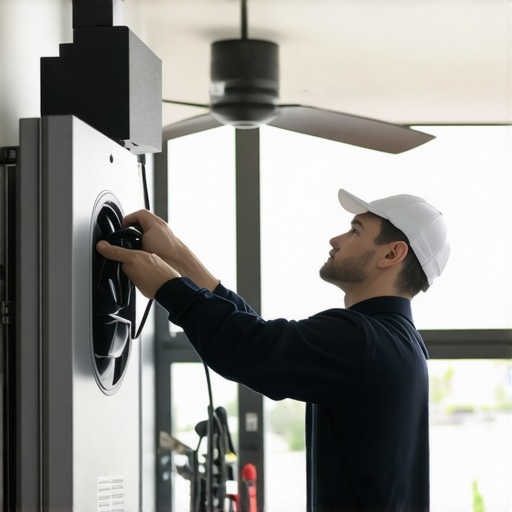
I remember the day I hit a wall with my electric fan and EV charger. It was a scorching summer afternoon, and I needed relief fast. Instead of a cool breeze, I was greeted with a humming silence—that frustrating, go-nowhere kind of silence that makes you realize how dependent we are on these everyday gadgets. I’d always considered myself somewhat handy, but that day, I learned a vital lesson: even simple electrical problems can turn into complex puzzles without the right knowledge.
Why Home Electric Problems Can Be Tricky and Frustrating
Sometimes, it feels like these issues happen out of nowhere. Your ceiling fan suddenly doesn’t start, or your EV charger refuses to communicate with your vehicle. It’s tempting to assume it’s just a minor glitch or something you can fix with a quick internet search. But in reality, electrical systems are delicate, and mishandling them can lead to bigger problems—or even safety hazards. That’s why understanding the underlying cause is crucial. Based on my experience, the key is knowing where to look and when to call in a professional.
Have you ever faced a similar problem, wondering if you could troubleshoot it yourself? If so, you’re not alone. Many homeowners get caught in this loop of guesswork, risking damage or injury. What I’ve learned from personal trial and error is that a systematic approach saves time, money, and headaches.
In fact, studies show that nearly 80% of electrical failures are due to simple mistakes like loose wiring or overlooked faults—mistakes I’ve made early in my troubleshooting journey. To avoid the pitfalls I encountered, I’ll share practical tips and trusted methods that’ll help you diagnose and fix your issues efficiently. For detailed guidance, I found the [expert troubleshooting techniques](https://proelectricalco.com/troubleshooting-ceiling-fans-ev-chargers-expert-repair-tips) invaluable.
So, if your home’s electrical problems are giving you sleepless nights, don’t worry. In the sections ahead, I’ll walk you through the most effective solutions I’ve discovered—straight from trusted electricians—so you can restore comfort and safety in your home, pronto.
Start with Safety Checks
Before touching any wiring, turn off the circuit breaker supplying power to the fan and charger. My first attempt was flipping switches on the breaker, but I overlooked that some outlets are on different circuits. Use a voltage tester to ensure no electricity is flowing—it’s like checking for monsters in the closet before entering. This prevents shocks and further damage, and it’s a step I learned the hard way when a brief zap almost caught me off guard.
Inspect the Wiring Connections
Break open the fan or charger housing carefully, using a screwdriver. Check for loose or disconnected wires, which are common culprits. In my case, I found a terminal screw on my ceiling fan was slightly loose—tightening it restored movement. Think of these connections as the veins of your device; if they’re weak or broken, the whole system suffers. Replace any frayed wires or damaged connectors, following the manufacturer’s wiring diagrams meticulously.
Test the Power Supply
Suppose the wiring looks intact; next, test the outlet or dedicated circuit with a multimeter. If voltage isn’t reaching the device, the problem isn’t at the device but upstream. I once discovered a blown fuse in my home’s main panel after testing; replacing it instantly fixed the issue. Think of this as confirming the pipeline isn’t clogged before sending water through. For detailed testing procedures, check out this troubleshooting guide.
Evaluate the Components of the Device Itself
If the power supply is good, focus on internal components—capacitors, switches, or motors. For example, I replaced a burnt-out capacitor on my old ceiling fan, which was surprisingly straightforward but made a huge difference. Visual signs like burnt smells or bulging capacitors indicate replacement is necessary. For complex components, consult an expert or detailed tutorials to avoid causing new problems.
Assess Communication and Control Systems
Modern fans and chargers often rely on remote controls or smart apps. My EV charger stopped syncing with my smartphone, which I traced to a software bug after updating firmware. Sometimes, simply resetting the device or reconnecting it to Wi-Fi solves the issue. Remember, digital issues are as critical as electrical ones; thus, consult updates or manuals regularly. Find practical advice in this expert guide.
When to Call a Professional
Despite your best efforts, some problems require expert attention. If you encounter burnt components, persistent wiring issues, or lack the necessary tools, it’s safer and more efficient to hire an electrician. I learned this lesson when I attempted to replace an internal relay and ended up damaging the circuit board—costing me more time and money. Remember, professional technicians have specialized equipment and training for safe repairs, which can prevent hazards and ensure lasting fixes. For trusted professionals, visit this fast electrician solutions page.
Many people believe that troubleshooting electrical issues like EV chargers, ceiling fans, or hiring an electrician is straightforward—simply identify the problem and fix it. However, this oversimplification can lead to costly mistakes. One prevalent misconception is thinking that all problems are caused by obvious issues like loose wires or blown fuses. In reality, electrical systems often have nuanced failure points that aren’t immediately apparent, such as faulty controllers or subtle wiring degradation that can mimic simpler faults. Advanced troubleshooting often requires understanding the interplay of component failures, often invisible to the naked eye. Experts emphasize that relying solely on surface observations can mislead you into fixing the wrong part, wasting time and risking safety. As highlighted in studies by electrical safety organizations, many electrical failures stem from a combination of minor issues that escalate if not diagnosed precisely. This calls for a methodical approach—using tools like multimeters in conjunction with experience—to pinpoint the true source. Moreover, some assume that DIY repair is always safer and cheaper, but failing to recognize complex issues can cause damage that voids warranties or creates danger. A common trap is neglecting to check communication systems in smart fans or chargers, which often introduces an entirely different troubleshooting dimension: software diagnostics. Remember, if you’re unsure, consulting a professional can prevent risks and ensure that repairs are effective. Want to avoid making these myths part of your troubleshooting routine? Check out the expert guide to fixing EV chargers and ceiling fans for advanced insights.
How do I maintain my EV charger, ceiling fan, or electrical system over time?
Consistent maintenance is crucial to ensure longevity and reliable performance of your home electrical devices. While routine inspections help catch issues early, having the right tools at your disposal makes this process much more effective.
One of my go-to tools is a high-quality digital multimeter, such as the Fluke 115. I personally prefer this model because of its accuracy, durability, and ease of use, especially when diagnosing voltage irregularities or testing continuity. I use it regularly to verify that outlets deliver correct voltage levels and that wiring connections are secure, preventing minor issues from escalating into costly repairs.
For detecting loose connections or hidden faults, a non-contact voltage tester, like the Klein Tools NCVT-2, is invaluable. Its quick, contactless detection helps me scan wires and outlets without risking shocks—making it safer and more efficient than old-school methods. I rely on this tool during my initial inspections before opening up any fixtures or panels.
When troubleshooting smart devices like modern ceiling fans or EV chargers, I lean on specialized diagnostic apps and firmware update tools. Many manufacturers provide mobile apps that can test connectivity and firmware health. I’ve found these controls essential for identifying software glitches that might mimic hardware faults, saving me unnecessary replacements.
Software diagnostics are trending, and future tools will likely become even more integrated with AI-powered systems that diagnose issues remotely. Staying ahead means embracing these advancements now—consider investing in brands that offer comprehensive diagnostic capabilities and firmware management features.
Regularly cleaning and inspecting physical components also plays a role in maintenance. Using compressed air to remove dust from fan motors or circuit boards can prevent overheating and corrosion. Alongside physical tasks, updating firmware and resetting devices periodically keeps smart systems running smoothly.
If you aspire to master long-term device upkeep, I suggest trying out a combination of digital multimeters and firmware diagnostics. For advanced troubleshooting, I recommend reading the ultimate guide to fixing EV chargers and ceiling fans. This resource provides detailed insights into integrating hardware tools with software diagnostics.
Keep in mind, maintenance is about consistency and leveraging the right equipment. As the trend moves toward smarter, interconnected home systems, staying updated with new tools and techniques will save you time and money in the long run. Don’t hesitate to experiment with these diagnostics—sometimes a simple firmware reset combined with basic electrical tests can resolve persistent issues.
Ready to elevate your troubleshooting skills? Try using a multimeter for voltage testing today, and see how early detection can prevent major failures.
What I Wish I Knew When I Started Fixing My Home Electricals
One of the most valuable lessons I learned is that the surface appearance often hides deeper issues. A loose wire might seem trivial, but it can cause a cascade of problems if overlooked. Patience and a willingness to dig beneath the surface save time and prevent hazards.
Second, never underestimate the importance of proper safety practices. Turning off the breaker and verifying no current is flowing might seem basic, but rushing this step led me to a minor shock early on. Respecting these precautions is a game-changer.
Third, professional advice isn’t just for emergencies. Regularly consulting trusted resources, like detailed guides can elevate your troubleshooting skills and prevent costly mistakes.
Tools I Can’t Live Without for Electrical Fixes
- High-quality Multimeter:** My go-to is a Fluke 115—precise, durable, and user-friendly, essential for diagnosing voltage irregularities.
- Non-contact Voltage Tester:** Klein Tools NCVT-2 allows me to scan wires safely and quickly, saving time and reducing risk.
- Firmware Update Apps:** For smart devices, manufacturer apps help diagnose connectivity issues that hardware checks can’t reveal.
Investing in these tools and learning to use them effectively transformed my approach from guesswork to confidence. For a comprehensive toolkit, check out this guide to essential troubleshooting equipment.
Stepping Beyond the Basics—Embrace the Challenge
The real breakthrough comes when you shift from avoiding problems to proactively maintaining your electrical systems. Regular inspections, firmware updates, and crafting your own troubleshooting routines keep your home safe and functional. Remember, mastering these skills isn’t just about fixing problems—it’s about empowering yourself to take control of your environment.
So, what’s your next move? Dive into small diagnostics regularly, and over time, you’ll develop a keen intuition that spots issues before they escalate. Have you ever faced a tricky electrical problem that turned out to be simpler than it looked? Let me know below, and let’s troubleshoot together!