
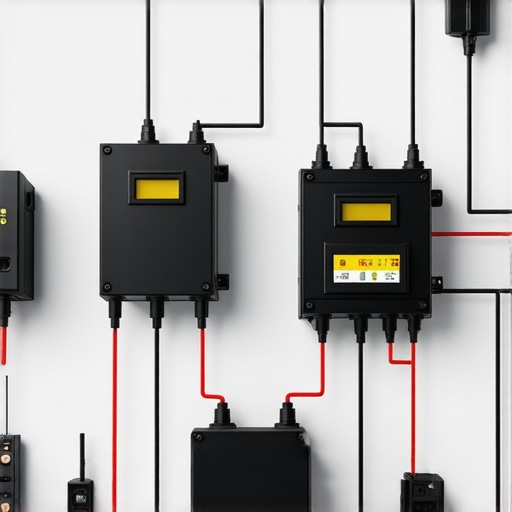
The Silence of the Grid: A Forensic Warning
I’ve spent three and a half decades inside the guts of residential electrical systems, and I can tell you exactly what 2026 smells like: it smells like melting PVC and ozone. Most homeowners think that buying a sleek battery backup system is a ‘set it and forget it’ insurance policy. It isn’t. As we push toward a more unstable grid, the load on your home’s Home Run circuits is going to increase exponentially. If your wiring isn’t prepared for the continuous draw of a solar panel electrical hookup or the heavy cycling of a storage array, you aren’t buying safety—you’re buying a thermal event waiting to happen.
My journeyman used to smack my hand if I stripped a wire with a knife. ‘You nick the copper, you create a hot spot,’ he’d scream. He was right. That microscopic nick reduces the cross-sectional area of the conductor, increasing resistance. In a standard lighting circuit, you might never notice. But when you’re pulling 40 amps of continuous power from a lithium-iron-phosphate battery bank for eight hours straight during a blackout, that ‘hot spot’ becomes a glowing ember. Forensic inspection of failed home backup generator install projects often reveals this exact lack of craftsmanship in the rough-in phase.
“Energy storage systems (ESS) shall be listed and labeled for the intended use and shall be installed in accordance with the manufacturer’s instructions and the NEC.” – National Electrical Code (NEC) Article 706.5
The Load Calculation: Why Your 100-Amp Panel is Whispering ‘Help’
The biggest lie in the industry is that you can just ‘slap’ a battery system onto any existing service. It’s a matter of Ohm’s Law and the physics of heat. Most mid-century homes are still limping along on 100-amp service. When you add a home automation setup, an electric gate opener, and then expect a battery to kick in for your ADU electrical services, you are exceeding the thermal capacity of the bus bars. This is why an electrical panel upgrade is rarely optional; it is the foundation of the entire system. I’ve seen Zinsco and Federal Pacific panels where the breakers jammed and failed to trip even as the plastic housing liquefied. If you haven’t moved to a 200-amp copper-bus system with AFCI breaker services, you are playing Russian Roulette with your 2026 preparedness.
Component Zooming: The Physics of the Main Lug
Let’s talk about Cold Creep. When we perform a solar panel electrical hookup, we are dealing with high-amperage connections that expand and contract. If your electrician didn’t use a torque wrench to meet the manufacturer’s inch-pound specifications, that connection will loosen over time. A loose connection creates a high-resistance bridge. I’ve pulled my Wiggy out many times to find a 30-volt drop across a single lug. That missing voltage didn’t just disappear; it turned into heat. This is why warranty backed repairs are so critical—you need a tech who understands that ‘hand-tight’ is a death sentence for a battery system.
The Peripheral Trap: Gate Openers and Sensor Lights
People forget the ‘small’ stuff. You want driveway sensor lights and an electric gate opener to function when the grid goes dark. But these are often long-run circuits. If the wire gauge isn’t up-sized for voltage drop over that distance, the inductive kick from the gate motor can cause the inverter in your battery backup to ‘hiccup’ or fault out. I’ve seen home automation setup controllers fried because the backup system sent a dirty square wave during a switch-over. We use a Tick Tracer to find induced voltage in these long runs, ensuring that the AFCI breaker services don’t trip every time the wind blows a branch past your driveway sensor.
“Arc-fault circuit-interrupters shall be installed in a readily accessible location… to provide protection from the effects of arc faults.” – NEC 210.12
Preparing for 2026: The Master’s Checklist
If you want to survive the next generation of power instability, you need to stop thinking about electricity as a utility and start thinking about it as a high-pressure system. Here is the forensic-grade path to a safe installation:
- Thermal Imaging of the Home Run: We use infrared cameras to check for heat blooms in the walls before we ever hook up the battery.
- AFCI Integration: Your battery system must play nice with Arc-Fault breakers. If your ‘pro’ is bypassing these to avoid nuisance trips, kick them off the job site.
- Grounding Electrode Check: A battery backup is only as safe as its path to earth. I often find grounding rods that have rotted into nothing, leaving the system with no place to dump a surge.
- Monkey Shit (Duct Seal) Application: We seal every exterior conduit. Moisture is the enemy of ADU electrical services, and a little bit of duct seal prevents condensation from rotting your new inverter from the inside out.
Don’t wait for a 2026 ice storm to find out your same day service appointments were actually just ‘same day shortcuts.’ Whether it’s a home backup generator install or a full electrical panel upgrade, the goal isn’t just to have the lights stay on—it’s to make sure they don’t stay on because the house is on fire. Torque your lugs, check your grounds, and treat every wire like it’s a live snake. That’s how you sleep through a blackout.
Reading through this post really highlights how critical proper electrical work and system planning are, especially with the increased load from upcoming power demands. It’s surprising how many are unaware of issues like loose connections or undersized panels that can escalate into major safety hazards during grid failures or prolonged outages. I remember upgrading my own panel to 200 amps after noticing my home automation system was causing flickering, and it made a huge difference in system stability. The emphasis on thermal imaging and proper grounding is spot on; I think those are often overlooked until it’s too late. For anyone considering the switch to solar and battery backup, I’d add that frequent inspection and maintenance of connections and system components is a must. What are some affordable solutions for homeowners to regularly check for these kinds of issues, especially those without professional tools like infrared cameras? It seems like investing in preventative regular maintenance could save a lot of headaches during emergencies.