
The Sizzle of a Dying Warranty
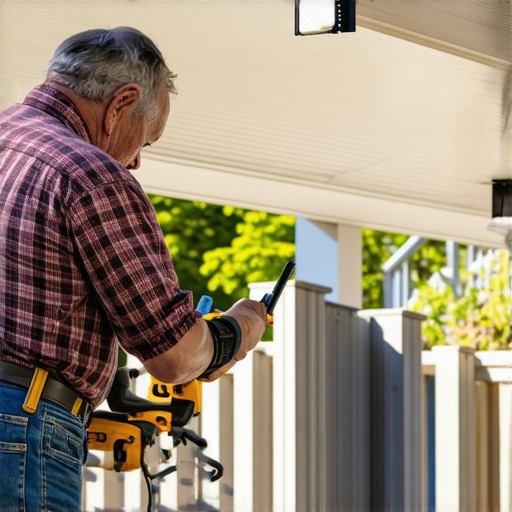
You smell it before you see it. That sharp, metallic tang of ozone hanging in the humid air under your brand-new aluminum patio cover. You just spent thirty grand on an outdoor living space, complete with a high-end ceiling fan and lighting installation services that make the backyard look like a resort. But when you plugged in the margarita machine, you heard a ‘pop’ that sounded like a dry twig snapping. That sound was the death knell of your electrical components and, quite possibly, the end of your 2026 warranty coverage. Most homeowners assume a warranty is an ironclad shield. In reality, it is a conditional contract that evaporates the moment a ‘handyman’ uses electrical wiring services that ignore the physics of outdoor environments. As a forensic inspector, I do not look for what broke; I look for why you were negligent enough to let it break.
The Old Timer’s Lesson: The Nick That Kills
My journeyman, a man who had more scar tissue than hair, used to smack my hand with a pair of dikes if he caught me stripping Romex with a pocketknife. ‘You nick that copper, you create a hot spot,’ he’d scream over the sound of a hammer drill. He was right. In the context of a patio cover, those microscopic nicks are where the salt air—if you are anywhere near the coast—begins its relentless feast. When you install an outlet on a patio post, the thermal expansion and contraction of the metal structure put mechanical stress on every connection. If that wire was nicked during the rough-in, the heat concentrates at the bottleneck. Eventually, the insulation charrs, the resistance climbs, and your warranty provider denies the claim because the installation failed to meet basic workmanship standards.
“Aluminum wire connections can overheat and cause a fire without tripping the circuit breaker.” – CPSC Safety Alert 516
Mistake 1: The ‘Standard’ Weatherproof Box in a High-Corrosion Zone
If you are living in a coastal environment, the air is not your friend; it is a conductive soup. A common mistake I see during thermal imaging inspections is the use of standard powder-coated aluminum boxes for patio outlets. Within eighteen months, the salt air bridges the gap between the hot lug and the grounded enclosure. This creates a high-resistance ground fault that doesn’t always trip a standard breaker but generates enough heat to melt the ceiling fan‘s remote receiver. To maintain a warranty in 2026, you must utilize stainless steel or NEMA 4X rated enclosures. I have seen ‘professional’ installers use monkey shit (duct seal) to try and plug holes, but if the box itself isn’t rated for the environment, you are just delaying the inevitable. When I come in with my Wiggy to test the circuit, and I see a voltage drop across the ground, I know the box is rotting from the inside out.
Mistake 2: Bypassing Permit Pulling Services
Nothing voids a manufacturer’s warranty faster than the absence of a green tag from the local building department. Many homeowners think permit pulling services are just a tax. They aren’t. They are your legal proof that the electrical wiring services performed meet the National Electrical Code (NEC). Without that permit, your insurance company has a ‘get out of jail free’ card, and your patio cover manufacturer will claim the electrical fault was an ‘unauthorized modification.’ I’ve performed code violation corrections on hundreds of patios where the homeowner tried to save $500 on a permit, only to lose $10,000 in equipment when a surge hit a non-compliant home run.
Mistake 3: Overloading Circuits with Holiday Light Installation
It starts with a few LEDs, but then comes the holiday light installation. People forget that their outdoor patio outlet is often on the same circuit as the garage or the powder room. When you pull 18 amps on a 20-amp breaker for six hours a night, you are baking the wire insulation. This is where demand response systems and surge protector installation become critical. I’ve seen infrared thermography scans where the wire behind the stucco was glowing at 180 degrees Fahrenheit because some ‘pro’ daisy-chained three patio covers together. If your ceiling fan motor burns out because of chronic undervoltage caused by an overloaded circuit, the manufacturer will find that heat damage in the windings and reject your claim.
“The technical requirements for electrical safety are not suggestions; they are the minimum standards necessary to prevent loss of life and property.” – NFPA 70E Standard for Electrical Safety
Mistake 4: Failure to Account for Galvanic Reaction
When you screw a brass-tined outlet into a galvanized box mounted on an aluminum patio cover, you are building a battery. In moist environments, these dissimilar metals undergo galvanic corrosion. This creates resistance. Resistance creates heat. Heat creates fire. A forensic thermal imaging inspection can see this ‘ghost heat’ long before the smoke appears. If your installer didn’t use dielectric grease or appropriate isolating gaskets, your 2026 warranty is already trash. This is why I insist on code violation corrections that include checking the metallurgy of every fastener. If you want to sleep at night, stop treating your patio’s electricity like a DIY hobby and start treating it like the high-voltage life-safety system it is. Use infrared thermography scans annually to ensure your surge protector installation is actually functioning and that your lugs are torqued to spec. Electricity doesn’t forgive, and neither do warranty adjusters.
This post hits close to home. I recently had my outdoor outlets inspected after noticing a strange burning smell near my patio. Turns out, improper wiring and ignoring the salt air caused some serious corrosion and resistance issues. I wish I had known about the importance of using NEMA 4X enclosures and proper fasteners earlier—education like this truly saves homeowners from costly damages. I’ve also learned that regular infrared thermography scans and surge protector checks are invaluable for ongoing maintenance. Have others experienced unexpected resistance buildup or corrosion issues in coastal environments? It’s remarkable how small mistakes like using the wrong enclosure or skipping permits can void warranties, but preventative measures really do make a difference. Would love to hear what proactive steps others take to ensure their outdoor electrical systems remain safe and compliant over time.
This article really highlights the importance of proper materials and adherence to codes in outdoor electrical installations, especially in challenging environments like coastal areas. I had a similar experience where even a small nick in the wiring during installation led to unexpected corrosion and insulation failure faster than anticipated. Using stainless steel enclosures and dielectric grease really made a difference in my case. Also, the point about permits is often overlooked by homeowners trying to save a little, but in reality, it’s a crucial step to protect your warranty and safety. I wonder, for those living in high-humidity zones, what are the best preventative maintenance practices you recommend beyond thermography scans? Do you schedule regular inspections, or are there specific signs we should look out for to catch issues early? Sharing real-world experiences could help everyone avoid costly repairs and ensure their outdoor systems remain safe and compliant.