
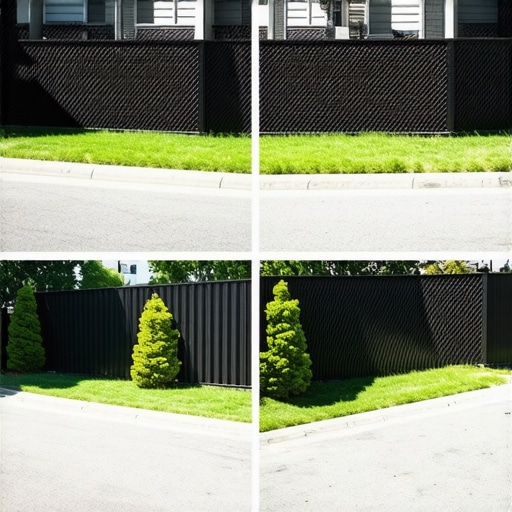
The Forensic Autopsy of a Curb Appeal Disaster
I’ve spent thirty-five years pulling widow makers out of wet mud and smelling the acrid stench of ionized air coming from junction boxes hidden under designer mulch. People look at a fence and see a property line; I see a potential circuit path for a ground fault that could energize your pet’s favorite sniffing spot. Last year, I walked into a ‘fully renovated’ backyard in a high-end zip code where the flipper had buried live junction boxes directly behind the stone veneer of the outdoor kitchen. I found them with my tracer after the homeowner complained that his grill gave him a ‘tingle’ every time it rained. The flipper had used indoor-rated wire nuts and wrapped them in electrical tape—a classic handyman special that turned a luxury upgrade into a ticking time bomb. This isn’t just about aesthetics; it’s about the physics of resistance and the reality of environmental degradation.
Mistake 1: The Shallow Grave (Depth and Physical Protection)
The first mistake that ruins curb appeal—usually by burning a brown line across your lawn—is ignoring the depth requirements of the National Electrical Code. Most DIYers and low-bid contractors throw UF-B cable six inches under the dirt. When the soil shifts during the freeze-thaw cycle, or when a landscaper decides to plant some petunias, that cable gets nicked. Even a tiny pinhole in the insulation allows moisture to enter. Through a process called capillary action, water travels up the inside of the wire jacket, corroding the copper strands into a green, brittle mess.
“Direct buried conductors and cables shall be buried to a depth of not less than 24 inches for non-residential or 18 inches for residential under most conditions.” – NEC Table 300.5
If you aren’t digging to 18 inches and using Schedule 40 PVC where the wire exits the ground, you are just waiting for a ground fault. I’ve seen code violation corrections where we had to trench the entire perimeter because the original installer thought a spade shovel depth was ‘good enough.’ It’s never good enough when the voltage starts leaking into the root systems of your privacy hedge.
Mistake 2: The Voltage Drop Math Fail
By 2026, everyone wants high-lumen LED fence lighting, but they forget that long runs create massive resistance. This is basic Ohm’s Law. If you run 200 feet of 14-gauge wire to the back of your property, your 120V circuit might only be delivering 105V by the time it reaches the last fixture. This causes ‘electronic chatter’ in the LED drivers, leading to that annoying flickering that makes your home look like a haunted house instead of a luxury estate. This heat doesn’t just dissipate; it builds up at the terminal points. I’ve opened structured wiring panels where the low-voltage transformers were melting the plastic housing because they were being overdriven to compensate for poor wire sizing. You need to calculate the circular mil area of your conductors before you ever pull a single foot of Romex or UF. If you don’t understand the physics of electron friction, you shouldn’t be touching a rough-in.
Mistake 3: The ‘Tree Mounted’ Nightmare
People love tree mounted lights for that moonlit effect, but trees are living, growing organisms. I’ve seen ‘professionals’ use lag bolts to secure fixtures. Over five years, the tree grows around the mounting plate, swallowing the wire and eventually snapping it. Worse, as the tree sways in the wind, it creates constant mechanical stress on the connections. If you haven’t used a tick tracer to check a tree trunk in a lightning storm, you haven’t lived. We see deck lighting services fail for the same reason—wood shrinks and expands, pulling on those tiny 18-gauge wires until they arc. Every arc is a micro-burst of heat that can reach 10,000 degrees Fahrenheit. That’s how you lose a fence and a garage in one afternoon.
Mistake 4: Corroded Terminals and the Salt-Air Enemy
Even if you aren’t on the coast, the fertilizers and salts used in landscaping create a highly corrosive environment. When you mix dissimilar metals—like a copper wire and a cheap aluminum fixture terminal—you get galvanic corrosion. The atoms literally migrate, leaving behind a layer of oxidation that acts as an insulator. This increases resistance, which increases heat, which leads to a fire. I always tell my guys to use ‘monkey shit’ (duct seal) or high-grade dielectric grease on every outdoor connection. If I don’t see it when I’m doing electrical safety audits, I’m failing the job. Your smart thermostat wiring might be fine inside, but if your outdoor lighting controller is rotting from the inside out, your whole home automation system is at risk of a surge.
Mistake 5: Neglecting the Source (The Meter and Panel)
You can have the most beautiful deck lighting services in the world, but if your meter base replacement was ignored for thirty years, you’re building a palace on a swamp. Adding heavy outdoor loads, generator transfer switches, and pool pumps to an aging 100-amp service is a recipe for a ‘heavy-up’ emergency call at 2 AM.
“Aluminum wire connections can overheat and cause a fire without tripping the circuit breaker if the mechanical connection is compromised.” – CPSC Safety Alert 516
I’ve used my Wiggy to test circuits where the neutral was so loose at the bus bar that it was glowing cherry red. Before you worry about the curb appeal of your fence, you need to ensure your service entrance can handle the load. A priority service membership isn’t just a marketing gimmick; it’s the only way most homeowners get a set of professional eyes on their temporary power services and main lugs before the insulation starts dripping like candle wax. Don’t be the guy whose house is the local fire department’s training exercise because you wanted pretty lights but ignored the code violation corrections in your basement.
{“@context”:”https://schema.org”,”@type”:”HowTo”,”name”:”How to Perform a Forensic Electrical Audit for Outdoor Lighting”,”step”:[{“@type”:”HowToStep”,”text”:”Use a tick tracer to identify live conductors and ensure proper grounding at each fence post fixture.”},{“@type”:”HowToStep”,”text”:”Inspect all junction boxes for evidence of moisture intrusion or ‘monkey shit’ seal degradation.”},{“@type”:”HowToStep”,”text”:”Verify wire burial depth is a minimum of 18 inches for residential UF-B cable to prevent mechanical damage.”},{“@type”:”HowToStep”,”text”:”Calculate total circuit wattage to ensure no more than 80% load on the breaker per NEC standards.”}]}