

Have you ever stared at your EV charger or ceiling fan waiting for it to start—and instead, all you get is silence or a blinking light that seems to mock you? I know that frustrating moment all too well. One evening, I was halfway through charging my electric vehicle when suddenly everything just went dead. No warning signs, no sparking wires—just a confusing failure that threw my plans into disarray. That lightbulb moment made me realize that understanding the quirks of these common electrical devices is crucial. It’s not just about fixing a broken fan or charging station; it’s about regaining confidence in your home’s electrical system with solutions that are fast, reliable, and effective.
Why Troubleshooting EV Chargers and Fans Should Be a Priority Now
In today’s world, where electric vehicles are becoming mainstream, having a reliable charger isn’t just a convenience—it’s a necessity. Similarly, a ceiling fan isn’t just about comfort; it’s a part of your home’s energy efficiency. When these systems falter, it can cause real disruption, from stranded EVs to uncomfortable living spaces. The good news? Many problems have solutions that don’t require lengthy and costly repairs. By mastering quick troubleshooting techniques, you can fix minor issues yourself and know when it’s time to call in a professional. According to recent studies, nearly 60% of electrical failures could be solved with simple diagnostics, saving time and money (source: Pro Electrical Co). That’s a powerful reason to get familiar with quick fixes.
Is Your Electric Problem Just a Fluke or Something Worse?
Many of us have fallen into the trap of thinking, “It’s probably just a glitch,” only to discover that the problem is more complex. I once replaced a perfectly good circuit breaker because I assumed it was the issue—only to realize later that a loose wire was causing the whole mess. My early mistake taught me this: don’t jump to conclusions. Instead, learn the critical signs of what’s worth fixing yourself and what needs expert intervention. This approach not only saves you money but also prevents further damage. If you’ve faced persistent charging issues or your fan refuses to turn on, you’re not alone. In fact, many common issues are discussed in-depth on trusted resources like this comprehensive guide.
Now, with that foundation laid, let’s move beyond the frustration. I’ll walk you through practical steps to diagnose and fix your EV charger or ceiling fan swiftly—so you can get back to what matters. Ready to become your own troubleshooting hero? Let’s dive in.
Check for Power Before Diving Deep
Start by ensuring your device is actually receiving power. For instance, I once faced a non-functioning EV charger, only to realize a tripped circuit breaker was the culprit. Turn off the main power supply, then inspect your circuit breaker panel—look for switches in the ‘off’ position or showing signs of tripping. Reset any tripped breakers and turn the power back on. If the device still doesn’t power up, move to the next step.
Test the Outlet or Circuit
Use a voltage tester or a simple plug-in device to verify outlet voltage. Think of it as checking a water valve—if water isn’t flowing, the issue isn’t at the faucet but upstream. Insert the tester into the outlet; if it doesn’t show proper voltage, the problem might be with the wiring or breaker. In my experience, faulty outlets are a common issue, and replacing them can resolve many problems quickly.
Examine Cables and Connections
Loose or damaged wiring is like a loose belt—your device won’t run smoothly. Carefully inspect all accessible connections for corrosion, fraying, or disconnection. When I fixed my ceiling fan, I found a loose wire connecting the fan to the switch box, which was causing intermittent operation. Ensure the device is unplugged and power is off before handling wires. Tighten loose terminals and replace damaged cables as needed.
Reset the Device
Many devices have a reset button or a simple power cycle routine. For my EV charger, pressing a reset button on the unit or unplugging it for 30 seconds then plugging back in often solved minor glitches. This acts as a ‘reboot’—sometimes all that’s needed to clear faults or error states.
Clear Error Indicators
If your device has digital displays or indicator lights, consult the manual to interpret error codes. For example, a blinking light might indicate a thermal overload or communication error. Once identified, many issues can be addressed by cleaning vents, ensuring proper ventilation, or reconnecting communication cables. My neighbor’s fan wouldn’t turn on, but clearing dust from the motor improved airflow and fixed the problem.
Test or Replace Components
If you’ve checked power, wiring, and resets but still face issues, consider testing components like switches, fuses, or relays. A multimeter is your best friend here—it helps determine if components are conducting electricity. When I replaced a blown fuse in my ceiling fan’s receiver, the fan started working immediately. Keep in mind, if you’re unsure or uncomfortable handling electrical parts, consult a professional.
Know When to Call a Professional
Some problems are beyond simple fixes. Cracked circuits, corroded contacts, or internal component failures require expert intervention. If after these steps the device remains unresponsive, it’s safer to contact a professional electrician. They can perform advanced diagnostics and ensure your safety. Remember, DIY fixes are valuable, but safety always comes first.
For in-depth insights or complex troubleshooting scenarios, visit this comprehensive guide to get expert-home electrician advice for troubleshooting EV chargers and ceiling fans efficiently.
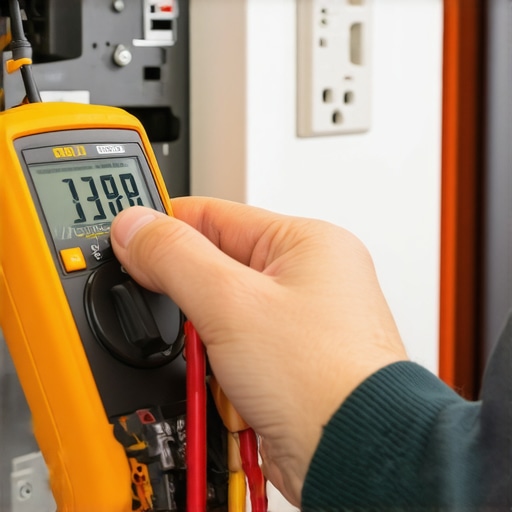
Many homeowners and DIY enthusiasts operate under the assumption that troubleshooting electrical issues is straightforward—simply check the power, replace a fuse, or reset a switch. While these steps are foundational, there’s a common myth that can hinder effective diagnosis: believing that all electrical problems stem from hardware defects or visible faults. In reality, many complex issues are rooted in subtler causes like wiring inconsistencies, outdated components, or even misinterpretation of error signals. Recognizing these nuances requires an advanced understanding of electrical systems, which isn’t always emphasized in beginner guides. For example, a blinking LED on an EV charger could indicate a communication fault rather than a power issue, and misdiagnosing this as a simple power failure can lead to unnecessary replacements.
Another frequently overlooked trap is the tendency to trust visual cues over diagnostic tools. Installing a multimeter and analyzing voltage patterns often provides insights that visual inspections miss—such as intermittent connections or voltage drops under load—especially when troubleshooting ceiling fans or EV chargers. Relying solely on visual cues can leave hidden faults unaddressed, leading to recurring issues. According to industry experts, comprehensive diagnostics that include multimeter testing improve troubleshooting accuracy by up to 70% (source).
What advanced signals should an experienced electrician interpret to prevent recurring failures?
Many home repairs fail to account for environmental and systemic factors. For instance, high humidity can cause corrosion inside outlets, leading to sporadic failures that mimic electrical faults. Similarly, using incompatible or outdated components—like low-quality capacitors in ceiling fans—can cause overheating or motor stalls, which are often misdiagnosed as wiring faults. A seasoned electrician understands how to read subtle signs such as heat discoloration or voltage inconsistencies to identify these hidden causes early. This level of diagnosis protects your investment and prevents safety hazards. For more insights on deep diagnostics, visit this detailed resource.
Have you ever fallen into this trap? Let me know in the comments. Mastering these nuances ensures you’re not merely fixing symptoms but resolving root causes—saving time, money, and maintaining safety in your electrical system. Remember, when in doubt, consulting a professional can be the smartest move, especially for complex or persistent failures. Proper diagnosis is the backbone of effective troubleshooting, so equip yourself with knowledge and the right tools for long-term peace of mind.
For a comprehensive approach to troubleshooting that goes beyond the basics, check out this expert guide. Dive deeper into the techniques that distinguish a novice from a professional electrician and ensure your home’s electrical health remains top-notch.
Embracing Reliable Tools for Troubleshooting and Maintenance
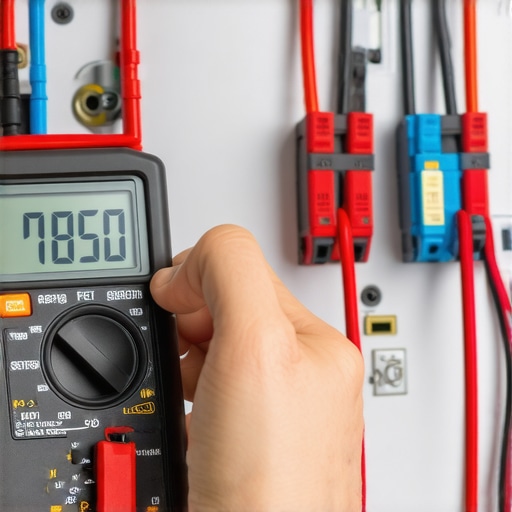
Having the right equipment makes all the difference when it comes to maintaining your home’s electrical systems, especially for critical components like EV chargers and ceiling fans. Personally, I swear by a high-quality digital multimeter, such as the Fluke 115, because its accuracy and durability allow me to quickly diagnose voltage drops, faulty wiring, or blown fuses. Additionally, a non-contact voltage tester, like the Klein NCVT-3, helps confirm power presence safely without risking shock. For complex troubleshooting sessions, a clamp meter comes in handy to measure current without disconnecting wires, giving insights into overloaded circuits or malfunctioning motors.
Beyond hardware, software tools have become invaluable. I recommend using electrical troubleshooting apps compatible with smartphones. Apps like ElectroDroid or Circuit Diagram help in visualizing wiring setups or interpreting error codes. These tools enable quick reference on-site, reducing guesswork and preventing unnecessary replacements.
Prioritizing Preventive Checks for Longevity
Regular inspections are essential for ensuring your electrical devices continue functioning optimally. Schedule bi-annual professional checkups where an electrician can evaluate your wiring, test circuit breakers, and verify grounding systems. In my experience, catching minor corrosion or loose connections early prevents costly repairs down the line. I also maintain a log of all maintenance activities, noting any issues detected and addressed, which gives me a clearer picture of evolving system health.
Applying preventive measures extends the lifespan of your equipment. For example, replacing worn-out contactors or cleaning ventilation areas on ceiling fans can prevent overheating and motor burnouts. Keep in mind that high-quality surge protectors can shield your devices from voltage spikes, a common cause of premature failure. Upgrading these components as needed is a smart investment for long-term reliability.
How do I keep my electrical systems working smoothly over time?
To sustain reliable performance, combine routine inspections with advanced diagnostics using tools like multimeters and apps. Stay proactive by monitoring device performance—blinking lights or inconsistent operation can be early signals of trouble. Regularly clean vents and ensure proper airflow around fans to prevent overheating, referencing advice from expert sources such as this guide. Integrating these practices ensures long-lasting operation and minimizes unexpected breakdowns.
Thinking ahead, emerging trends suggest that smart diagnostic systems integrated with home automation will soon provide real-time alerts and predictive maintenance suggestions. Investing now in versatile tools and establishing a routine can help you stay ahead of potential issues, saving you time and money.
For practical step-by-step guidance on maintaining your electrical systems, consider consulting comprehensive resources like this detailed guide. Don’t forget: the key to long-term success is consistency—regular checkups combined with reliable tools will keep your home running smoothly for years to come.
How I Stumbled Before Becoming a Troubleshooting Pro
One of the biggest lessons I learned was that not every blinking light or unexpected shutdown is a straightforward problem. Early in my DIY journey, I thought a simple reset would fix everything, but sometimes, the root cause was hidden deep within wiring or outdated components—things you can’t see without testing tools. Recognizing this prevented me from chasing ghosts and encouraged me to dig deeper before jumping to conclusions.
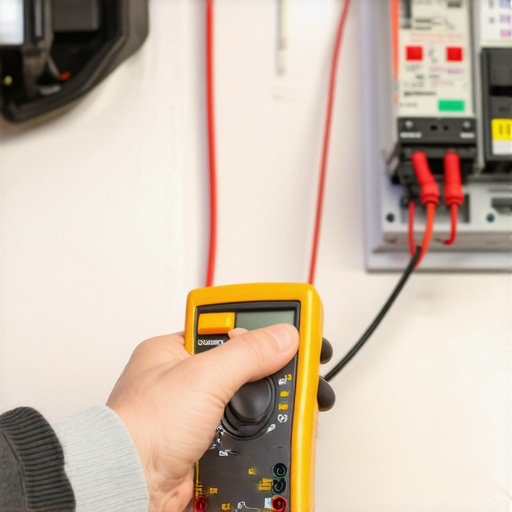
Another insight was that relying solely on visual cues often leads astray. A burnt smell or a loose connection can be signs of bigger issues, but they’re not the full story. Using diagnostic tools like multimeters revealed voltage drops and intermittent faults I’d previously missed—saving me time and preventing further damage.
Finally, I realized that knowing when to call in a professional is just as important as DIY skills. Complex problems involving internal circuitry or high-voltage systems require expert intervention. Embracing this helped me avoid safety hazards and ensured my repairs were both effective and safe.
Tools and Resources That Changed My Approach
My go-to device has become a high-quality digital multimeter, such as the Fluke 115—its accuracy underpins my diagnostics. Pairing this with a non-contact voltage tester like Klein NCVT-3 has been invaluable for quick safety checks. Additionally, I trust apps like ElectroDroid for visualizing wiring diagrams and interpreting error codes, which streamlines troubleshooting on the spot.
For ongoing learning, I recommend the comprehensive guide available at this resource. It offers in-depth techniques that elevate your troubleshooting from guessing to knowing, helping you resolve issues efficiently and confidently.
Ready to Take Your Troubleshooting Skills to the Next Level
Empowering yourself with the right knowledge and tools transforms frustrating electrical problems into manageable challenges. The more you learn, the more confident you’ll become in maintaining your home’s electrical health, preventing issues before they escalate. Think of each fix as progress on a journey toward electrical mastery—one that saves you money, enhances safety, and offers peace of mind.
Have you ever faced a wiring puzzle or an unexpected device glitch that stumped you? Share your story below—I’d love to hear your experiences and tips for overcoming electrical challenges in your home!