
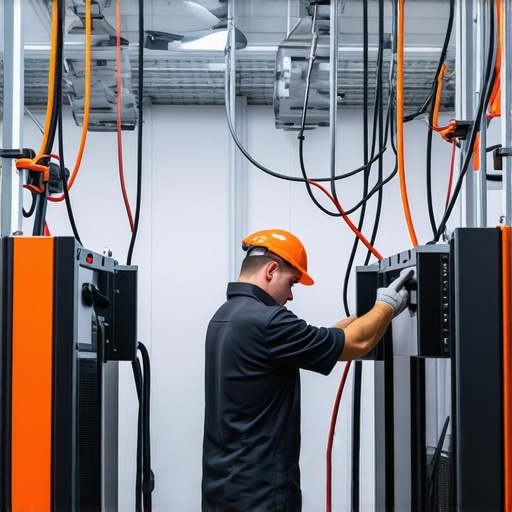
Ever had that sinking feeling when your EV charger refuses to work just as you’re ready to hit the road, or your ceiling fan suddenly stops spinning on a hot summer day? I’ve been there too. One moment, everything’s humming along smoothly, and the next, I’m scrambling for answers, feeling totally lost and frustrated. That lightbulb moment hit me hard—what if troubleshooting those electrical hiccups isn’t as intimidating as it seems? Since then, I’ve learned some game-changing techniques that any homeowner can use to fix these issues quickly and confidently.
Why Quick Fixes Matter More Than You Think
In our busy lives, waiting for a professional can be a real headache—especially when your EV charger or ceiling fan is the only thing standing between you and your daily routine. Plus, tackling small electrical problems early can save you a lot of money and prevent bigger, more costly repairs down the line. I once ignored a flickering ceiling fan for too long, thinking it was just a minor issue. Turns out, it was a sign of a loose connection that could’ve sparked a fire if left unchecked. Trust me, knowing how to troubleshoot efficiently isn’t just about convenience; it’s about keeping your home safe. If you’re wondering how to get started, I’ve found some fantastic resources, like this home electrician guide, that walk you through the basics in a friendly, straightforward way.
Is DIY Troubleshooting Worth the Risk?
I used to think I could handle anything with a little online research. But I made a crucial mistake early on—assuming that because I saw a YouTube tutorial, I could fix my EV charger or ceiling fan without turning off the power. Big mistake. Not only did I risk electric shock, but I also made the problem worse. That’s why I recommend learning from trusted sources and knowing when to call in a professional. For instance, this expert electrician guide offers proven techniques to troubleshoot safely and effectively. So, before you dive into repairs, ask yourself—are you comfortable working with live wires? If not, it’s better to get professional help. But for those small issues, a little knowledge can go a long way, and I’ll show you how to get started confidently. Ready to become your home’s electrical hero? Let’s dive into the practical steps that have saved me time, money, and a few headaches along the way.
Start by Disconnecting Power to Stay Safe
Before diving into any troubleshooting, turn off the power at the circuit breaker. Think of this step as cutting the power to a TV before fixing its internal components—it’s the safest way to prevent shocks. I once neglected this step while trying to fix my ceiling fan and got a jolt that left me cautious for days. Always double-check that the power is off using a voltage tester.
Inspect Connections Like a Detective
Remove panels or covers carefully, and look for loose, burnt, or disconnected wires. Imagine the wiring as a highway; any loose connection is like a traffic jam. I once found a loose wire in my EV charger that was causing intermittent charging issues. Tightening it resolved the problem instantly. For detailed guidance, check this home electrician tips.
Test Components with a Multimeter
Use a multimeter to check for continuity and voltage. Think of it as an internal sensor that tells you if electricity flows properly. For example, I tested the capacitor in my ceiling fan, which was faulty, and replacing it restored smooth operation. If you’re new to multimeters, this expert guide can help you get started confidently.
Identify Faulty Switches or Breakers
Sometimes, the issue isn’t with the device but the switch or breaker. Turn off the switch, then test it with your multimeter. I replaced a faulty switch in my EV charger setup after testing revealed it wasn’t closing the circuit properly. This simple swap made a huge difference and saved me a service call.
Check Power Sources and Outlets
Ensure the outlet providing power is working correctly. Plug in a known working device or use a tester. I once discovered a dead outlet that was causing my ceiling fan to stop working. Fixing or replacing the outlet restored operation without calling an electrician.
Replace or Repair Damaged Parts
If you find damaged wires, burnt components, or broken switches, replace them following manufacturer instructions. Remember, matching the part specifications is crucial. I replaced a worn-out capacitor in my ceiling fan, which improved airflow and noise levels significantly. For complex repairs, consulting this troubleshooting guide can be invaluable.
Test Your Fixes Safely
Once repairs are done, restore power and test the device. Watch for unusual sounds or flickering lights. I tested my EV charger after fixing the wiring, and it charged my car without issues—an instant confidence booster.
Know When to Call the Pros
If you encounter high voltage, persistent issues, or feel unsure, stop and contact a licensed electrician. Safety always comes first. This professional troubleshooting ensures your system is safe and up to code.
Many homeowners approach troubleshooting their electrical devices with misconceptions that can lead to costly mistakes. While it’s tempting to believe that all problems are straightforward or that DIY fixes are always safe, the reality is much more nuanced. Let’s dig deeper into what most people get wrong about troubleshooting EV chargers, ceiling fans, and electrical systems, and how understanding these nuances can save you time, money, and safety risks.
Why Following the Crowd Can Lead You Astray
One of the most common myths is that if a device isn’t working, the problem must be with the device itself. For example, many assume that a non-charging EV station or a ceiling fan that won’t spin is simply broken and needs replacement. However, in my experience, issues often stem from overlooked factors like faulty wiring connections, tripped breakers, or incompatible components. Relying solely on replacing parts without proper diagnosis can be a costly mistake. Instead, I recommend a systematic approach—checking connections, testing switches, and verifying power sources. For a thorough guide on this process, take a look at this home electrician tips.
Beware of the Oops Factor in Live Work
Here’s a trap I often see homeowners fall into: working on live wires because they think it’s faster or easier. The truth is, this is one of the riskiest pitfalls. Electricians know that even a small mistake can lead to electric shock or permanent damage to your equipment. Always disconnect the power at the breaker before inspecting or repairing. If you’re unsure about working safely, it’s better to consult an expert. For specific safety steps, check out this expert electrician guide.
How Do Advanced Troubleshooting Techniques Make a Difference?
For those who want to go beyond basic checks, using tools like multimeters with precision and understanding their readings can dramatically improve troubleshooting accuracy. For example, verifying voltage levels or continuity in circuits helps identify subtle issues like degraded wiring or failing components that aren’t visibly damaged. This level of diagnostics is often overlooked by DIYers but is crucial for effective repairs. According to a study by the Electrical Safety Foundation International, proper diagnostic techniques reduce repair time and improve safety outcomes. To master these skills, explore this pro electrician guide.
Another common mistake is assuming that all components are compatible or that the issue is universal. For instance, not every ceiling fan or EV charger is designed to work with the same voltage or wiring standards. Using incompatible parts or ignoring manufacturer specifications can lead to further damage or safety hazards. Always verify part compatibility and adhere to local electrical codes.
In summary, the key to successful troubleshooting lies in avoiding shortcuts, understanding the intricacies of your electrical system, and knowing when to seek professional help. Remember, safety is paramount, and a well-informed approach can prevent accidents. Have you ever fallen into this trap? Let me know in the comments. For more expert tips, visit this top electrician troubleshooting guide.
Keeping your electrical systems like EV chargers, ceiling fans, and other components in top shape requires more than just basic troubleshooting skills. Investing in the right tools and understanding proper maintenance routines can significantly extend the lifespan of your devices and ensure safe, reliable operation. In this post, I’ll share the specific tools I personally recommend, why I use them, and how they help me maintain my home’s electrical systems effectively.
Invest in a Quality Multimeter for Precise Diagnostics
A reliable multimeter is the cornerstone of any serious troubleshooting toolkit. I prefer a digital multimeter with auto-ranging capabilities, such as the Fluke 115, because it provides accurate readings of voltage, current, and resistance without fuss. I use this device daily to verify proper voltage supply, test continuity, and diagnose faulty components. Its durability and precision mean I spend less time second-guessing readings and more time fixing issues safely. For those just starting out, this expert guide explains how to interpret multimeter results effectively.
Use a Voltage Tester for Quick Checks
While multimeters are versatile, a simple non-contact voltage tester is invaluable for quick safety checks. I keep a Klein Tools NCVT-3 handy to instantly confirm whether wires or outlets are live before beginning work. This tool saves time and reduces risk, especially when working in unfamiliar environments or on multiple circuits. Remember, always double-check with a multimeter if you suspect an unexpected voltage presence.
Maintain Your Tools for Long-Term Reliability
Proper care of your tools is essential. For multimeters, I regularly calibrate and replace batteries to ensure accuracy. Store all devices in a dry, organized toolbox to prevent damage from dust or moisture. Keeping your tools in top condition means you can rely on them during critical troubleshooting sessions and avoid costly misdiagnoses. Additionally, regularly inspecting cables and probes for wear helps prevent false readings that could lead to dangerous mistakes.
Stay Updated with Diagnostic Software and Apps
Technology is evolving, and so are troubleshooting techniques. I recommend using smartphone apps designed for electrical diagnostics, which can help track repair histories or interpret complex readings. Some multimeters now come with Bluetooth connectivity, allowing you to save data, share results with professionals, or analyze patterns over time. This proactive approach helps me identify recurring issues before they escalate, ultimately saving time and money.
Predictions for the Future of Electrical Maintenance
Looking ahead, smart diagnostic tools equipped with AI and machine learning will become more accessible, providing real-time insights and automated troubleshooting suggestions. As these tools become mainstream, even homeowners with limited electrical knowledge will be able to maintain their systems more effectively. Embracing these innovations now can give you a significant edge in home maintenance.
How do I keep my electrical systems working smoothly over time?
The key is regular inspection and proactive maintenance. Schedule periodic checks of outlets, switches, and visible wiring, and keep your tools clean and calibrated. If you notice any flickering lights, unusual noises, or inconsistent operation, don’t delay troubleshooting. Use your multimeter and voltage tester to pinpoint issues early, and don’t hesitate to consult expert guides or professionals when needed. Consistent care and the right equipment are your best defenses against costly failures and safety hazards.
If you’re ready to enhance your troubleshooting skills, start by investing in a quality multimeter and practicing regular system checks. These simple steps will make a huge difference in keeping your home’s electrical devices running flawlessly for years to come. For more detailed tips, check out this home electrician guide.
The Hardest Lesson I Learned About Troubleshooting EV Chargers and Ceiling Fans
One of my biggest realizations was that rushing into repairs without proper diagnosis often leads to bigger problems. I once replaced a seemingly faulty capacitor in my ceiling fan only to find out later that the issue was a loose wiring connection. Taking the time to inspect connections carefully saved me from unnecessary expenses and frustration.
How My Assumptions Nearly Cost Me Big
I used to believe that if an EV charger or fan wasn’t working, replacing the device was the only solution. But I learned that many issues are caused by simple wiring or breaker problems. This insight changed my approach—testing before replacing—and it can save you time and money too.
The Power of Safety First
Working with live wires is a temptation that can be deadly. I learned this the hard way when I skipped turning off the circuit breaker and received a small shock. Now, I always turn off power first and double-check with a voltage tester. Safety isn’t just a precaution—it’s a necessity.
What I Wish I Knew About Tools
Investing in a quality multimeter changed everything for me. It’s the best way to verify voltage and continuity accurately. I also keep a reliable voltage tester nearby for quick checks. Proper tools and regular maintenance of them help me troubleshoot quickly and safely, making the process less stressful and more effective.
Lessons That Save You Future Headaches
Regular inspection of outlets, switches, and wiring can catch problems early. Don’t ignore flickering lights or strange noises—they’re often signs of underlying issues. The sooner you diagnose, the easier and cheaper the fix. Remember, understanding your electrical system is empowering and keeps your home safer.